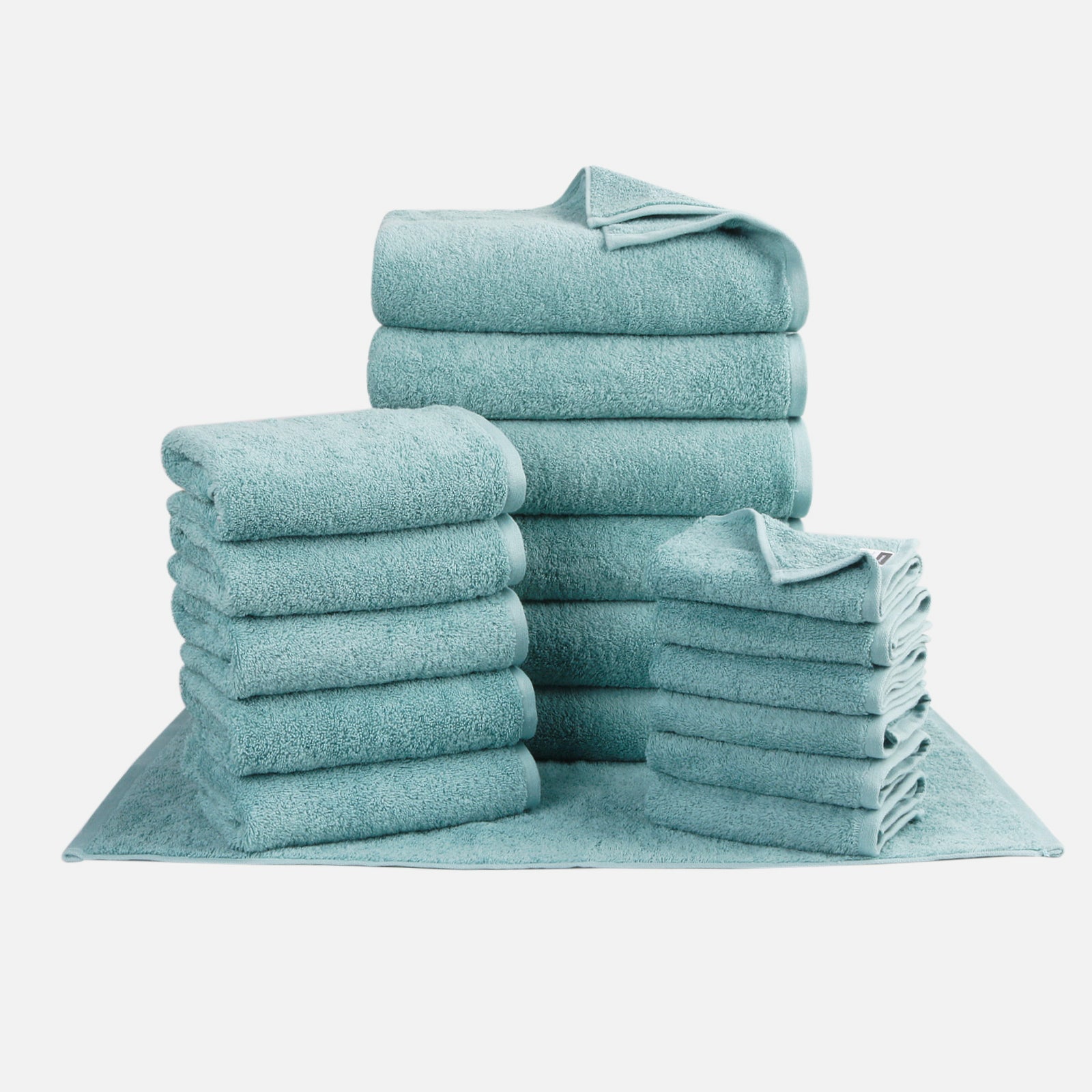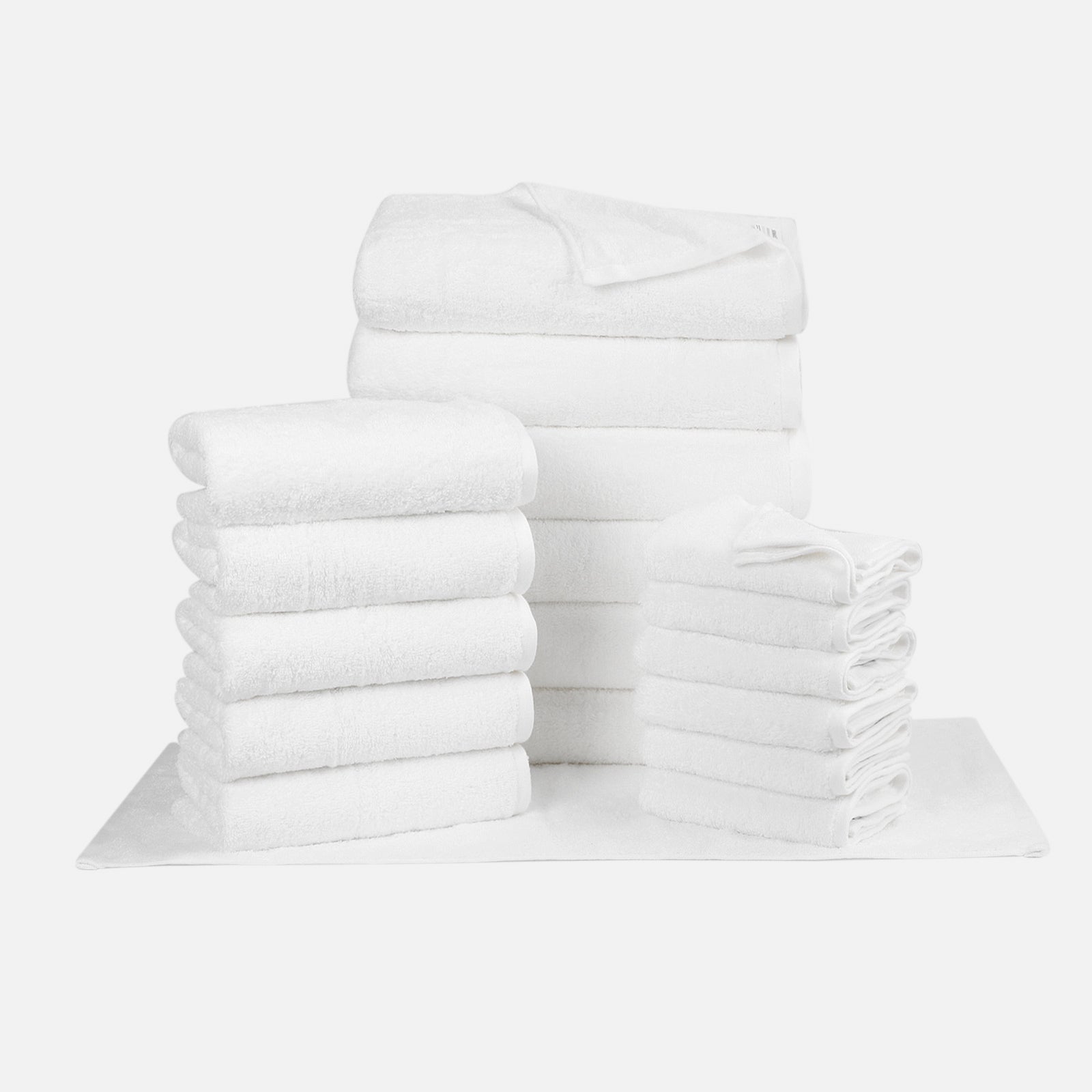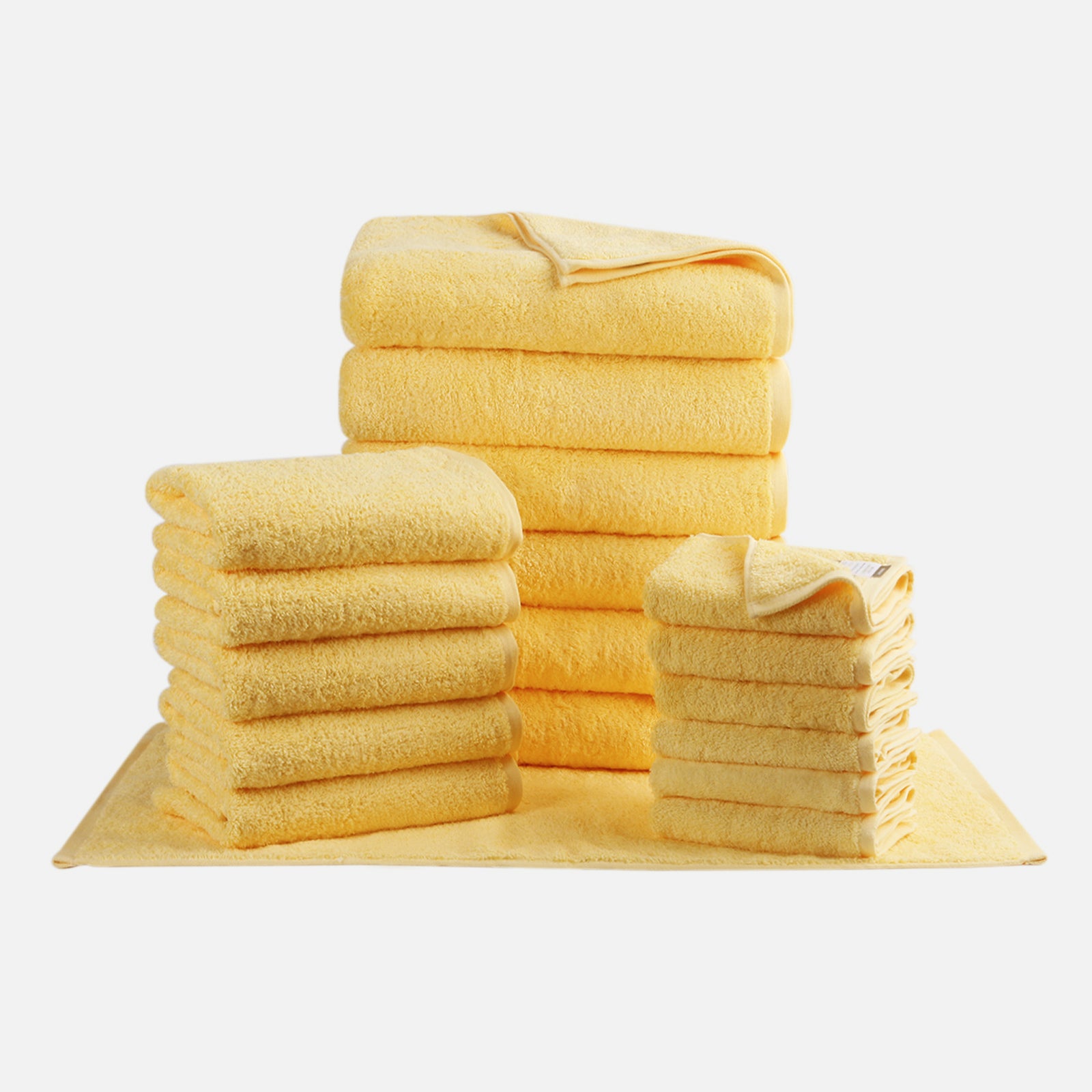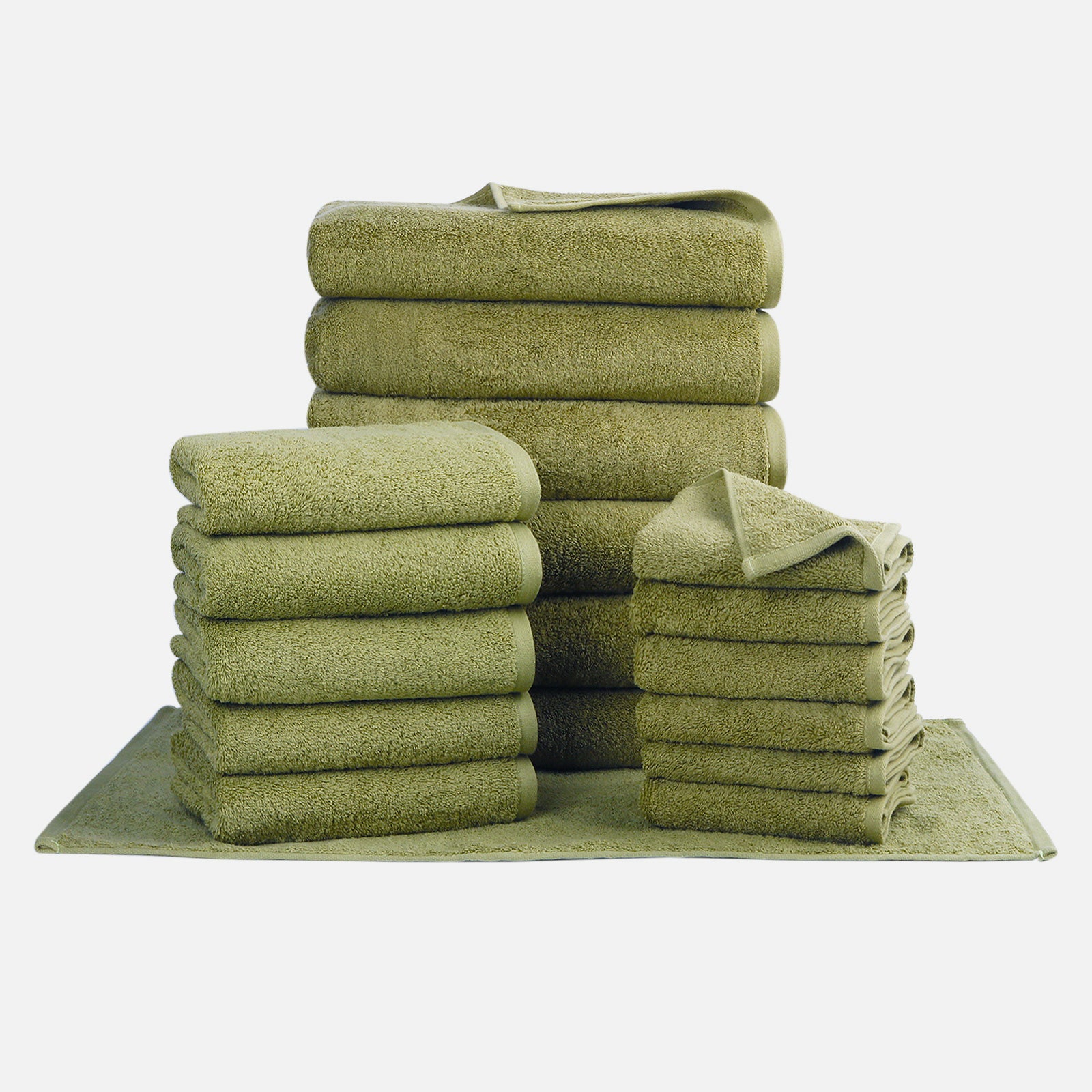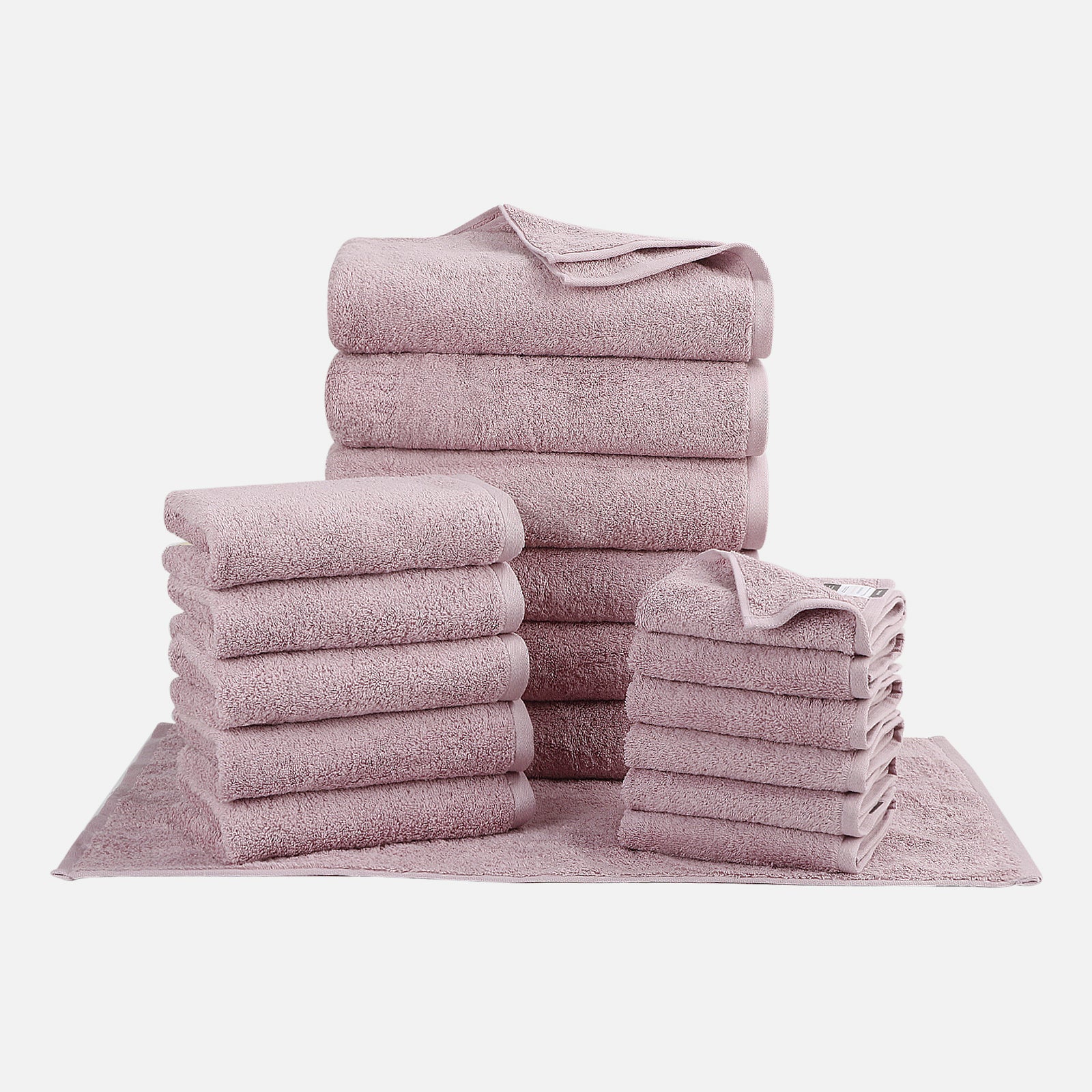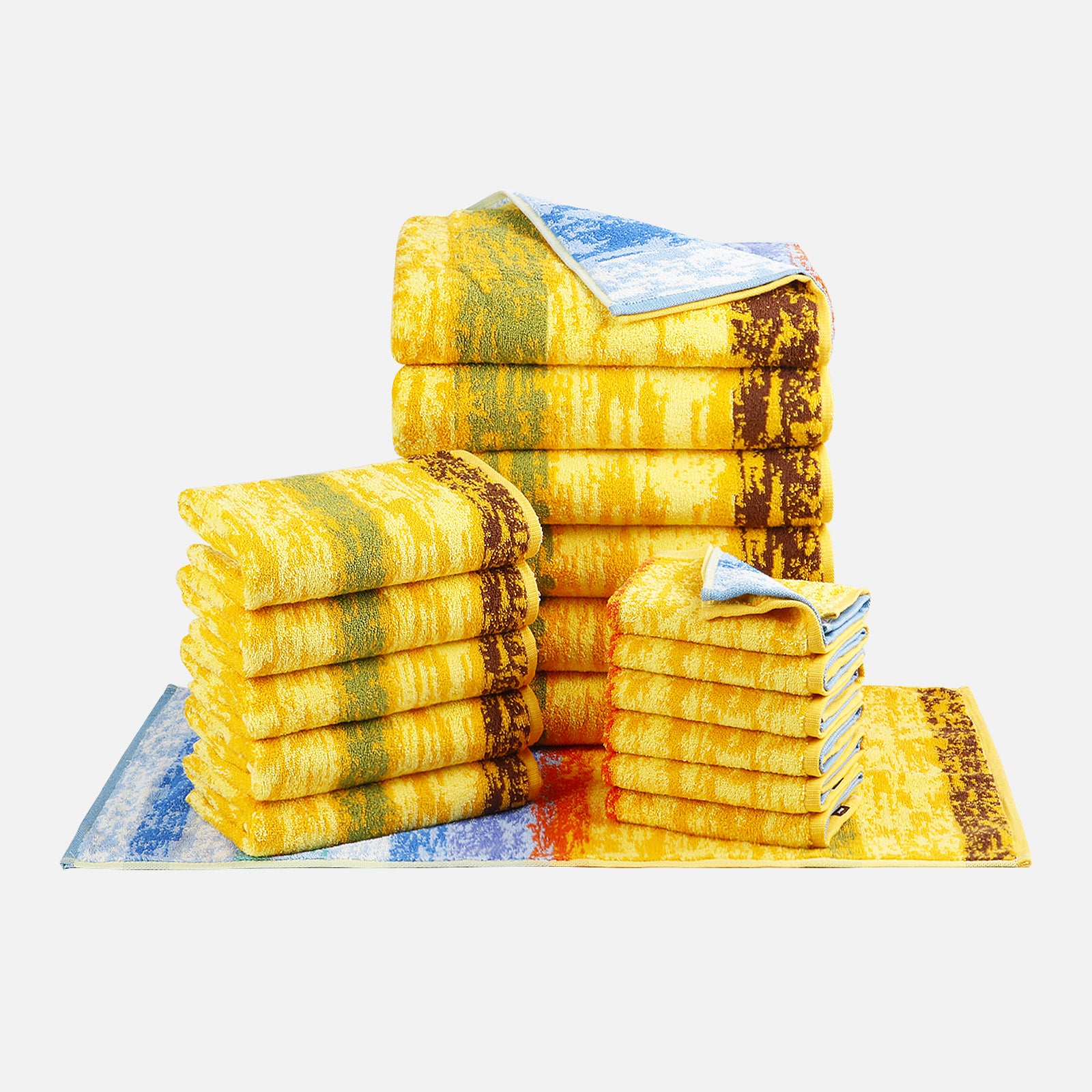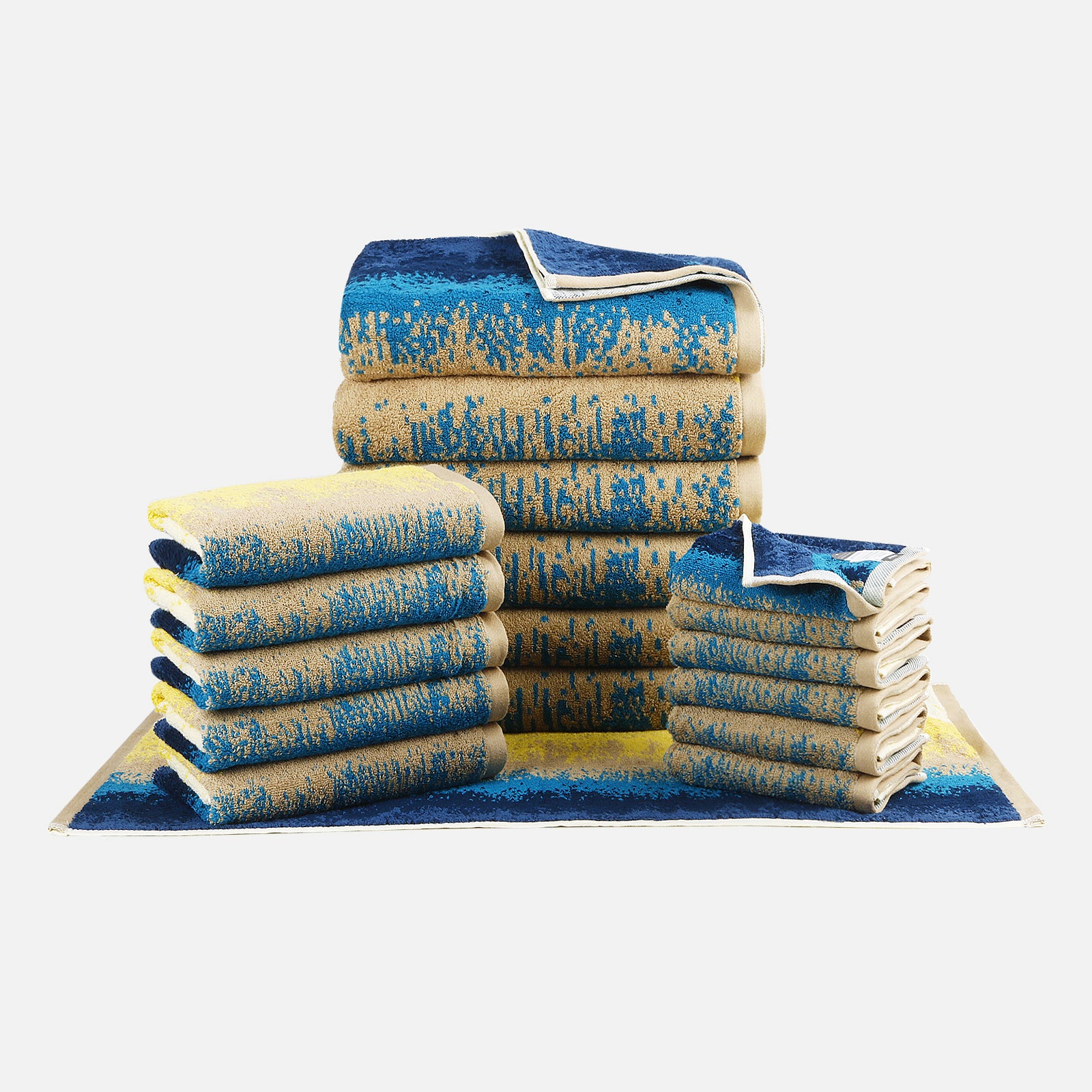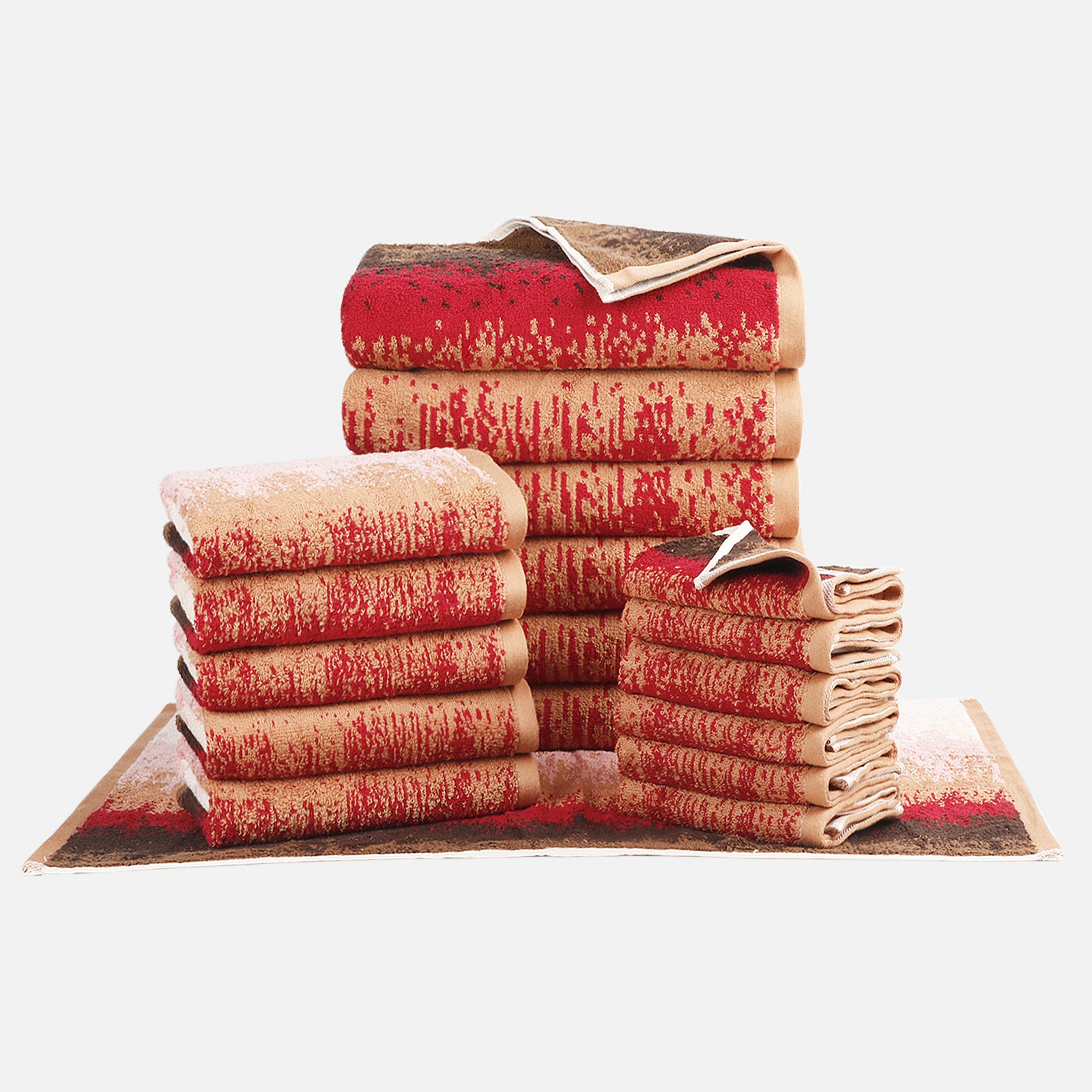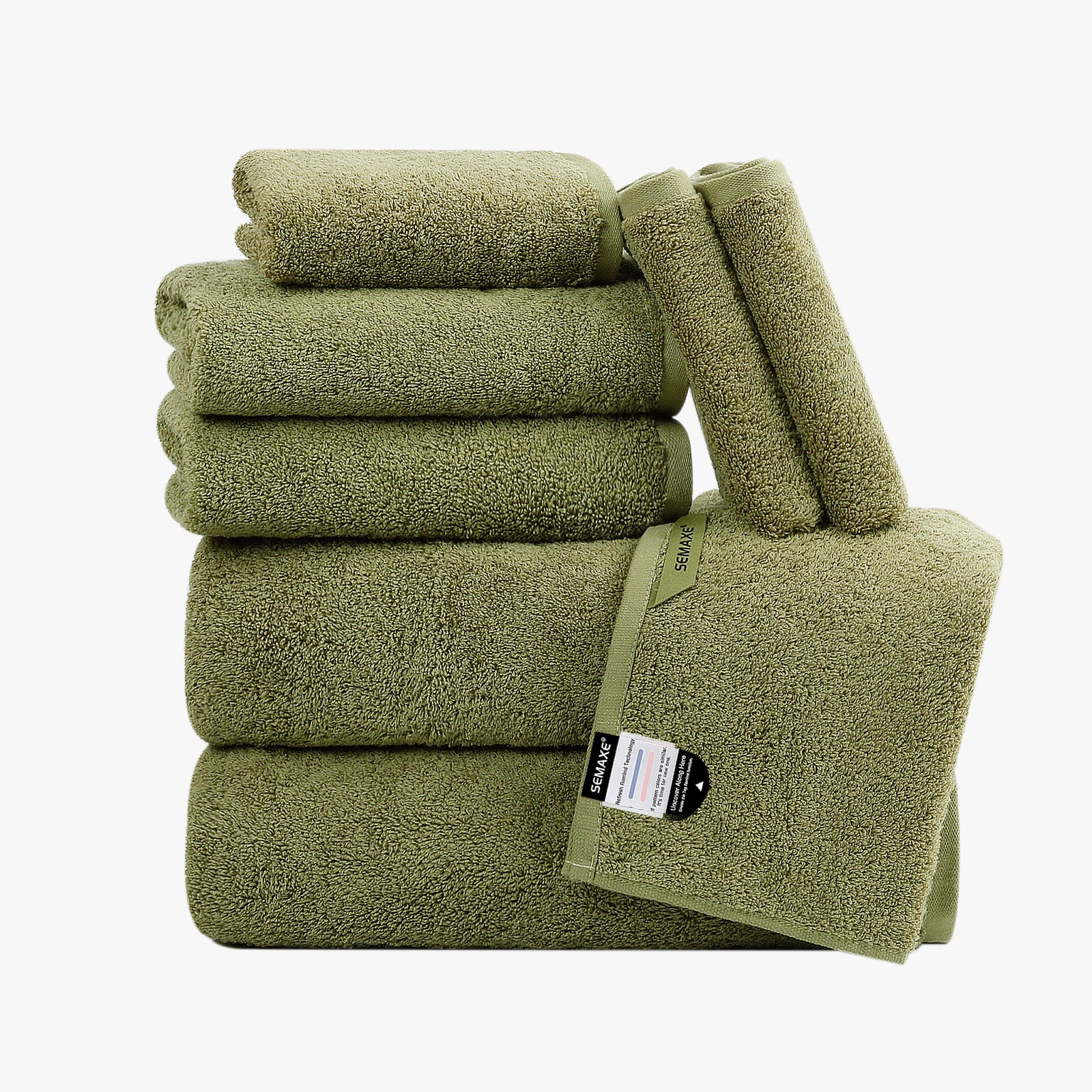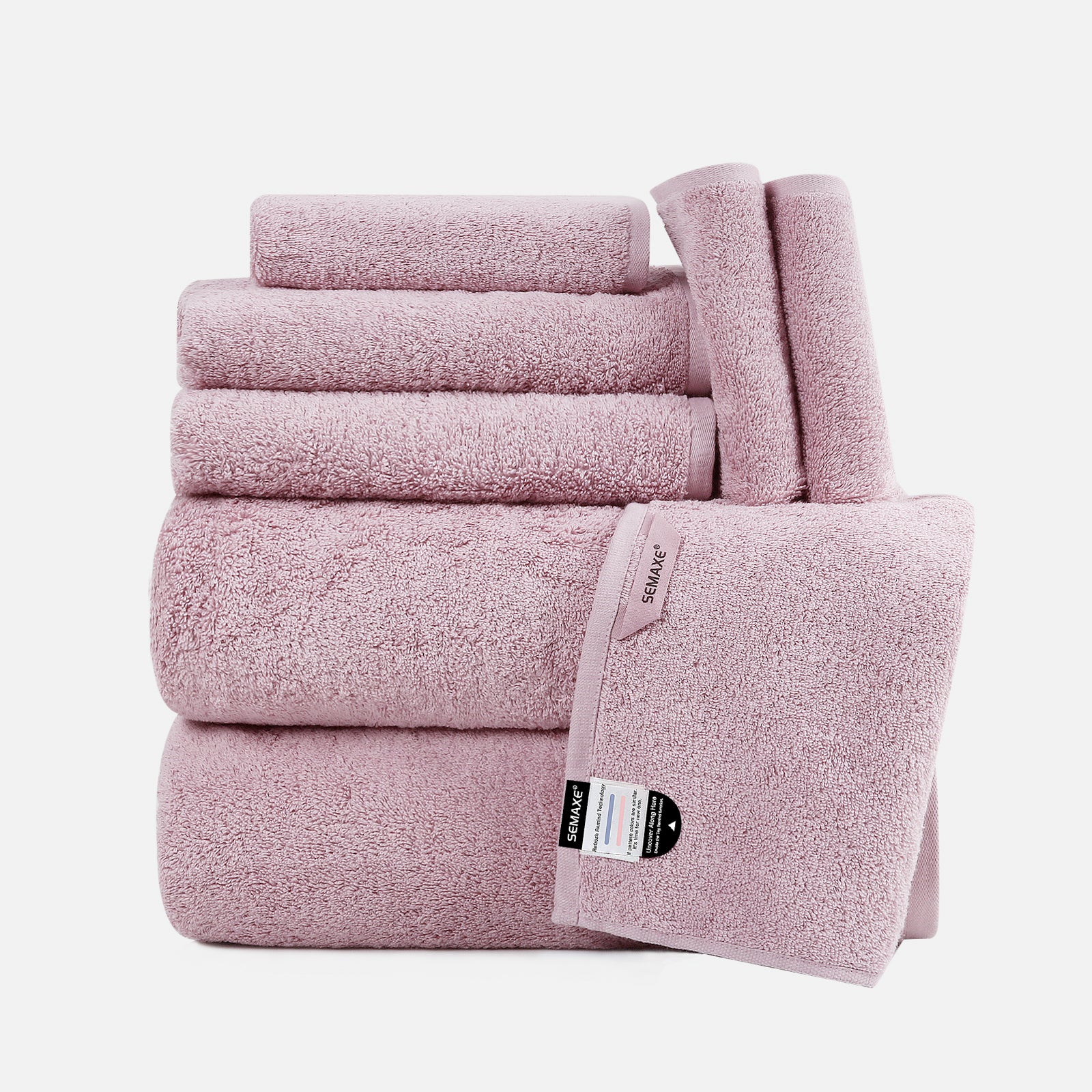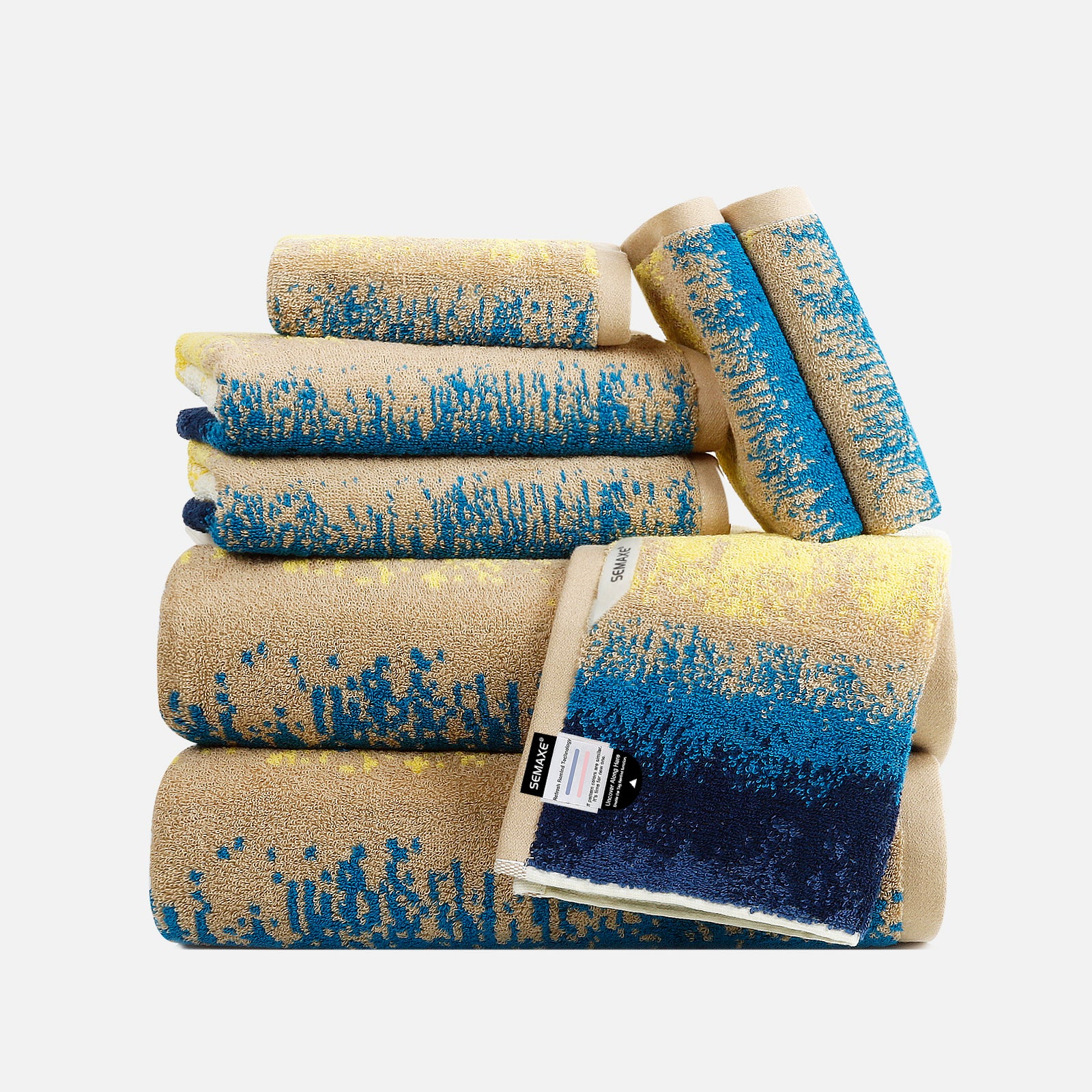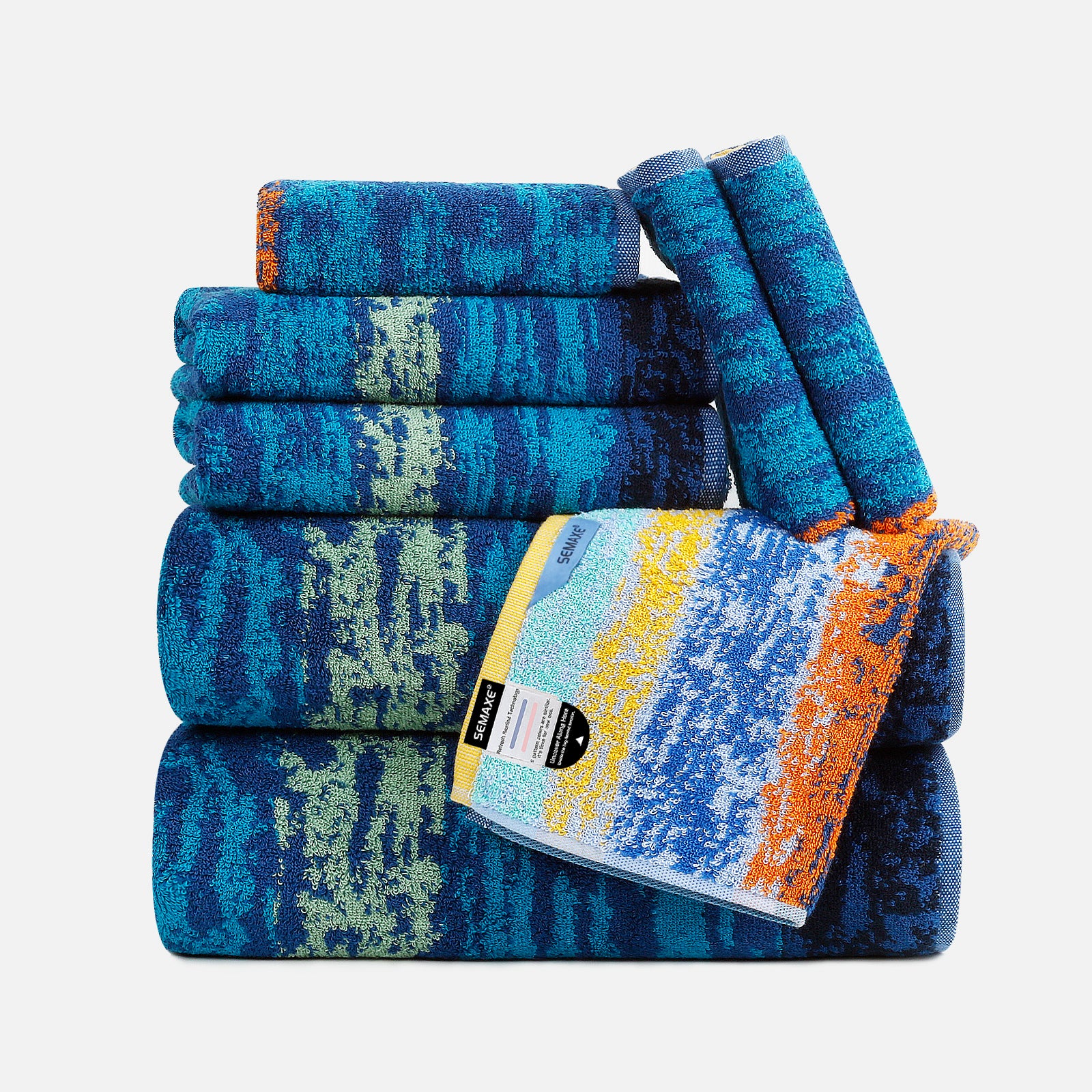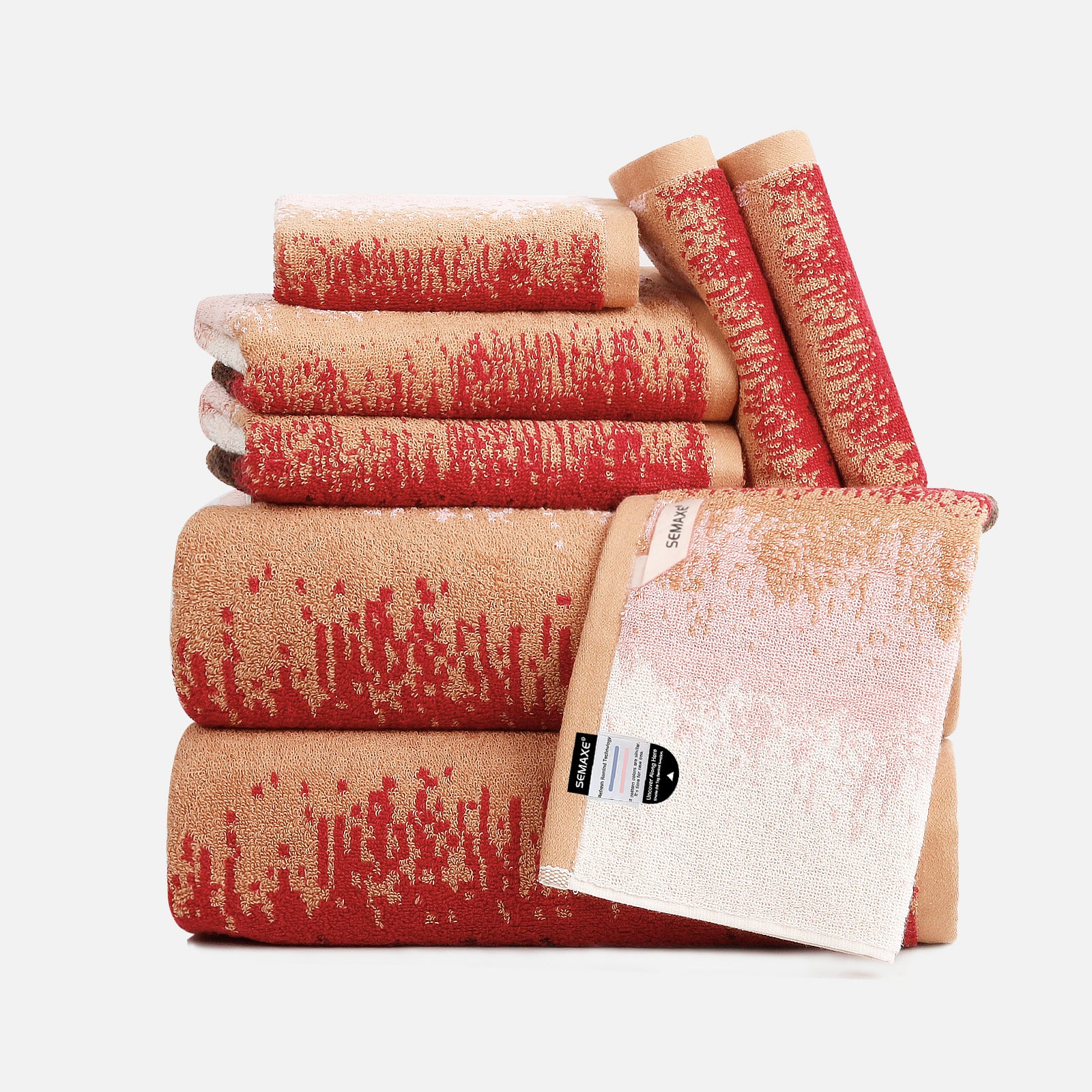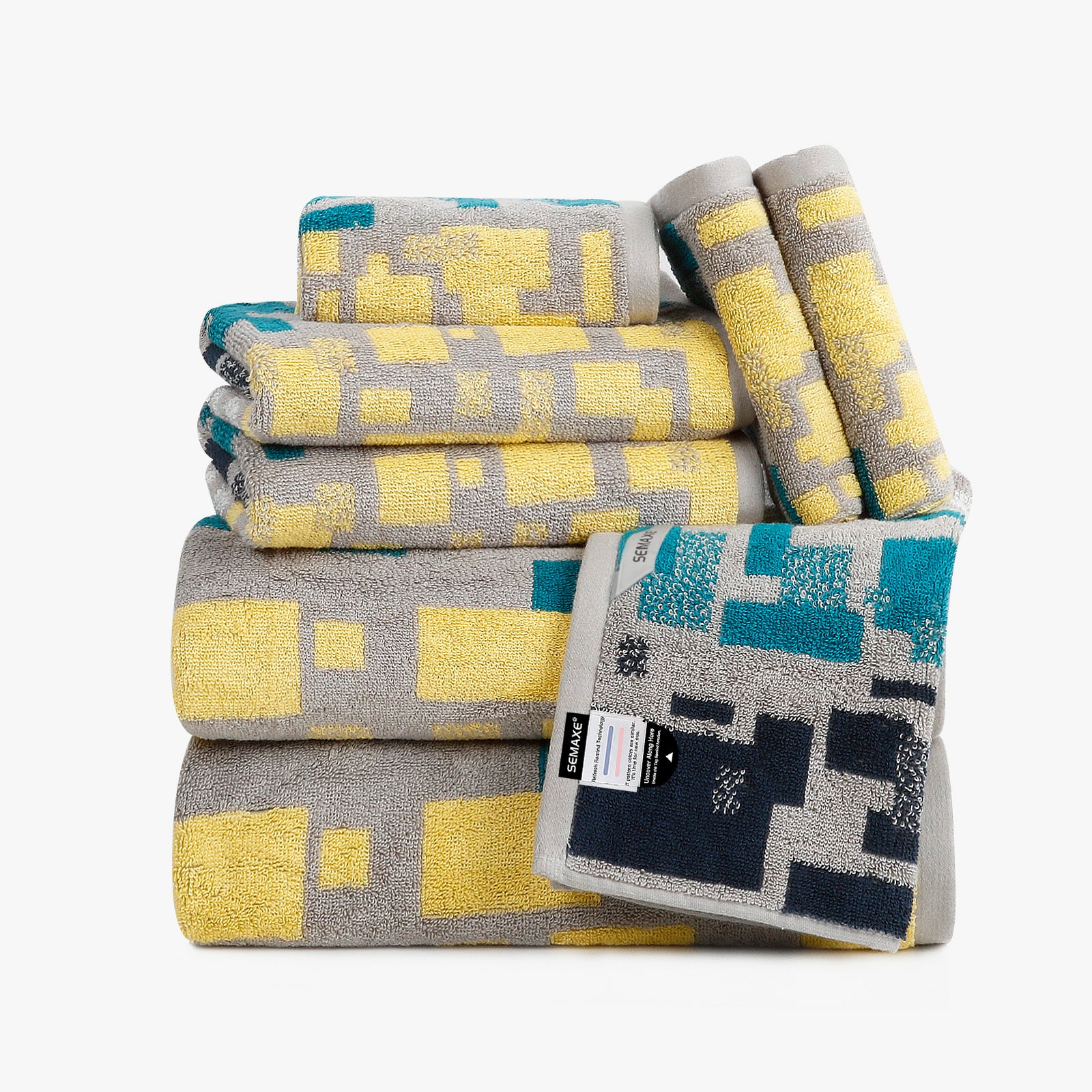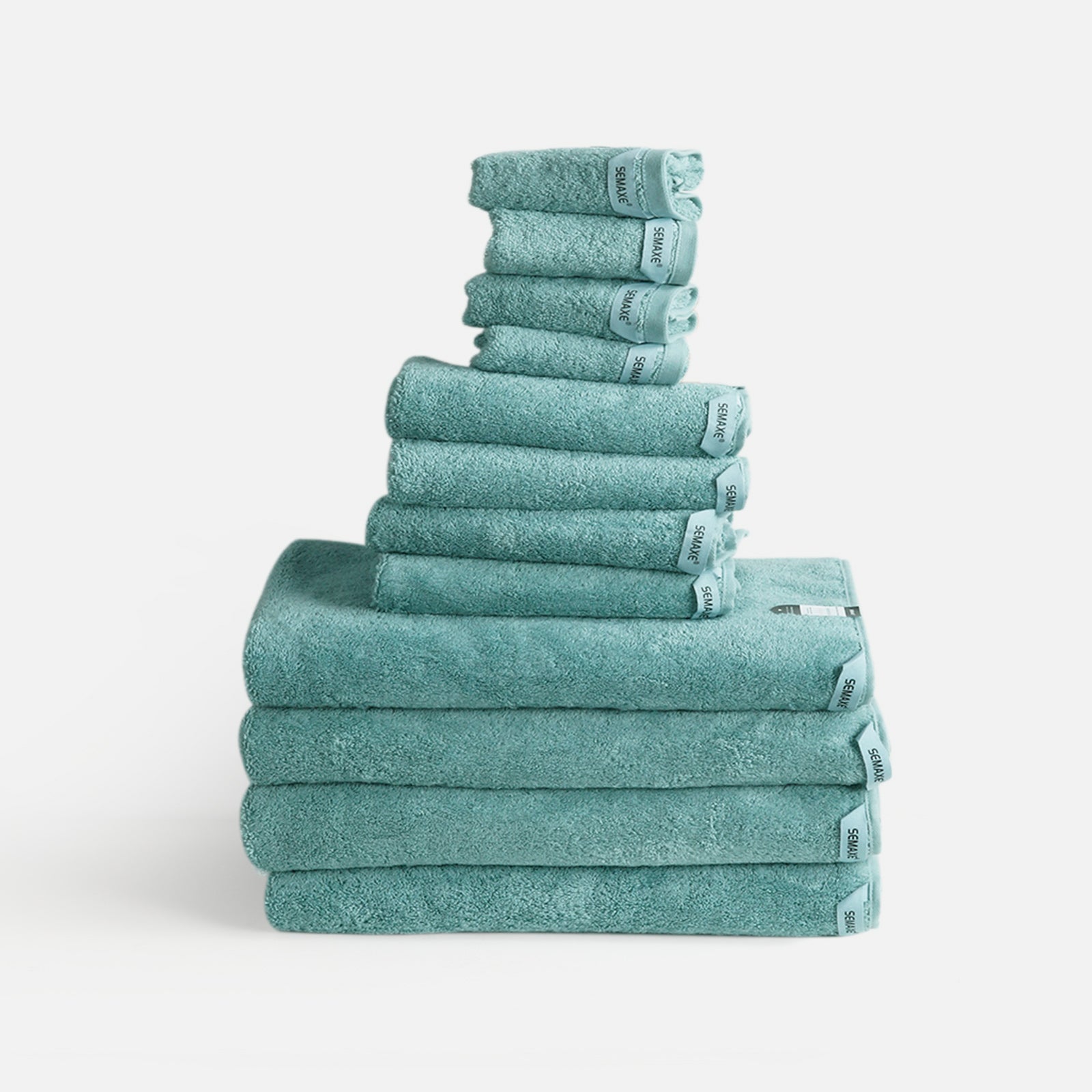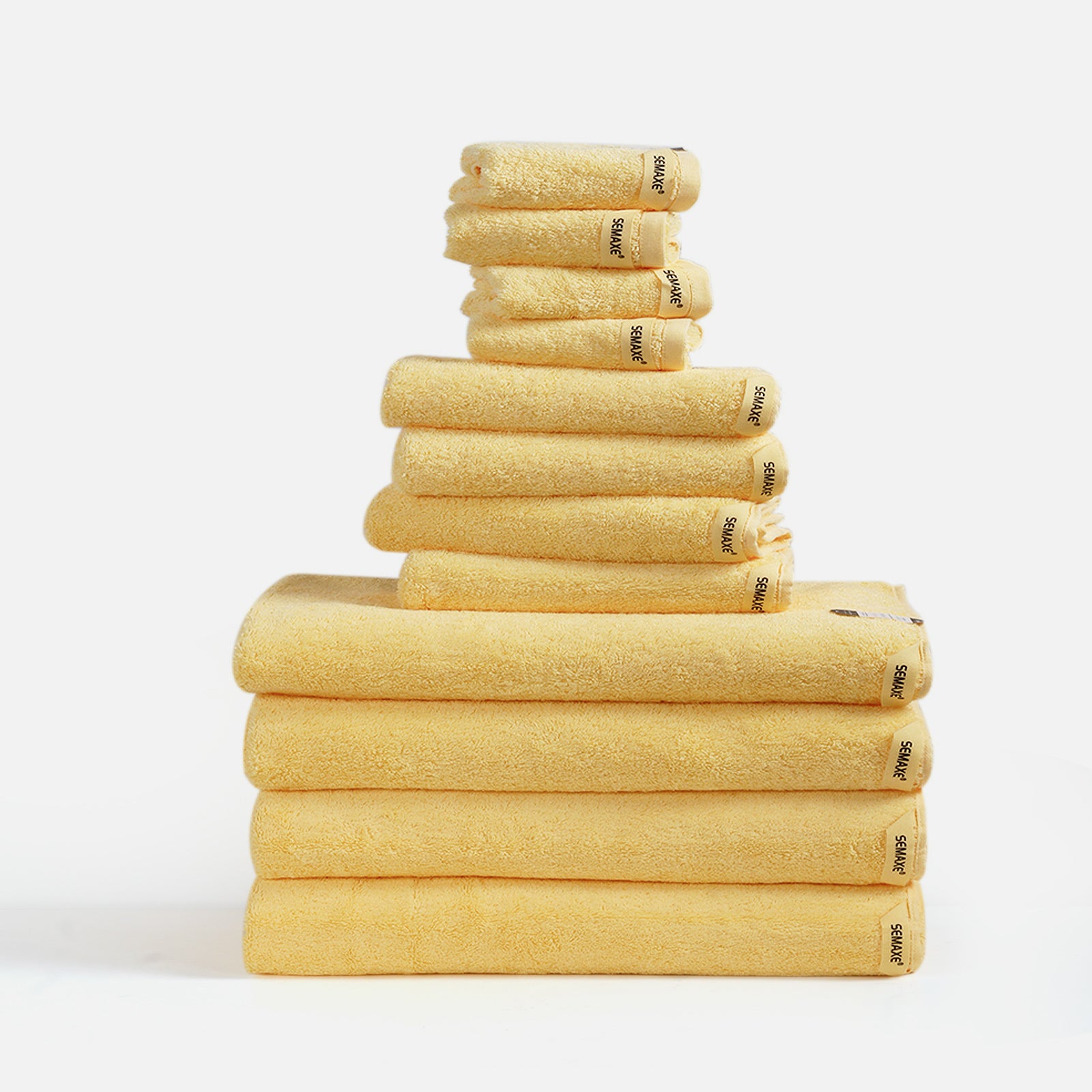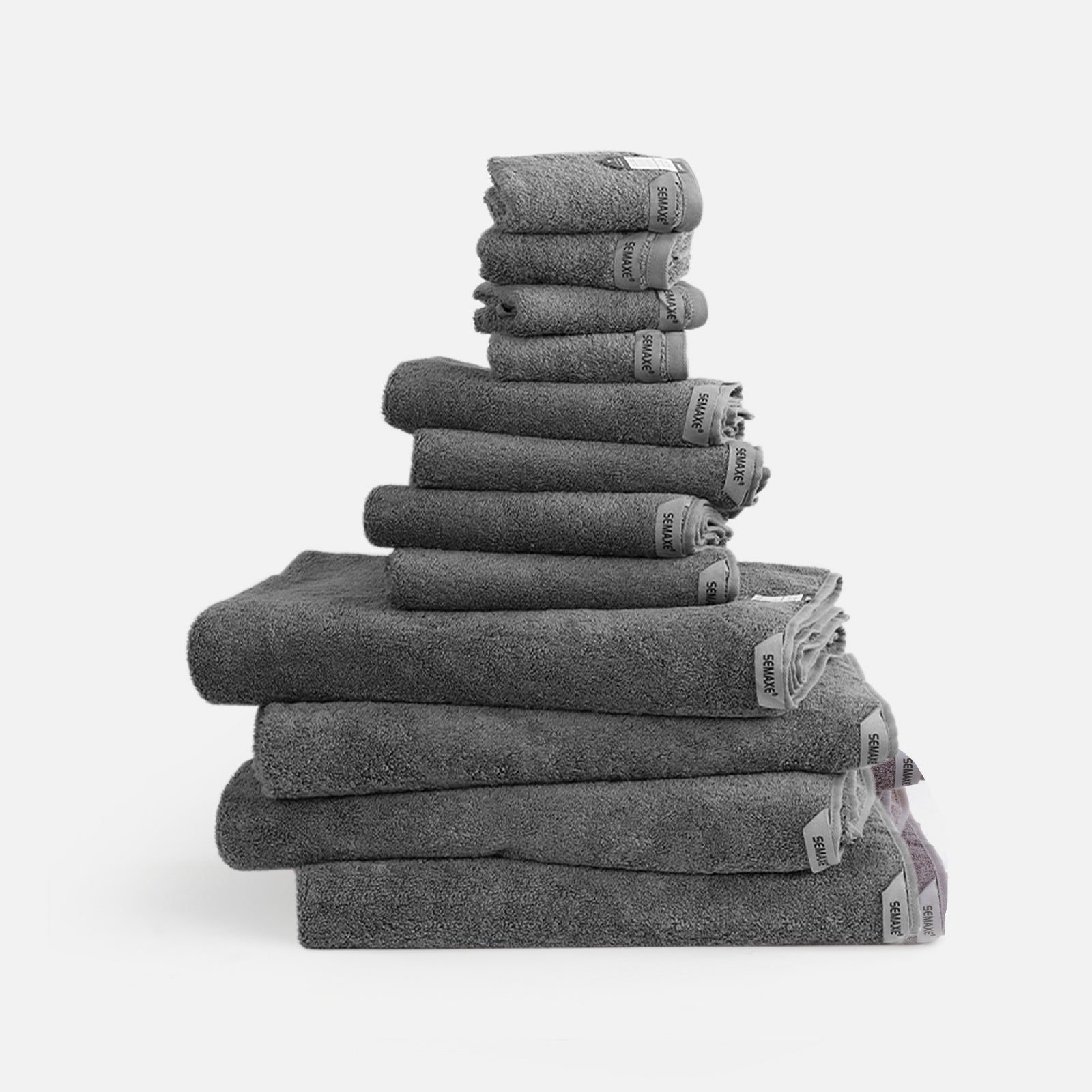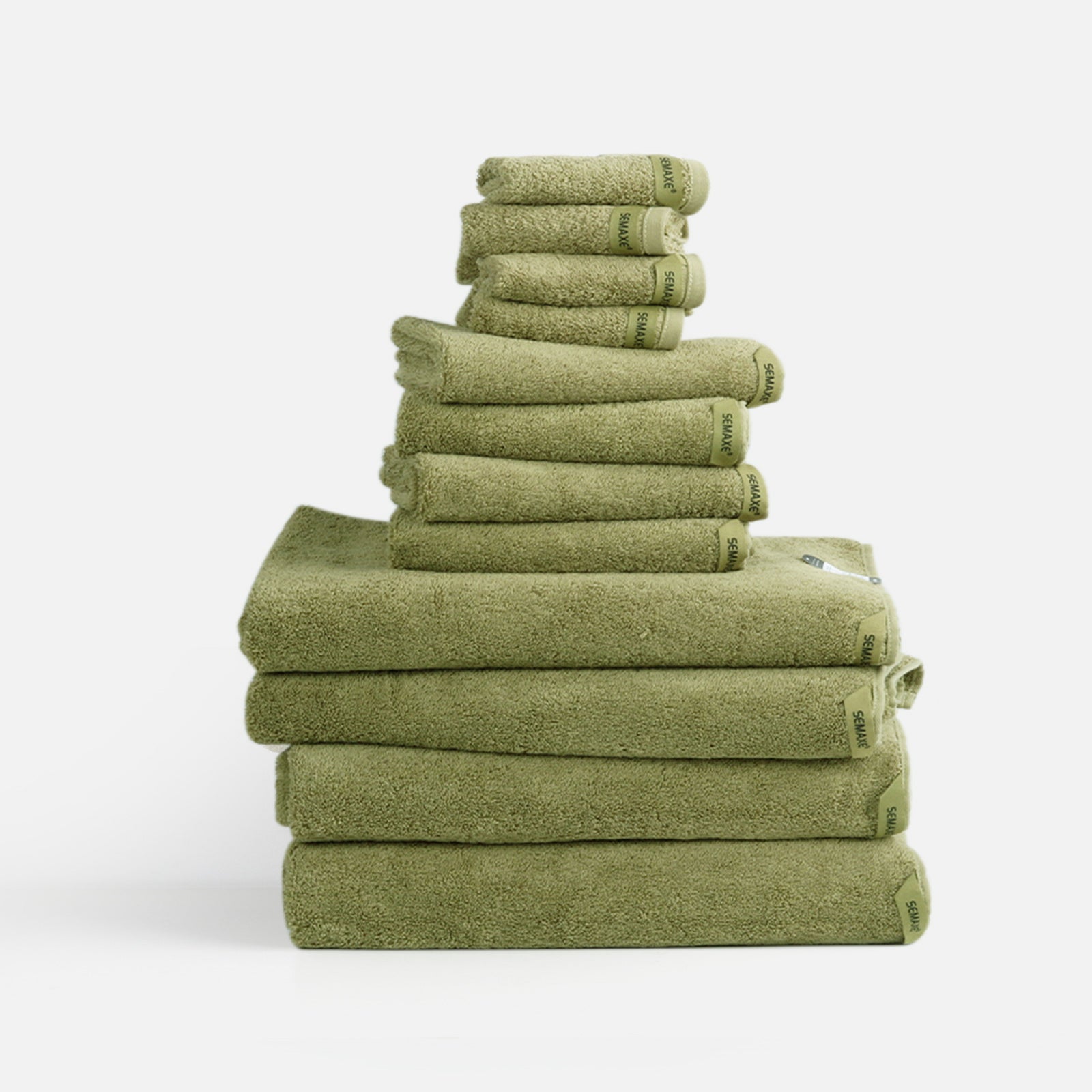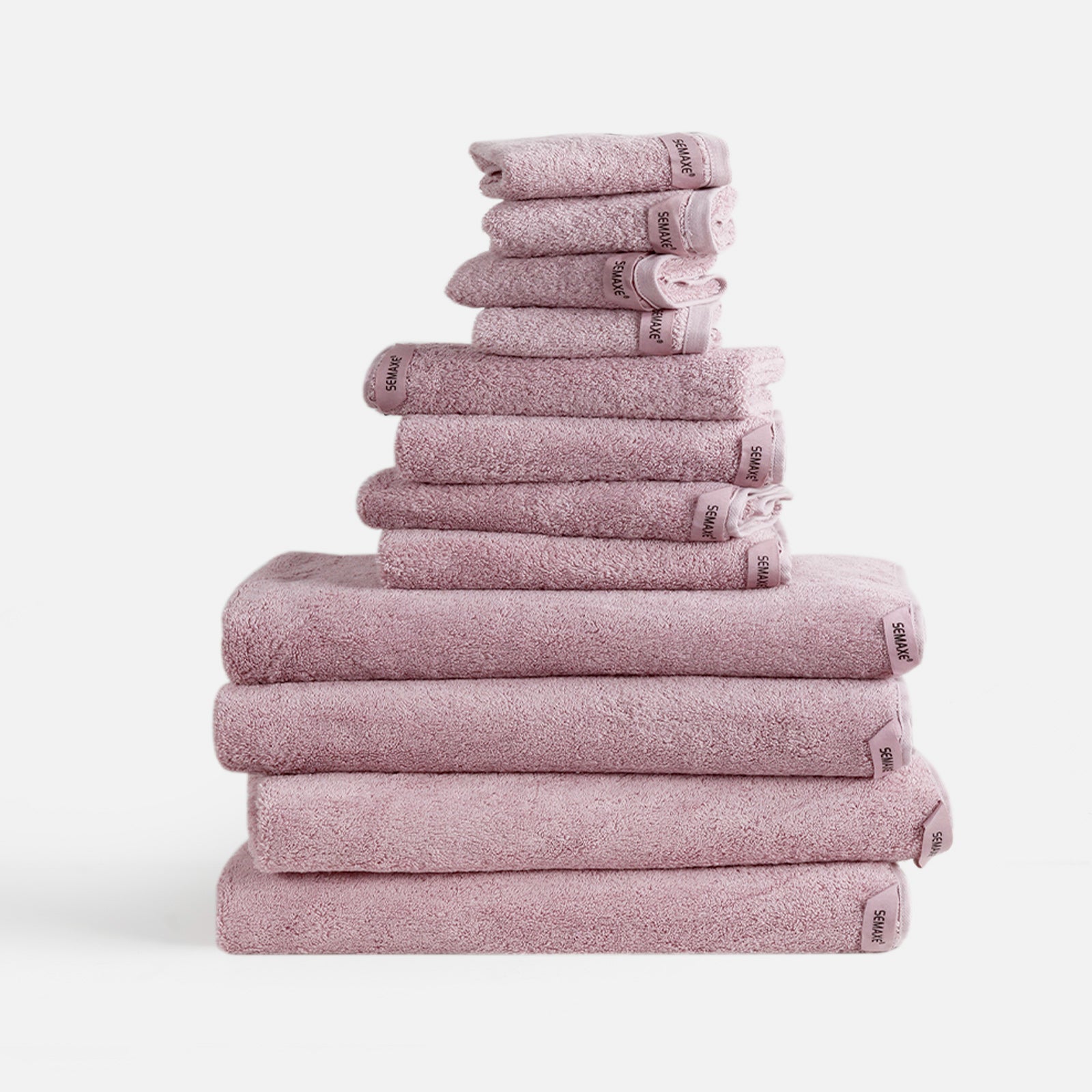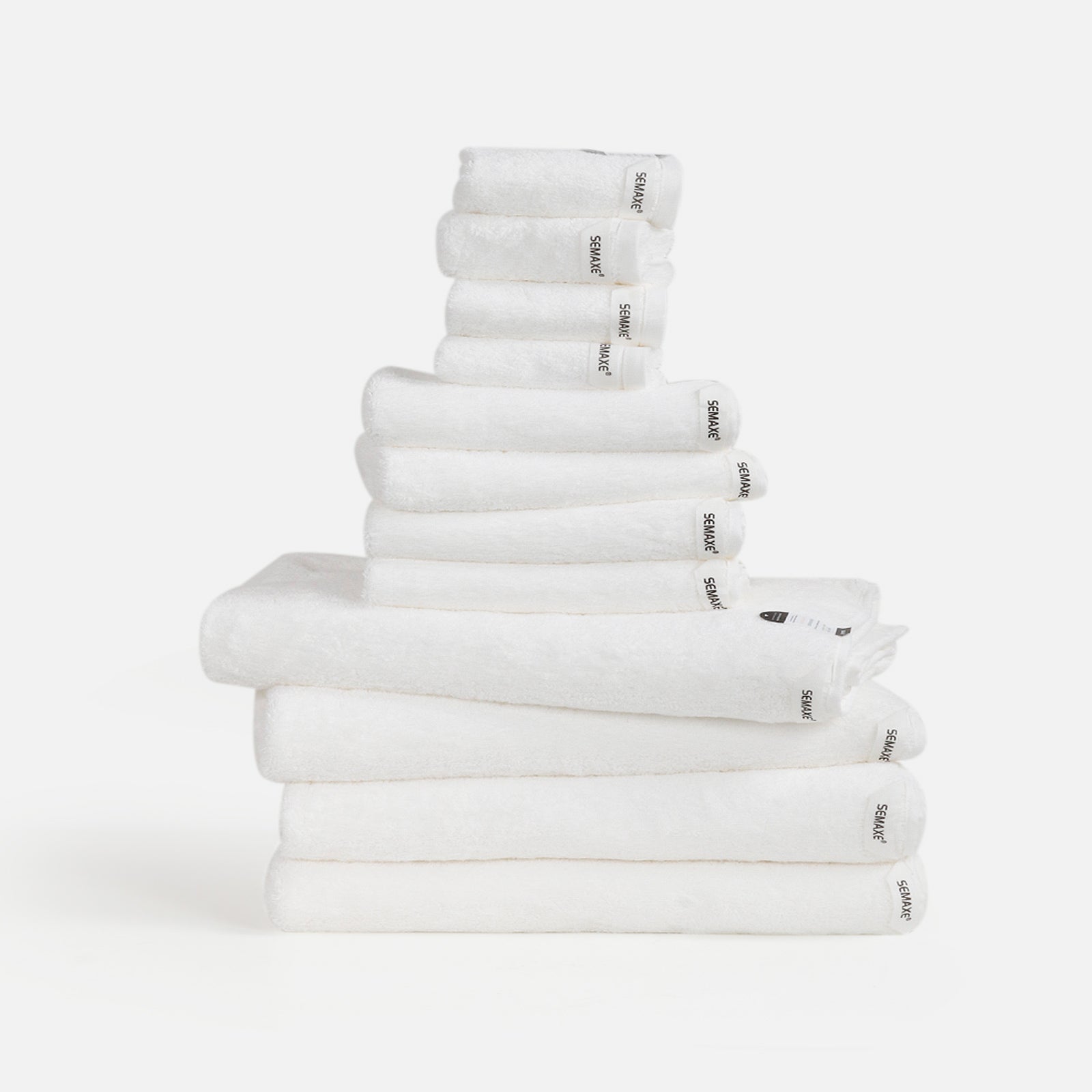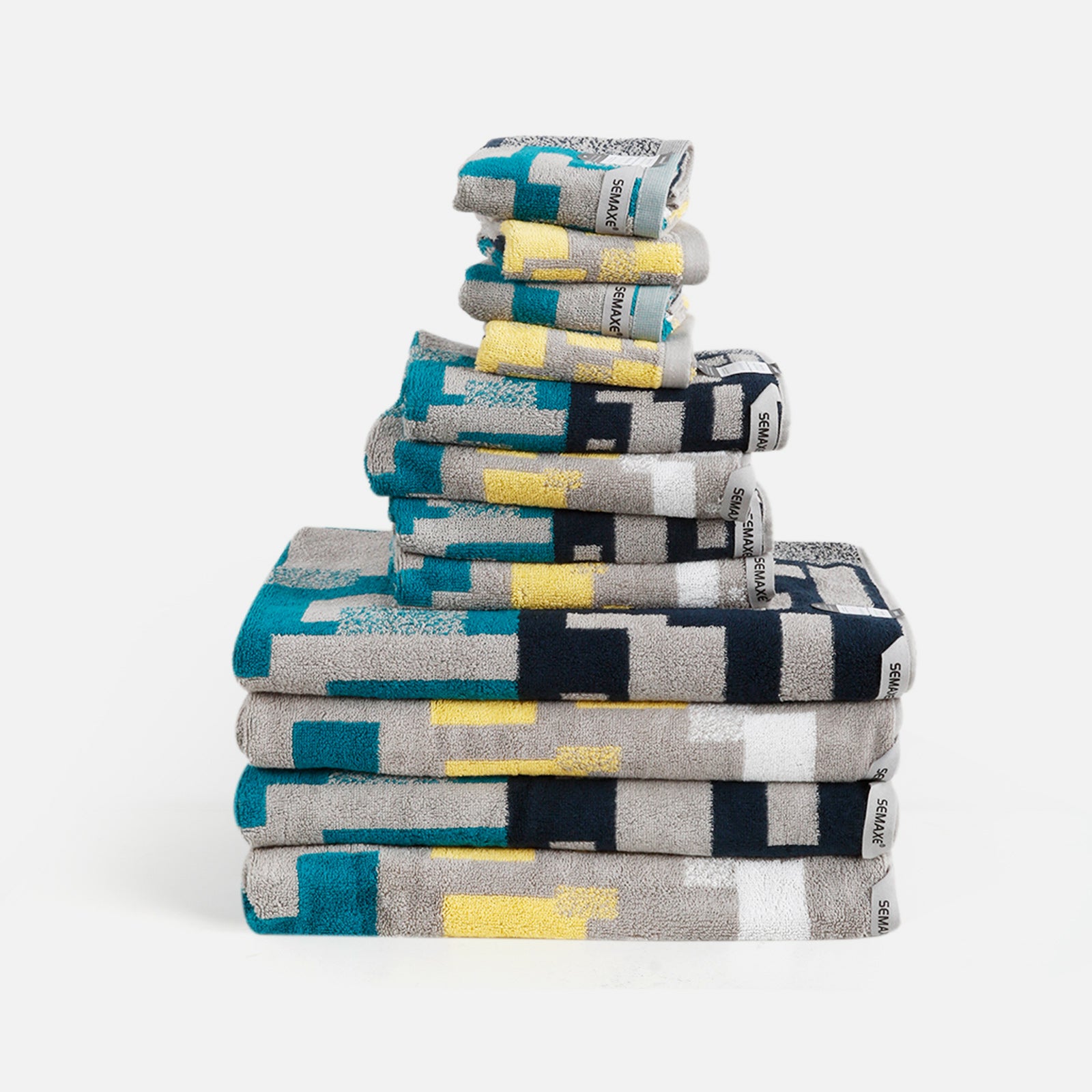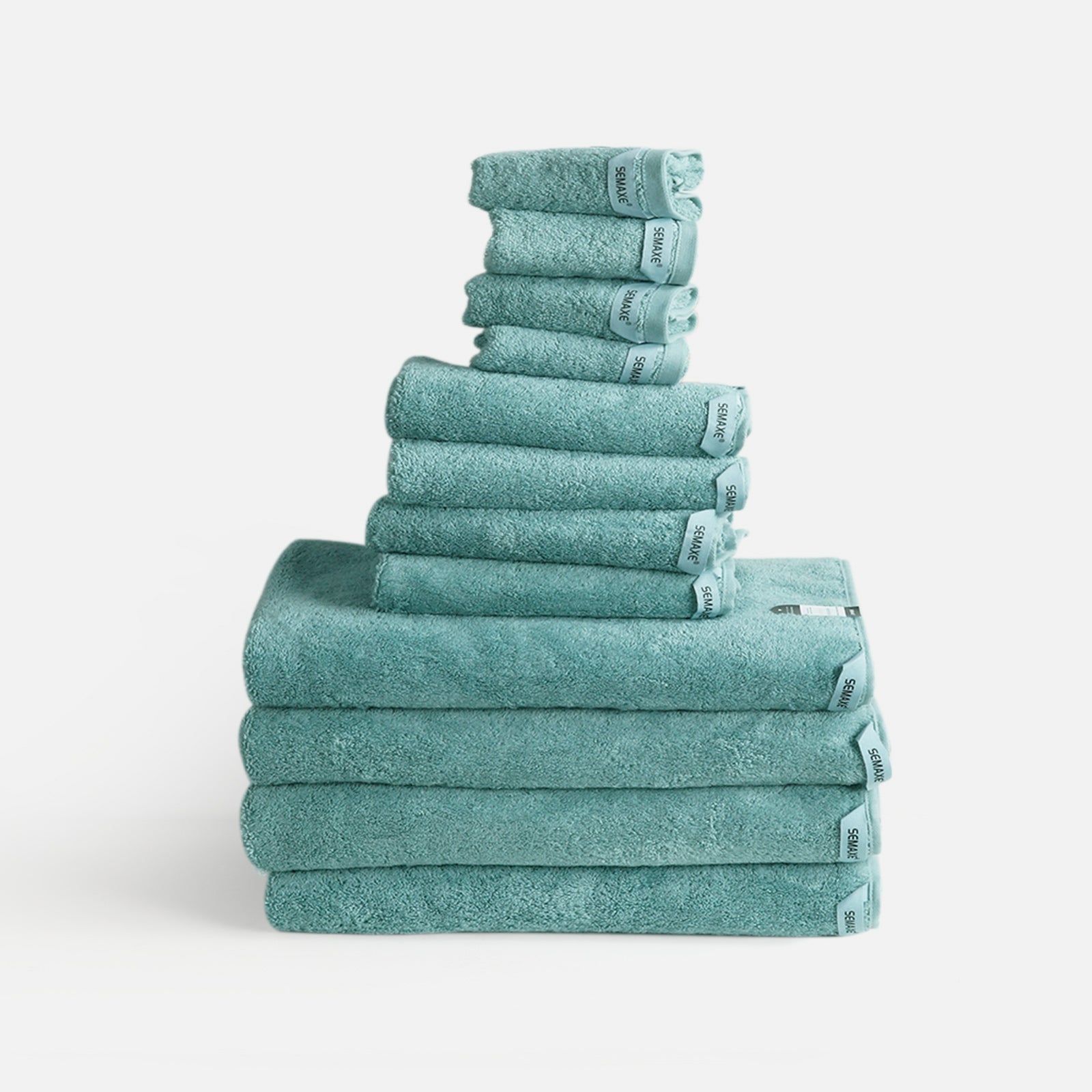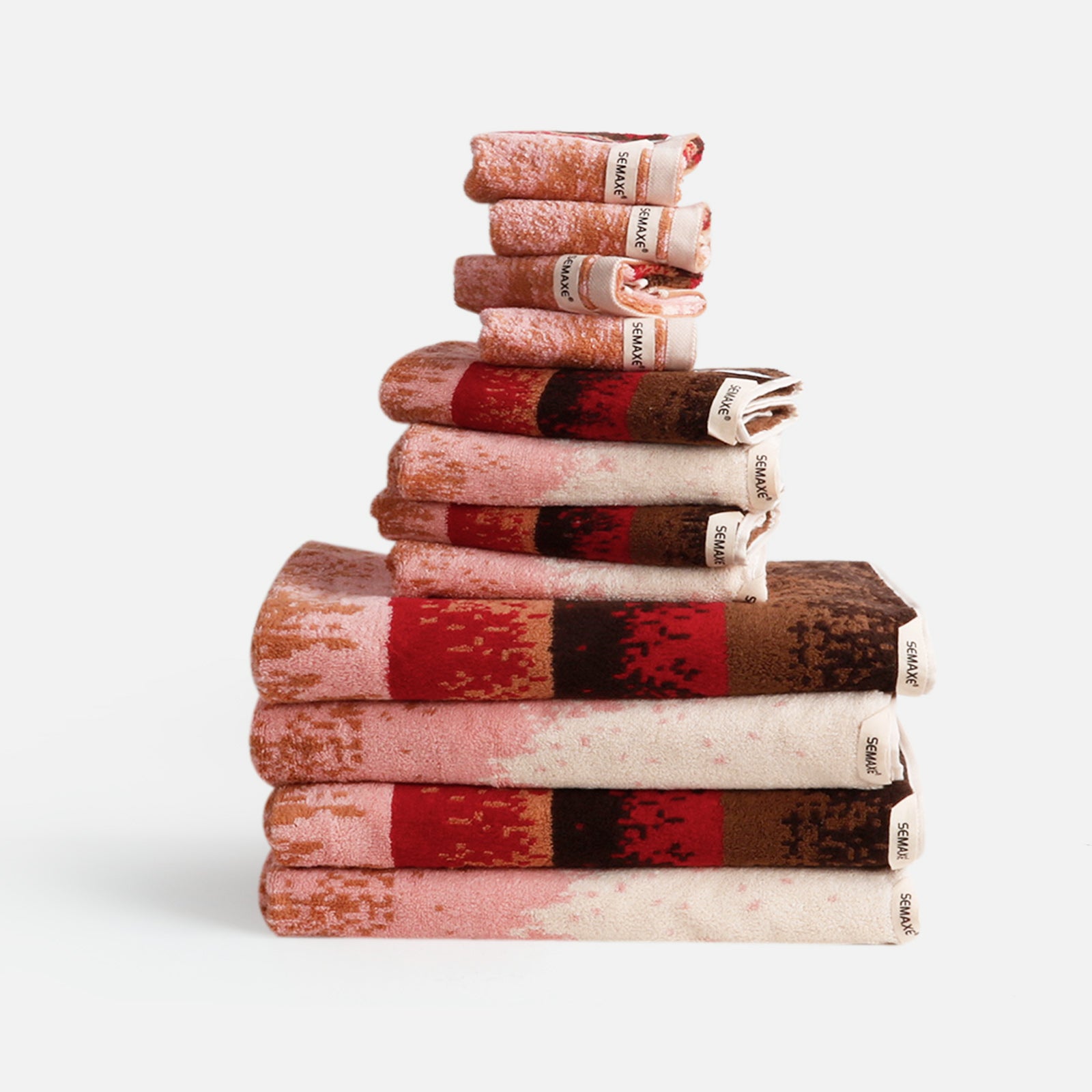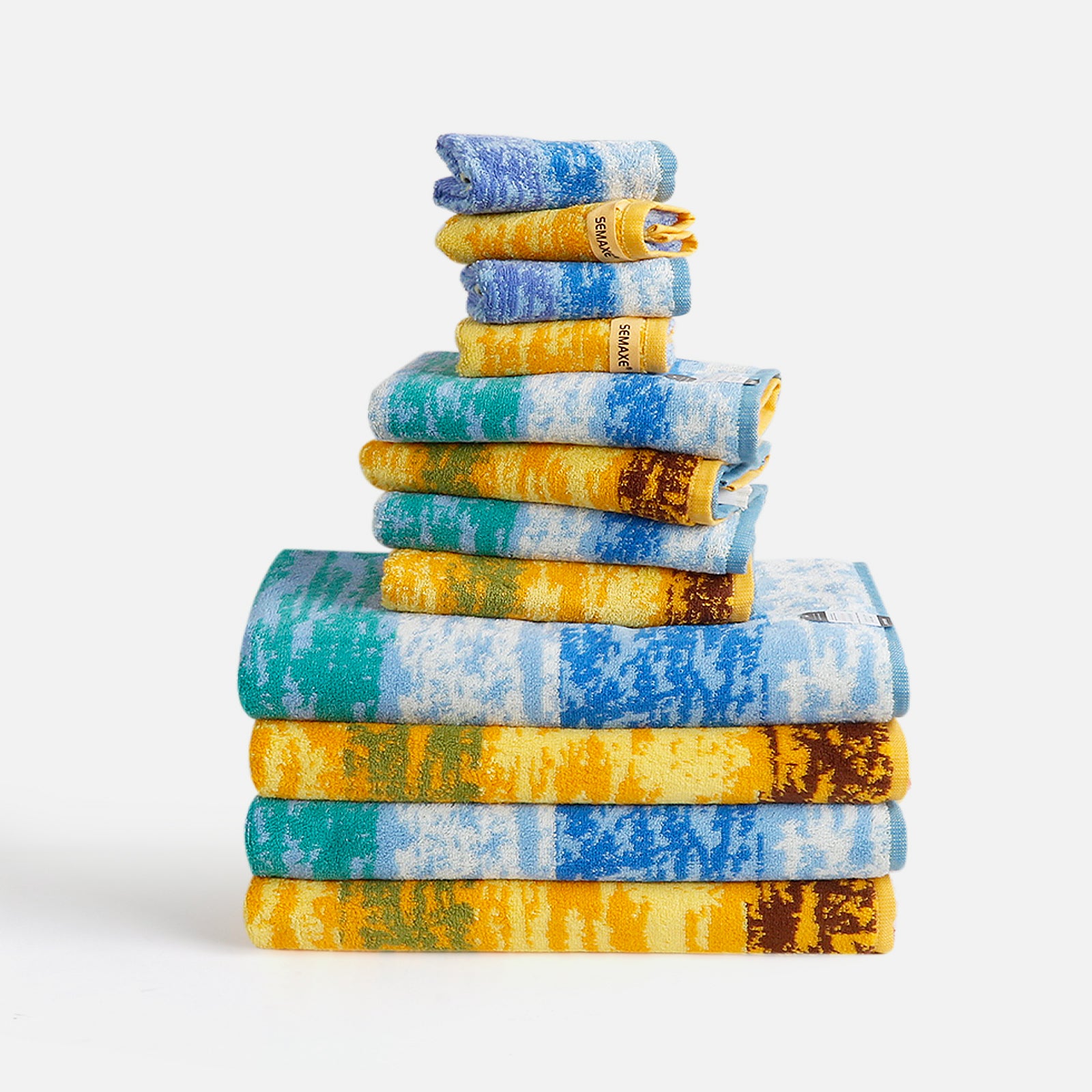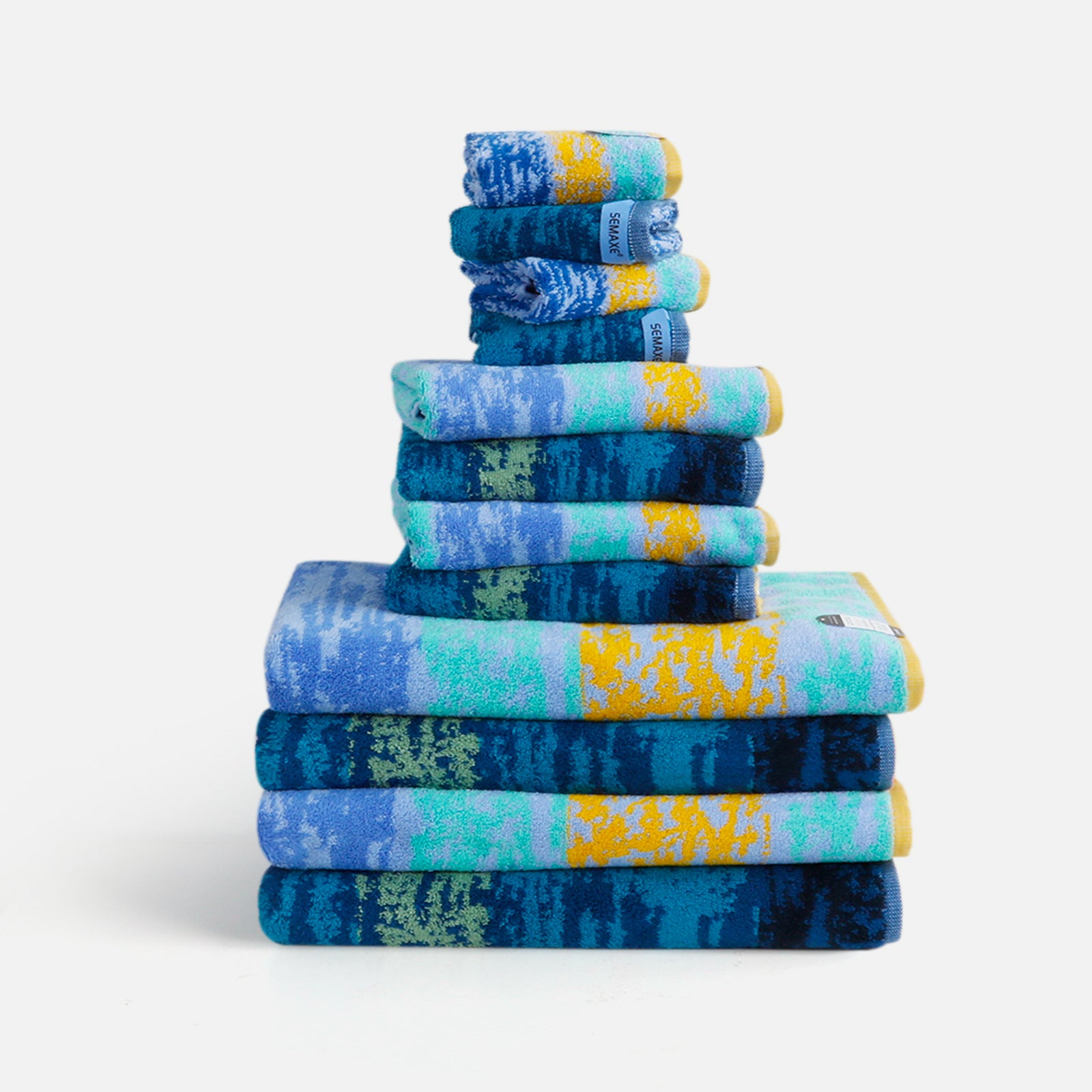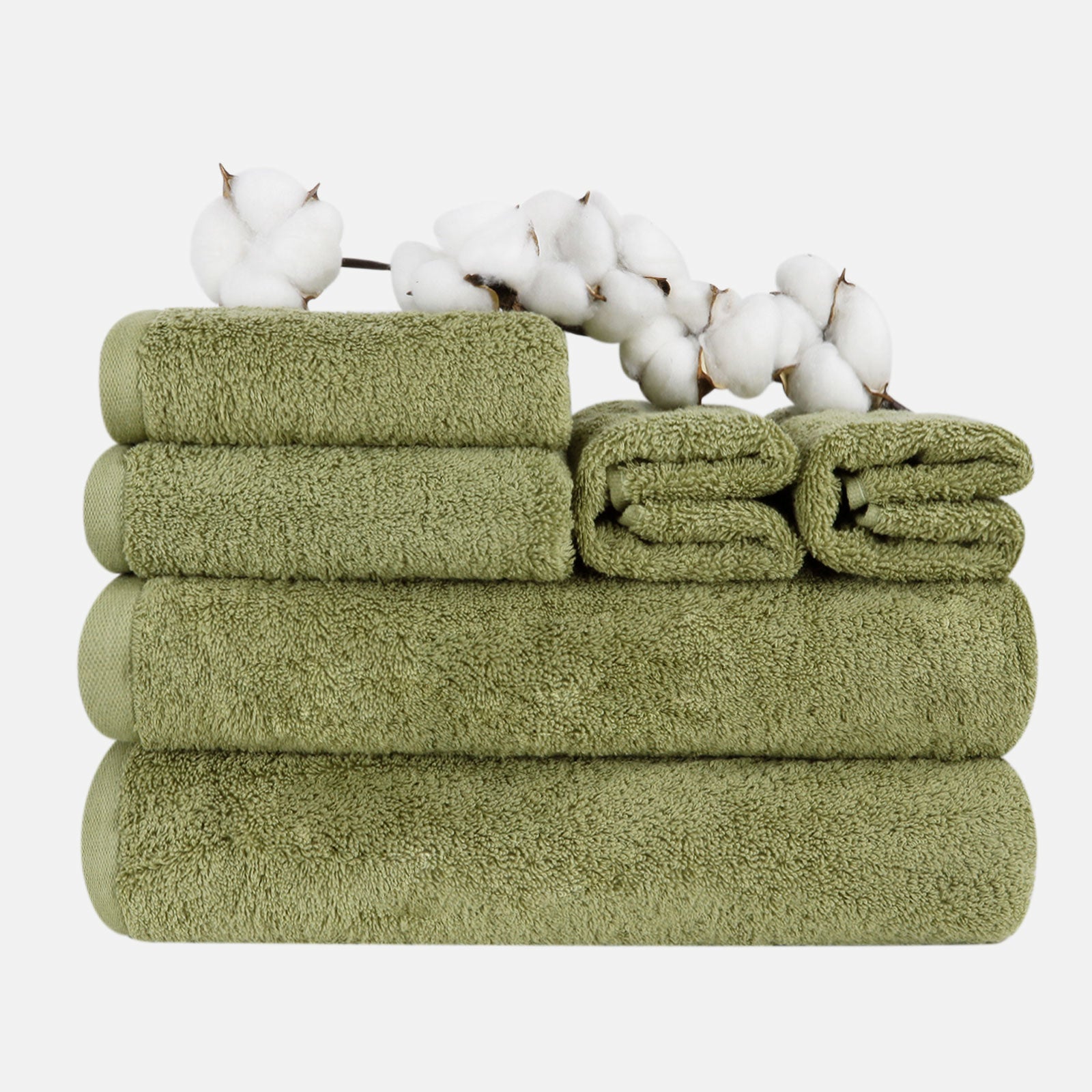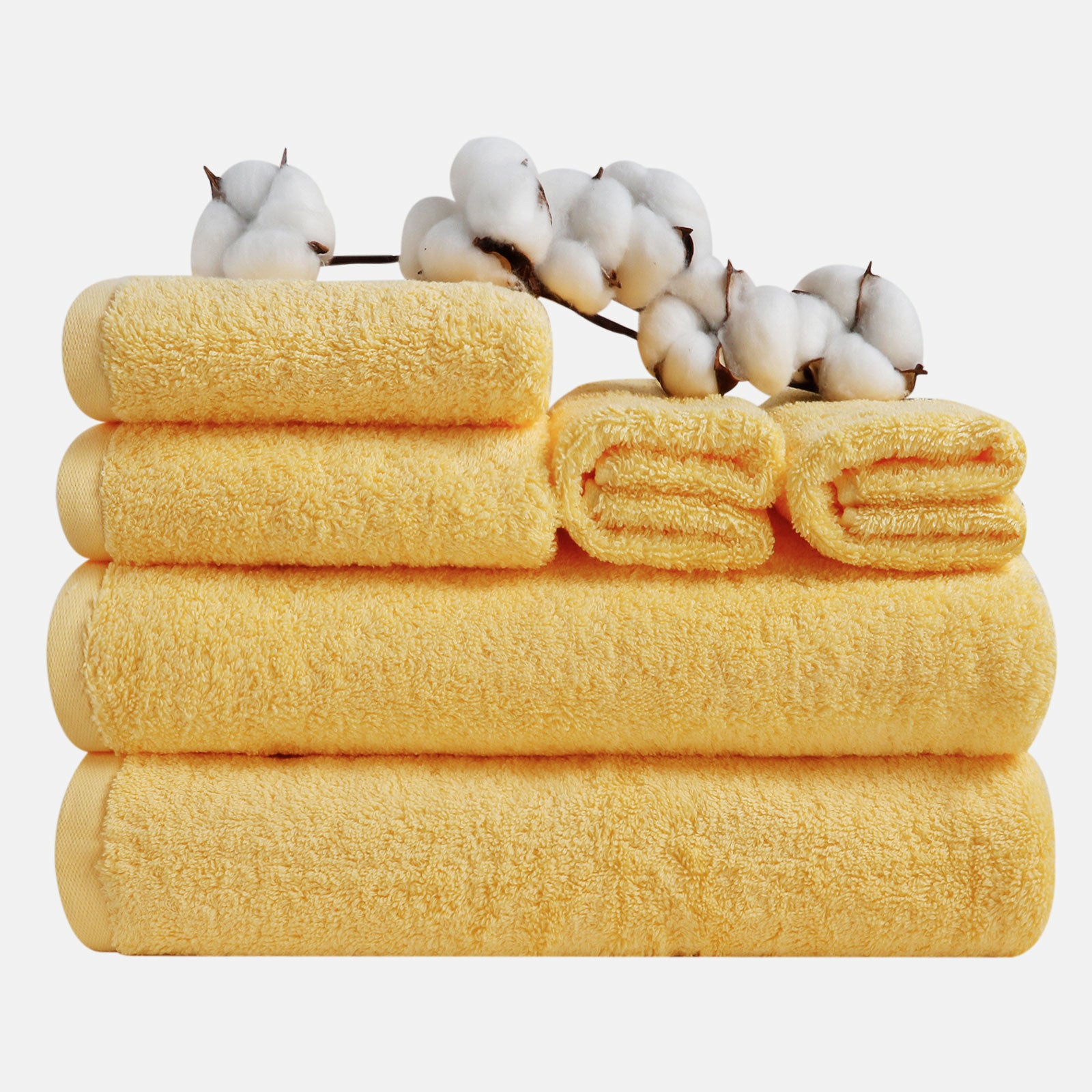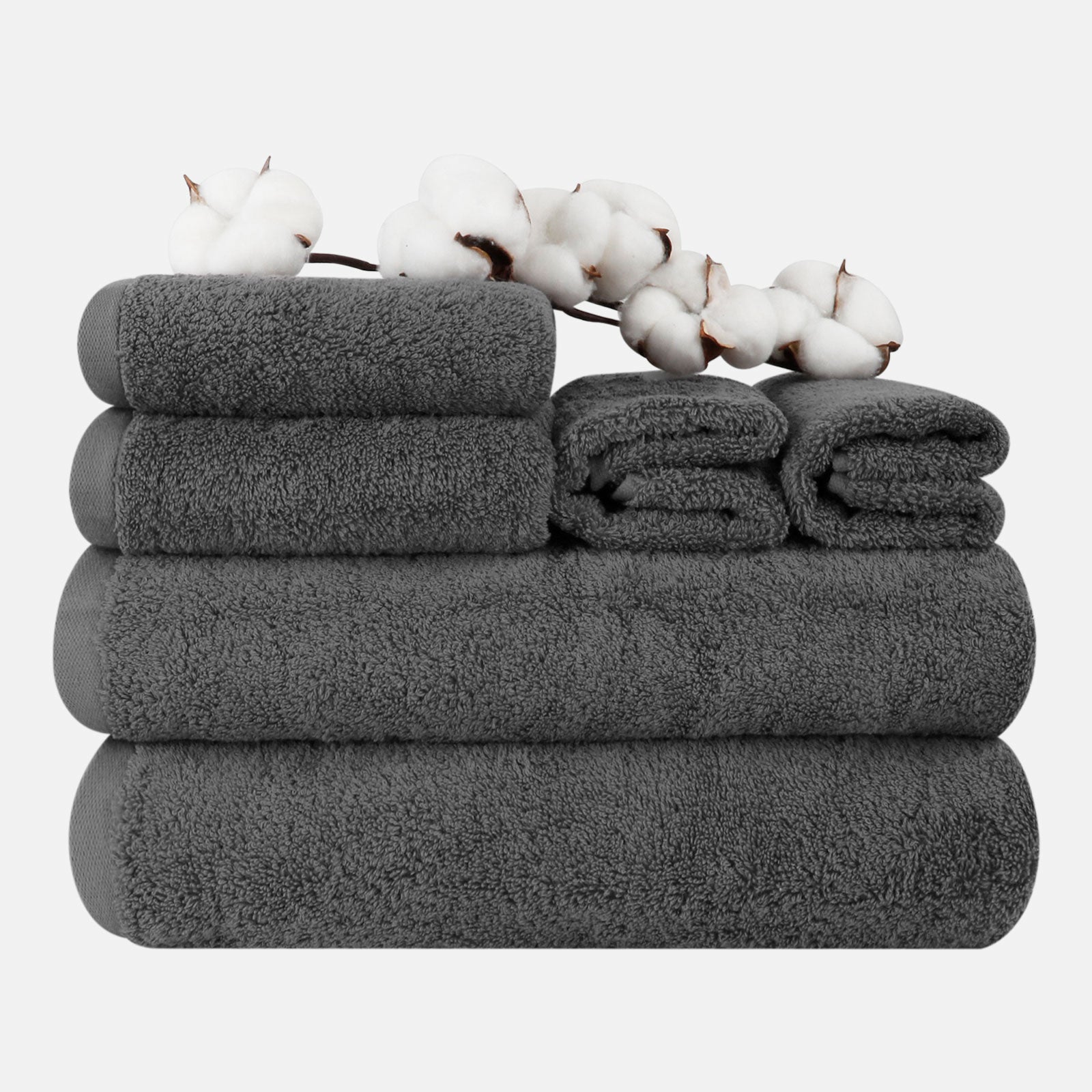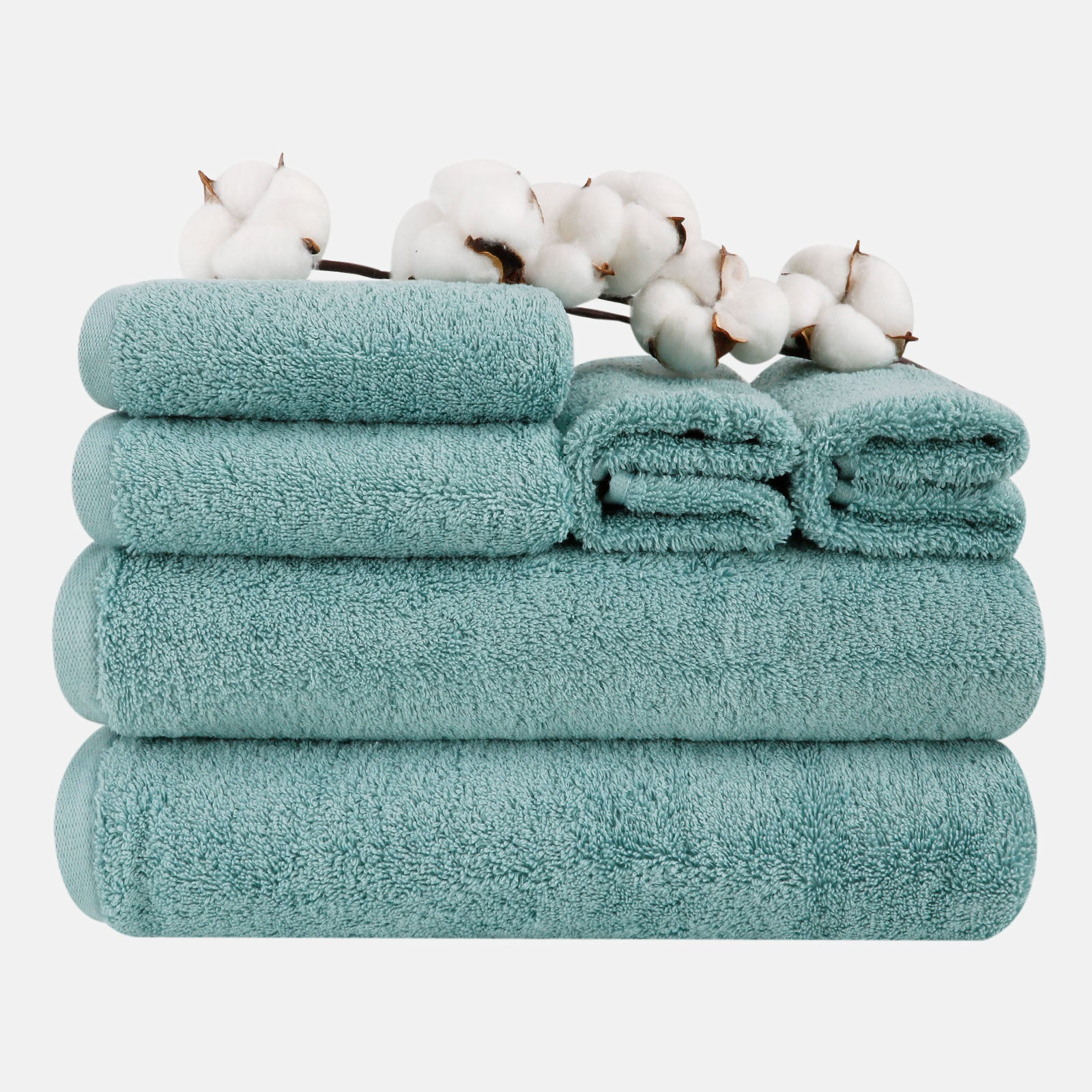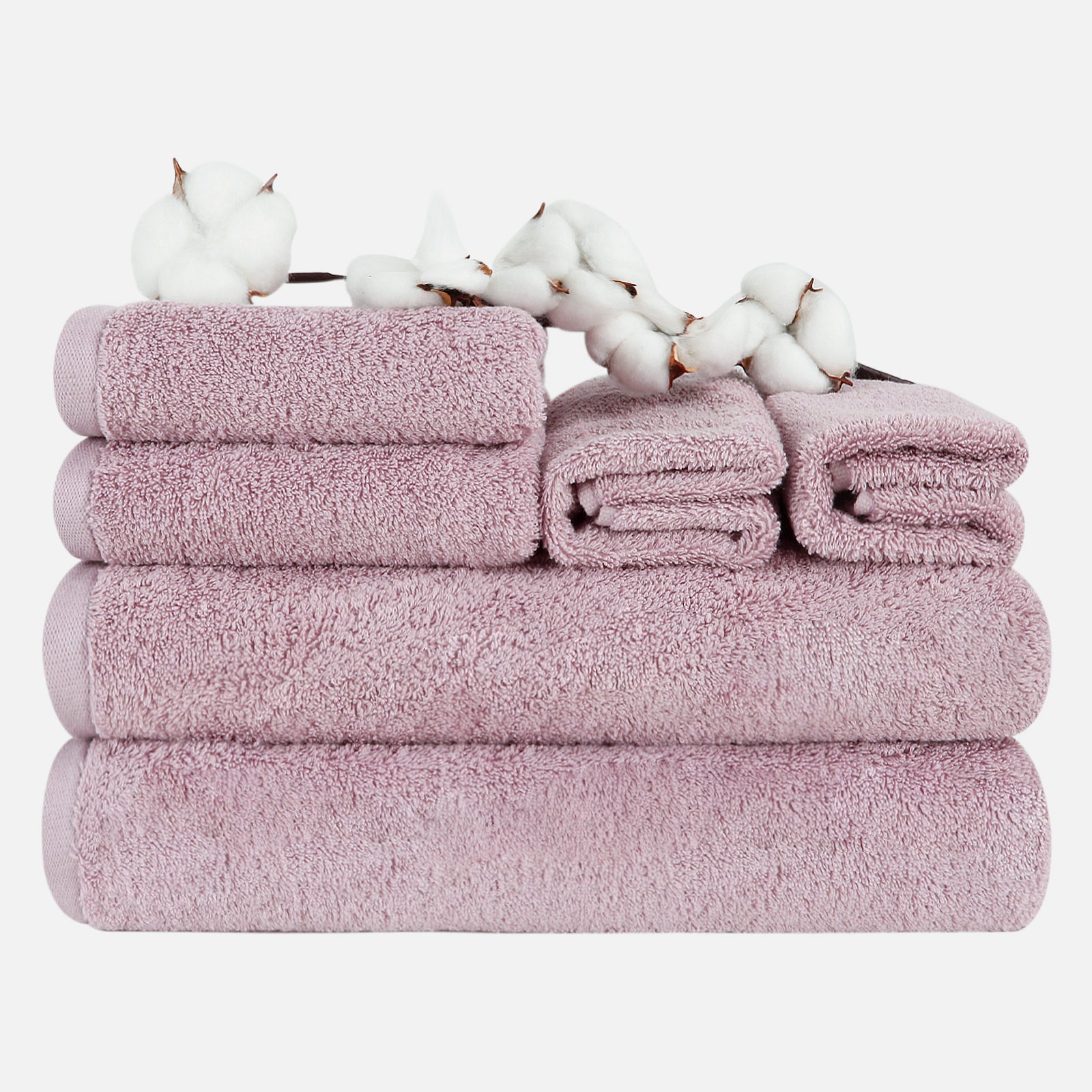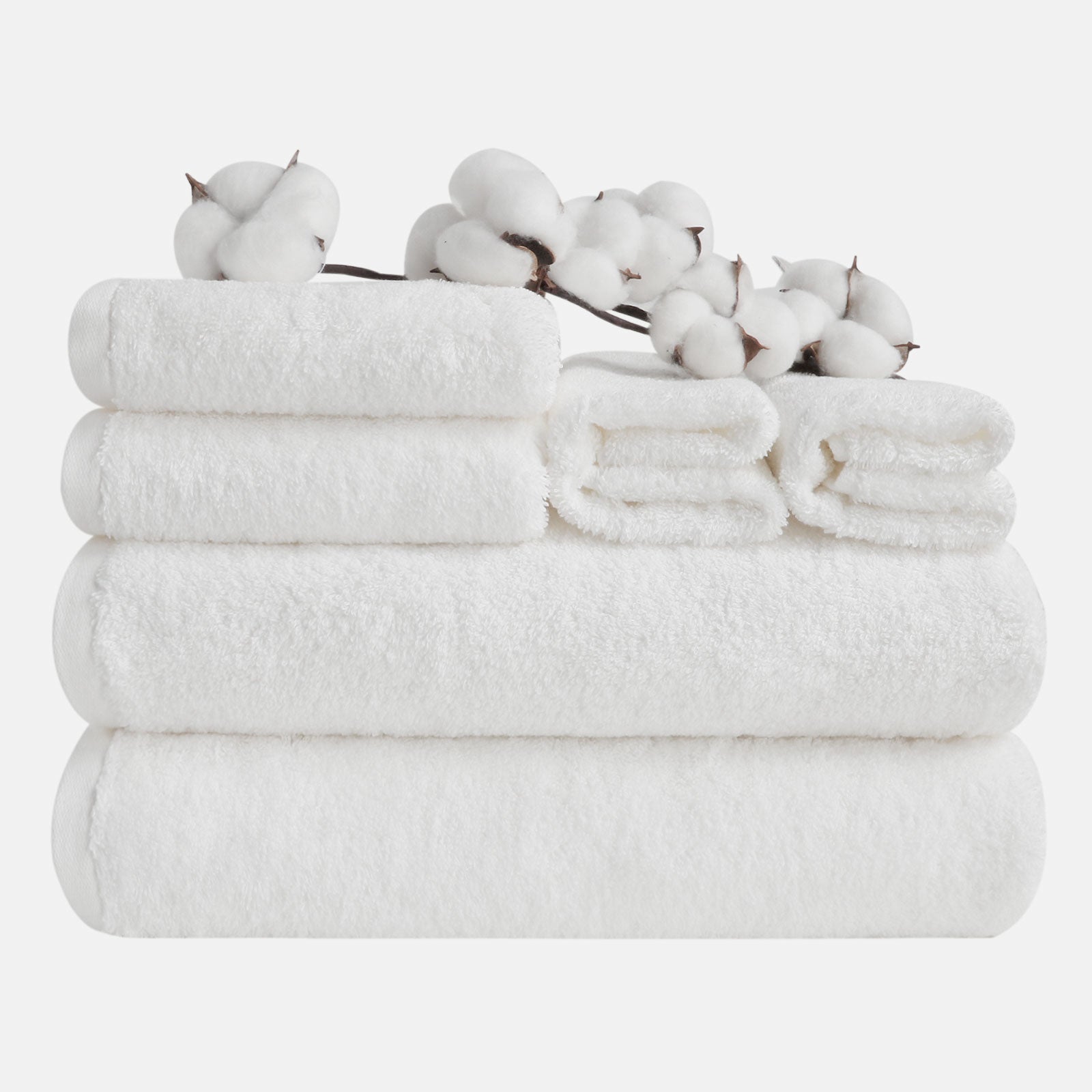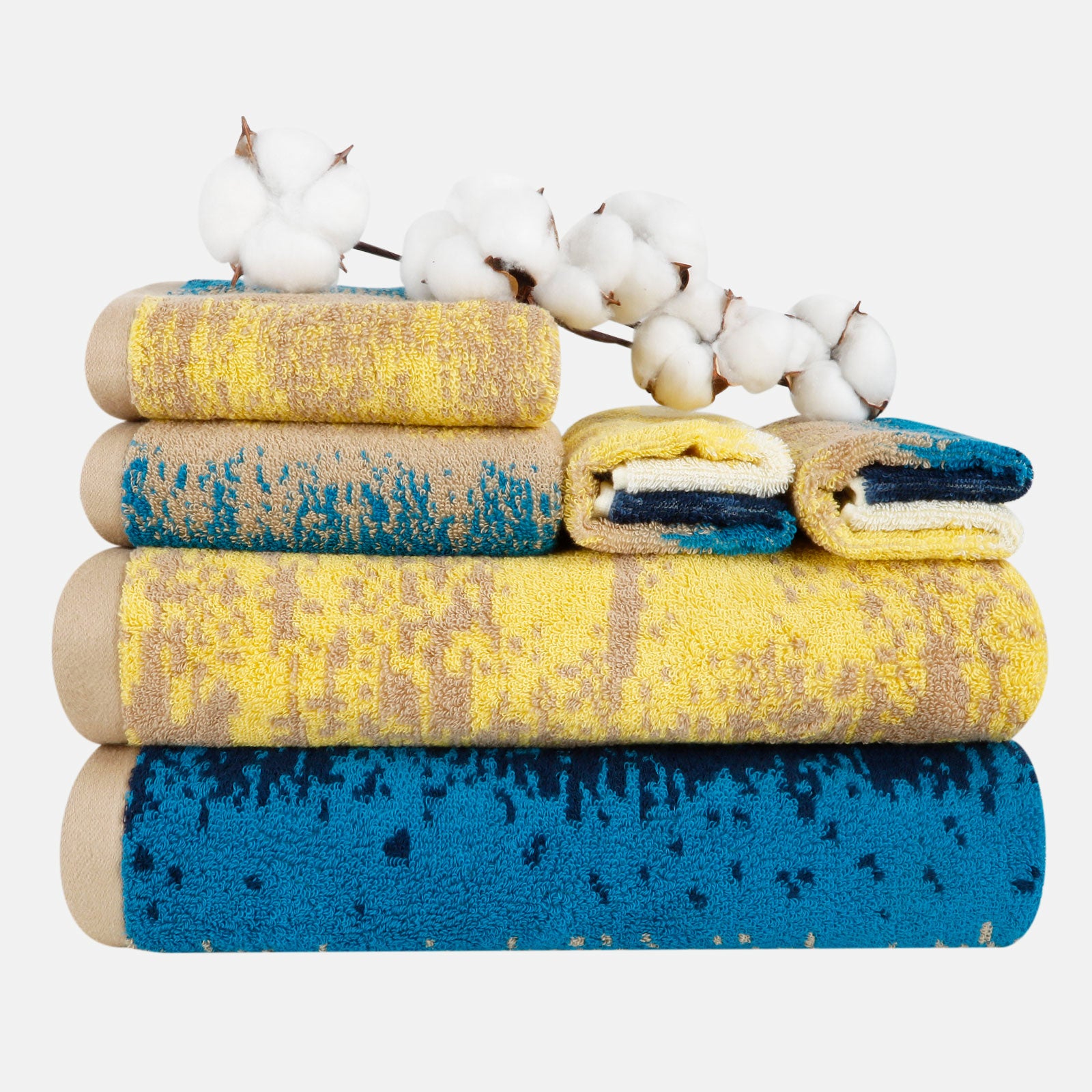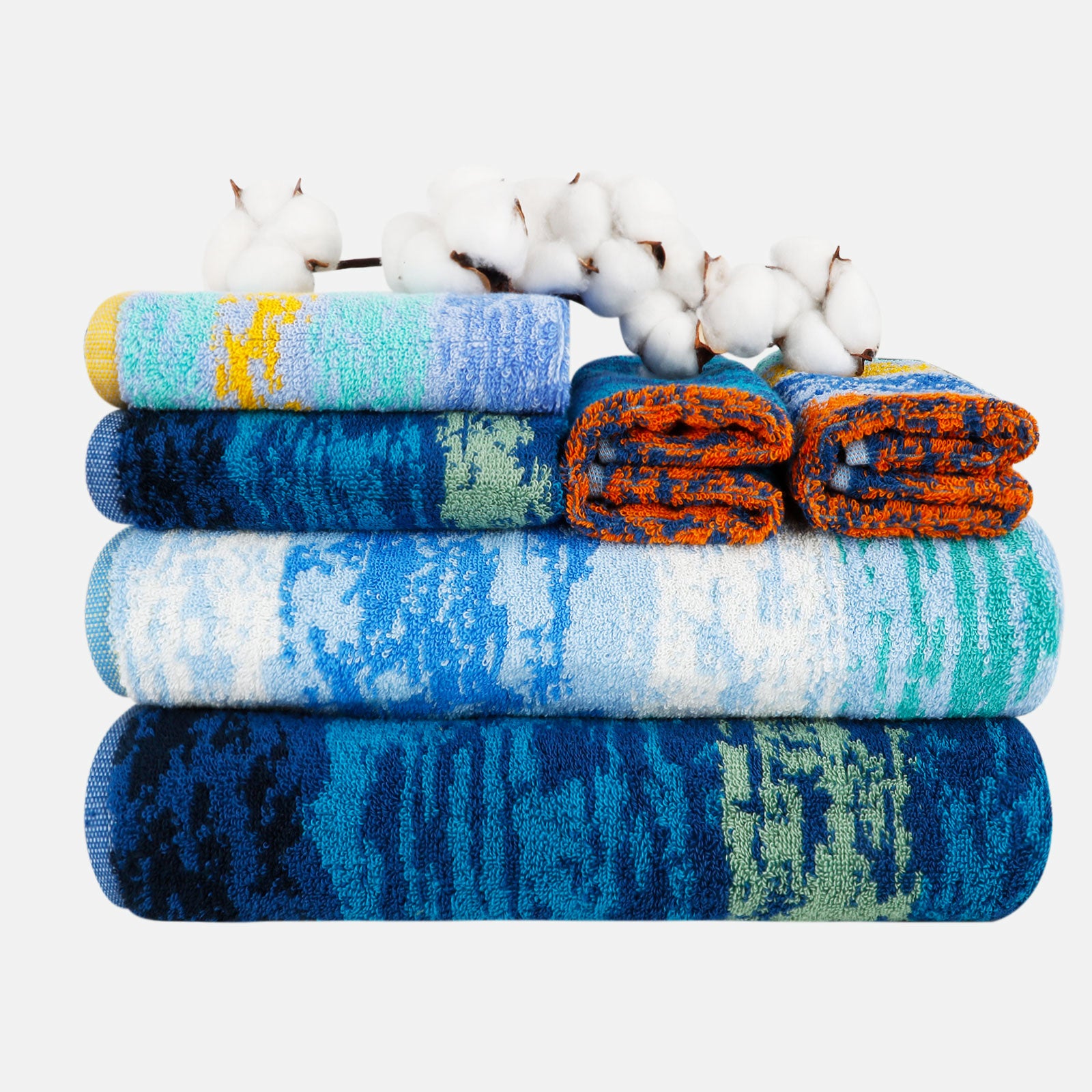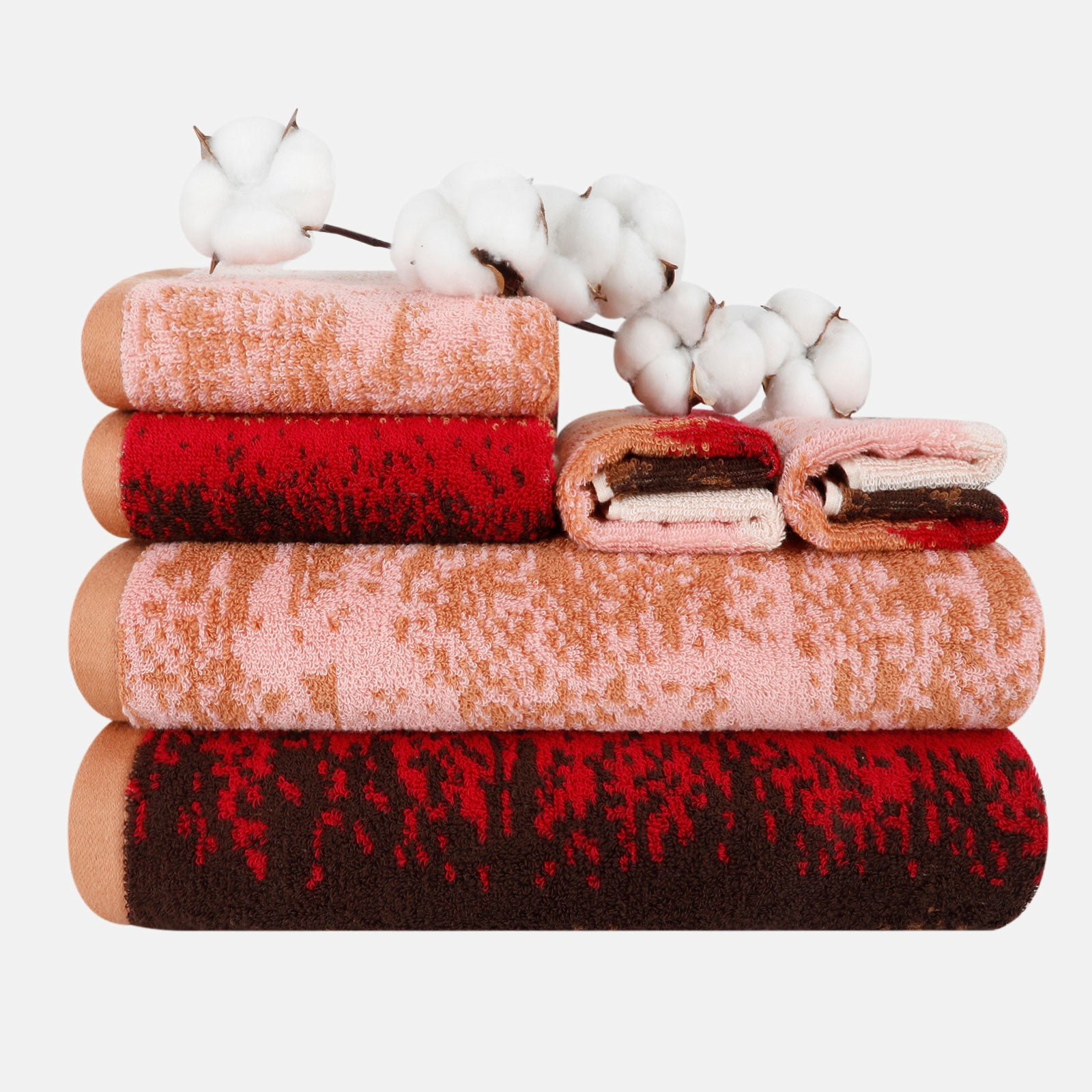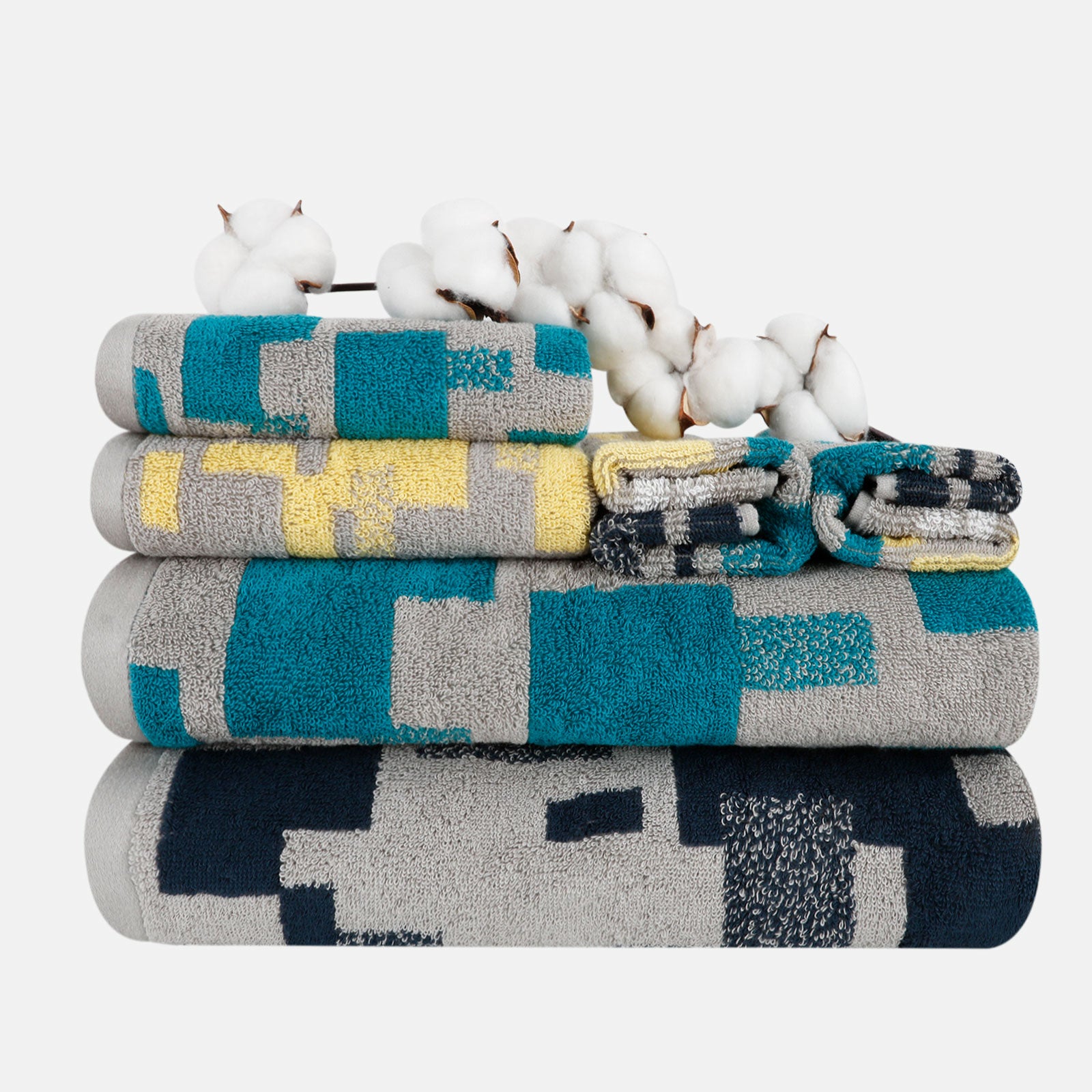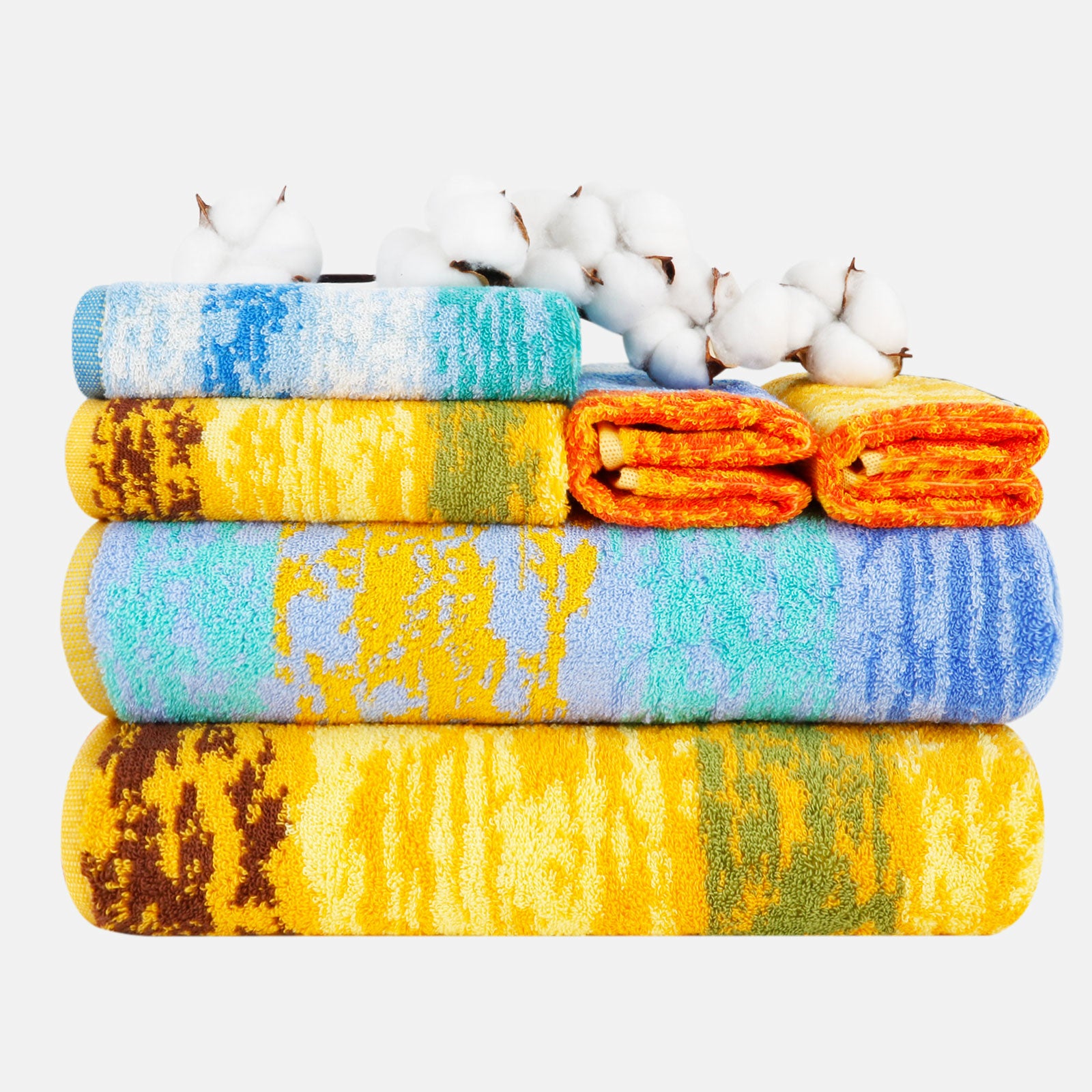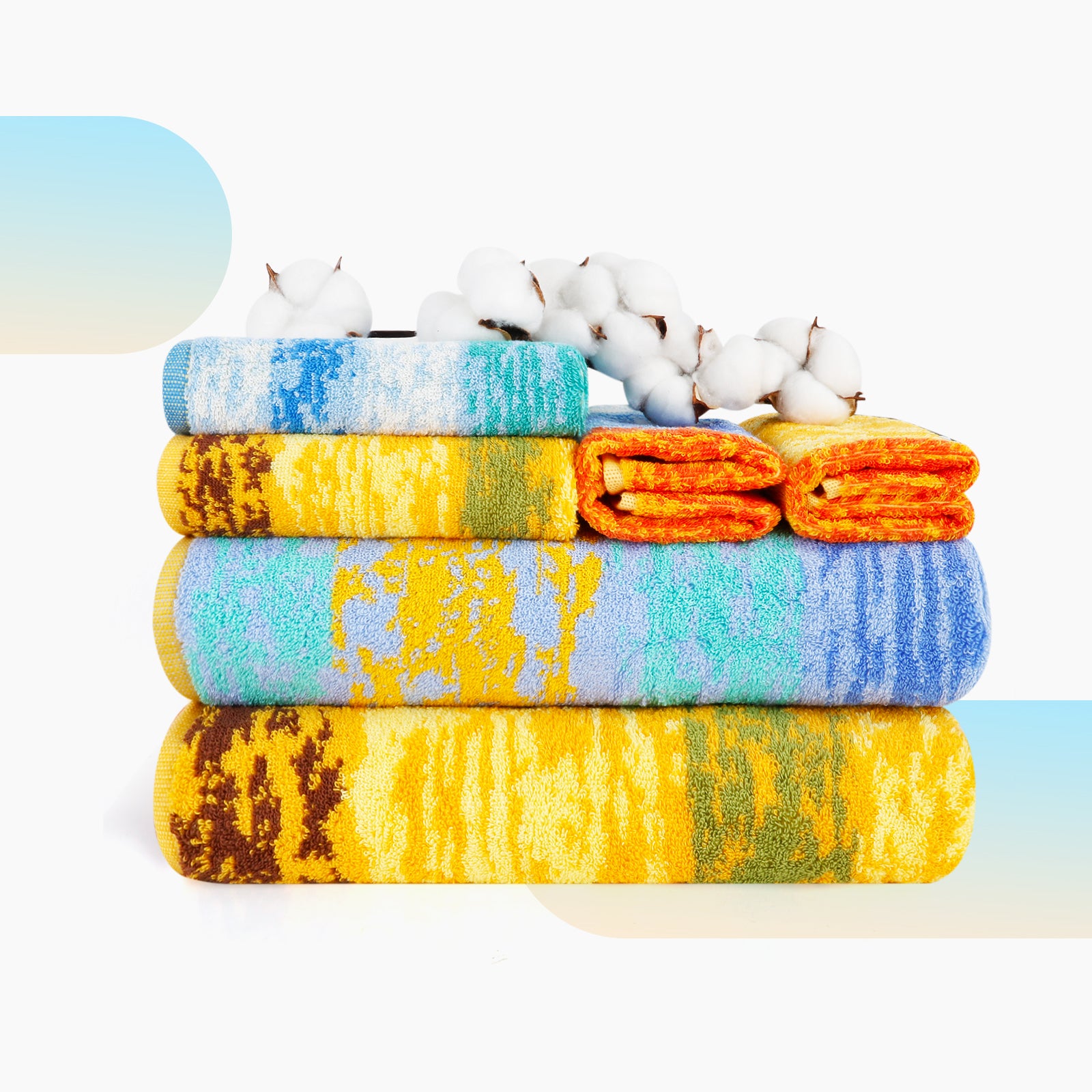
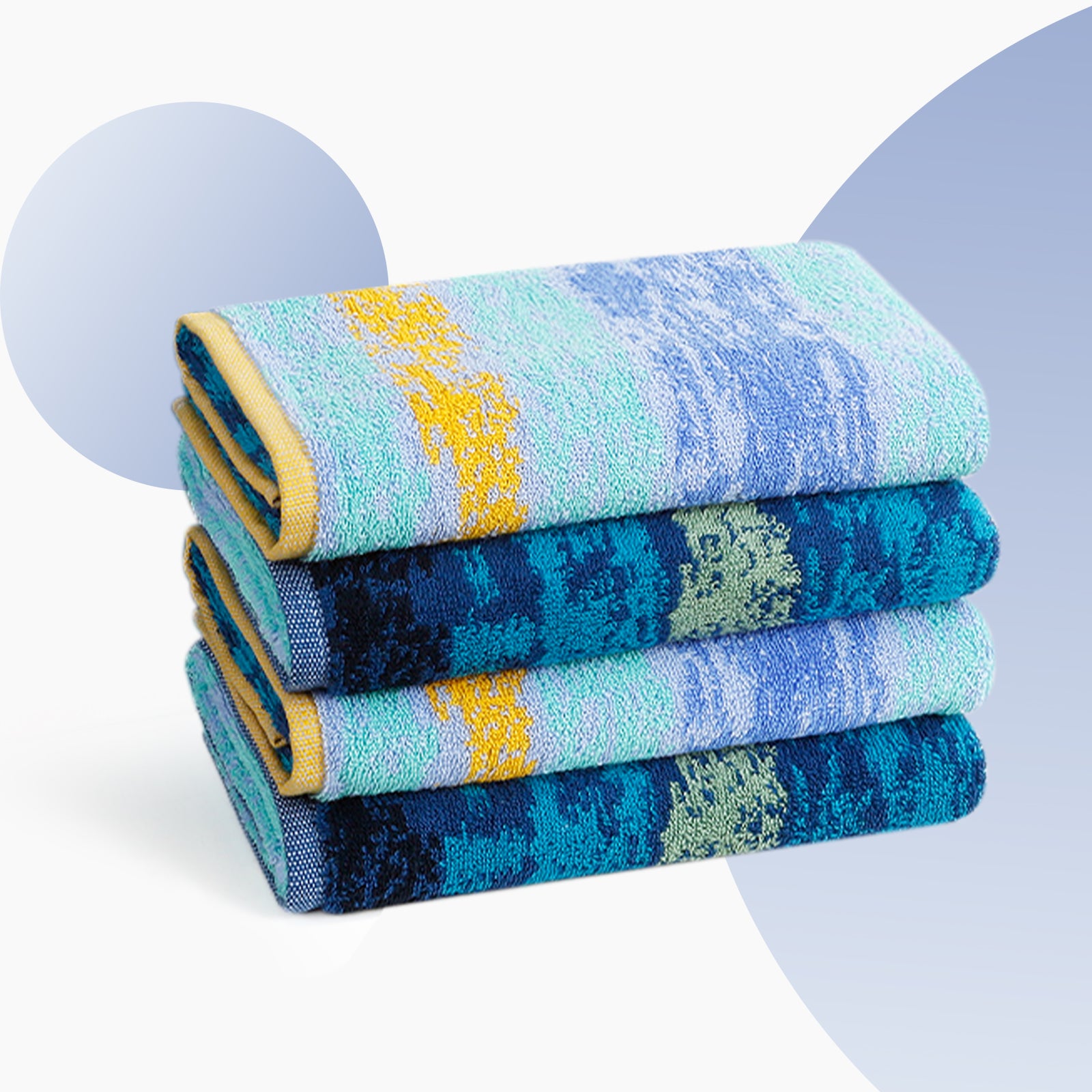
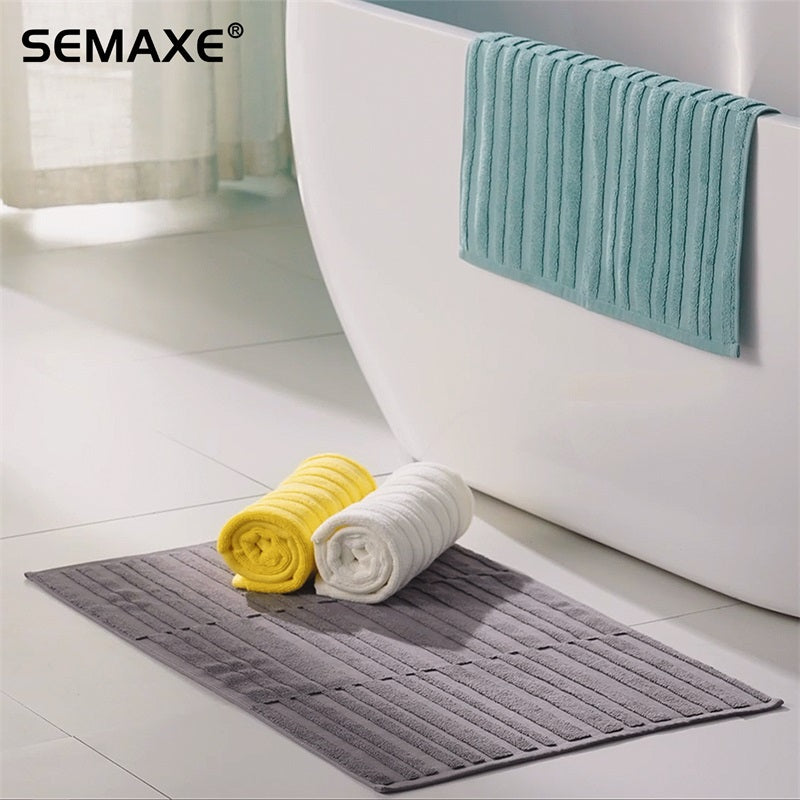
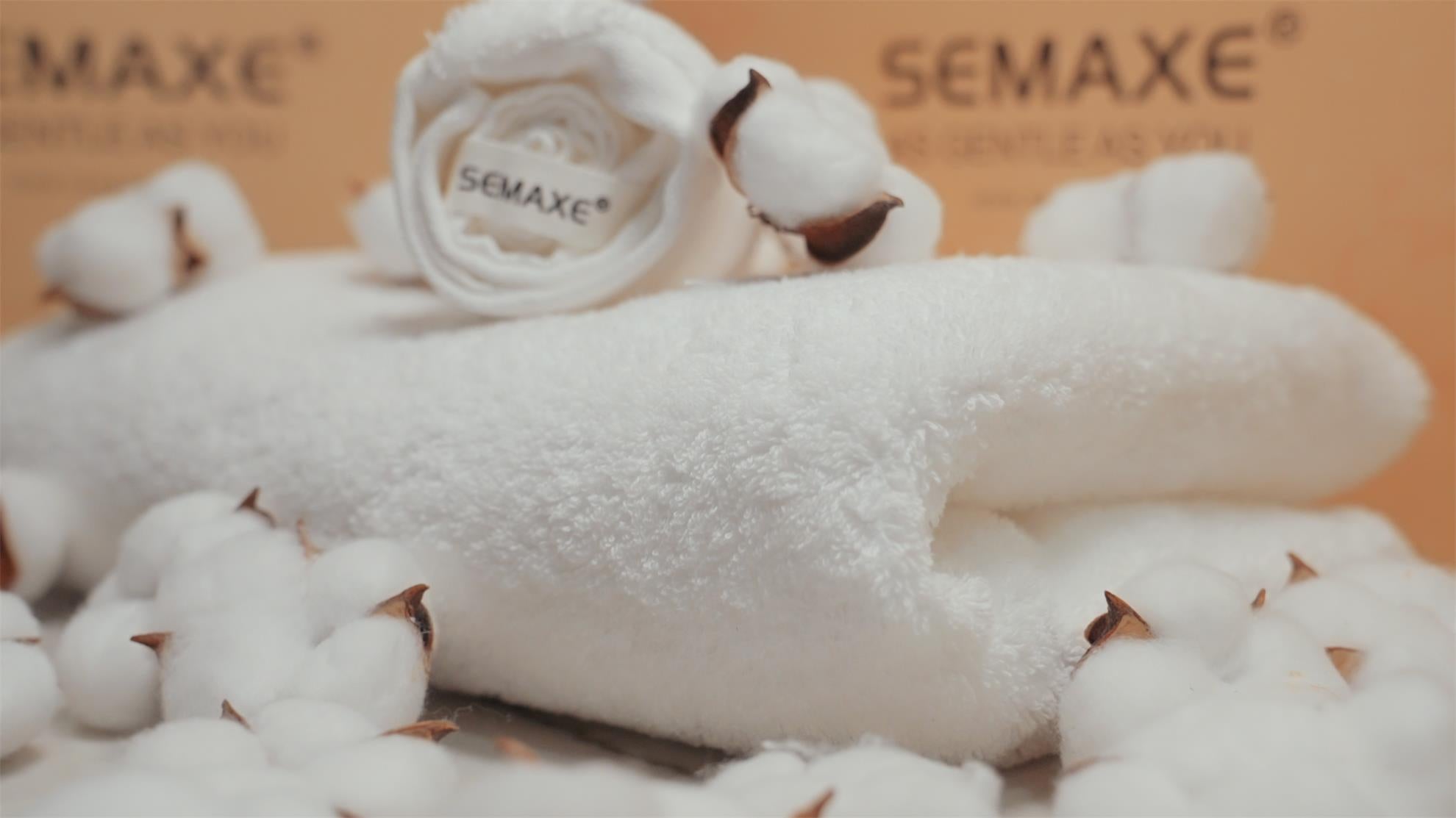

There is a moment, right after a long shower, when you reach for your towel. If it is the right towel — soft, absorbent, and perfectly dried — that moment feels like a small luxury. If it is the wrong towel — rough, musty, or losing its fluff — it can ruin the entire experience.
The truth is, most of us never think about our towels until something goes wrong. They become musty. They lose their softness. They stop absorbing water. And we are left wondering: what happened?
This guide answers the questions American households ask most about bath towels. Whether you are shopping for a new towel set, trying to rescue towels that have gone stiff, or wondering how often you should really be washing them, we have got you covered. Every answer is grounded in expert advice and real-world experience — and throughout, we will show you how SEMAXE towels are designed to solve these very problems, from our100% combed cotton construction to our 550GSM sweet spot and OEKO-TEX® certification.
Part One: How to Choose a Good Towel
Q: What should I look for when buying a new bath towel?
The best bath towel balances three things:absorbency,softness, and durability. But not all towels deliver on all three. Here is what the experts say to look for:
1.Material: 100% cotton, always
Cotton is the undisputed champion for bath towels. Unlike synthetic fabrics, cotton is incredibly strong and durable even after multiple washes, and it actually gets softer with each wash. Microfiber towels may work for the gym, but they do not offer the same plush, comfortable feel against your skin.
2.Fiber length: long-staple matters
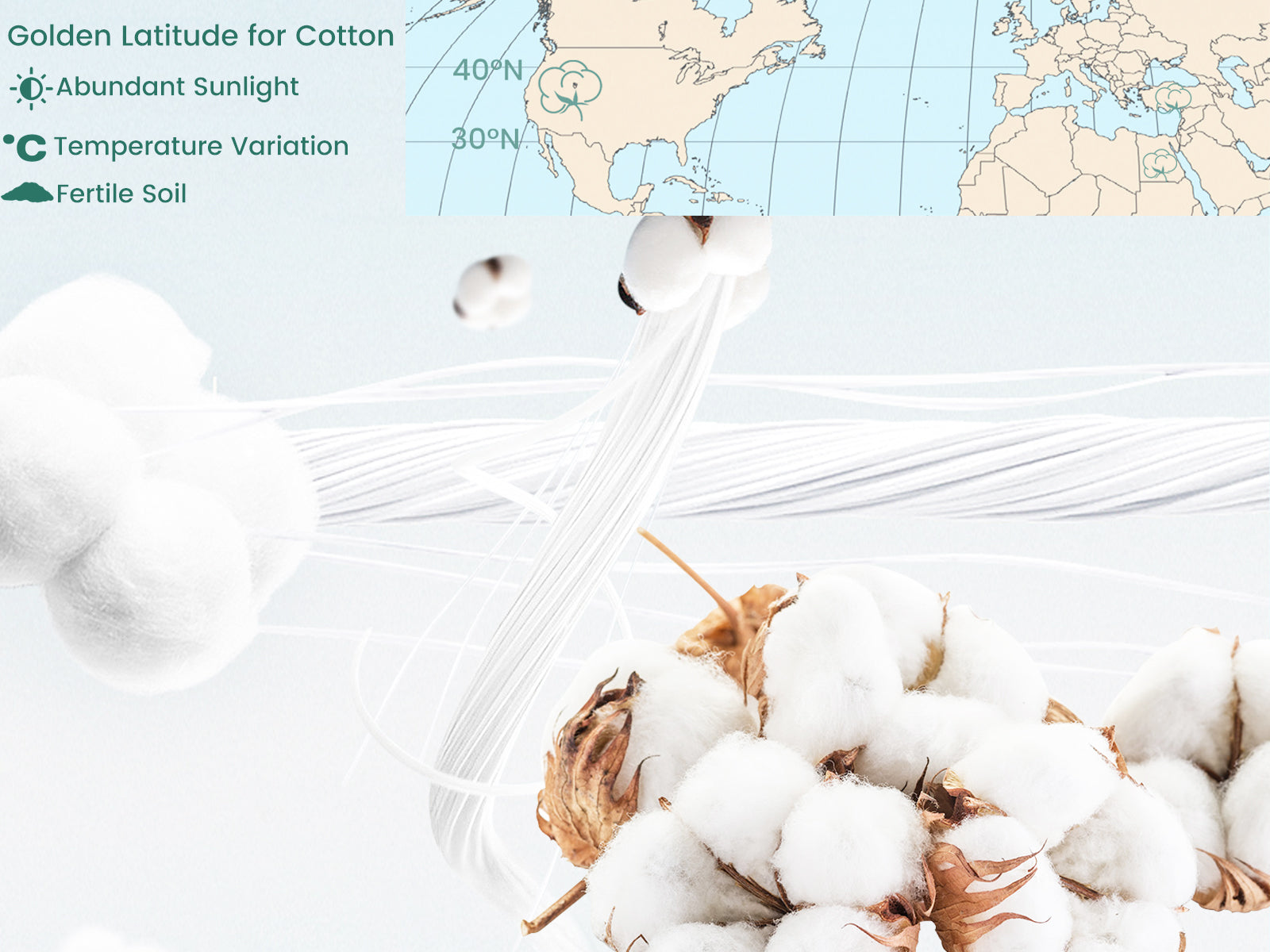
The secret to a great towel lies in the length of its cotton fibers — known as "staples." Long-staple cottons have fibers over 1⅛ inches long. These longer fibers can be spun into smoother, stronger, and finer yarns. The result is a towel that is not only softer and more absorbent but also more durable. Towels made from long-staple cotton shed less lint and resist pilling, maintaining their plush feel wash after wash. Short-staple cotton, on the other hand, has rougher fiber ends that can poke out, creating a coarser texture and a weaker fabric.
3.GSM: the sweet spot is 500-700
GSM stands for Grams per Square Meter — it measures the density of the towel. A higher GSM generally means a heavier, plusher, and more absorbent towel, but it will also take longer to dry. For the perfect balance of plushness and function, aim for 500-700 GSM.
The GSM spectrum looks like this^10:
·300-400 GSM: Lightweight, quick-drying, less plush. Good for gym or travel.
·400-600 GSM: The sweet spot for everyday use — good balance of absorbency and quick drying.
·600-900 GSM: Luxury towels — dense, heavy, very absorbent, spa-like, but slower to dry.
4.Construction: double-stitched hems
The way a towel is put together is just as important as its weight. Look for dense, uniform loops — this is where the absorbency comes from. The most critical part for longevity is the hem. A quality towel should always have double-stitched hems. This reinforcement prevents the edges from fraying after repeated washing.
SEMAXE’s answer: Our towels are made from100% natural combed cotton— the combing process removes short, scratchy fibers, leaving only the longest, smoothest strands. We chose 550 GSM as the ideal weight: plush enough to feel luxurious, yet light enough to dry quickly. Every towel features over lock stitching— a four-thread safety stitch that wraps the edges and prevents fraying. And our siro-spun technology creates microscopic air channels that allow the towel to breathe, preventing musty odors before they start.

Q: What makes a towel truly soft?
Towel softness is not just about how it feels in the store. Some towels contain added softeners that enhance their softness temporarily — but these softeners gradually wash out over time, leaving the towel feeling scratchy and uncomfortable.
True softness comes from the fiber itself. Long-staple cotton produces smoother yarns that feel naturally soft against the skin. Combed cotton takes this a step further by removing the short, prickly fibers that cause roughness.
SEMAXE’s answer: Our combed cotton construction removes short fibers before spinning, leaving only the longest, smoothest strands. The result is a gentle towel that feels soft from the very first use — no chemical softeners required. And because we use natural cotton, our towels actually get softer with each wash, not rougher.

Q: What makes a towel truly absorbent?
Absorbency comes down to yarn construction. A 16S yarn with a lower twist creates more space between fibers, forming tiny capillaries that actively pull water into the towel. Higher-twist yarns (like 20S or 30S) are smoother but less absorbent.
SEMAXE’s answer: Our towels use16S yarn with a low-twist construction that locks in moisture fast. Water is drawn into the fibers rather than sitting on the surface. Combined with our combed long-staple cotton, this creates a highly absorbent towel that dries you quickly without feeling heavy or soggy.

Q: Are more expensive towels always better?
Not necessarily. Price often reflects branding and marketing as much as quality. What matters more are the specifications: fiber type, GSM, and construction. A moderately priced towel made from long-staple cotton with 550GSM and double-stitched hems will out perform a towel made from short-staple cotton with a high GSM but poor construction.
SEMAXE’s answer: We believe quality should be accessible. Our towels deliver premium specifications — combed cotton, 16S yarn, 550GSM, siro-spun technology, over lock stitching, sealed packaging, and OEKO-TEX certification — at a price that makes sense for everyday American households.

Q: What is OEKO-TEX® certification, and why does it matter?
OEKO-TEX® STANDARD 100 is one of the world's best-known labels for textiles tested for harmful substances. It means every component of the product — from the cotton fibers to the dyes to the threads — has been tested against a list of more than 1,000 regulated and unregulated chemicals that may be harmful to human health.
For a towel, this matters because towels are used on wet, warm skin — conditions that can cause chemicals to leach. A certified towel is safe for even the most sensitive skin, including babies and people with allergies.
SEMAXE’s answer: Every SEMAXE towel is OEKO-TEX® STANDARD 100 certified. This is our Safety promise: no formaldehyde, no heavy metals, no allergenic dyes. Just pure, natural cotton that is safe for your family and the planet.

Part Two: How to Use and Care for Your Towels
Q: How often should I wash my bath towels?
According to the Cleaning Institute, most people should wash their bath towels after three to five typical uses. However, Ryan Sinclair, PhD, MPH, Professor of Environmental Microbiology at Loma Linda University, recommends washing after 3 to 4 uses— which typically means replacing them once or twice per week.
But here is the catch: this guideline only works if the towel completely dries between uses. “If the towel is doubled over or the room is humid, it should be changed after 2 uses,” Sinclair explains.
Why towels get dirty so fast: Towels act as a second cleaning step, removing whatever did not come off in the shower. They pick up dead skin cells, microbes, and skin flora such as Staphylococcus aureus. They can also collect fecal bacteria. Once used, a damp towel becomes an ideal environment for bacteria to grow and multiply.
Special cases:
·If you are experiencing an active infection (Noro virus, the flu, MRSA/Staph, ringworm, athlete's foot), use a towel only once before washing.
·If the towel is exposed to body fluids like blood or secretions, wash after one use.
·If you have any open wounds, like surgical incisions or significant scrapes, use a fresh towel every time.
·If your towel has a musty odor, bacteria and mold have already started multiplying.
Hand towels:Hand towels are used much more frequently — and often by multiple people. They should be changed more often than bath towels. Wash hand towels every two to three days.
SEMAXE’s tip: Our siro-spun technology helps towels dry faster by allowing air to circulate through the fibers. But even the best towel needs proper care. Hang your SEMAXE towel fully spread out after each use — never bunched or folded — and wash every 3-4 uses.

Q: What is the best way to wash towels?
Do’s:
·1. Wash before first use. New towels have finishing agents from manufacturing. A simple wash before first use removes these finishes and opens up the cotton fibers, making your towels more absorbent from day one.
·2. Use warm or cold water. Colder water is more color safe and less likely to cause damage to fabrics. Hotter temperatures are better at removing body oil, so adjust accordingly. Wash white towels on hot and dark towels at cooler temperatures.
·3. Use less detergent than you think you need. Towels, with their longer fibers, tend to hold onto substances like soap. Using too much detergent leaves residue that makes towels stiff and scratchy. Use about half the recommended amount.
·4. Wash towels separately. Towels have delicate fibers that could entangle with other clothes. Washing towels together will help extend their life and reduce snags.
·5. Add white vinegar to the rinse cycle. Half to one cup of distilled white vinegar breaks down detergent residue and mineral buildup, naturally softening fibers without leaving a waxy coating.
·6. Dry on low heat. High heat damages cotton fibers and can cause shrinkage. Tumble dry on low heat, and remove towels promptly.
·7. Give towels a good shake before drying. “Before placing the towels in the dryer, give them a good shake; this helps to puff up the fibers and allows for better air circulation,” advises Ayush Agnihotri, an executive housekeeper responsible for maintaining luxury towels at a Ramada Hotel.
Don’ts:
·1. Never use fabric softener or dryer sheets. Fabric softeners coat fibers with a waxy layer that blocks absorbency. Over time, this buildup makes towels less absorbent and can trap bacteria, leading to odors. Dryer sheets cause similar problems.
·2. Never use chlorine bleach on colored towels. It will damage both the color and the fibers.
·3. Don’t overload the washer or dryer. When towels are crammed in, they do not rinse or tumble properly.
·4. Don’t leave wet towels in the washer. Transfer to the dryer promptly. Wet towels left sitting become a breeding ground for bacteria.

Q: Why do my towels smell musty, and how do I fix it?
Musty odors trace back to one root cause: moisture trapped in the fibers for too long. When a towel remains damp in a poorly ventilated area, bacteria and mold multiply, producing volatile organic compounds that smell musty.
The vinegar and baking soda rescue method:
1.Step 1 — Vinegar wash:Wash towels in hot water with one cup of white vinegar (no detergent). The vinegar breaks down detergent residue, mineral deposits, and body soils.
2.Step 2 — Baking soda wash:Run a second wash with hot water and half a cup of baking soda (no detergent). Baking soda absorbs odors and lifts soap residue.
3.Step 3 — Dry thoroughly:Dry completely on low heat or in sunlight. Sunlight is a natural disinfectant.
For milder cases, simply add half to one cup of white vinegar to the rinse cycle of a regular wash.
Prevention:
·Always hang towels fully spread out to dry completely between uses
·Run the bathroom exhaust fan during and for 30 minutes after showers
·Wash towels every 3-5 uses
·Don’t leave wet towels in the washer
·Skip fabric softener entirely
Q: How do I keep my towels fluffy?
Fluffiness comes from the loops in terry cloth. When these loops flatten, towels feel thin and rough.
·1. The shake trick:Shake your towels before putting them in the dryer or hanging them on the line. This action opens up the fibers and prevents them from drying in stiff, matted clumps. Give them another shake when they come out of the dryer.
·2. Use wool dryer balls:Tossing in a couple of wool dryer balls helps separate towels, improves air circulation, and naturally fluffs the fibers.
·3. Don’t over dry:Over-drying breaks down cotton fibers and can make towels feel harsh. Remove towels promptly when dry.
·4. Skip fabric softener:Softener coats fibers and flattens the loops over time.
SEMAXE’s answer: Our siro-spun technology creates microscopic air channels that help fibers stay open and breathable. And our 550GSM weight is light enough to dry quickly but dense enough to maintain its plush structure. Combined with proper care, your SEMAXE towels will stay fluffy for months.

Q: How should I store my towels?
The golden rule:Never store a damp towel. Always allow your towel to dry completely before folding or storing it. Damp towels in enclosed spaces create the perfect environment for bacterial growth and musty odors.
·1. Choose the right location:Store towels in a dry, well-ventilated space — preferably on open shelves or in a linen closet that allows air circulation. Avoid damp or humid spaces, enclosed cabinets without airflow, and plastic bins that trap moisture.
·2. Shake before folding:Give dry towels a gentle shake before folding. This lifts the terry loops and maintains the towel's loft and absorbency.
·3. Avoid tight packing:Towels need ventilation to stay fresh. Tightly packed storage can trap moisture and lead to odors.
·4. Rotation:Keep multiple sets of towels in rotation. This gives each towel time to rest between uses and extends the life of each individual towel.
SEMAXE’s tip:Our towels arrive in sealed packaging— factory-wrapped and protected from dust and handling. This is our clean promise: your towel is fresh and hygienic from the moment you open it.

Q: When should I replace my towels?
Even with perfect care, towels do not last forever. Here are five signs it is time for a new set:
1. Persistent odors.If your towel has a musty smell that does not go away even after washing with vinegar and baking soda, the bacteria have embedded themselves too deeply.
2. Loss of absorbency.If water beads up on the surface instead of being absorbed, the fibers are worn out.
3. Visible wear.Look for thinning patches where you can see through the fabric, holes, loose or missing loops, or frayed edges that over lock stitching cannot fix.
4. Rough texture.If your towel feels rough and scratchy even after deep cleaning, the fibers have degraded.
5. Fading that won't wash out.Towels that have lost their color completely and look dingy despite proper care have reached the end of their useful life.
How long should towels last?For daily-use bath towels, most households find that3-4 months of regular use is a reasonable lifespan. Guest towels and less-frequently-used towels can last 6-12 months or longer.
What to do with old towels:Don’t throw them away! Old towels have many second lives: cleaning rags, pet towels, car washing, donations to animal shelters, or moving and packing material.

|
Part Three: Quick Reference — SEMAXE at a Glance Feature |
What It Means |
Why It Matters |
|
100% Combed Cotton |
Short fibers removed, leaving only the longest strands |
|
|
16S Yarn |
Low-twist construction with more space between fibers |
Highly absorbent — locks in moisture fast |
|
550GSM |
The perfect balance of density and weight |
|
|
Siro-Spun Technology |
Microscopic air channels throughout the fabric |
Breathable, odor-resistant, dries from the inside out |
|
Overlock Stitching |
Four-thread safety stitch wraps the edges |
|
|
Sealed Packaging |
Factory-wrapped, dust-proof, tamper-evident |
Hygienic, ready to use — no pre-wash needed |
|
OEKO-TEX® Certified |
Tested for 1,000+ harmful substances |
Safe for your family and the planet |
Final Thoughts: The Towel You Deserve
A great towel is not a luxury — it is a daily necessity that should make you feel good every time you use it. From the moment you step out of the shower to the moment you fold it and put it away, your towel should be soft, absorbent, fresh, and durable.
At SEMAXE, we have built every towel around this philosophy. Our100% natural combed cotton delivers the softness your skin craves. Our16S yarnand550GSMweight provide the absorbency you need without the heavy, soggy feeling. Our siro-spun technology keeps towels fresh and odor-free. Our over lock stitching ensures they last. Our sealed packaging guarantees hygiene. And our OEKO-TEX® certification gives you peace of mind.
But even the best towel needs proper care. Follow the guidelines in this guide — wash every 3-4 uses, skip fabric softener, dry on low heat, shake before drying, store completely dry — and your SEMAXE towels will reward you with months of comfort.
Because you deserve a towel that works as hard as you do.
Explore the complete SEMAXE towel collection at [www.semaxe.com] — and feel the difference that quality makes.