

Meta Description: Discover how choosing natural, sustainable towels reduces your environmental footprint. Learn about organic cotton, eco-friendly manufacturing, and responsible care.
Content:
The choices we make in our homes — even seemingly small ones like which towels we buy and how we care for them — collectively have a significant environmental impact. As consumers become increasingly aware of sustainability issues, many are asking: what makes a towel truly eco-friendly? This guide explores the environmental dimensions of towel production and use, and how SEMAXE approaches sustainability.
Why Conventional Cotton Production Matters
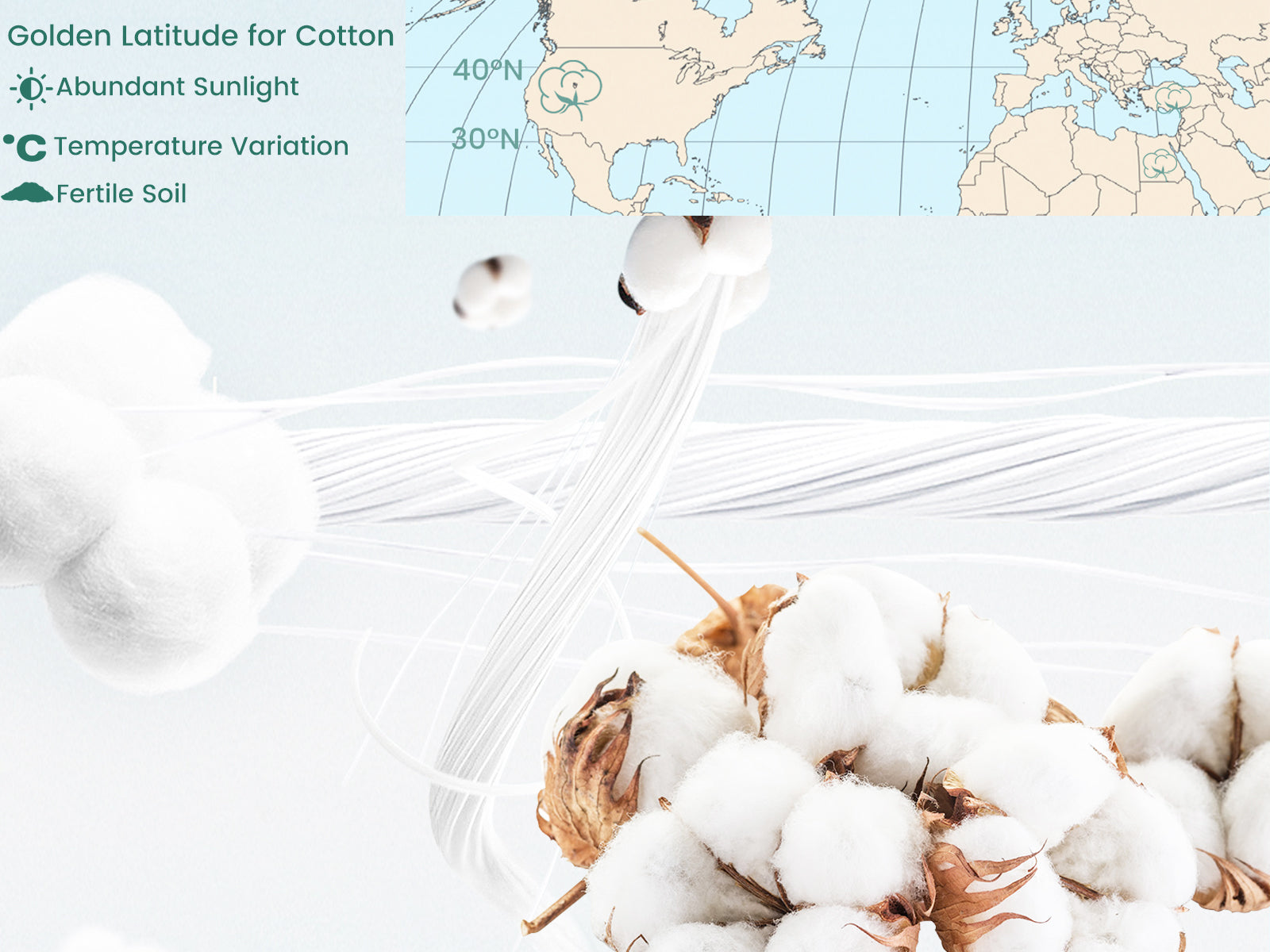
Conventional cotton farming has historically relied heavily on synthetic pesticides, fertilizers, and large quantities of water. While improved practices have reduced some impacts, the conventional model still involves chemical inputs that can affect soil health, water quality, and biodiversity. Sustainable alternatives include organic farming methods that eliminate synthetic pesticides and fertilizers, promote soil fertility through crop rotation and composting, and support biodiversity rather than monoculture.
Organic cotton farming has been shown to reduce water consumption and chemical inputs compared to conventional methods while often building healthier soil that retains moisture more effectively. For consumers concerned about environmental impact, choosing organic or sustainably sourced cotton is one of the most direct ways to support responsible agriculture.
What Makes a Towel Sustainable Beyond the Fiber
True sustainability in textiles goes beyond just the raw material. A genuinely eco-friendly towel considers the entire product lifecycle:
Certifications: Look for recognized standards. GOTS (Global Organic Textile Standard) is widely considered the gold standard for organic textiles, certifying everything from fiber production to dyeing and manufacturing — and ensuring no harmful chemicals are used at any stage. GOTS also enforces social criteria including fair labor practices. Other relevant certifications include Oeko-Tex Standard 100 (which tests for harmful substances), Fair Trade (which ensures ethical labor practices), and various water stewardship certifications.
Manufacturing practices: Responsible manufacturers minimize water usage, treat wastewater before release, use energy-efficient equipment, and reduce chemical inputs. Some facilities have closed-loop water systems that recycle most of their process water.
Packaging: Minimal, recyclable, or biodegradable packaging reduces waste. Some brands have eliminated plastic packaging entirely in favor of paper or compostable alternatives.
Durability: The most sustainable towel is one that lasts. A well-made cotton towel that stays soft and functional for years reduces replacement frequency — and the associated manufacturing and shipping impacts.
End of life: Natural cotton is biodegradable. At the end of its useful life, a 100% cotton towel can be composted or recycled, unlike synthetic blends that may persist in landfills.
The Care Phase: Your Role in Sustainability
How you care for your towels significantly affects their environmental footprint. Sustainable care habits include:
-
Wash less frequently: Towels don't need to be washed after every single use. Washing every 3-4 uses is sufficient for most people and reduces water and energy consumption.
-
Use cold or warm water: Heating water accounts for the majority of laundry energy use. Washing at 40°C instead of 60°C can cut energy use by roughly 40%.
-
Use eco-friendly detergents: Choose biodegradable, phosphate-free detergents without unnecessary fragrances or dyes.
-
Skip fabric softener: Fabric softeners add chemicals to wastewater. The vinegar alternative is not only better for your towels but also more environmentally friendly.
-
Air dry when possible: Line drying eliminates energy use entirely. When you do use a dryer, clean the lint filter for efficiency and use lower heat settings.
-
Extend towel life: Proper care — avoiding harsh chemicals, not overdrying, storing correctly — keeps towels in use longer, delaying replacement.
The Truth About "Green" Claims
Not all sustainability claims are created equal. "Greenwashing" — marketing that exaggerates or misleads about environmental benefits — is common in the textile industry. To evaluate claims, ask specific questions:
-
What certification standards are actually met (not just vaguely referenced)?
-
What percentage of the product is organic or sustainable?
-
Where are the towels manufactured, and under what labor conditions?
-
Is the entire supply chain transparent?
A vague claim like "eco-friendly" or "sustainable" without supporting evidence is less meaningful than specific claims backed by third-party certifications.
SEMAXE's Commitment
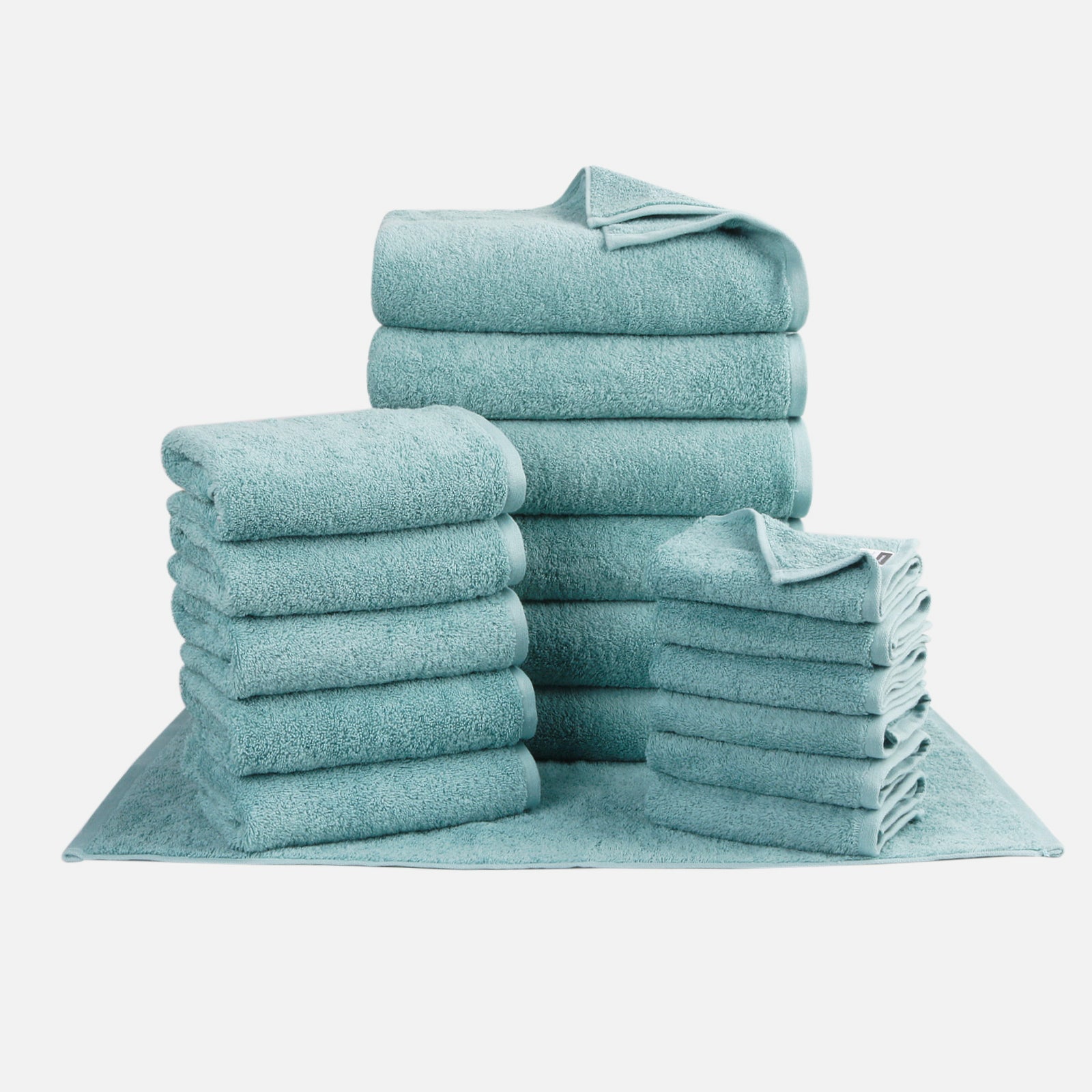
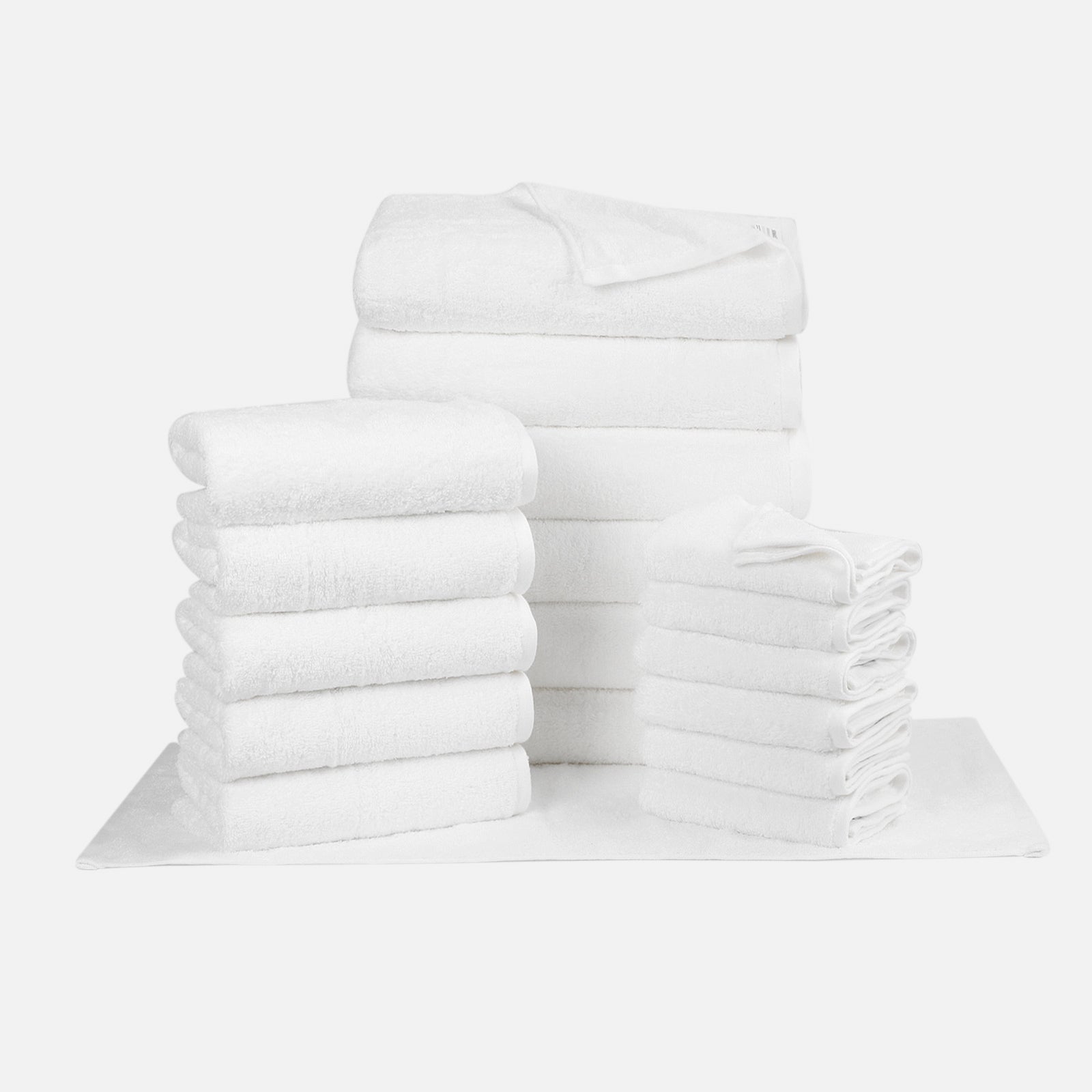
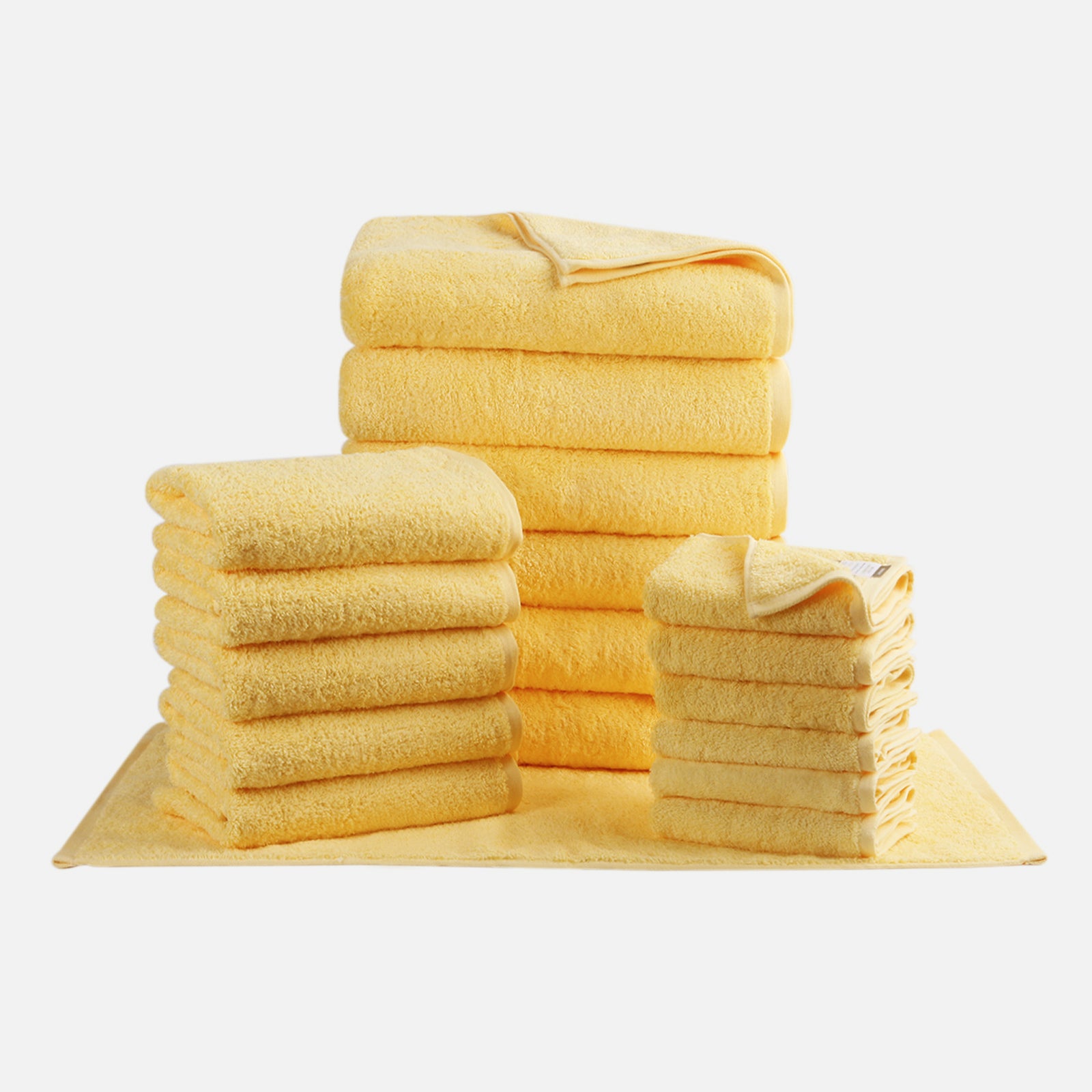
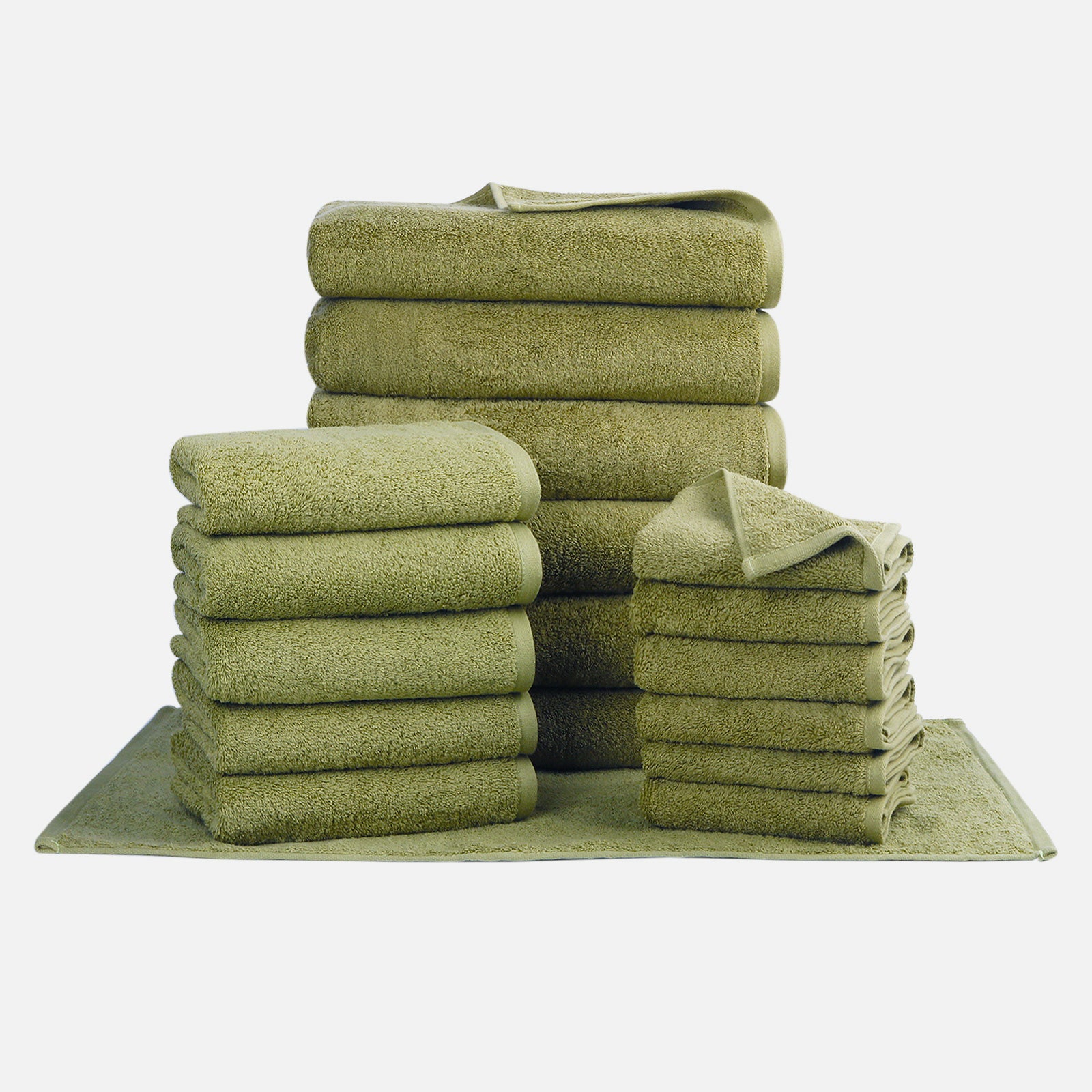
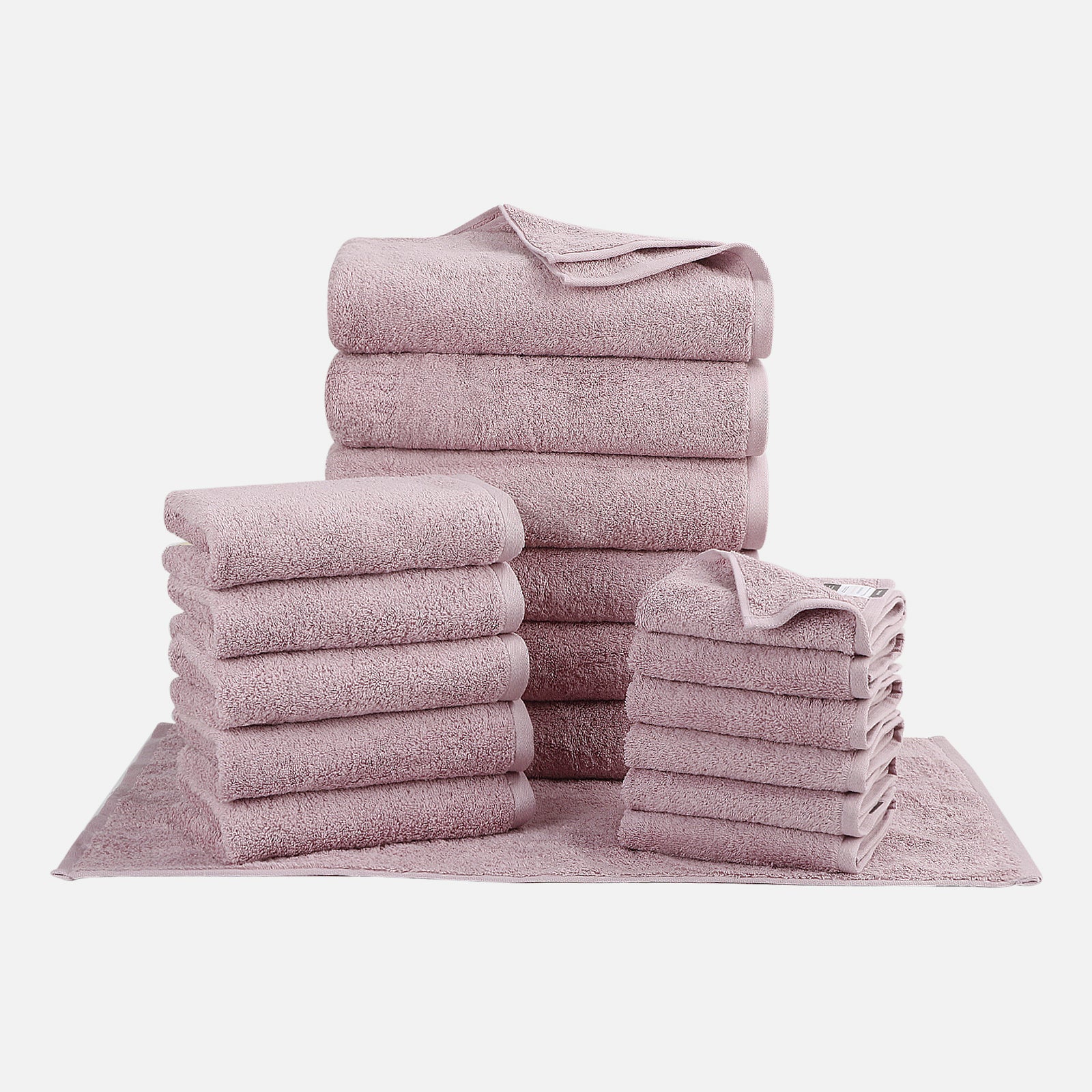
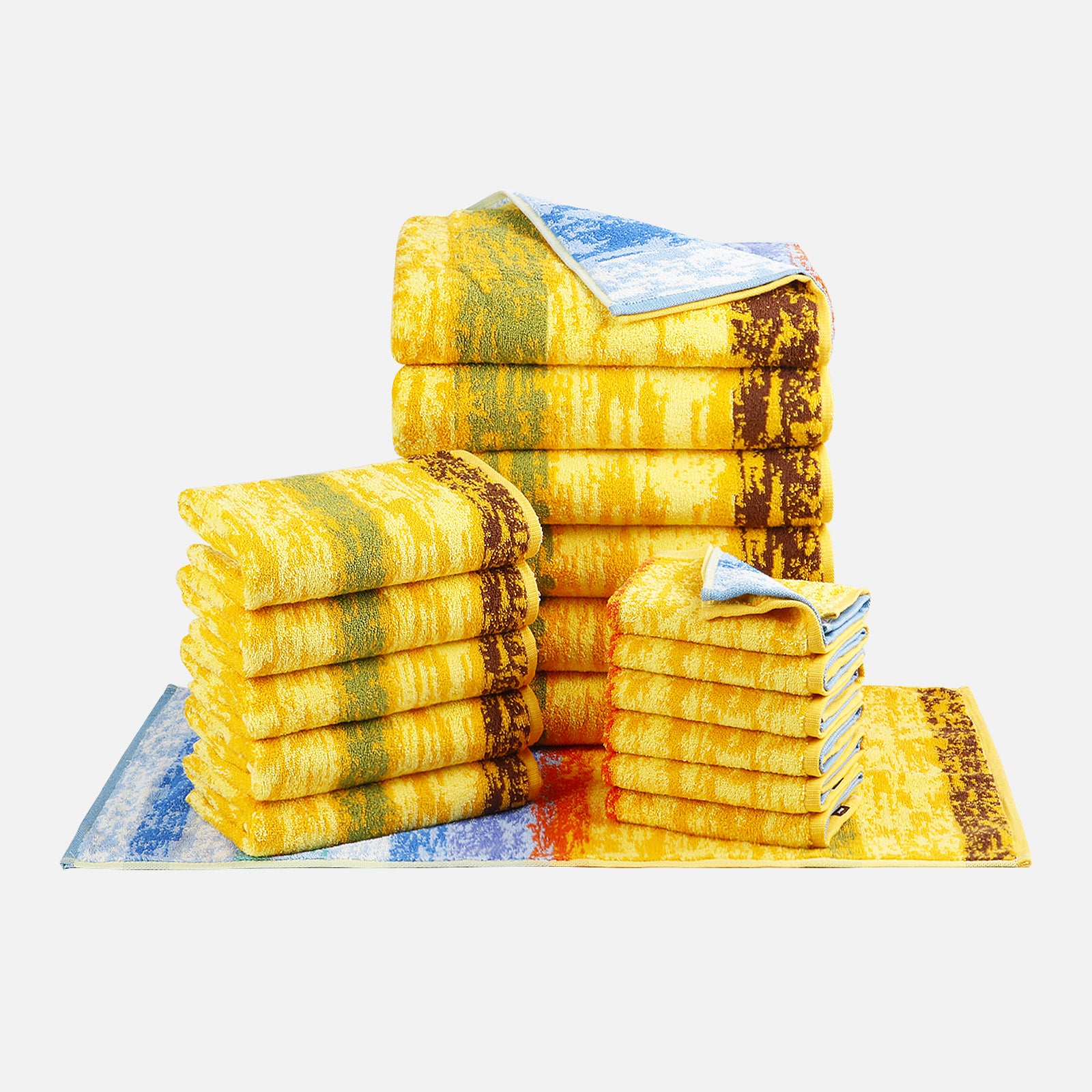
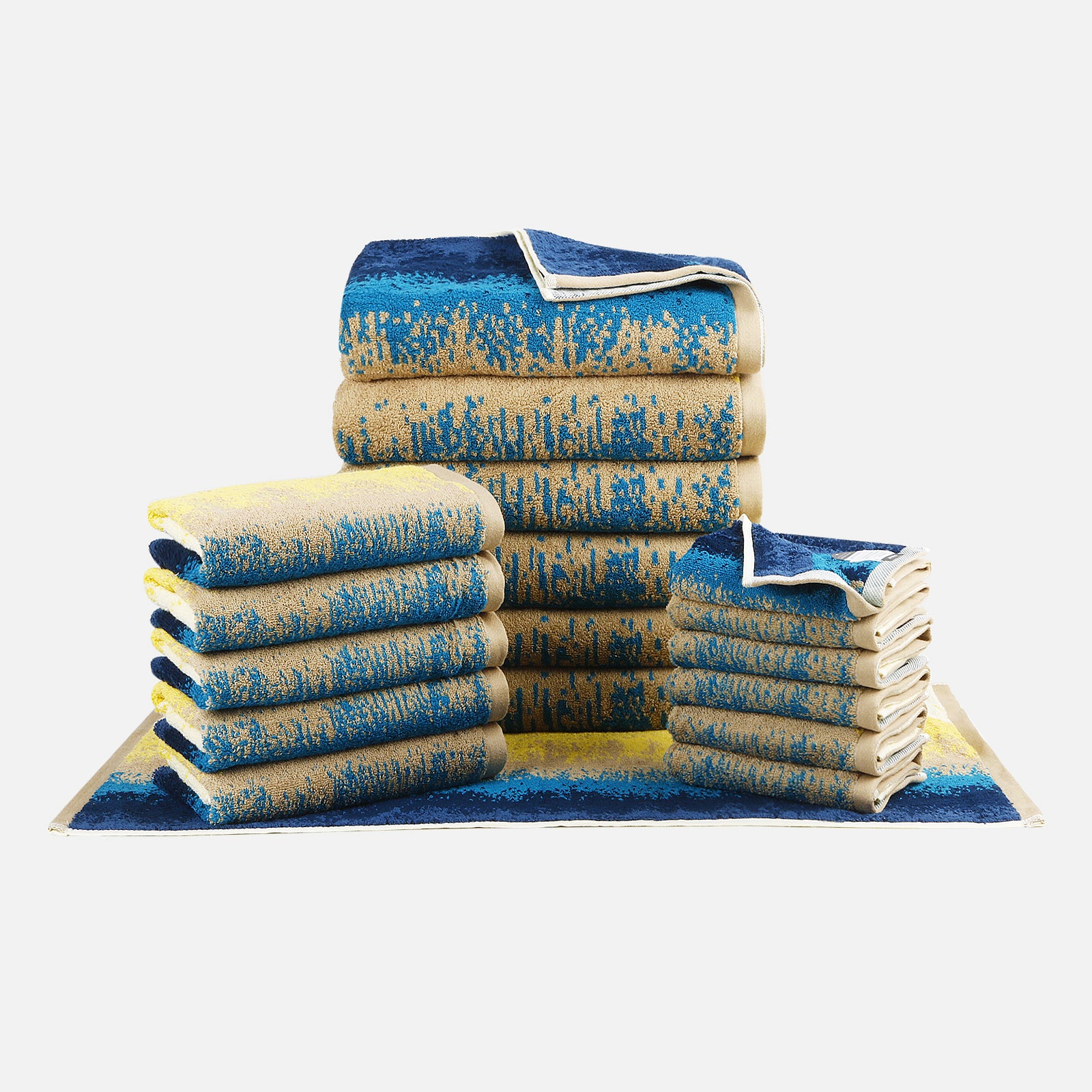
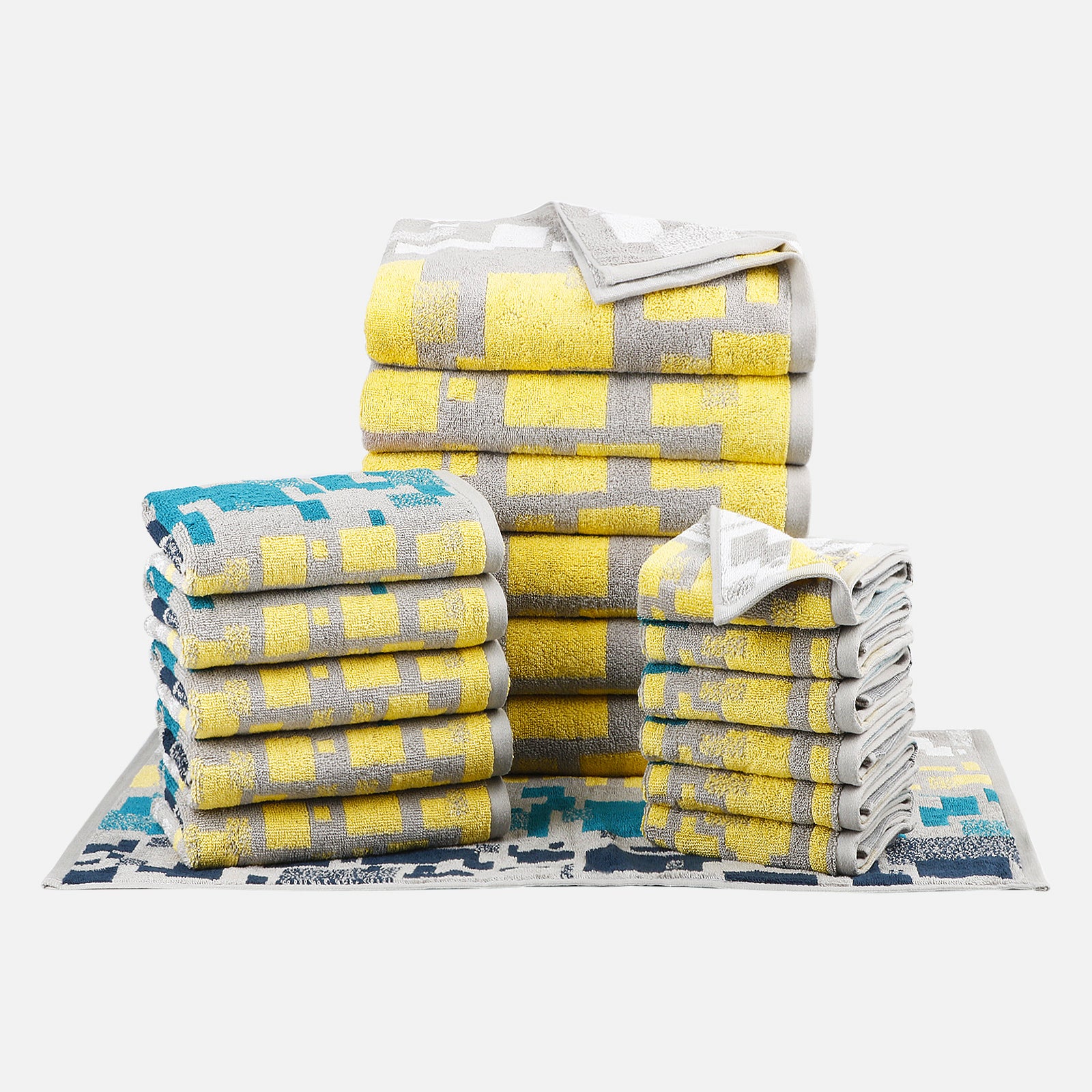
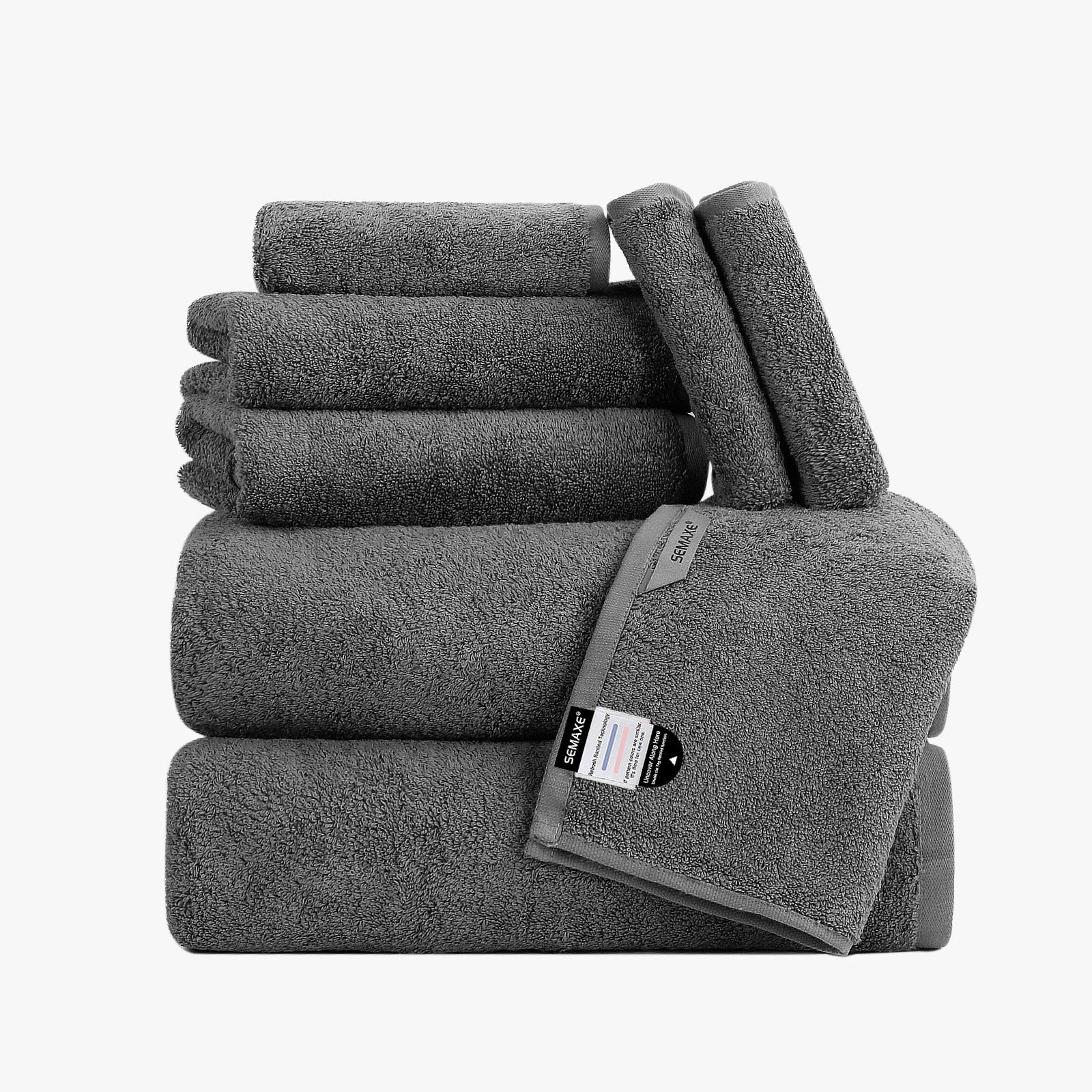
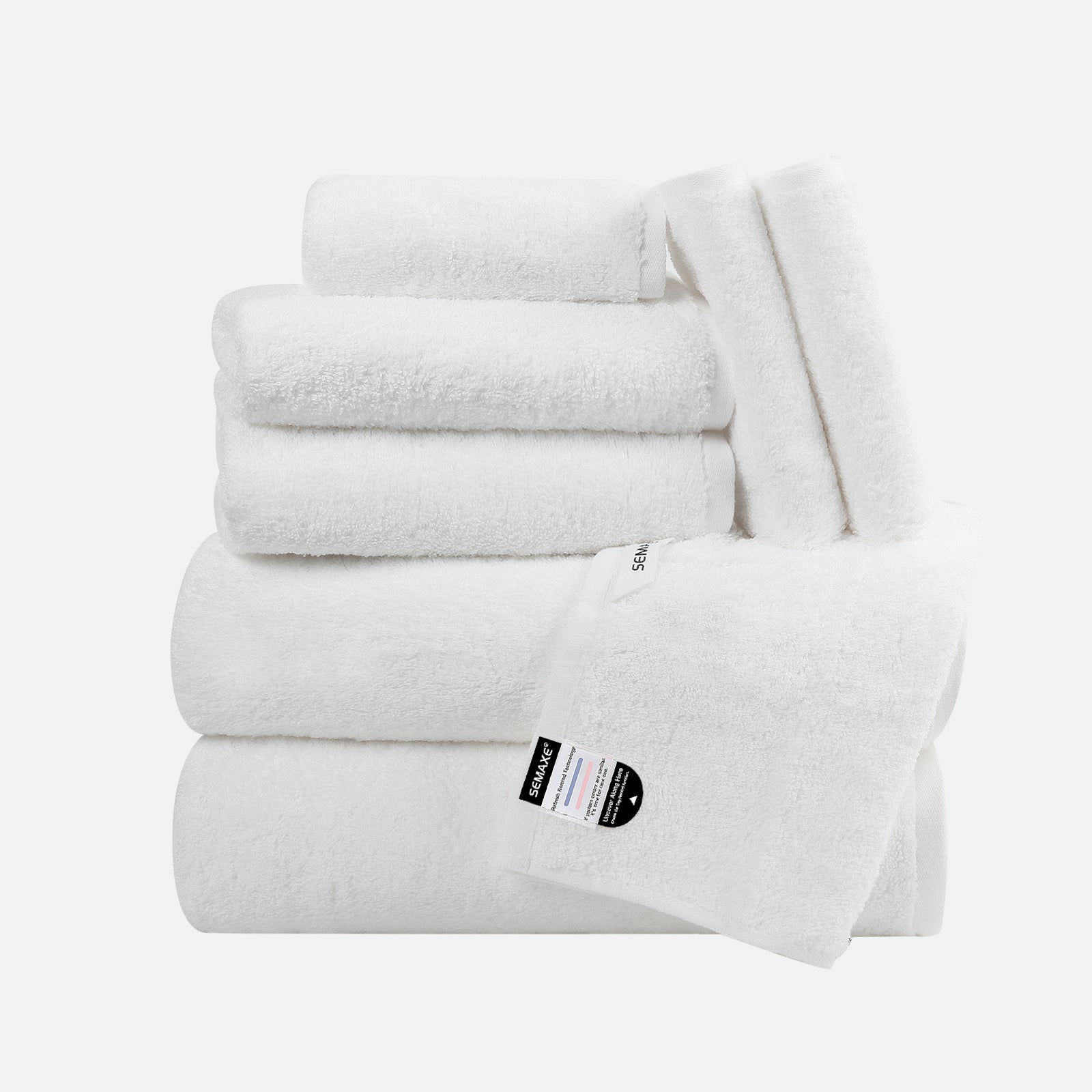
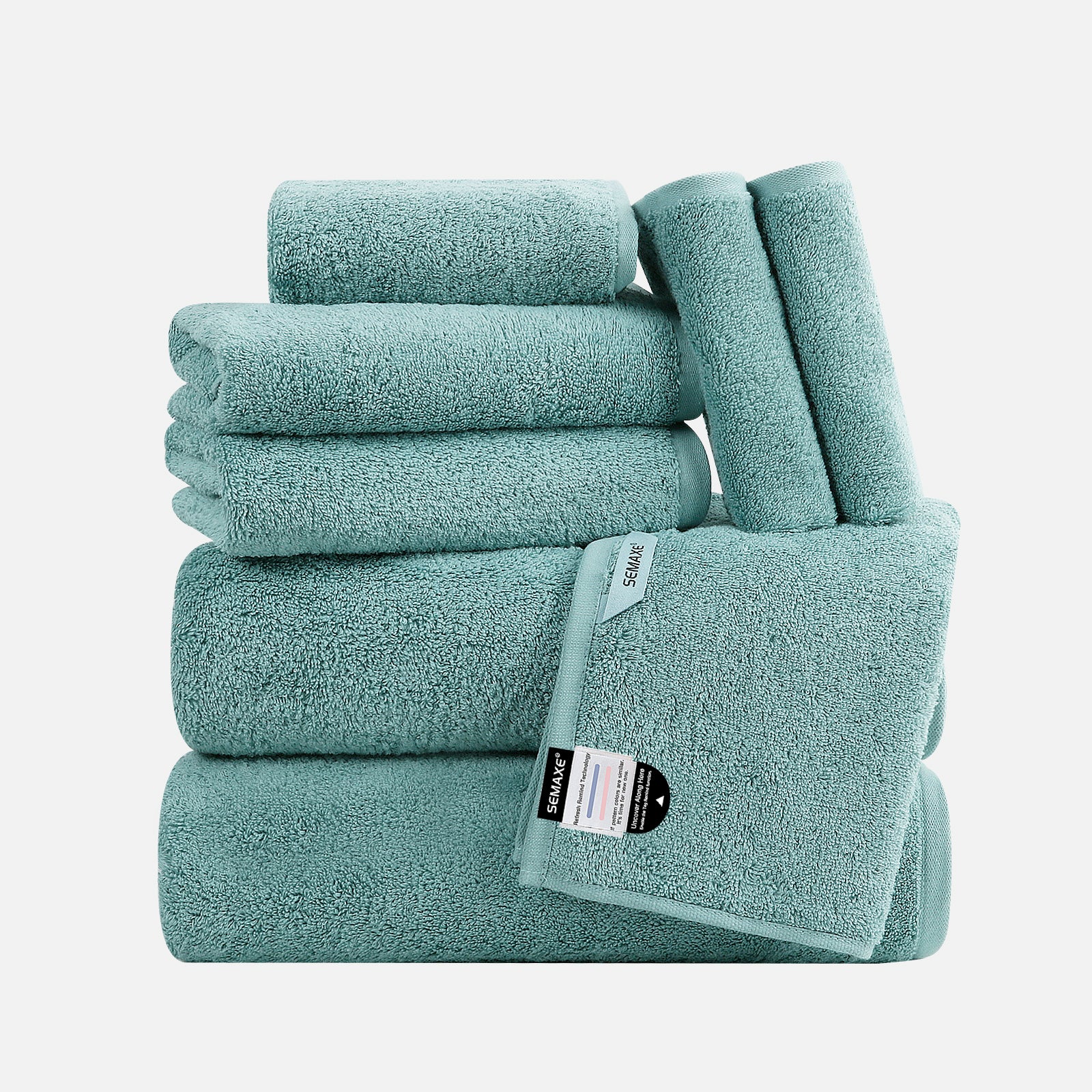
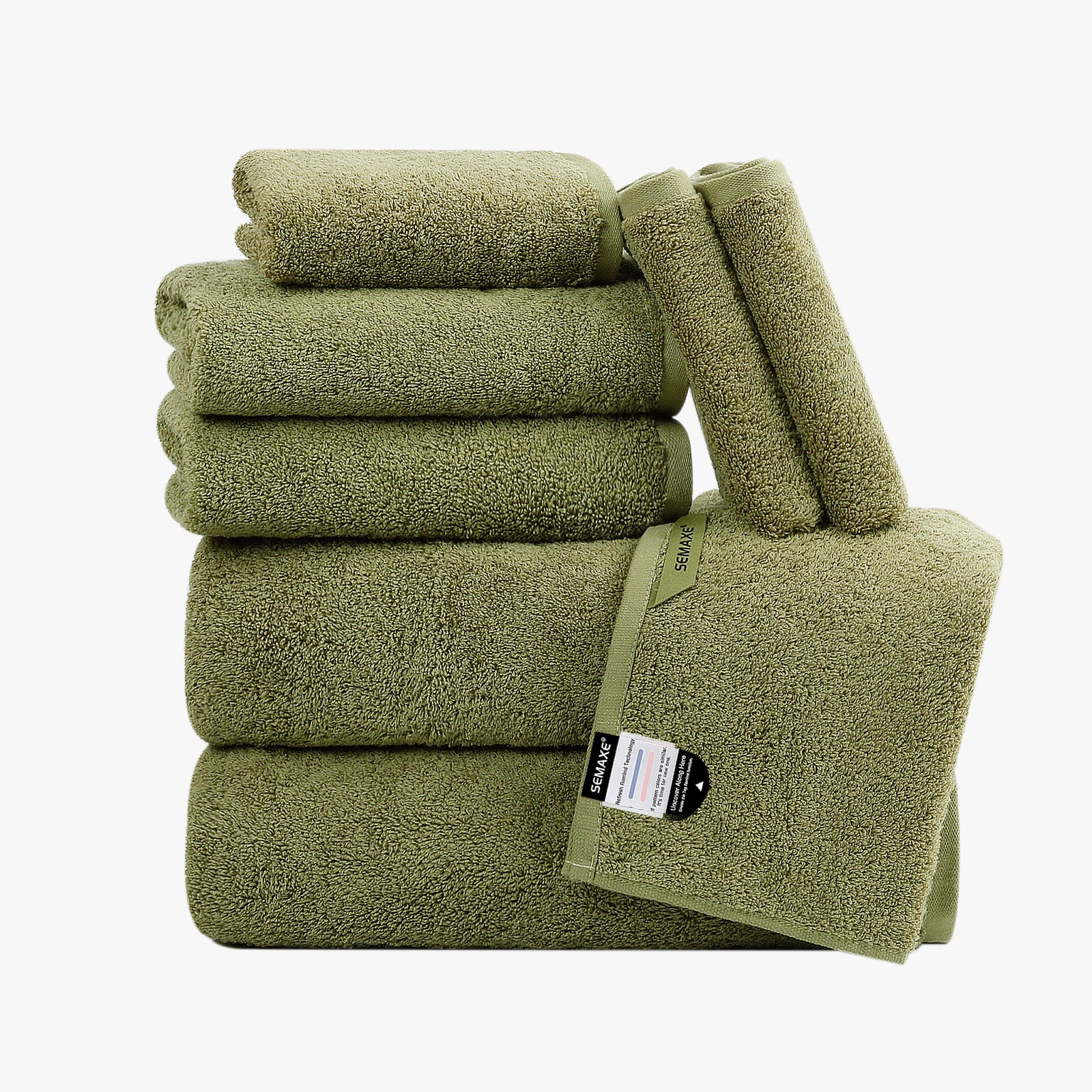
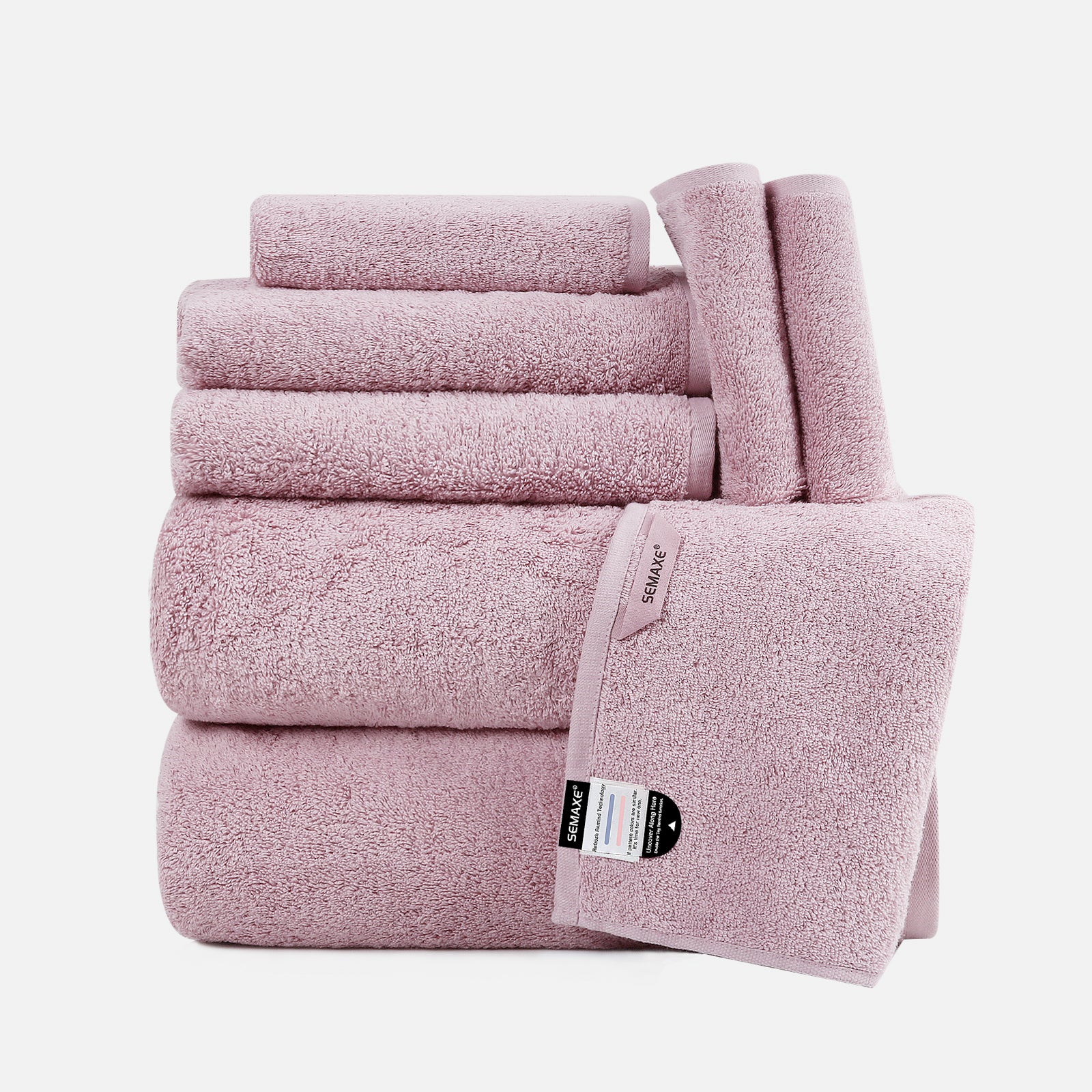
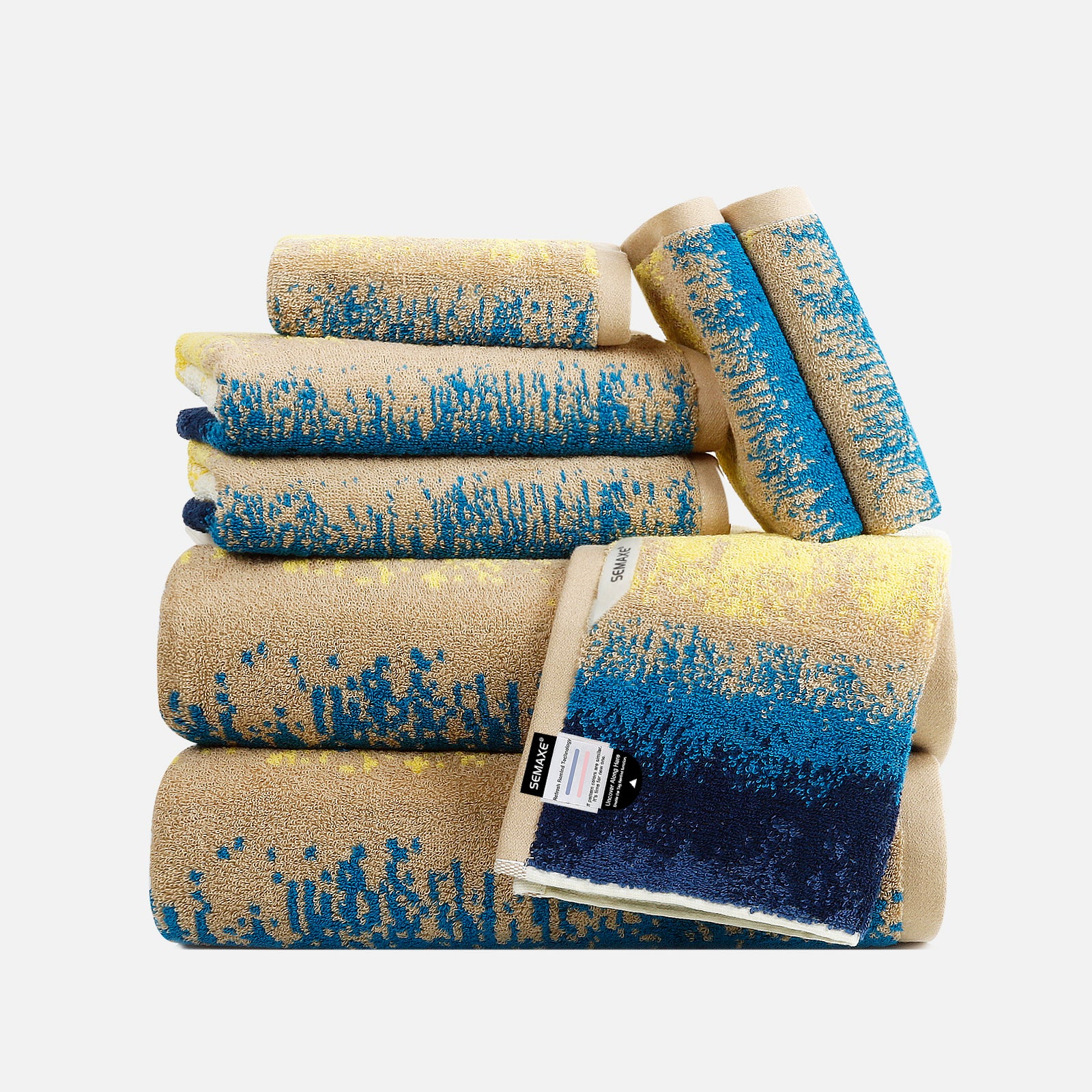
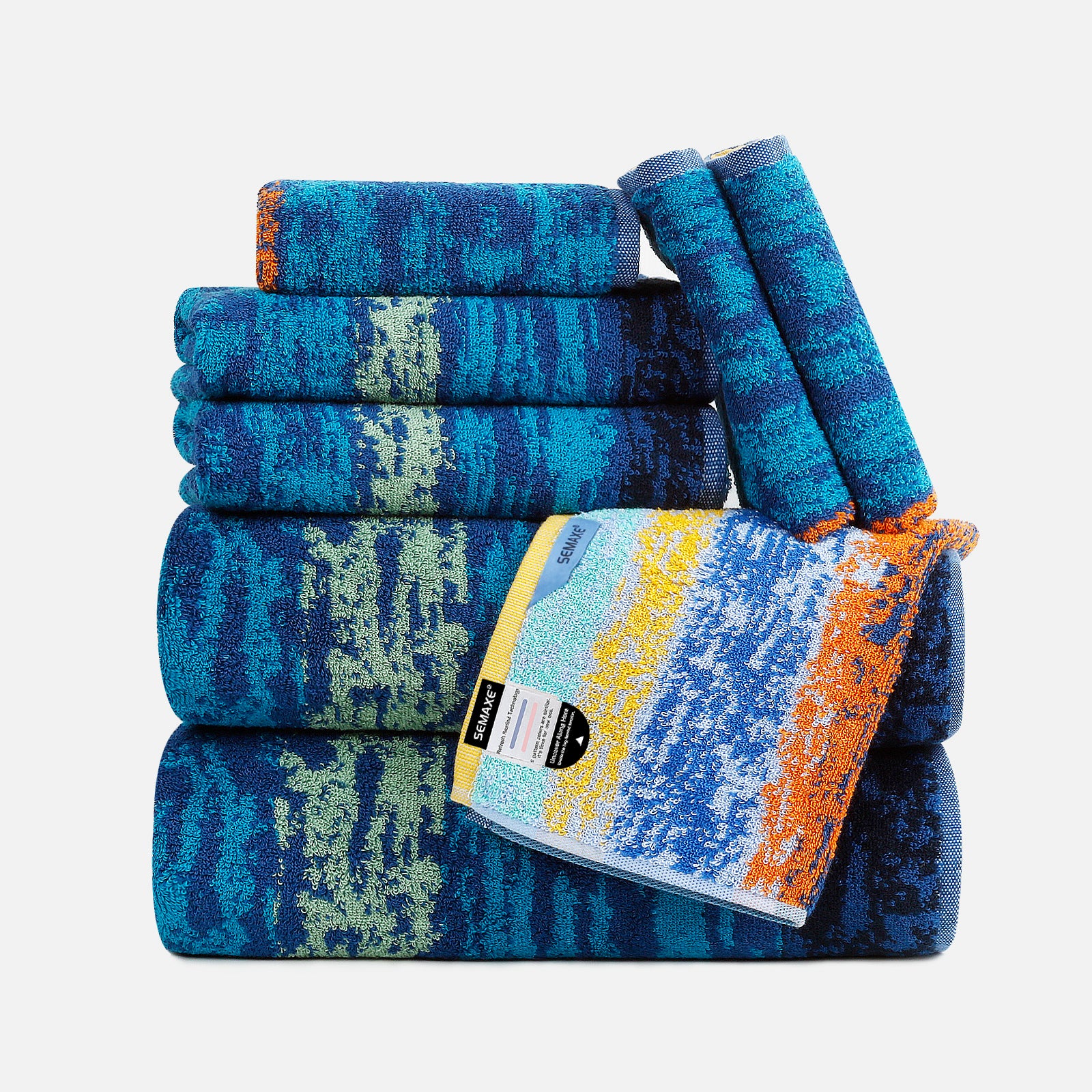
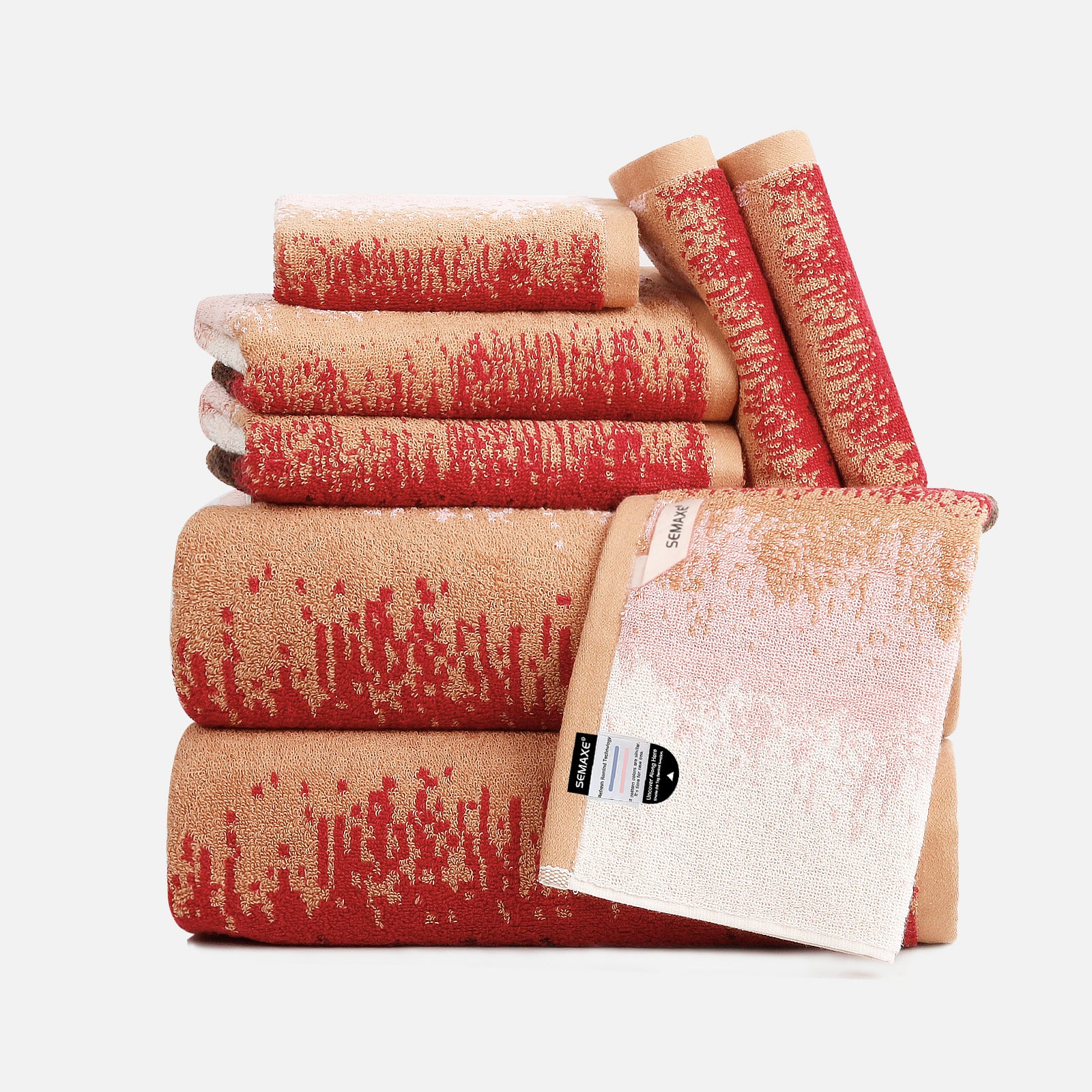
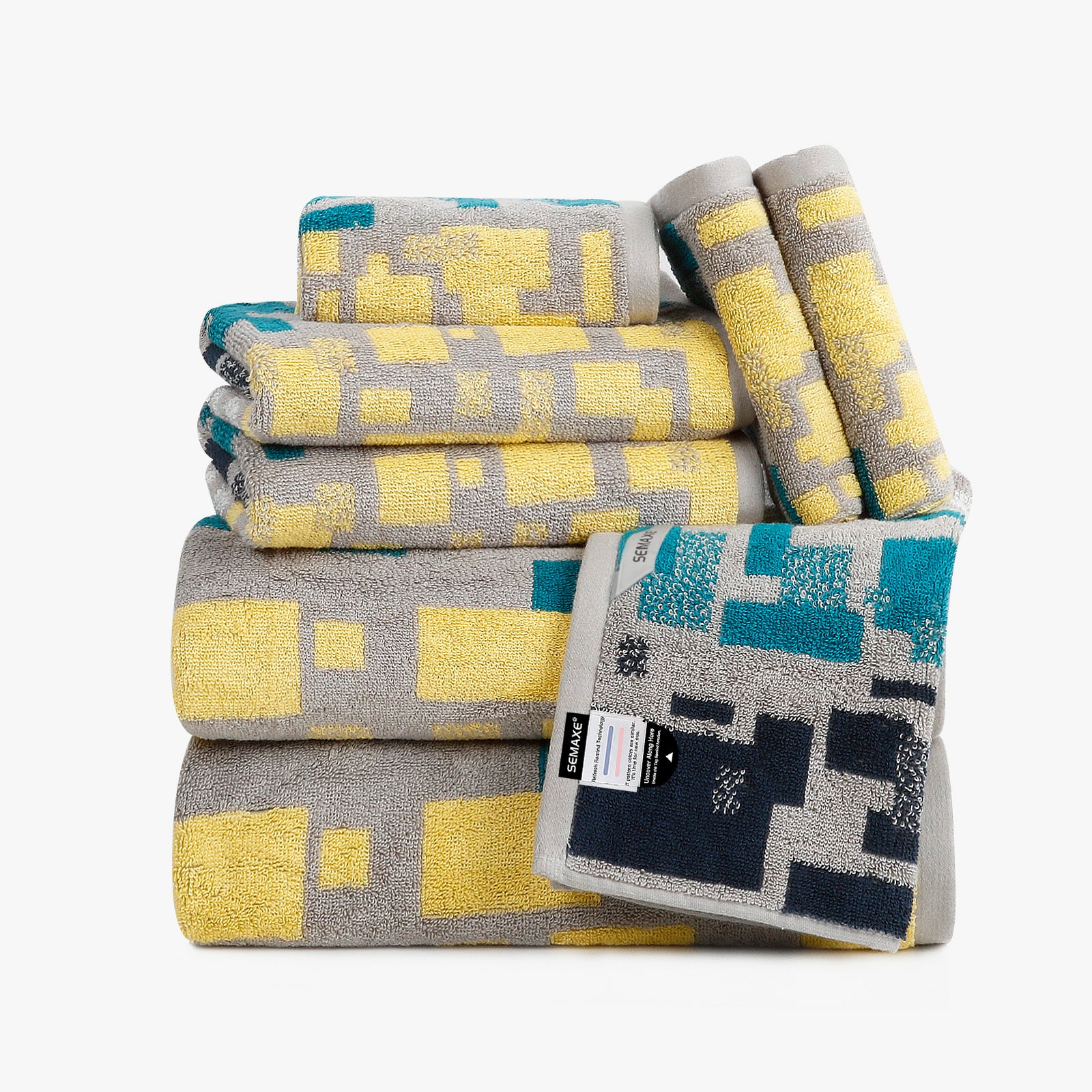
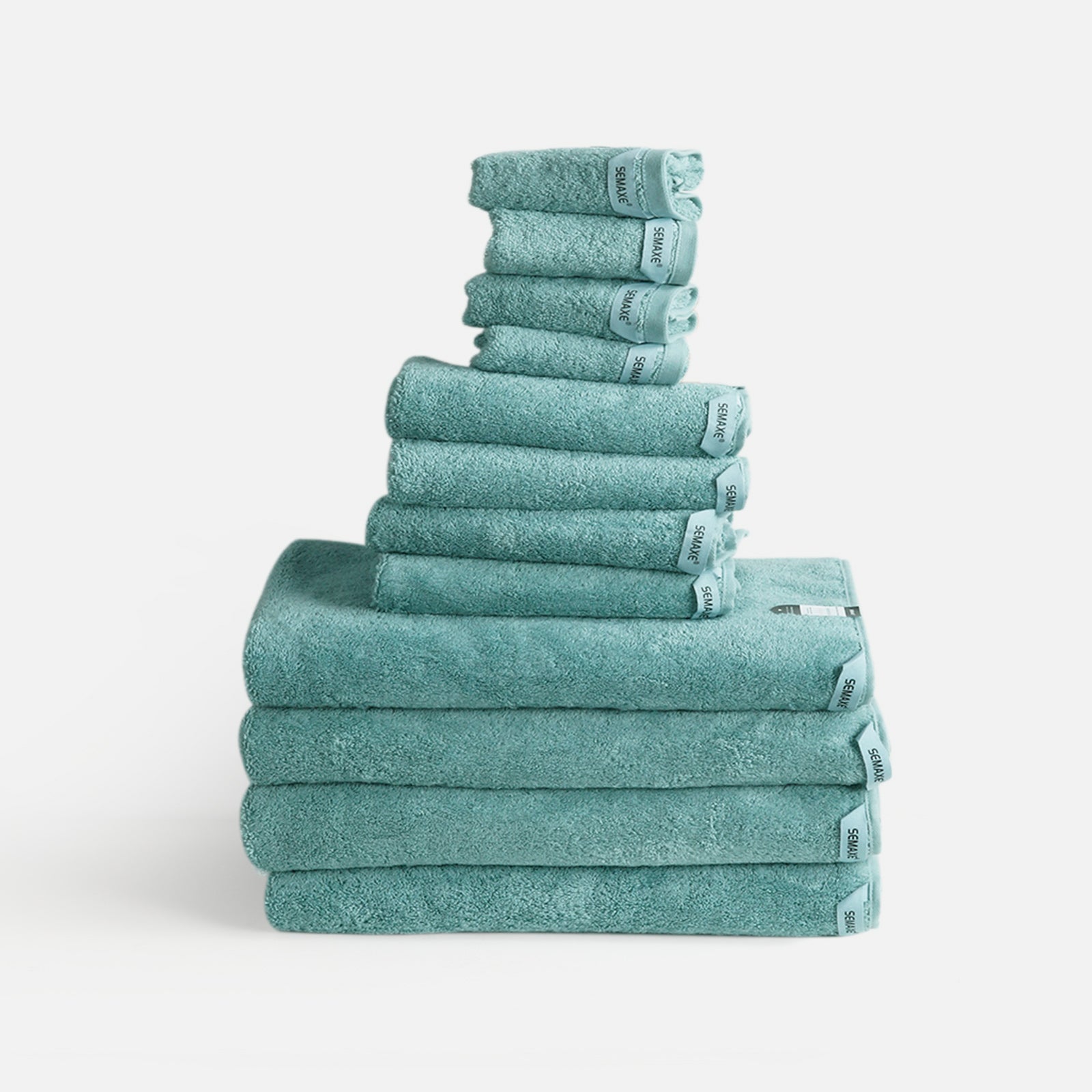
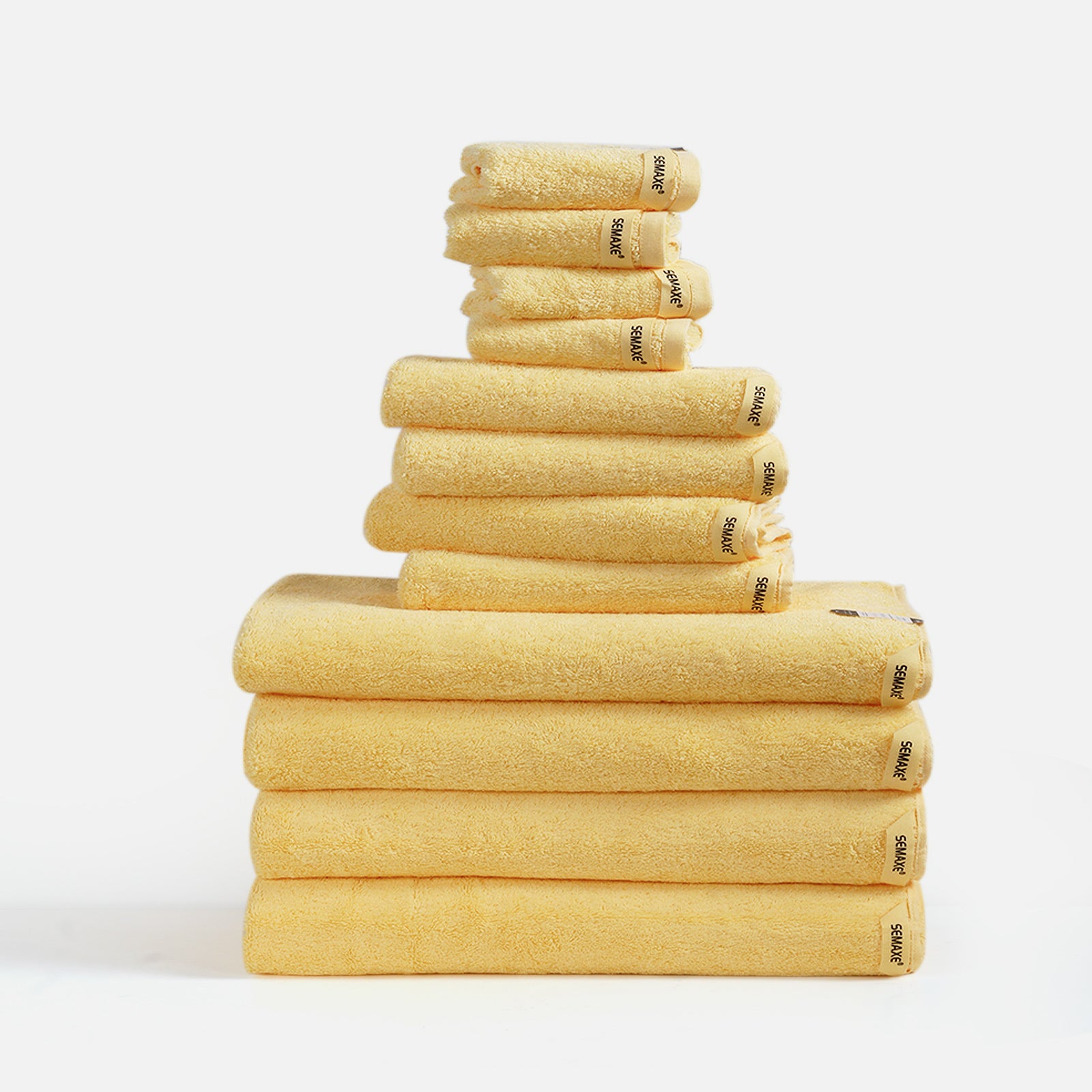
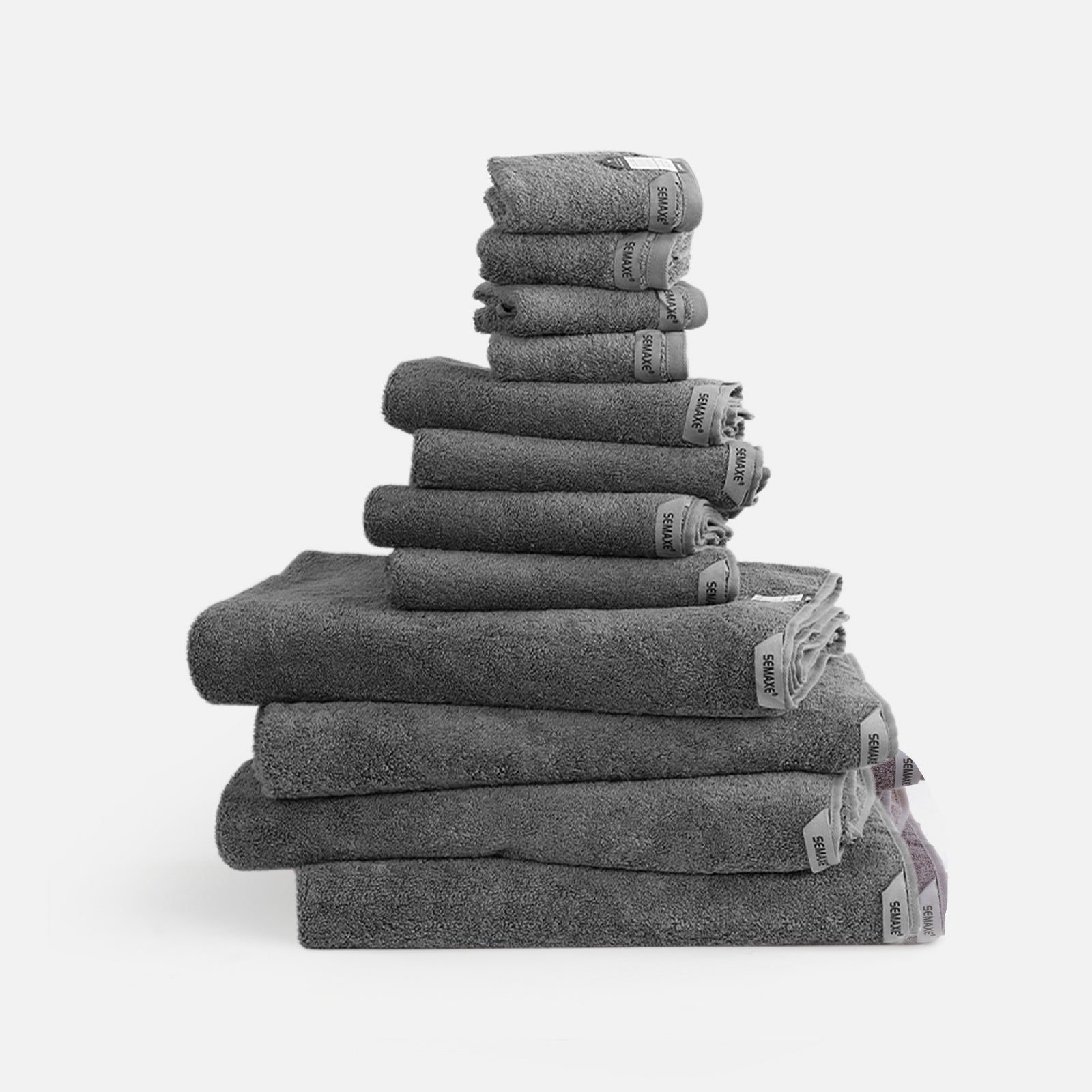
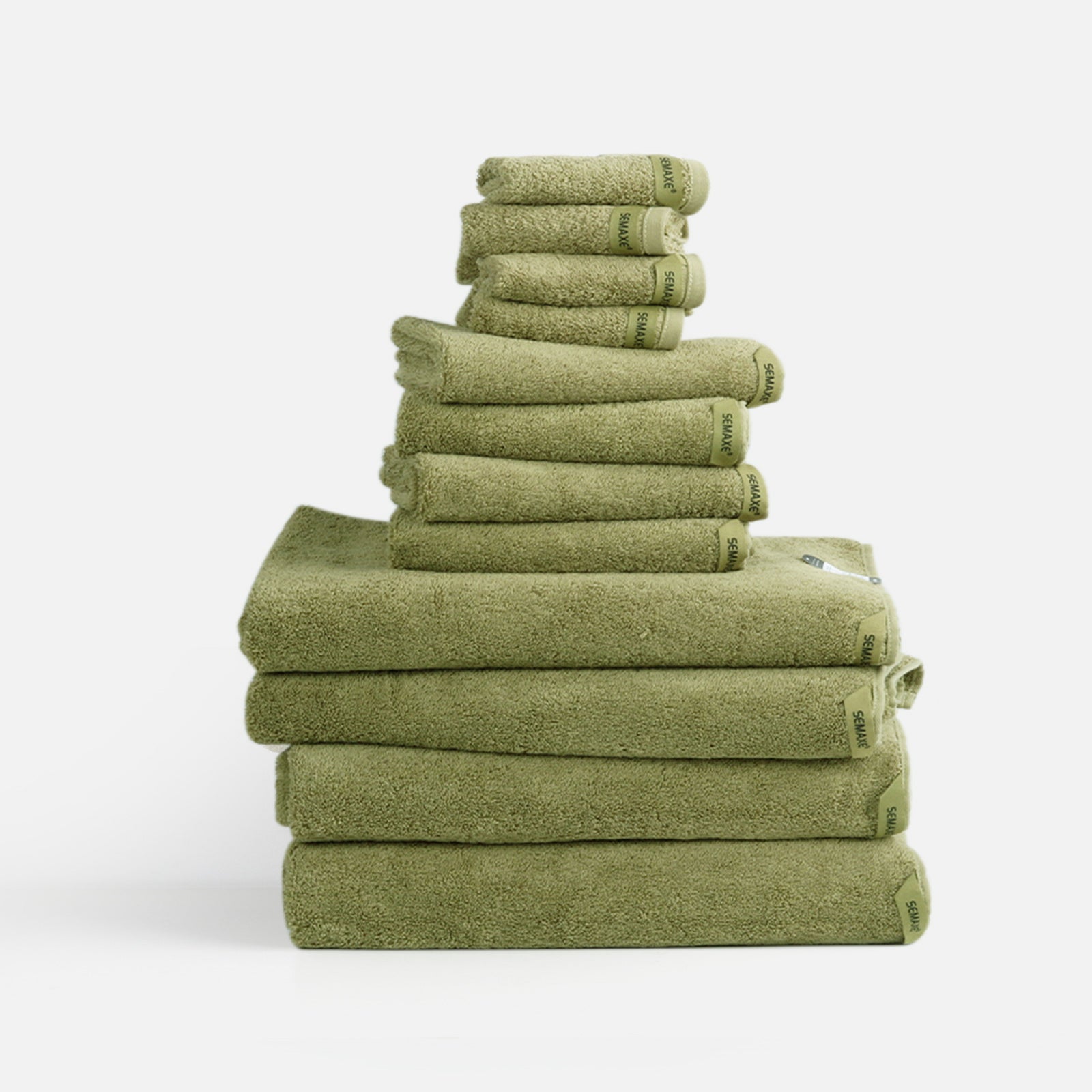
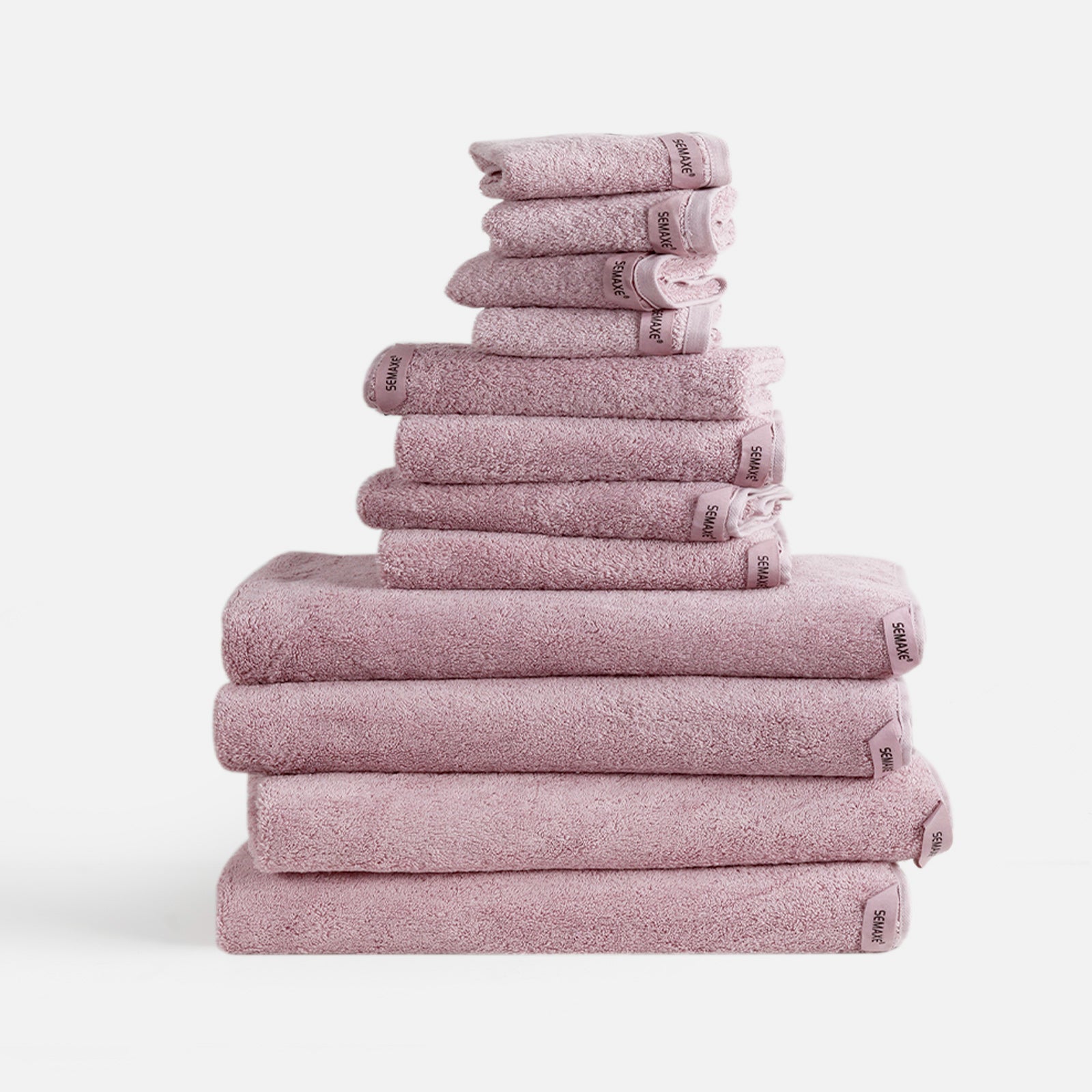
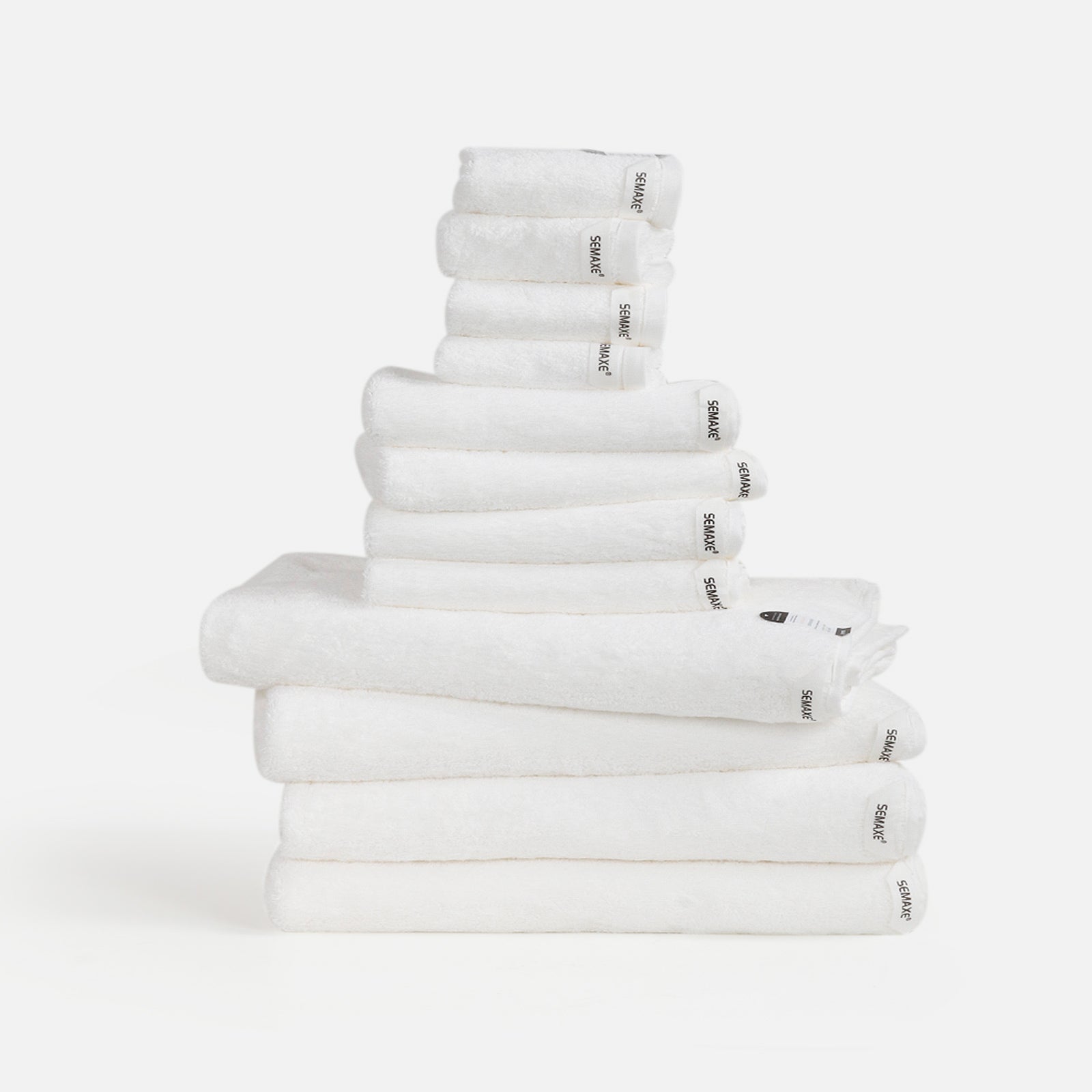
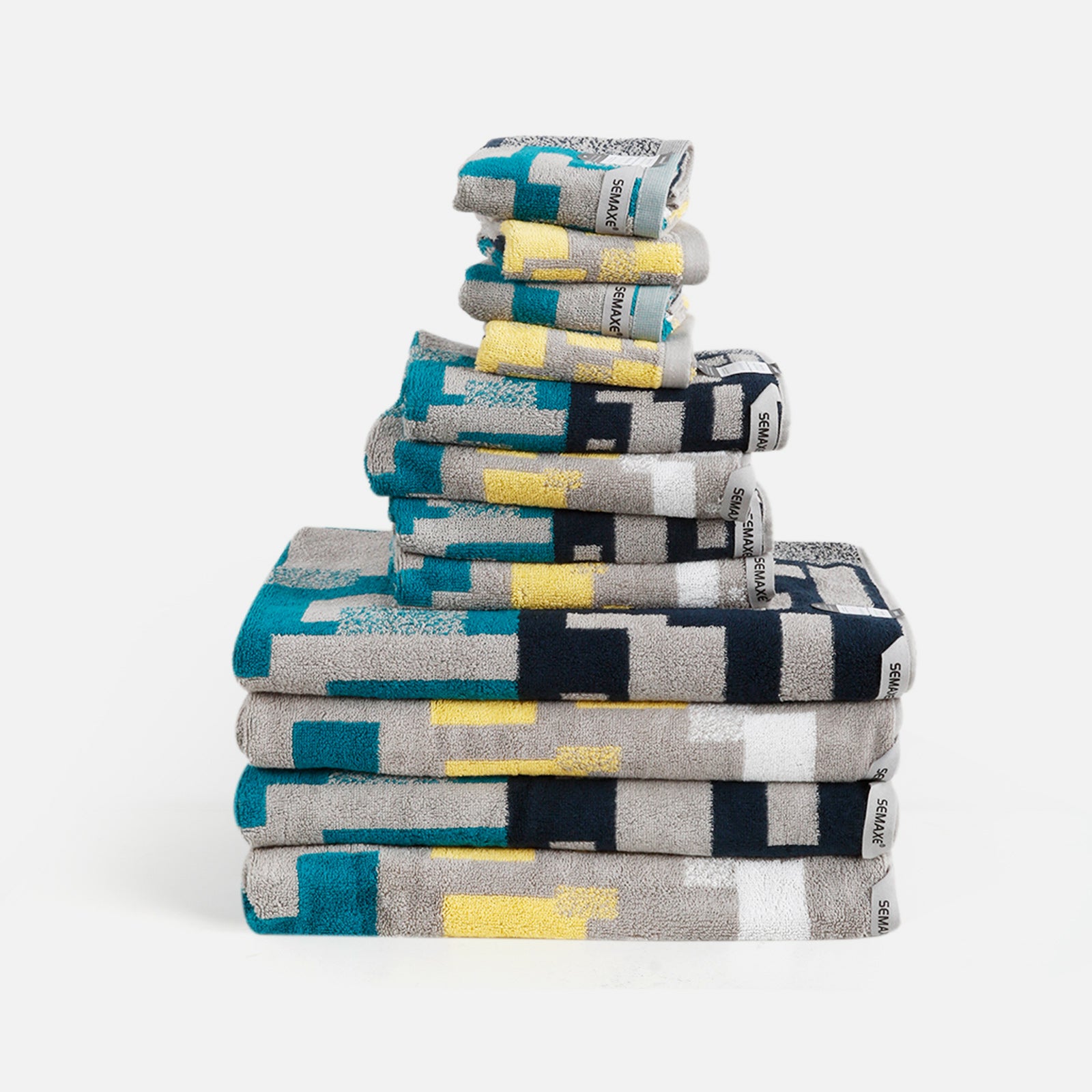
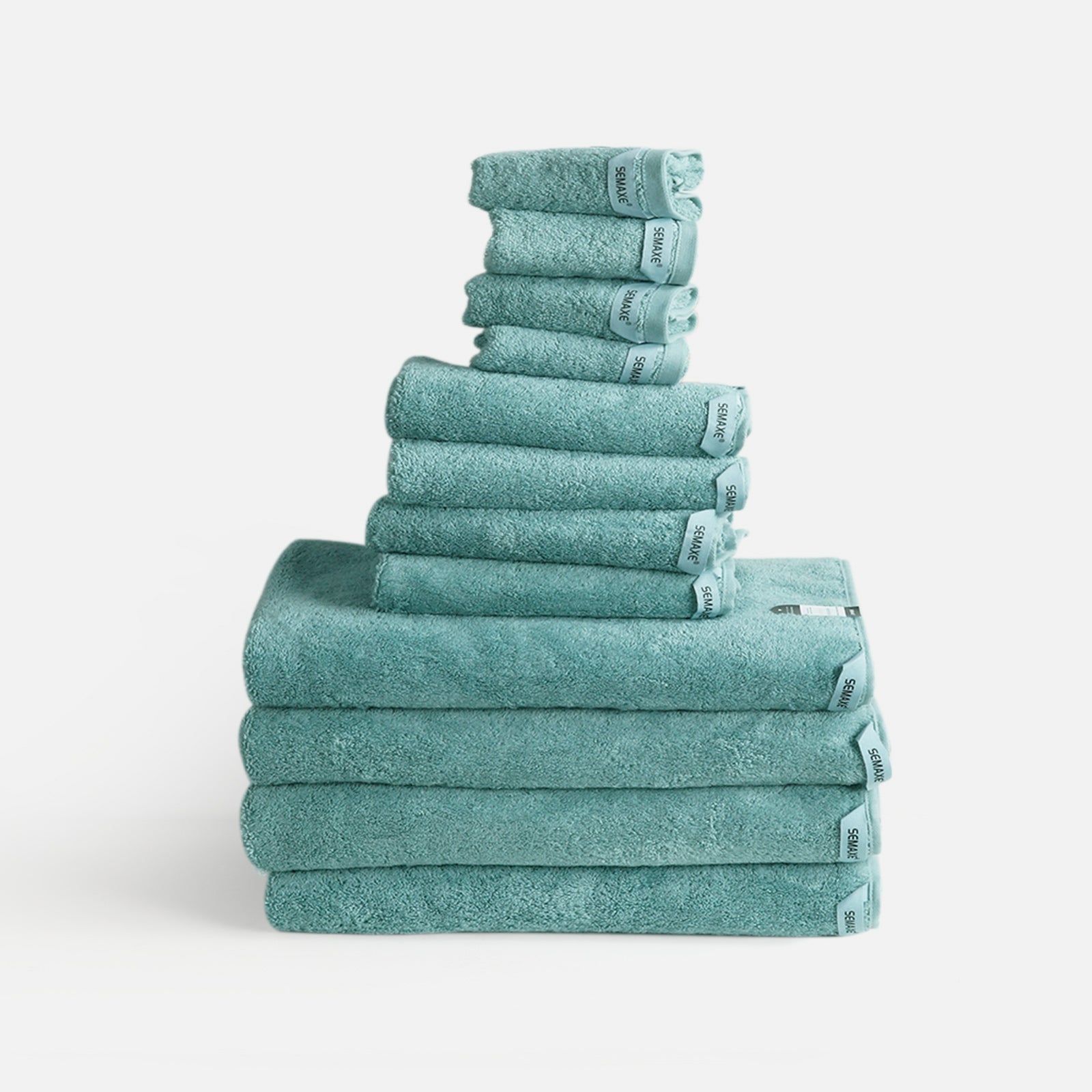
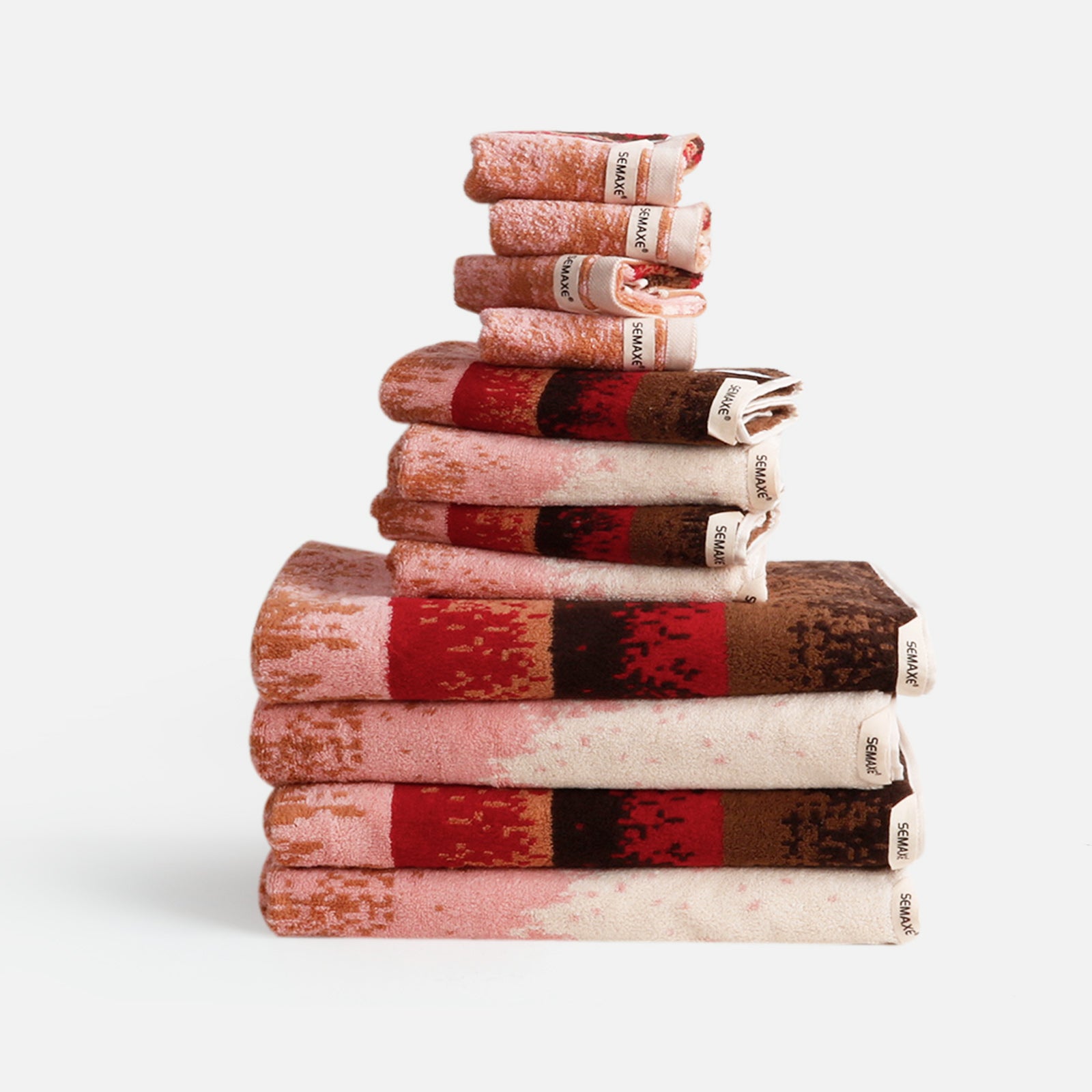
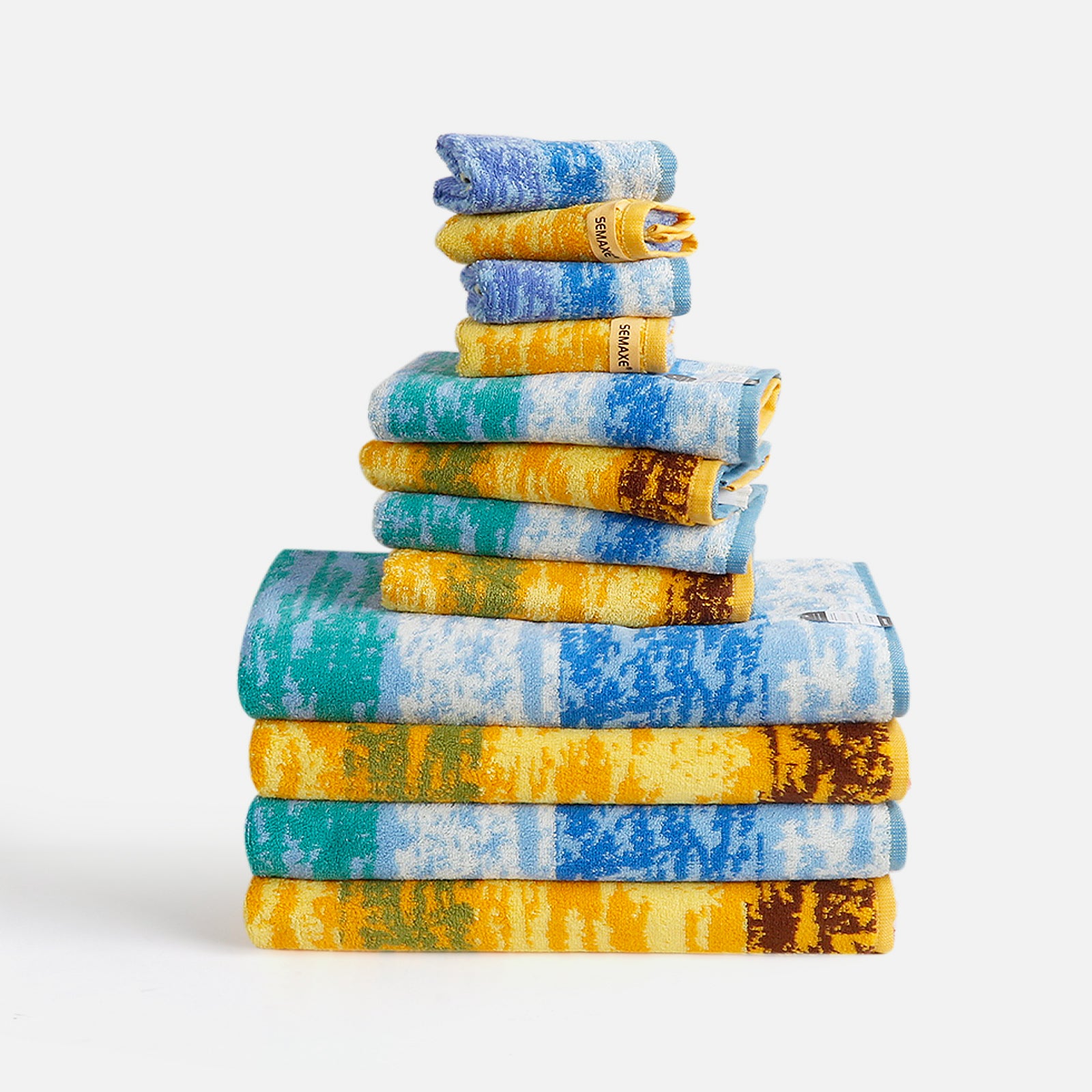
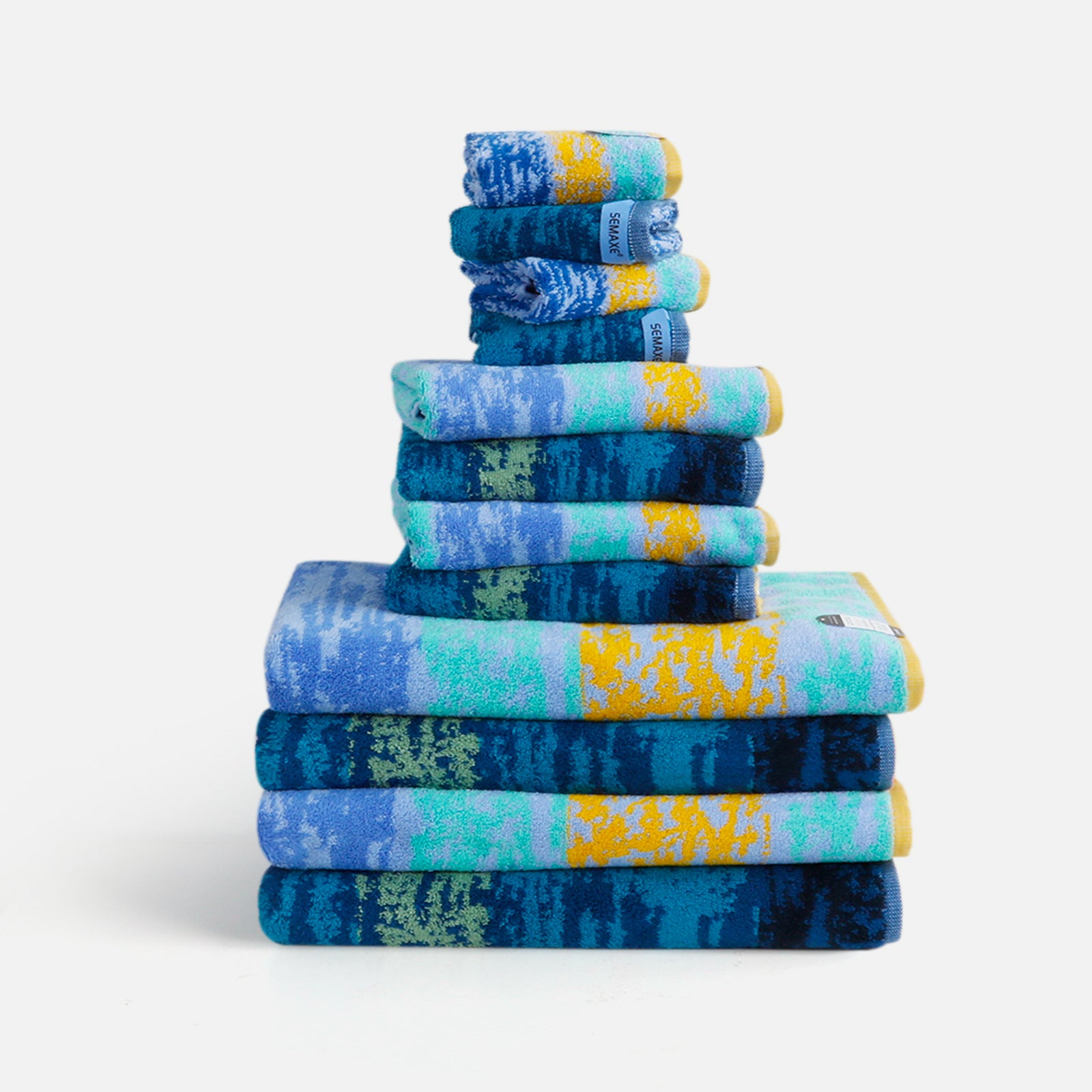
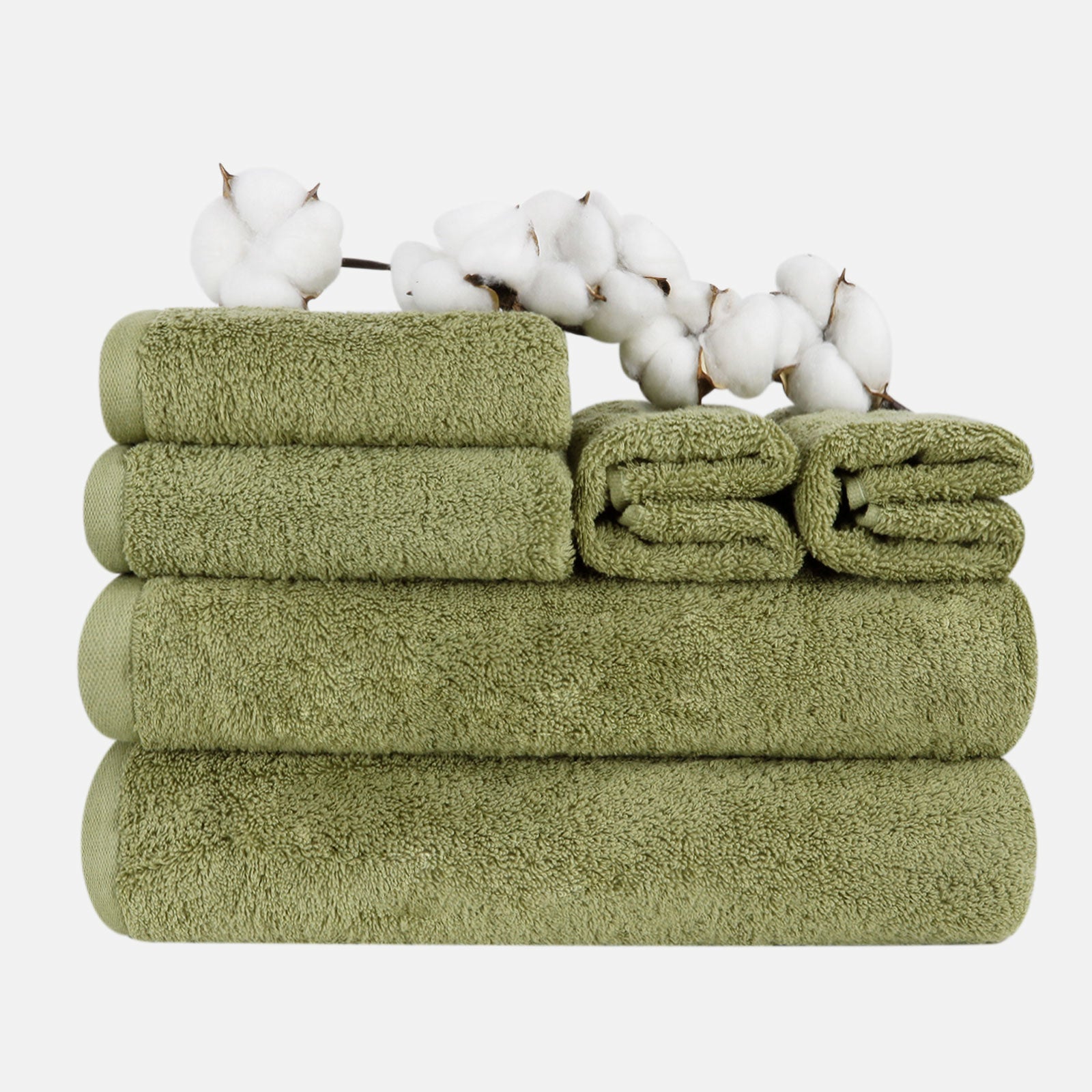
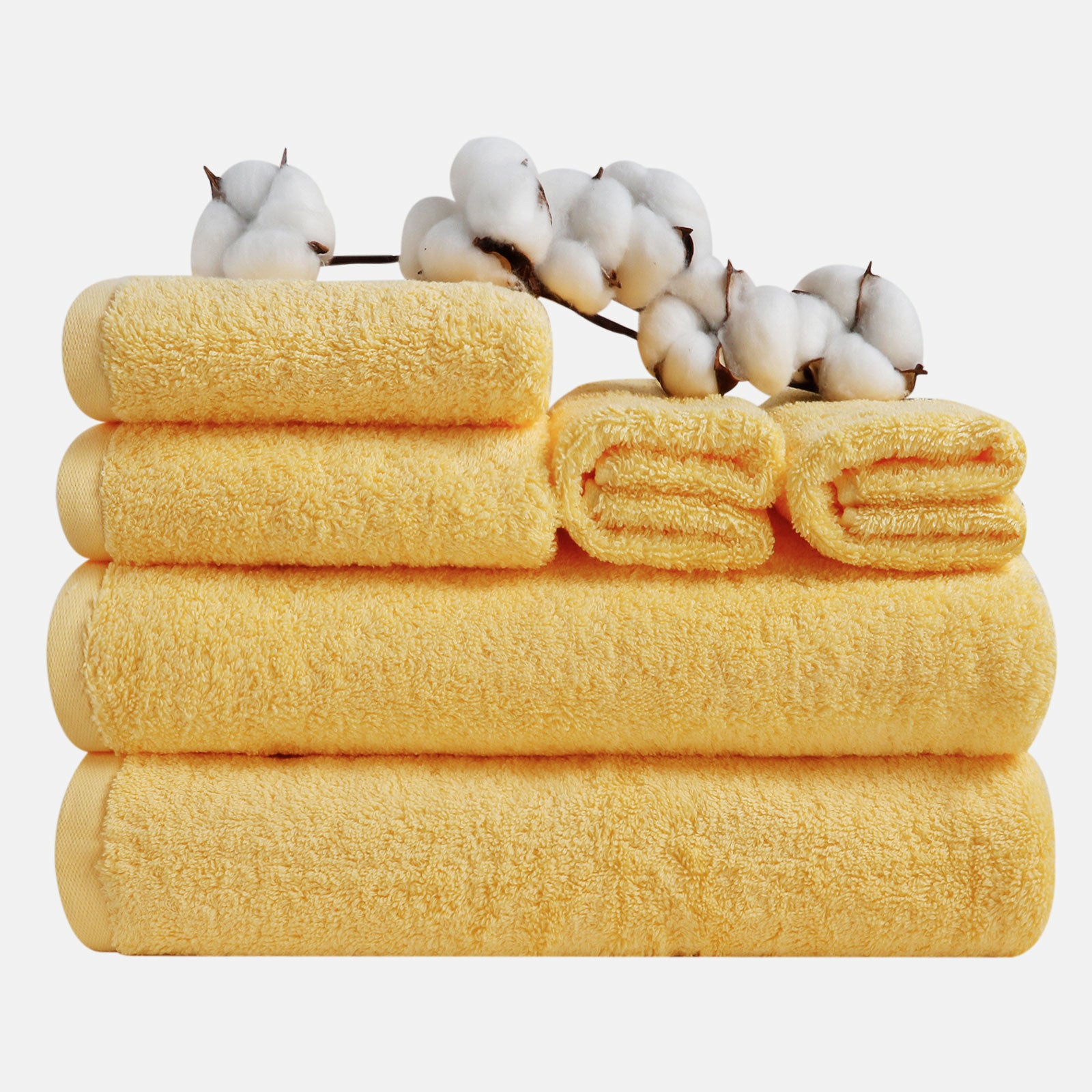
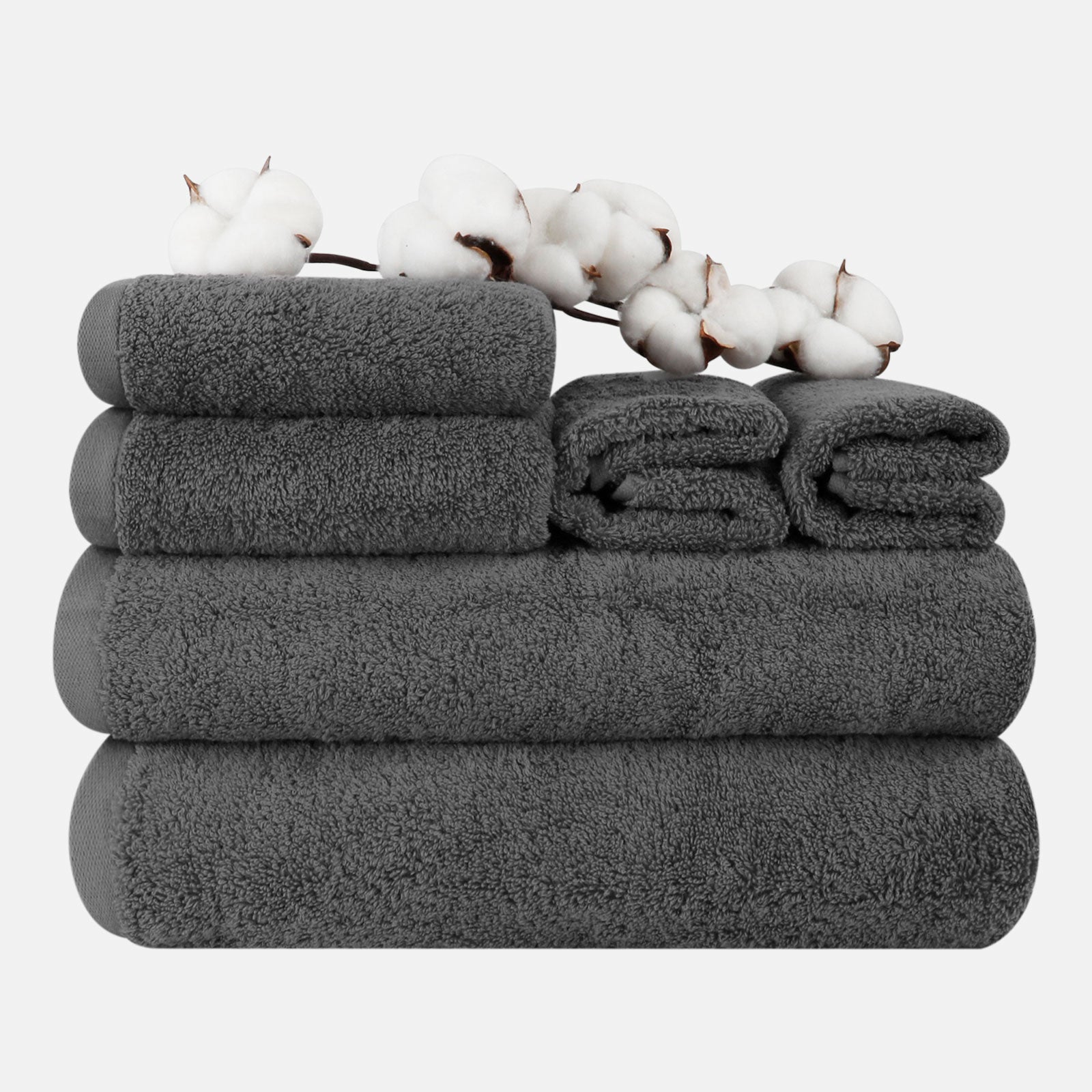
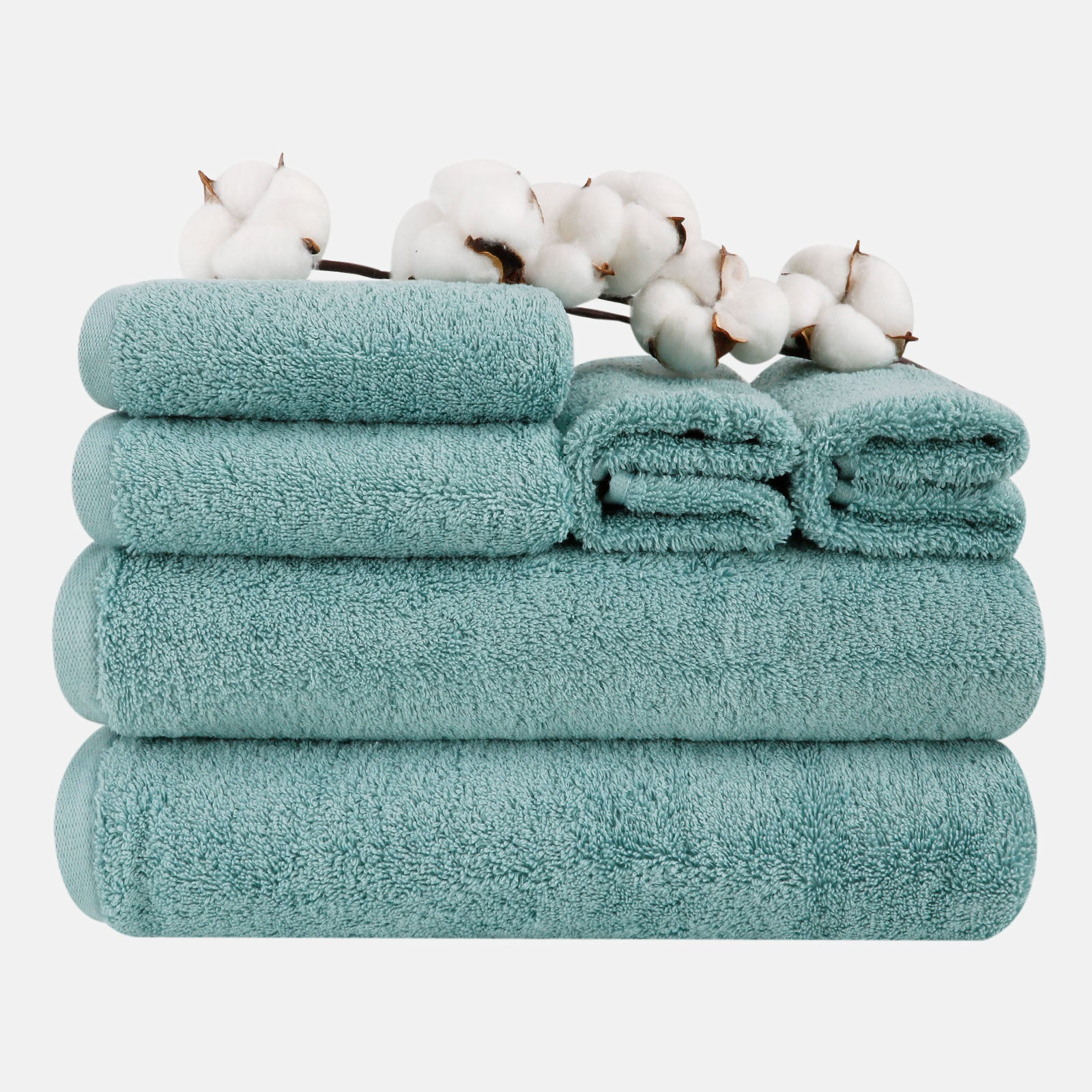
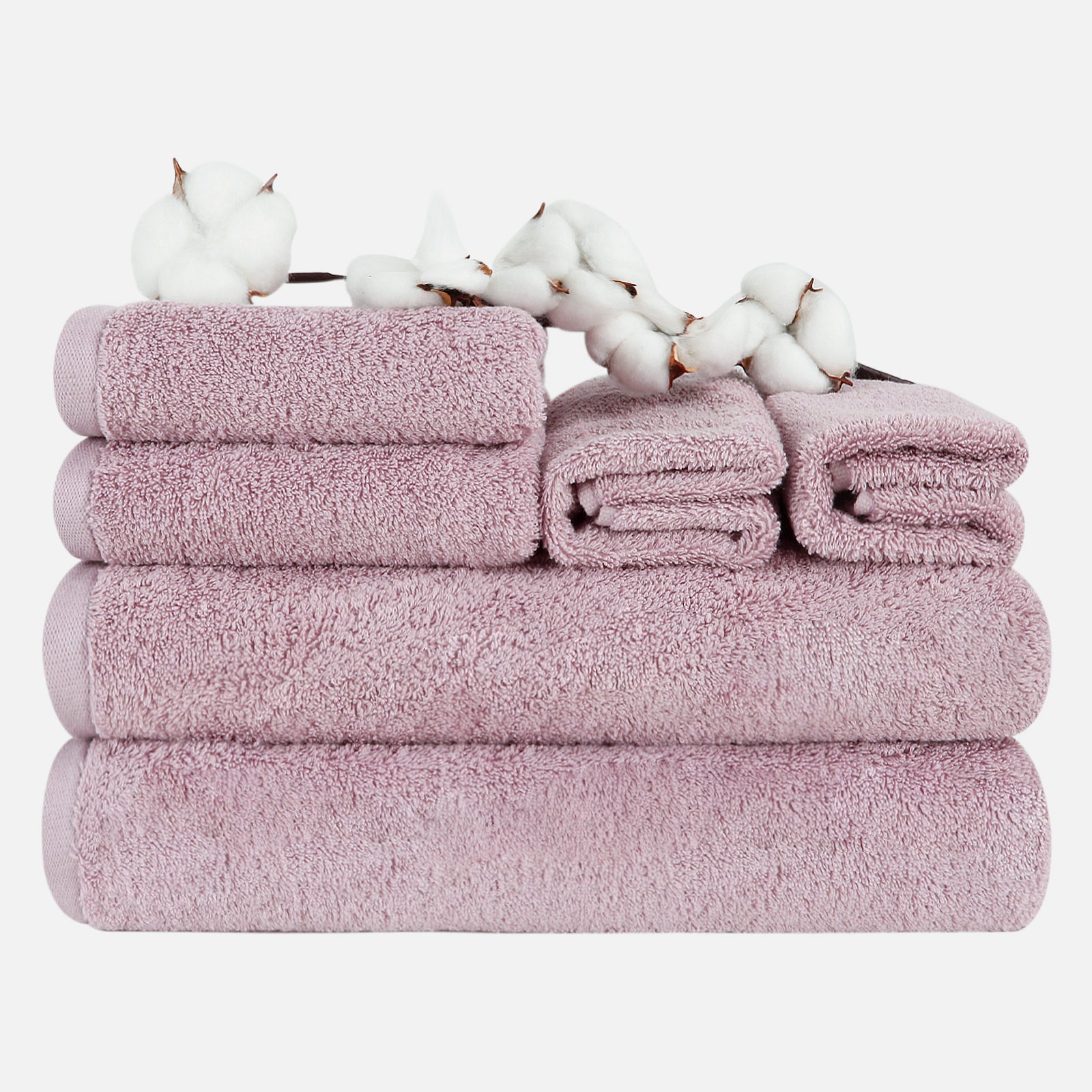
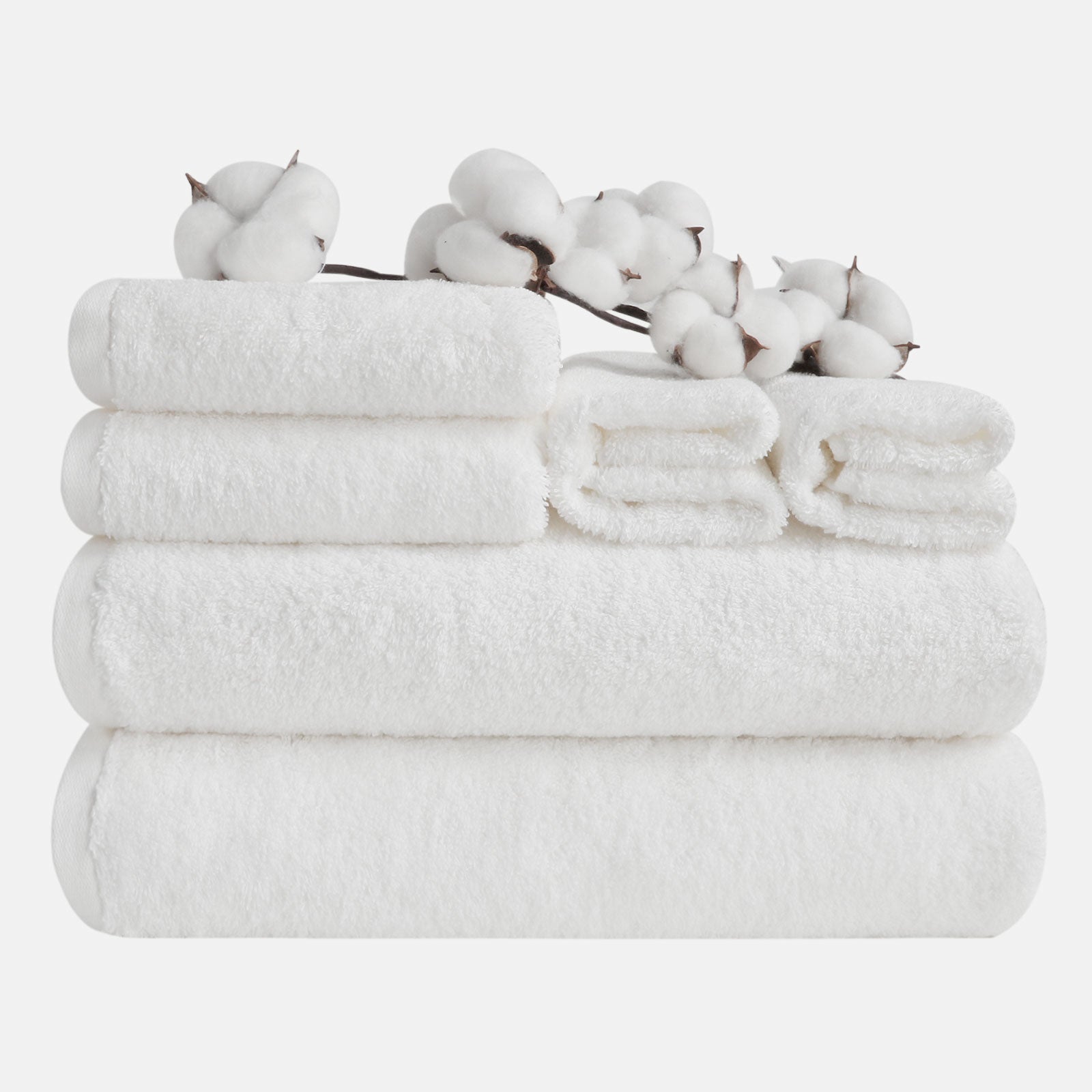
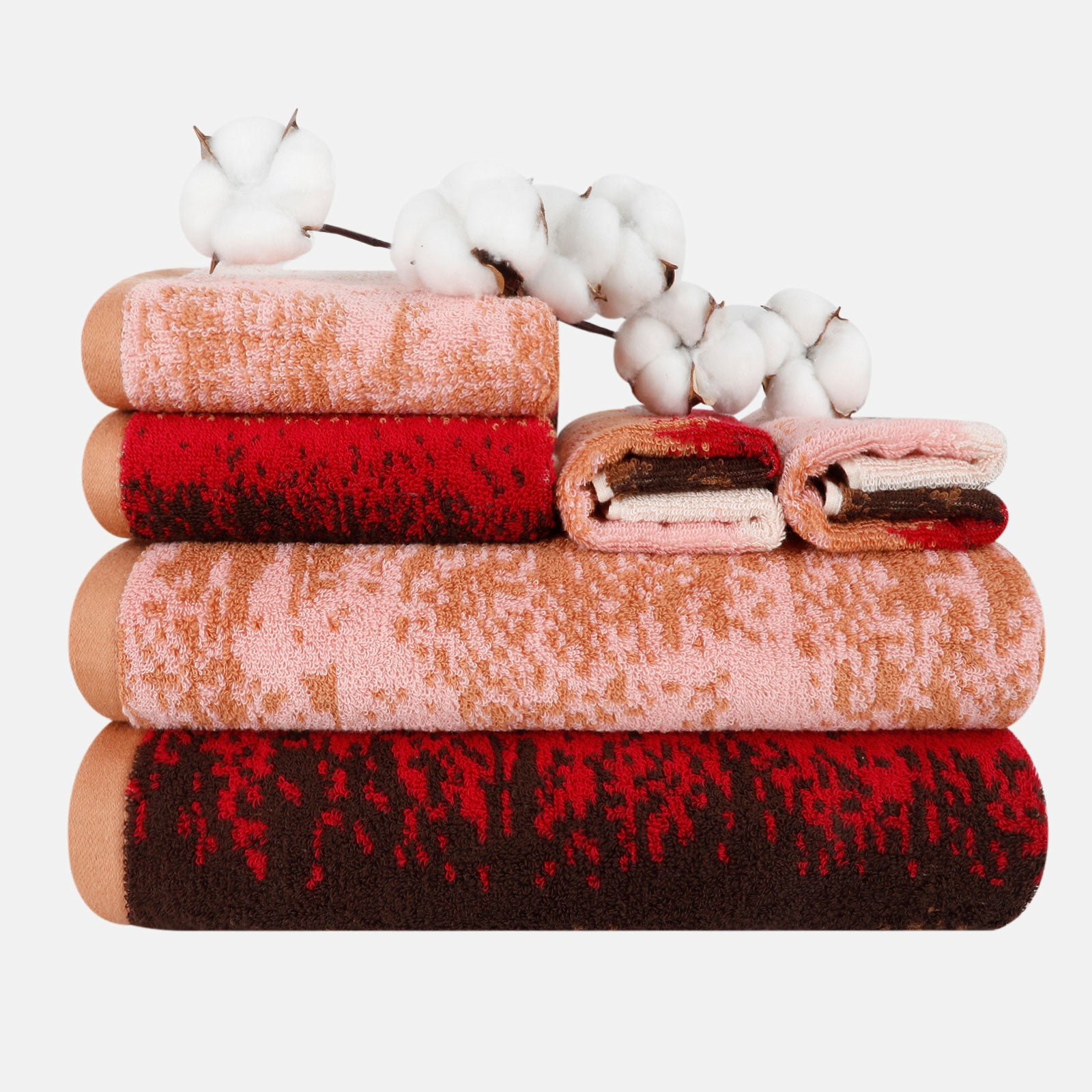
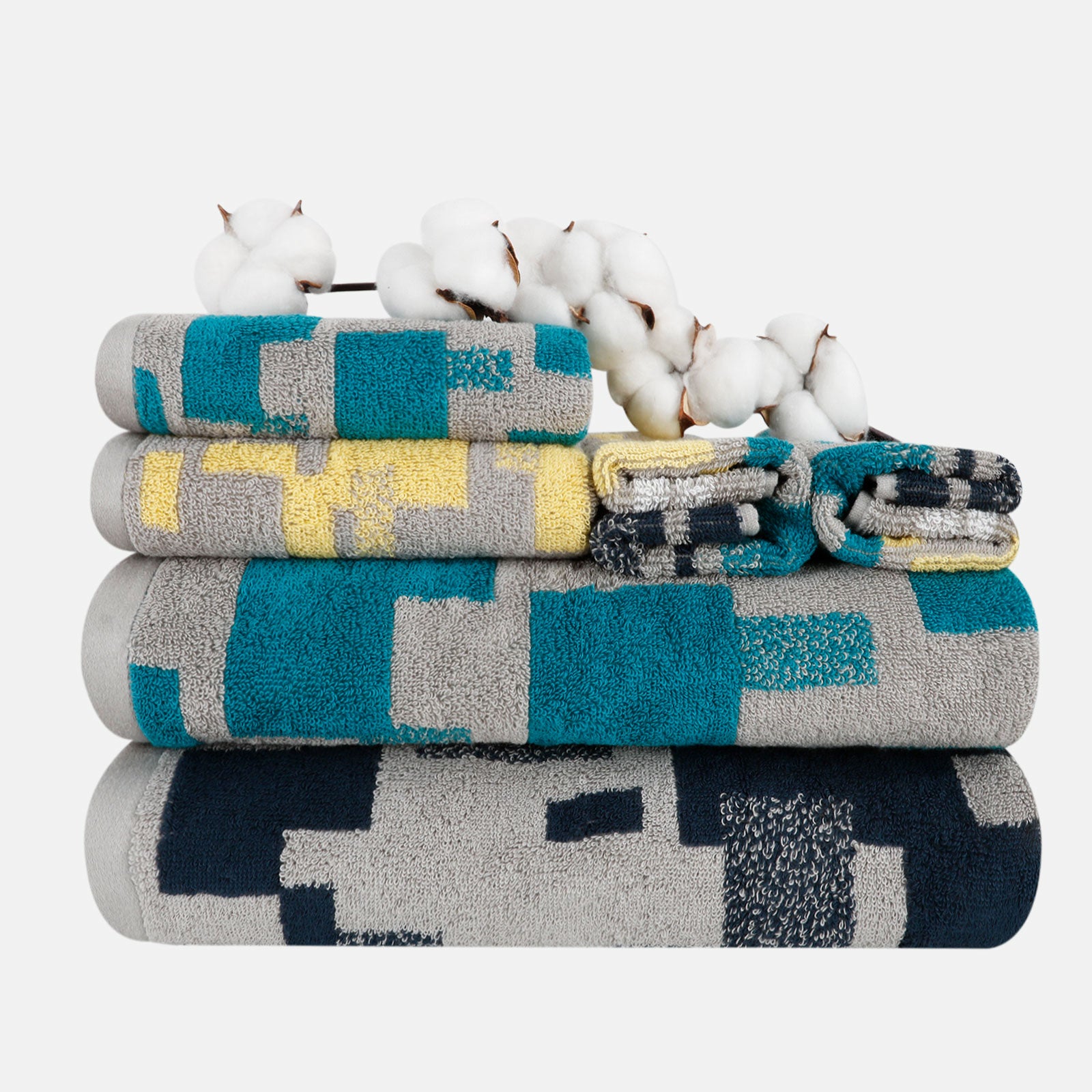
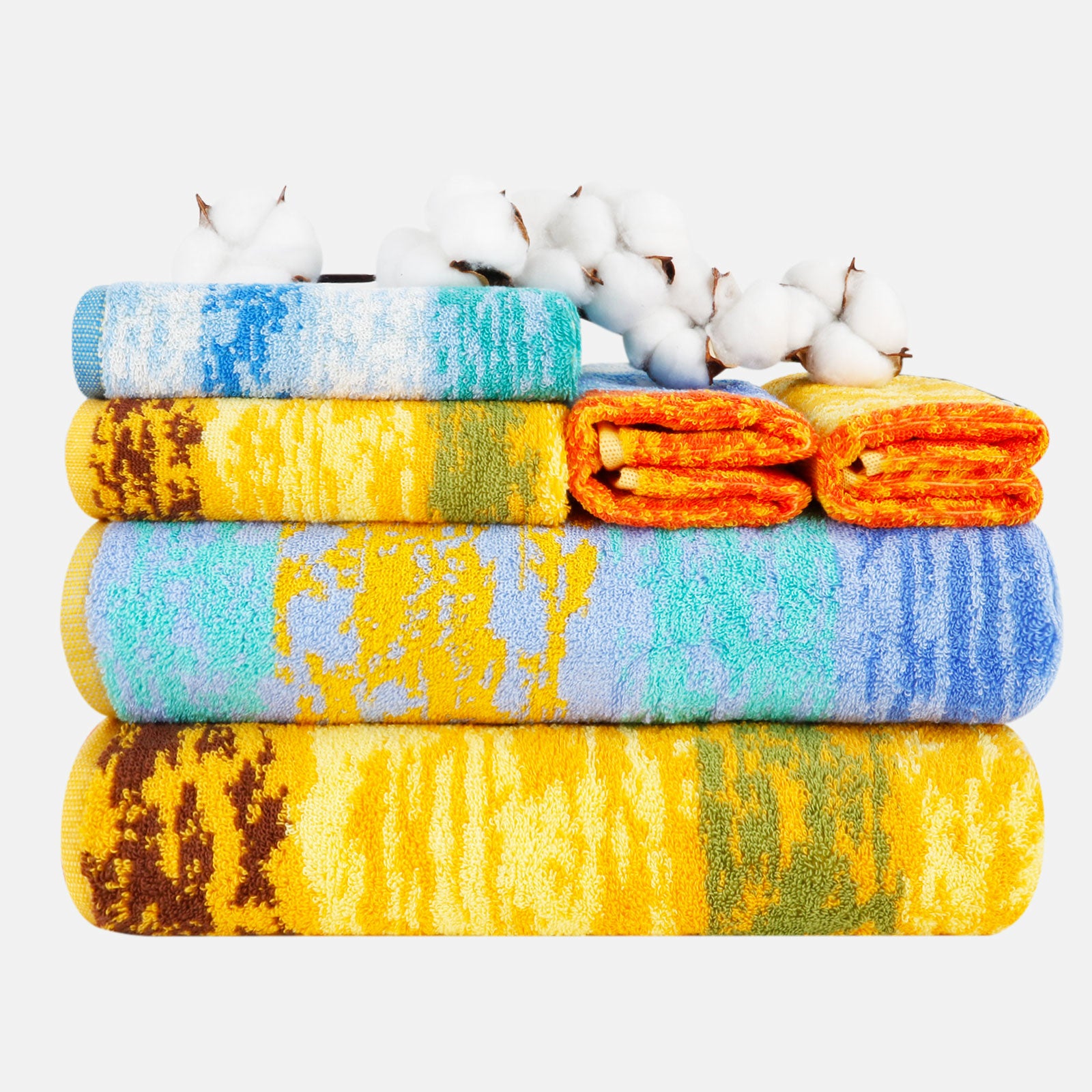
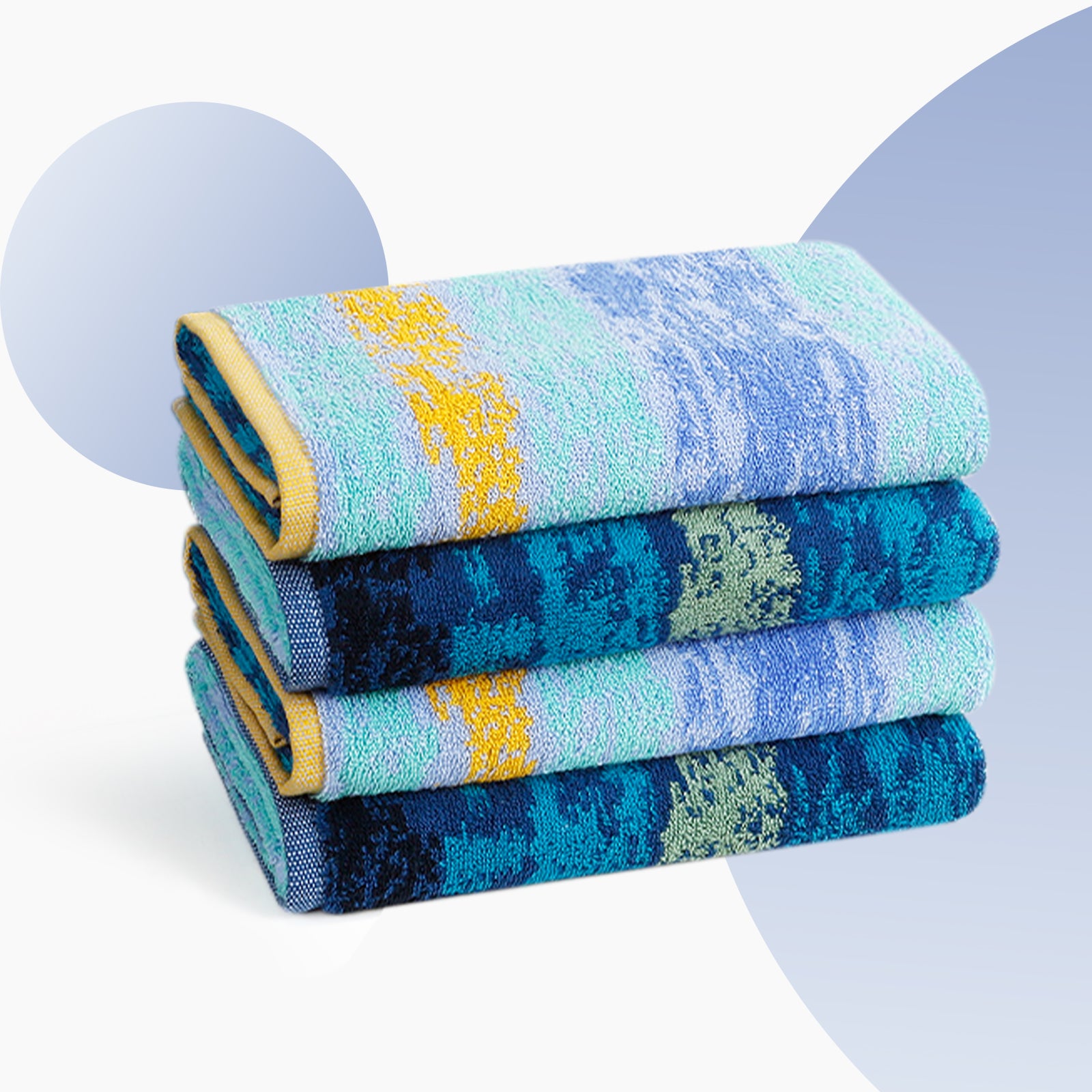
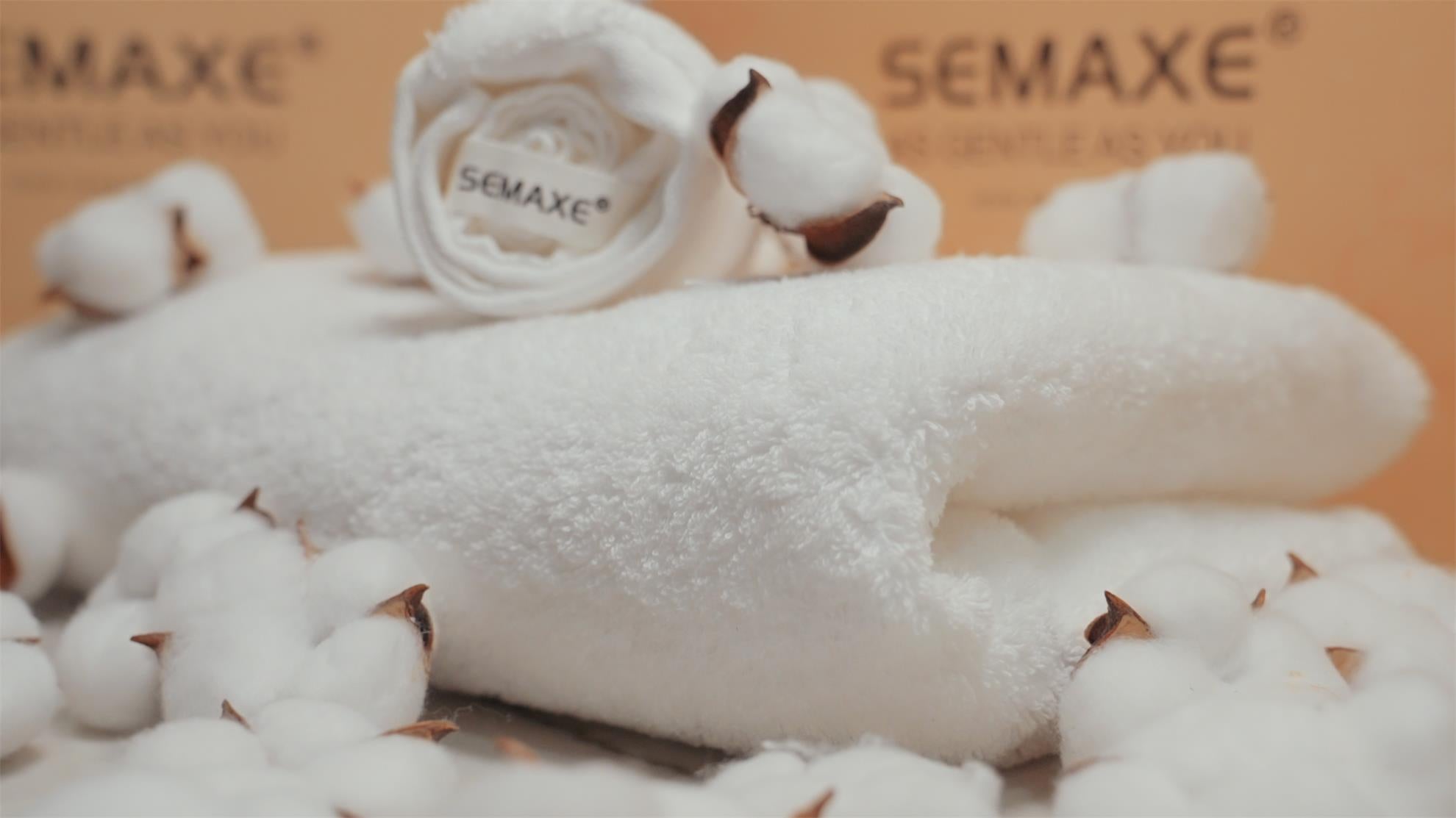
SEMAXE towels are crafted from 100% natural cotton. While our primary focus is on delivering exceptional quality and comfort, we believe that natural materials are inherently more sustainable than synthetic alternatives. Natural cotton is renewable, biodegradable, and — when cared for properly — can provide years of reliable service, reducing the need for frequent replacement.
We encourage customers to practice responsible care: wash only when needed, use cold or warm water, avoid unnecessary chemicals, and line dry when possible. These small habits collectively make a meaningful difference over the life of your towels.
Key Takeaways:
-
Organic cotton eliminates synthetic pesticides and fertilizers
-
GOTS certification is the gold standard for sustainable textiles
-
True sustainability considers manufacturing, packaging, and end-of-life disposal
-
Durable towels that last longer are inherently more sustainable
-
Wash in cold/warm water, line dry when possible, and use eco-friendly detergents
-
Wash towels every 3-4 uses, not after every use, to reduce environmental impact
-
Look for specific certifications rather than vague "green" claims
-
100% natural cotton is biodegradable, unlike synthetic blends