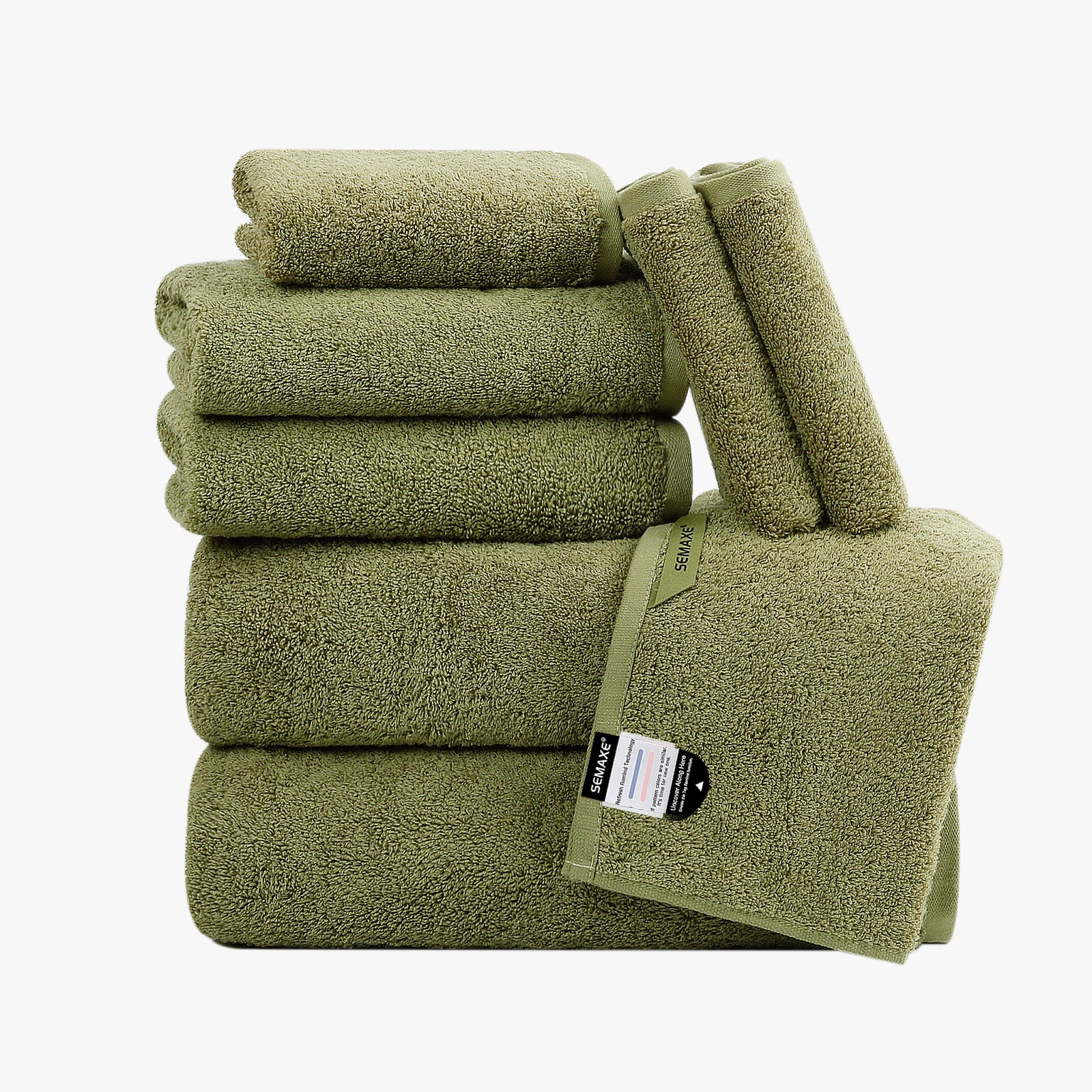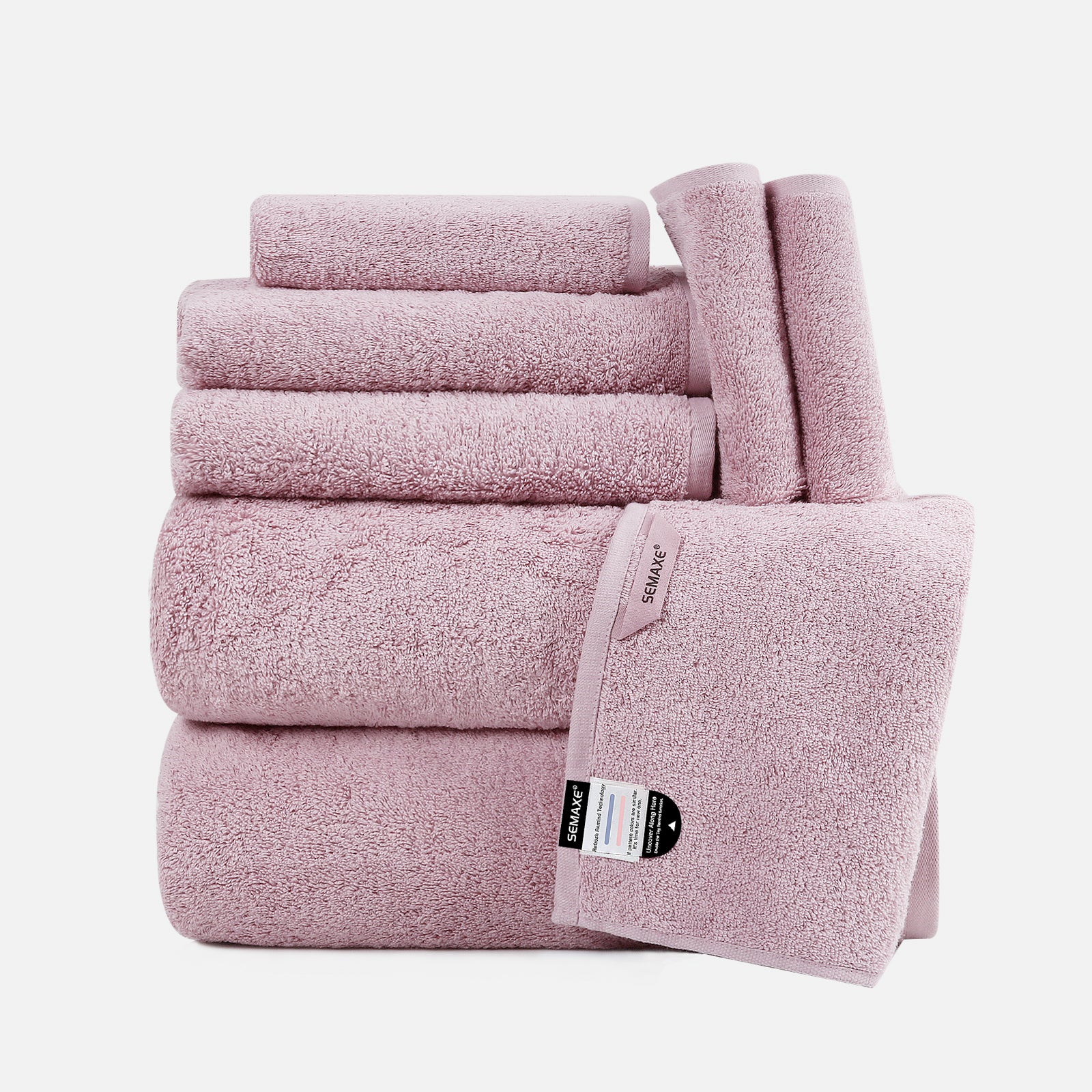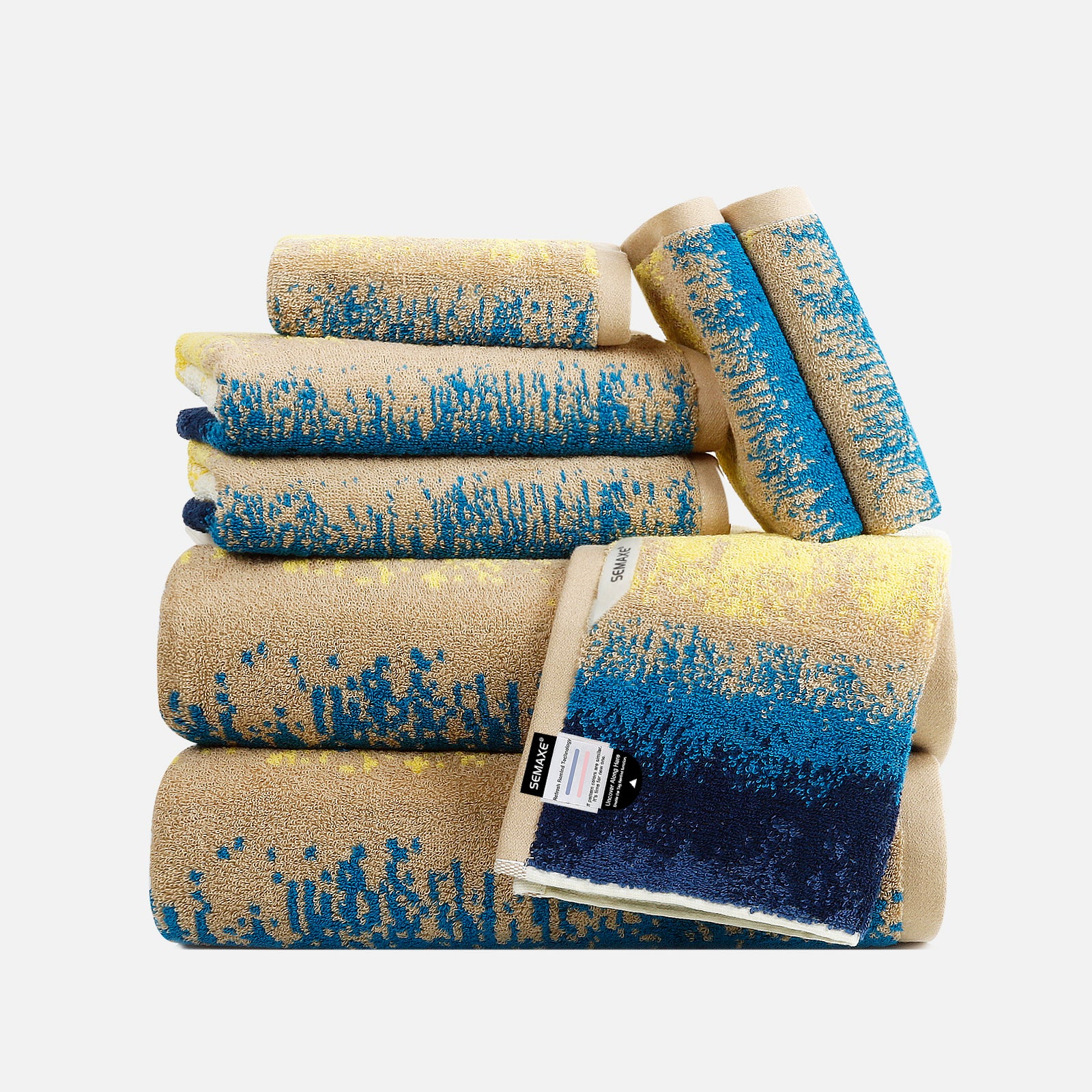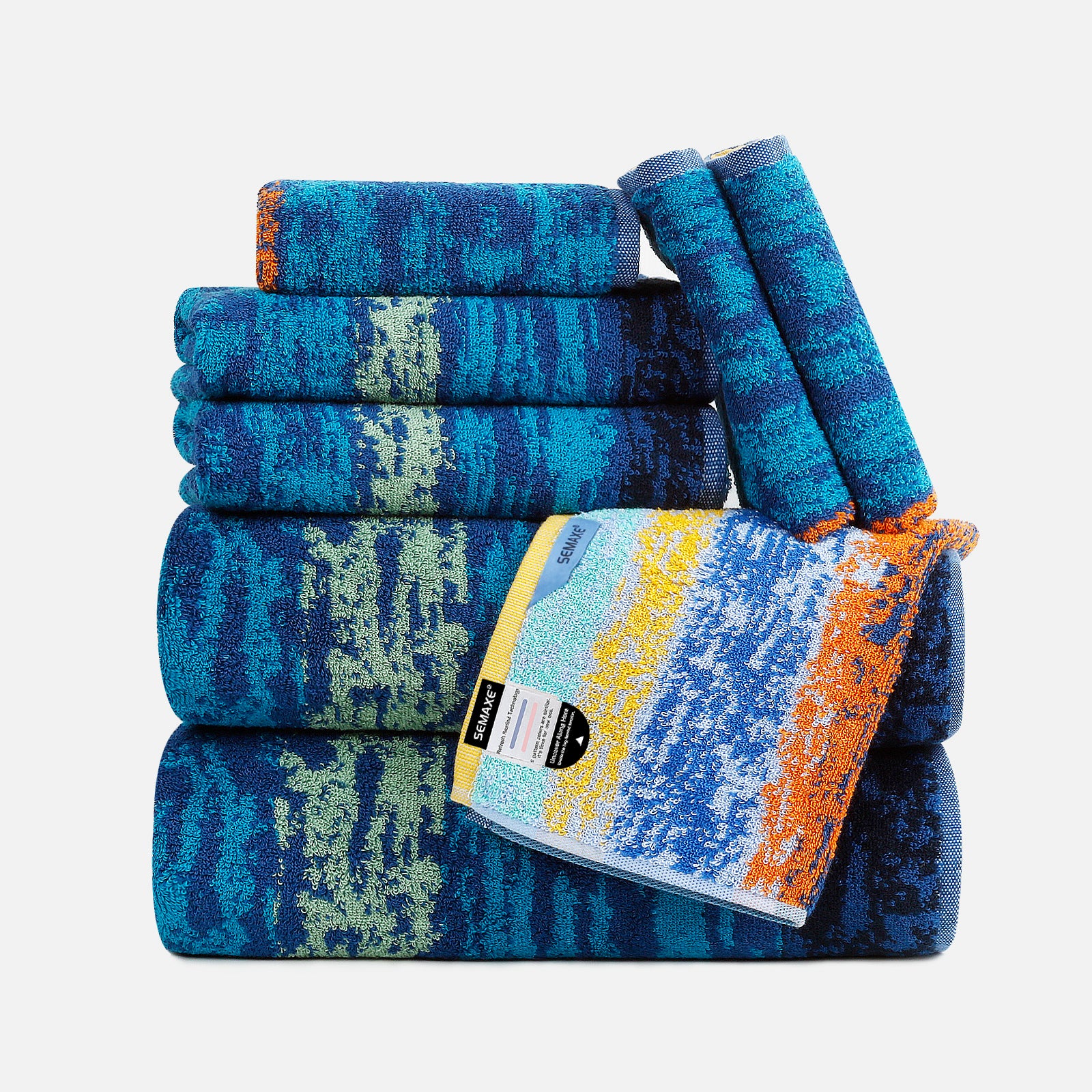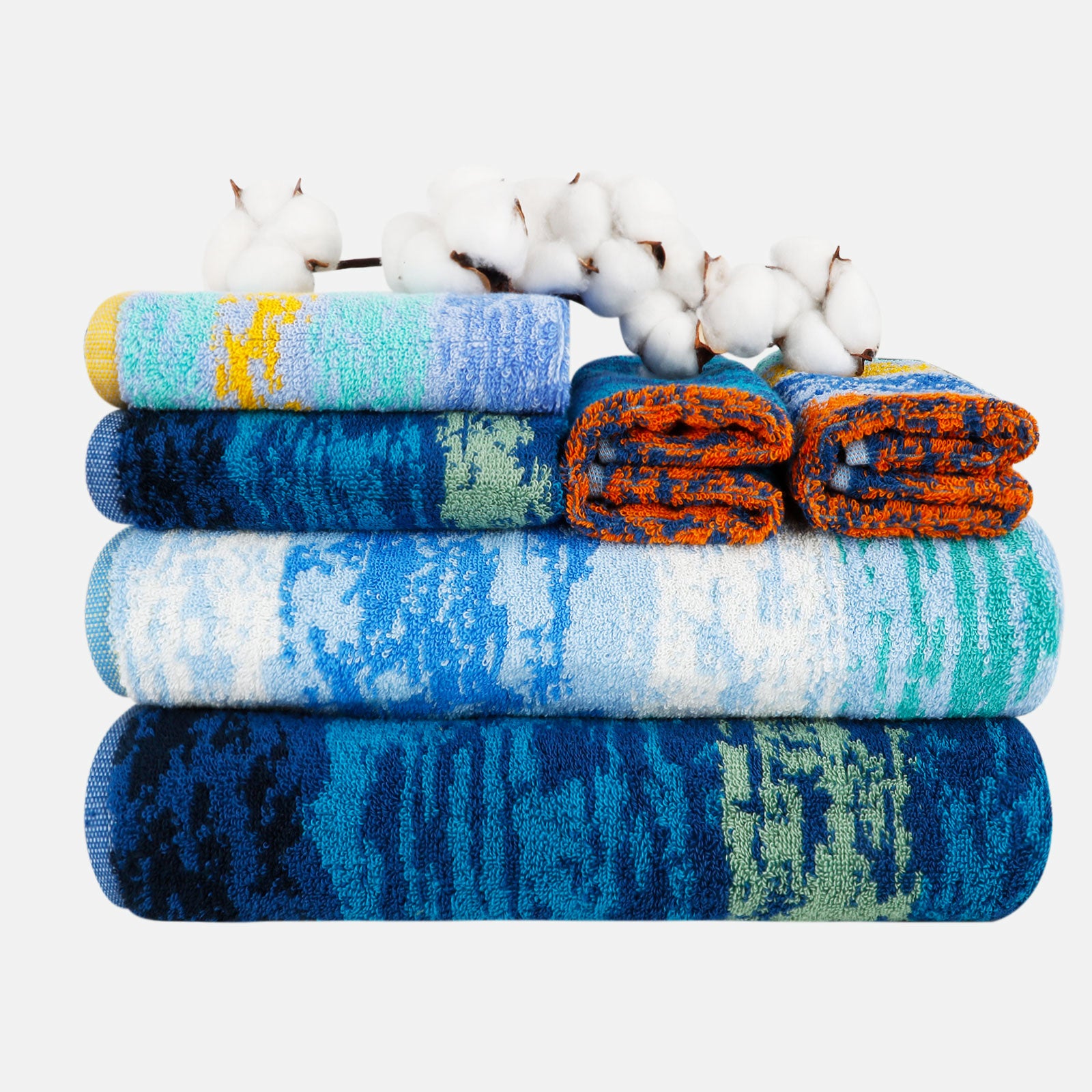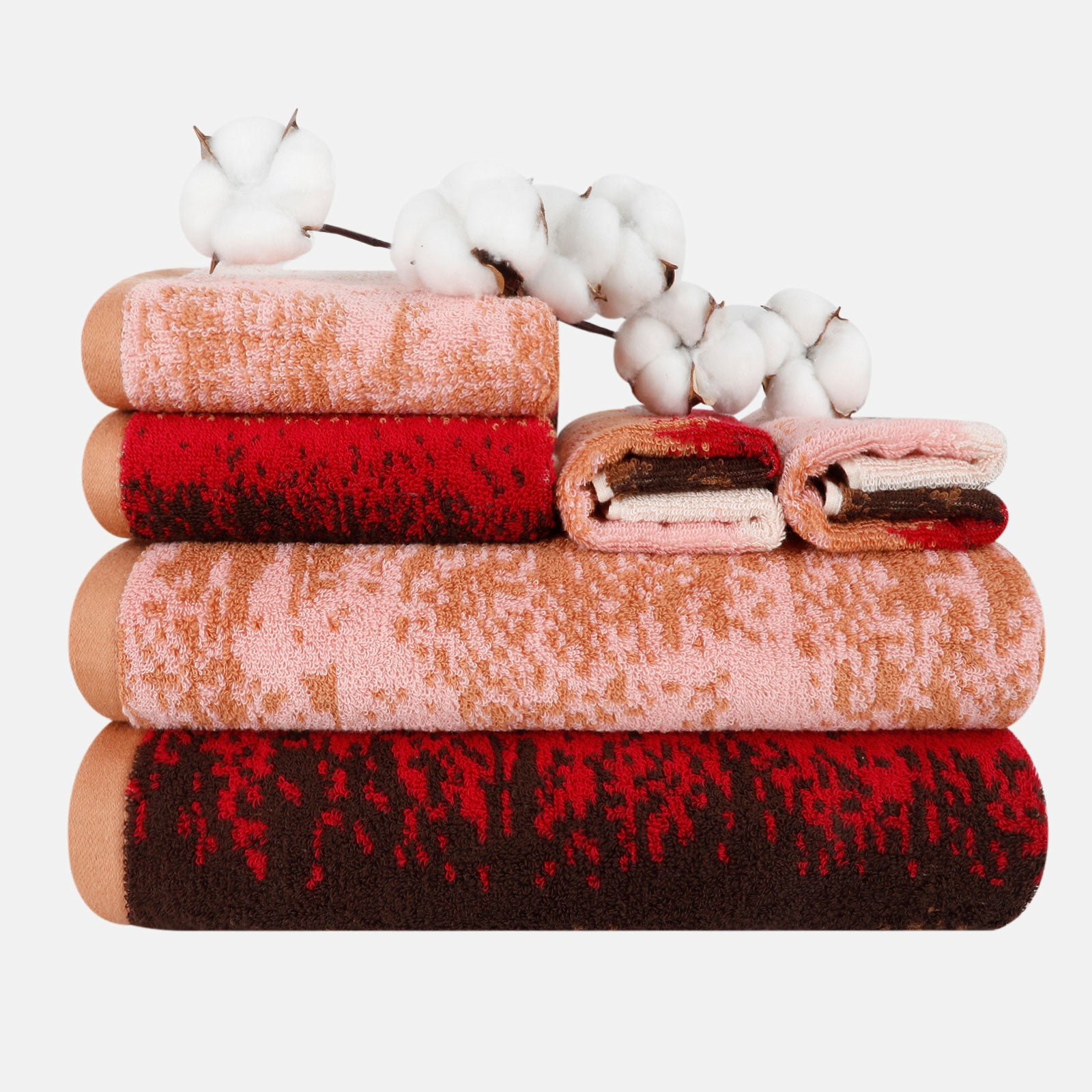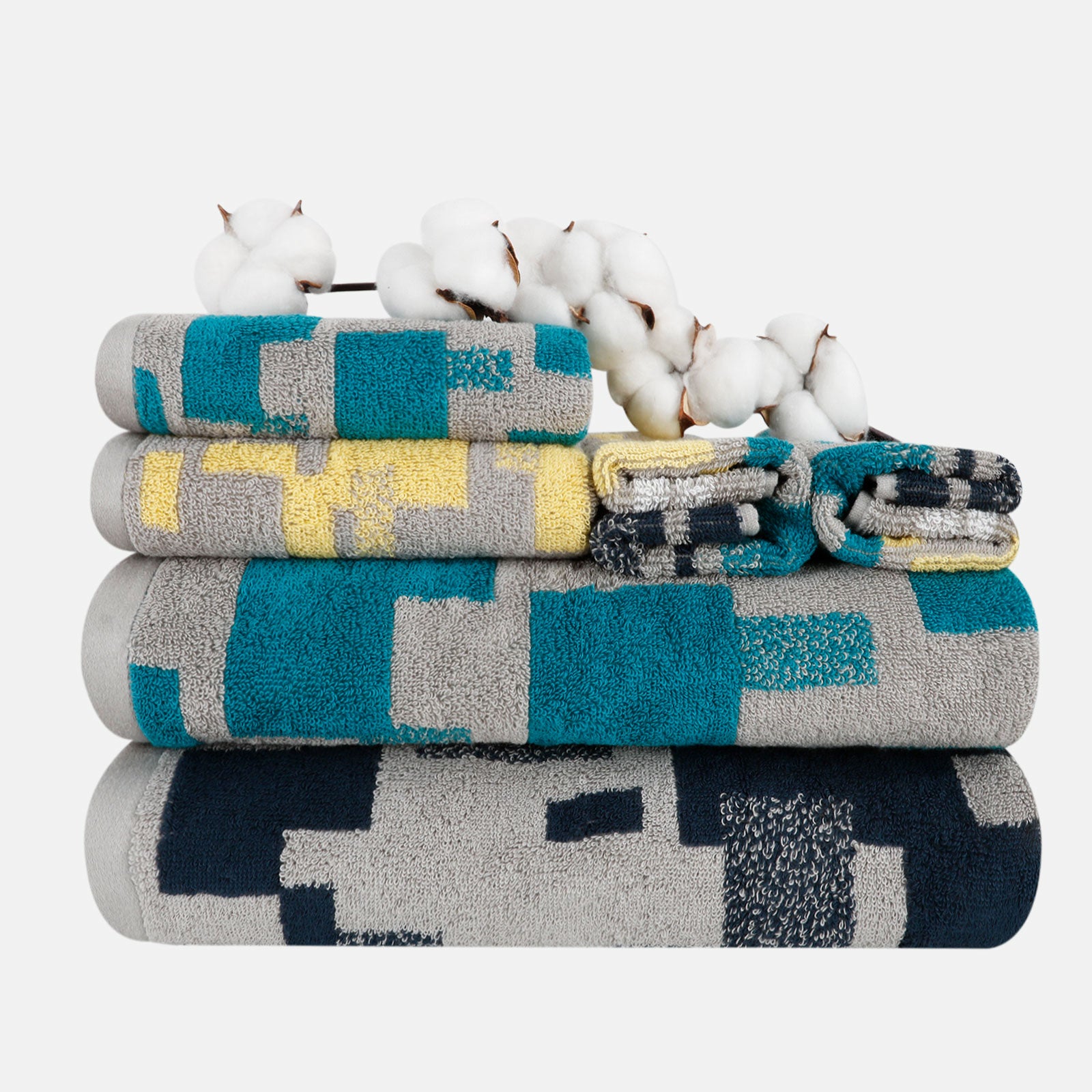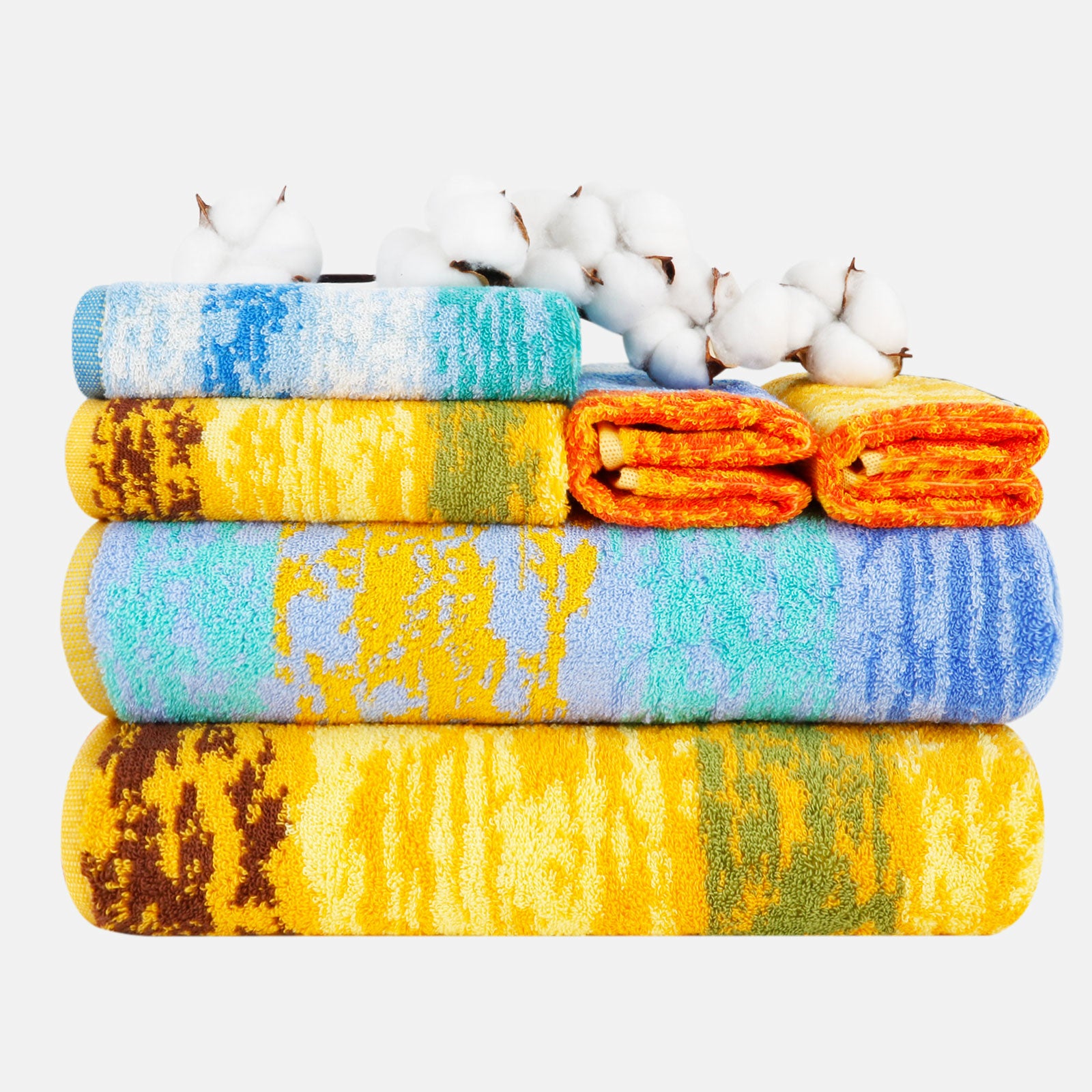


From material and size to care and longevity — everything American households need to know about face cloths and washcloths
There is one item in your bathroom that you use more often than any other towel — and it is probably the one you think about the least.
The face cloth. The washcloth. That small square of fabric sitting on the edge of your sink or folded neatly in your linen closet. You reach for it every morning to wash your face. You use it every evening to remove the day. You hand it to your children at bath time. And yet, most of us have never stopped to ask: Am I using the right one?
The answer matters more than you might think. A poor-quality washcloth can irritate your skin, leave lint on your face, and develop that unmistakable musty smell after just a few uses. A great one — made from the right materials, constructed with care — turns a simple daily task into a small moment of comfort.
This guide covers everything you need to know about face cloths and washcloths — because even the smallest towel deserves the same attention as the largest.

What Is a Face Cloth? What Is a Washcloth?
The terms face cloth and washcloth are often used interchangeably — and for good reason. They refer to the same basic item: a small, square piece of absorbent fabric used for washing the face and body.
The washcloth is the more common term in American English. A face cloth (sometimes called a facecloth or flannel in British English) is simply a washcloth used specifically for the face. Standard washcloths typically measure around 12 by 12 inches — small enough to handle easily, large enough to cover your palm and fingers for a gentle cleanse.
A washcloth is distinct from a hand towel (used for drying hands), a bath towel (used for drying the body), and a bath sheet (an oversized bath towel). While hand towels and bath towels are for drying, a washcloth is for washing — which means it comes into direct contact with soap, water, and your skin's most delicate areas.
That is why the quality of your washcloth matters so much. A face cloth touches your face — the most sensitive part of your body. It should be soft, gentle, and free from harsh chemicals.
Why the Right Washcloth Matters
It Touches Your Most Sensitive Skin
Your face has thinner skin than the rest of your body. It is also more exposed to the elements — sun, wind, pollution, and makeup. A rough washcloth can cause micro-irritation, redness, and even breakouts. A gentle face cloth made from soft, natural fibers cleanses without stripping or scratching.
Dermatologists consistently recommend 100% cotton washcloths for facial use because cotton is naturally hypoallergenic, breathable, and gentle. Synthetic materials and rough blends can aggravate sensitive skin conditions like eczema and rosacea.
It Touches Your Eyes, Lips, and Nose
Think about where your face cloth goes: over your eyes to remove makeup, around your lips, across your nose. These are delicate areas. A washcloth with rough fibers or chemical residues has no place near them.
It Is Used Multiple Times Per Day
Unlike a bath towel that is used once after a shower, a washcloth may be used two or three times a day — morning cleansing, evening makeup removal, and perhaps a midday refresh. That frequency means your washcloth needs to be durable enough to withstand repeated washing, and gentle enough to not irritate your skin with each use.
What to Look for in a Quality Washcloth
1. 100% Cotton — Preferably Combed
The best washcloths are made from 100% cotton — and ideally, combed cotton. The combing process removes short, scratchy fibers, leaving only the longest, smoothest strands. The result is a face cloth that feels soft against your skin from the very first use and gets even softer with every wash.
Regular cotton washcloths may contain short fibers that poke and irritate. Combed cotton eliminates that problem entirely.
2. The Right Size
A standard washcloth measures approximately 12 by 12 inches. This size is ideal — large enough to cover your hand for a proper cleanse, small enough to wring out easily and hang to dry.
Some face cloths are slightly smaller (10 by 10 inches) for targeted facial use. Others are slightly larger (13 by 13 inches) for body washing. The 12-by-12 size remains the most versatile for most households.
3. Gentle Construction
Look for washcloths with overlock stitching or double-stitched hems on the edges. This prevents fraying and ensures your face cloth stays intact through hundreds of washes. A washcloth that unravels after a few uses is not just annoying — loose threads can be irritating against the skin.
4. Absorbency
A washcloth needs to absorb water and soap efficiently to create a good lather and cleanse effectively. The best washcloths use low-twist yarn construction — similar to a quality bath towel — which creates tiny capillaries that pull water into the fabric.
5. Safety Certifications
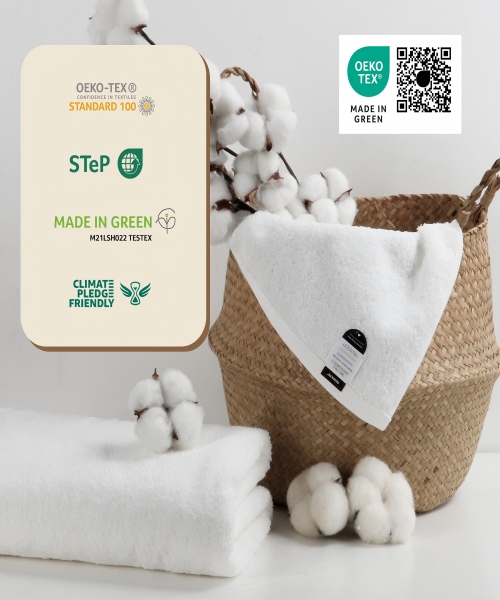
Look for OEKO-TEX® STANDARD 100 certification. This means every component of the washcloth — the cotton, the dyes, the threads — has been tested for over 1,000 harmful substances. For a face cloth that touches your eyes, lips, and nose, this is not a luxury. It is a necessity.
Common Washcloth Problems and Solutions
Why Do Washcloths Get Musty So Fast?
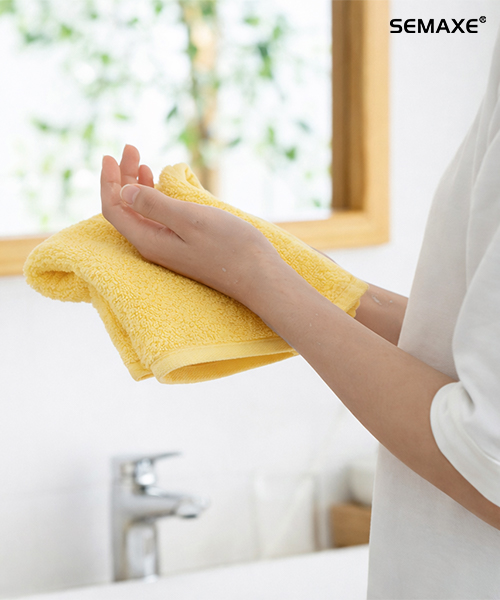
Washcloths get musty faster than bath towels for a simple reason: they are used more often and stay damp longer. A face cloth used morning and evening may never fully dry between uses — especially if it is left bunched up on the sink or hanging in a humid bathroom.
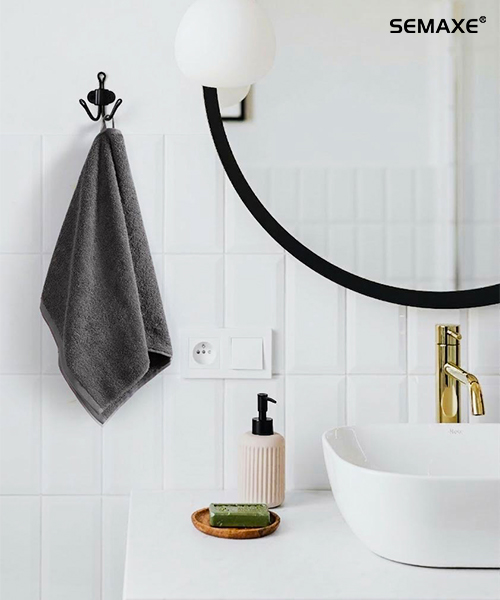
The fix: After each use, rinse your washcloth thoroughly and wring it out. Hang it fully spread out to dry — not bunched or folded. If your bathroom lacks ventilation, consider hanging it in a different room. Wash washcloths after every 1-2 uses.
Why Do Washcloths Leave Lint on My Face?
Lint comes from short cotton fibers that shed during washing. Lower-quality washcloths made from short-staple cotton shed more lint. Combed cotton washcloths shed significantly less because the short fibers have been removed during processing.
The fix: Choose combed cotton washcloths. Wash new washcloths before first use to remove any loose fibers from manufacturing. And avoid fabric softener, which can cause fibers to break down and shed more.
Why Do Washcloths Feel Rough After a Few Washes?
Fabric softener is the most common culprit. It coats cotton fibers with a waxy layer that feels smooth at first but becomes stiff and waxy over time. Detergent residue and hard water minerals can also make washcloths feel rough.
The fix: Stop using fabric softener. Add half a cup of white vinegar to the rinse cycle to break down residue and naturally soften fibers.
How Often Should I Replace My Washcloths?
Washcloths are used more frequently than any other towel, which means they wear out faster. For daily-use washcloths, replace them every 2-3 months — or sooner if you notice persistent odors, loss of softness, or visible wear. Because washcloths are small and affordable, replacing them regularly is easy and hygienic.
How to Care for Your Washcloths and Face Cloths
Washing:
-
Wash washcloths before first use to remove manufacturing finishes
-
Use warm water (around 40°C) — hot water can damage cotton fibers
-
Use less detergent than you think you need
-
Never use fabric softener on washcloths — it coats fibers and reduces absorbency
-
Add white vinegar to the rinse cycle monthly to remove residue
-
Wash face cloths separately from heavily soiled items
Drying:
-
Tumble dry washcloths on low heat
-
Shake washcloths before drying to separate fibers
-
Remove promptly from the dryer
Storage:
-
Never store damp washcloths
-
Store in a dry, well-ventilated space
-
Consider a small basket on the bathroom counter for easy access
For facial use:
-
Use a clean face cloth every time you wash your face, or at least every 1-2 uses
-
Pat your face dry — do not rub
-
Consider a dedicated face cloth that is only used on your face, not your body
The SEMAXE Difference: Washcloths and Face Cloths Built for Daily Comfort
At SEMAXE, we believe that even the smallest towel deserves the same attention to quality as the largest. Our washcloths and face cloths are crafted with the same care as our bath towels — because your skin deserves nothing less.
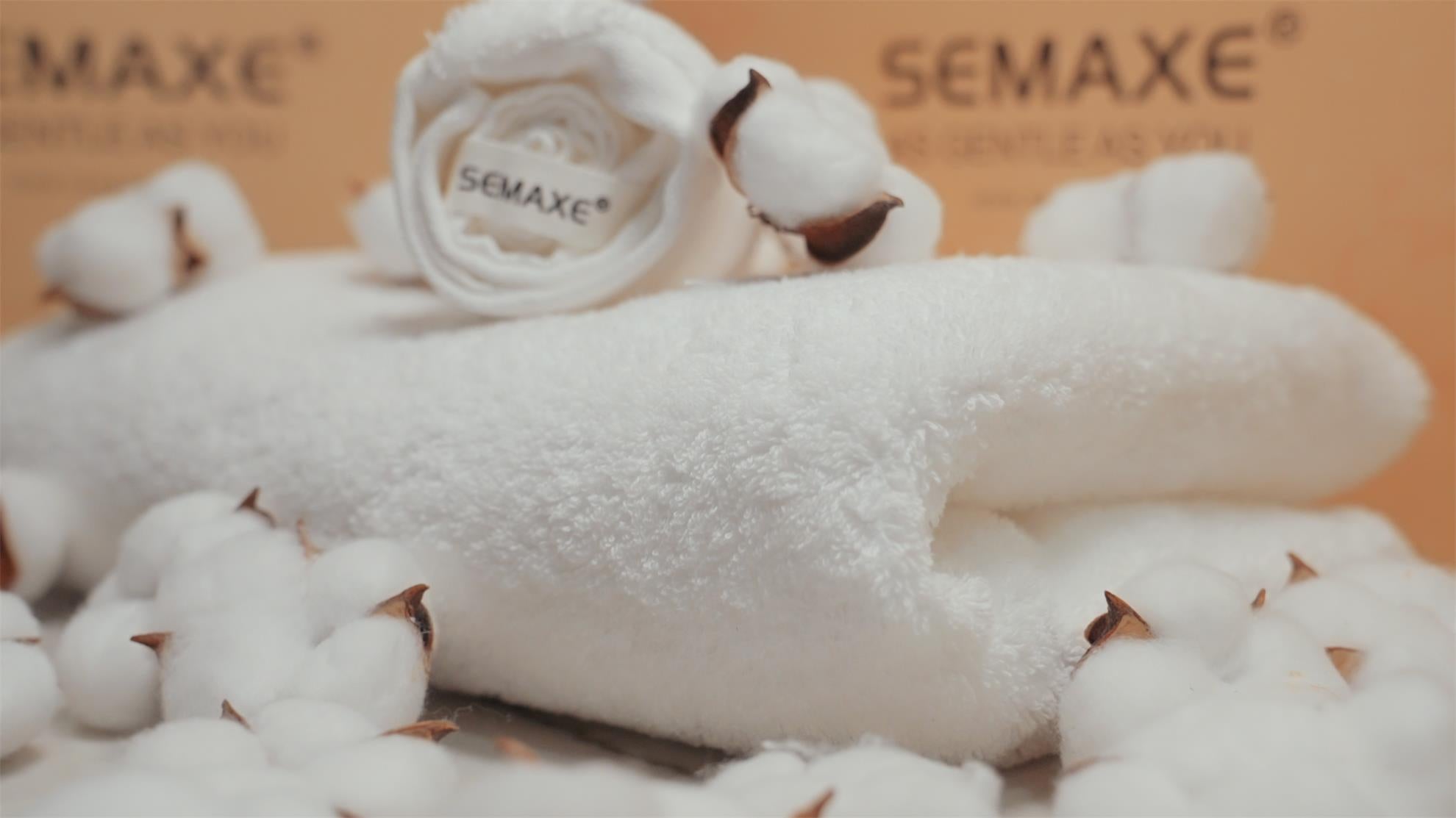
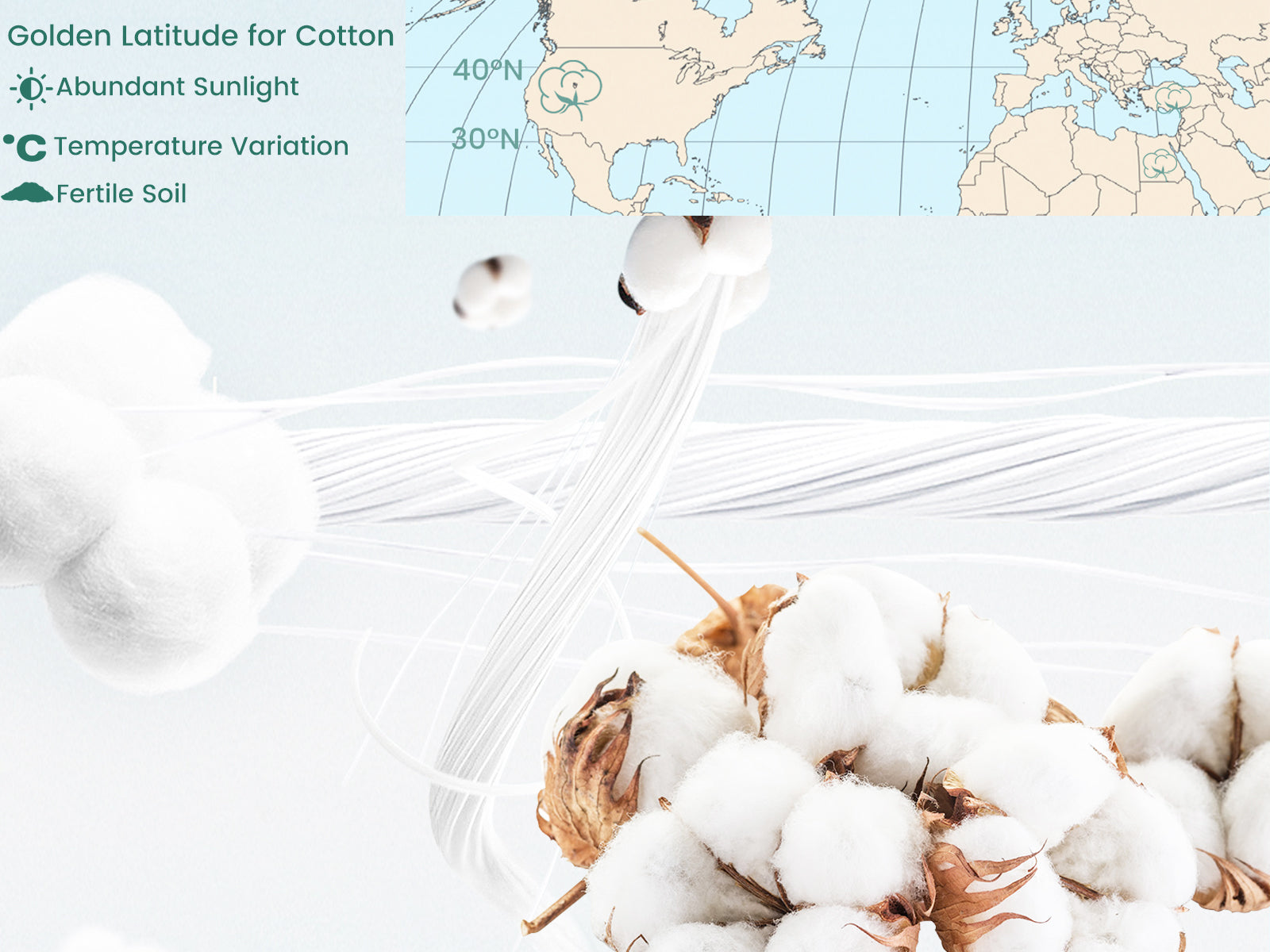
100% Natural Combed Cotton. Our washcloths start with the best raw material — 100% cotton — and take it a step further. The combed cotton process removes short, scratchy fibers, leaving only the longest, smoothest strands. The result is a face cloth that feels soft and gentle against even the most sensitive skin.
16S Yarn for Superior Absorbency. Our 16S yarn with low-twist construction creates more space between fibers, forming tiny capillaries that actively pull water into the washcloth. You get a better lather, a more effective cleanse, and a face cloth that works as hard as you do.
Siro-Spun Technology for Breathability. Siro-spun yarns create microscopic air channels throughout the fabric, allowing moisture to escape and preventing the damp conditions that cause odors in washcloths. Your face cloth stays fresh, use after use.
Overlock Stitching for Durability. Every SEMAXE washcloth features overlock stitching — a four-thread safety stitch that wraps the edges and prevents fraying. No unraveling. No loose threads. Just a washcloth that stays whole, wash after wash.
OEKO-TEX® STANDARD 100 Certified. Every SEMAXE washcloth is tested for more than 1,000 harmful substances. No formaldehyde, no heavy metals, no allergenic dyes. Just pure, safe cotton face cloths for your family — safe enough for babies, gentle enough for sensitive skin.
Sealed Packaging for Hygiene. Our washcloths arrive in sealed, tamper-evident packaging — factory-fresh and protected from dust and handling. No pre-wash needed. Just open and use.
Washcloths and Face Cloths: A Complete Package
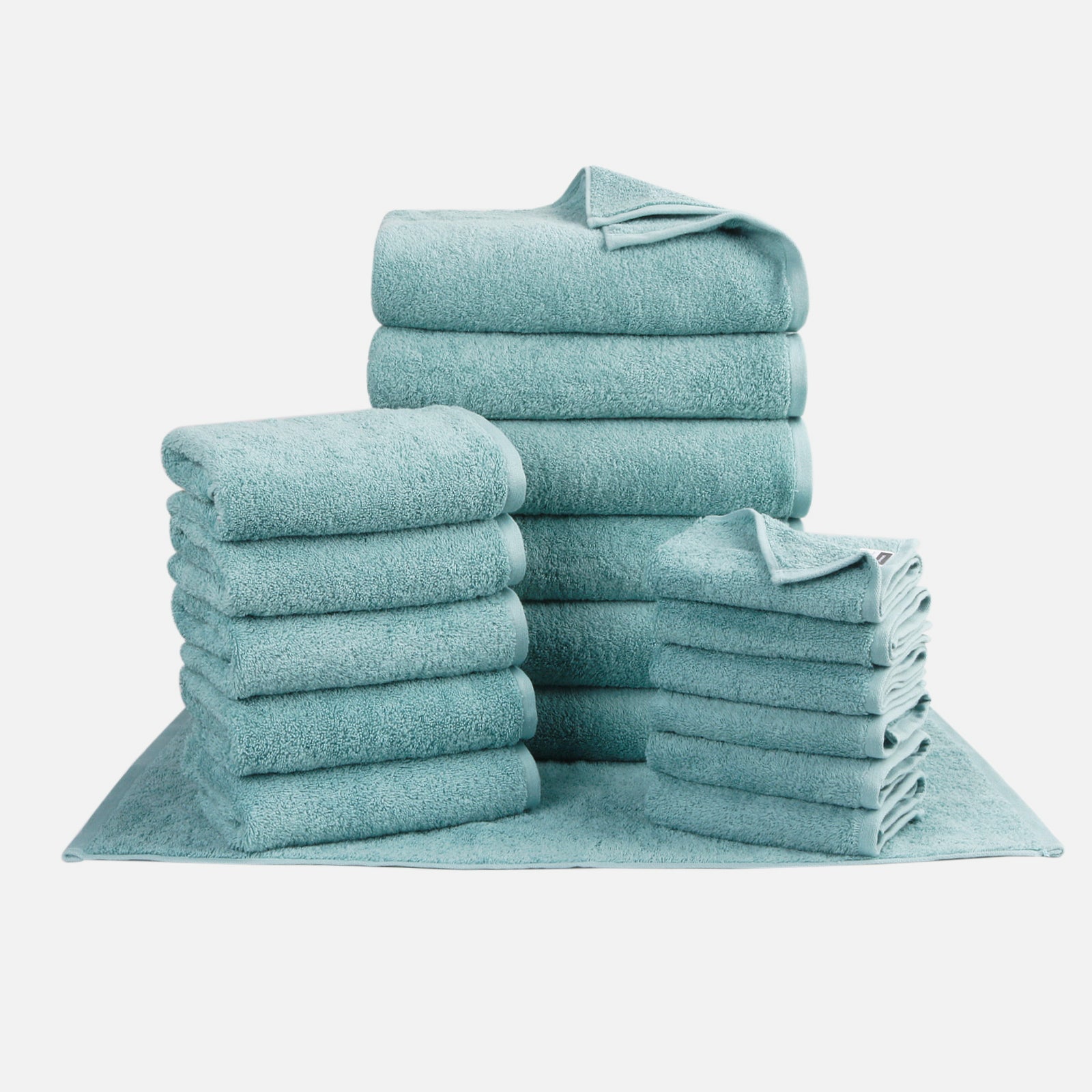
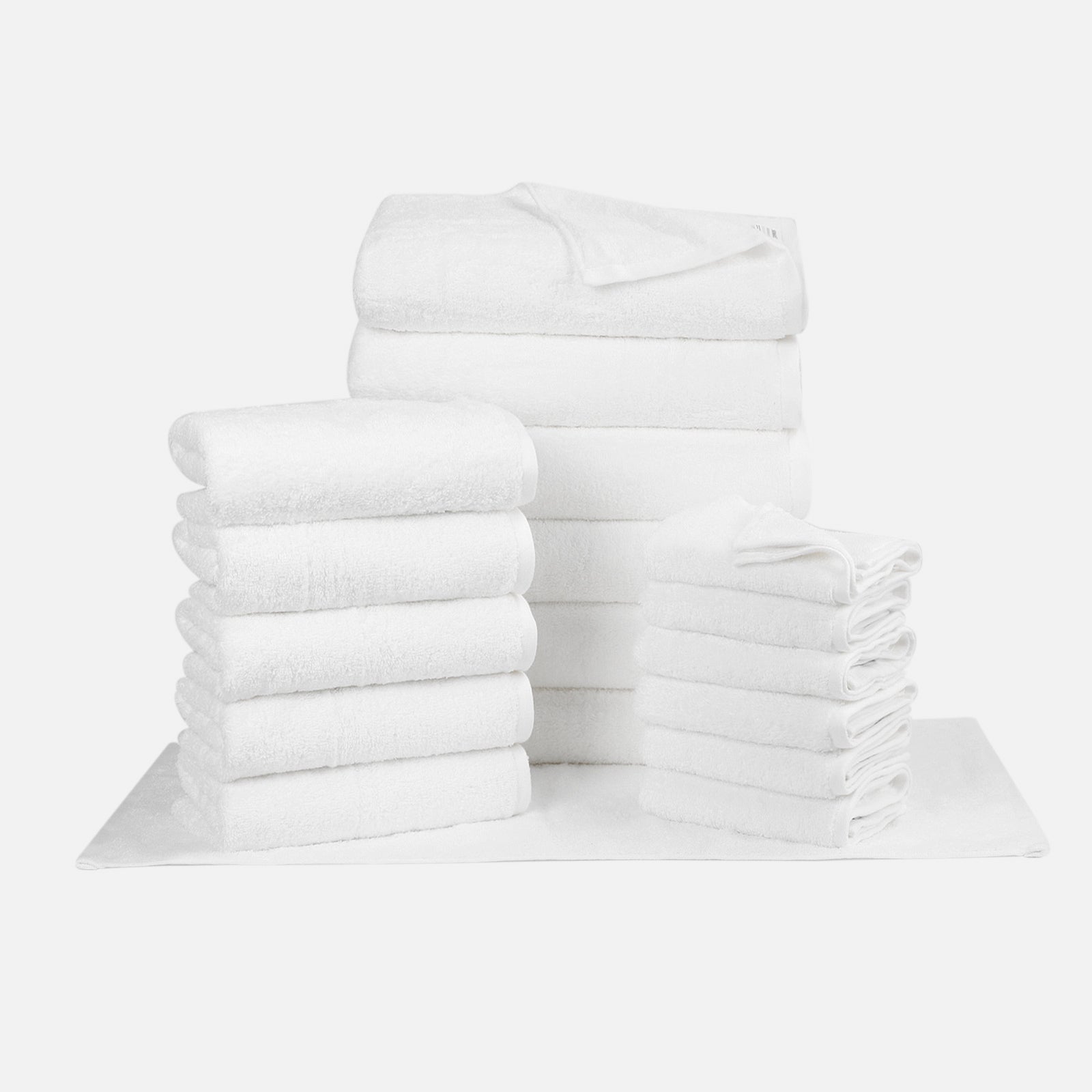
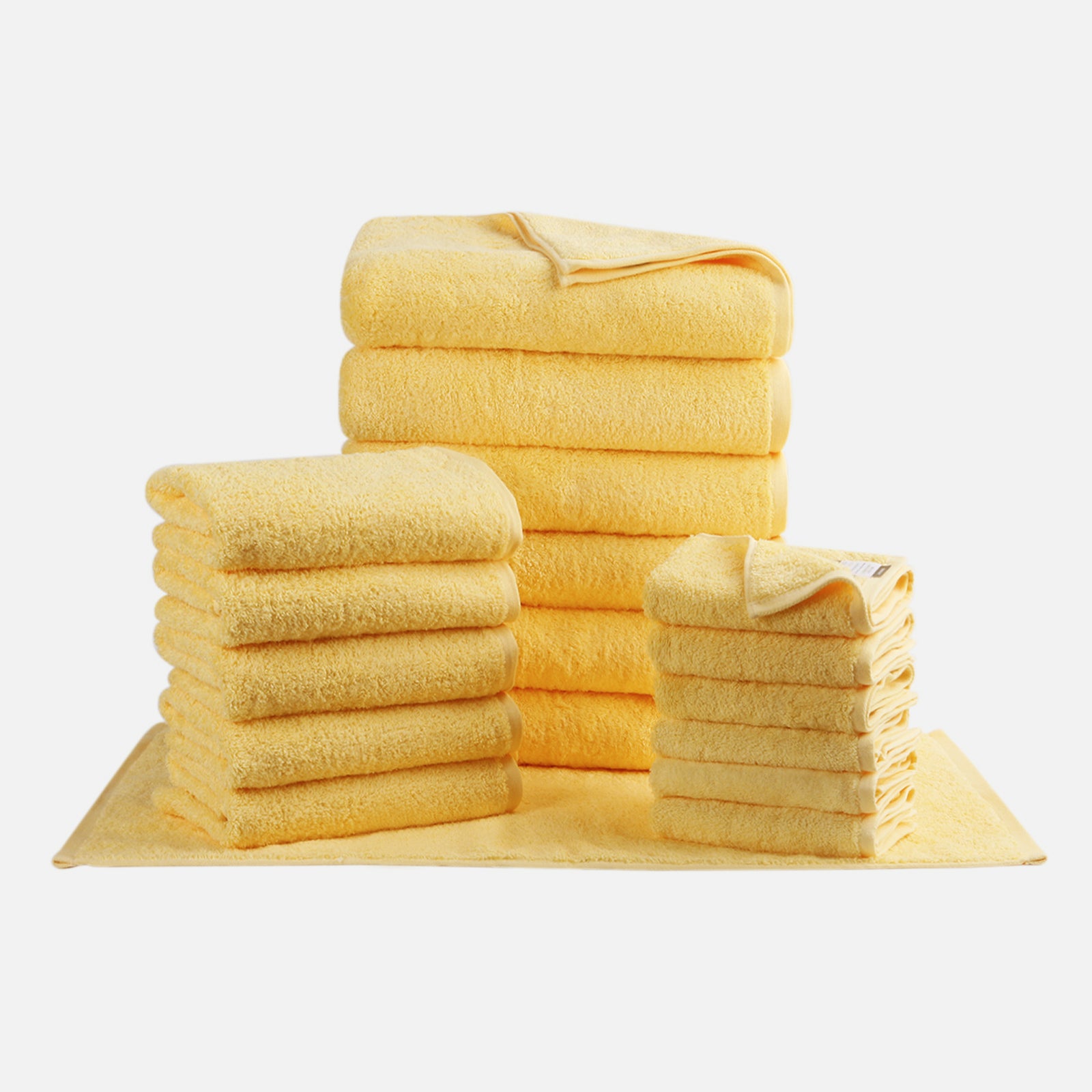
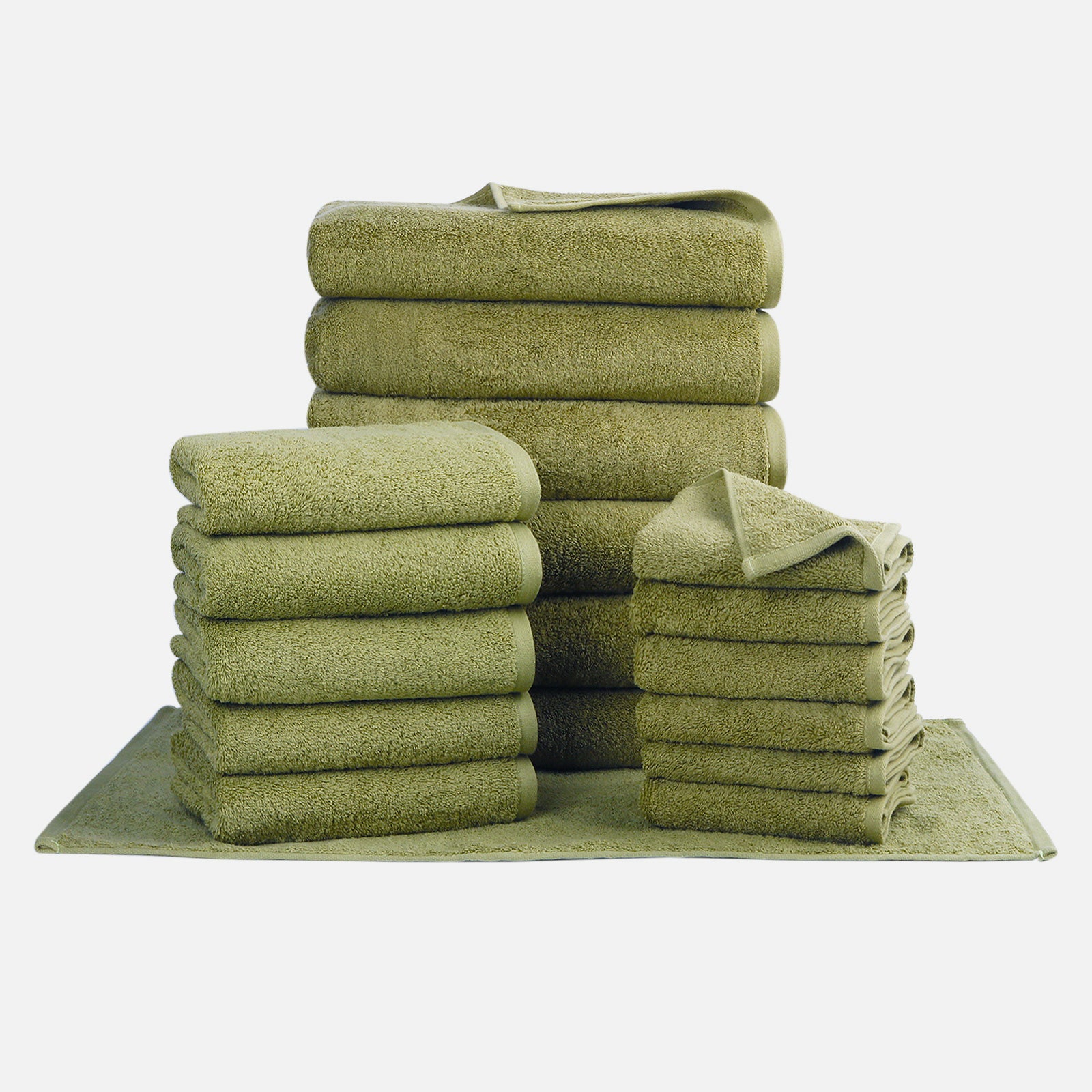
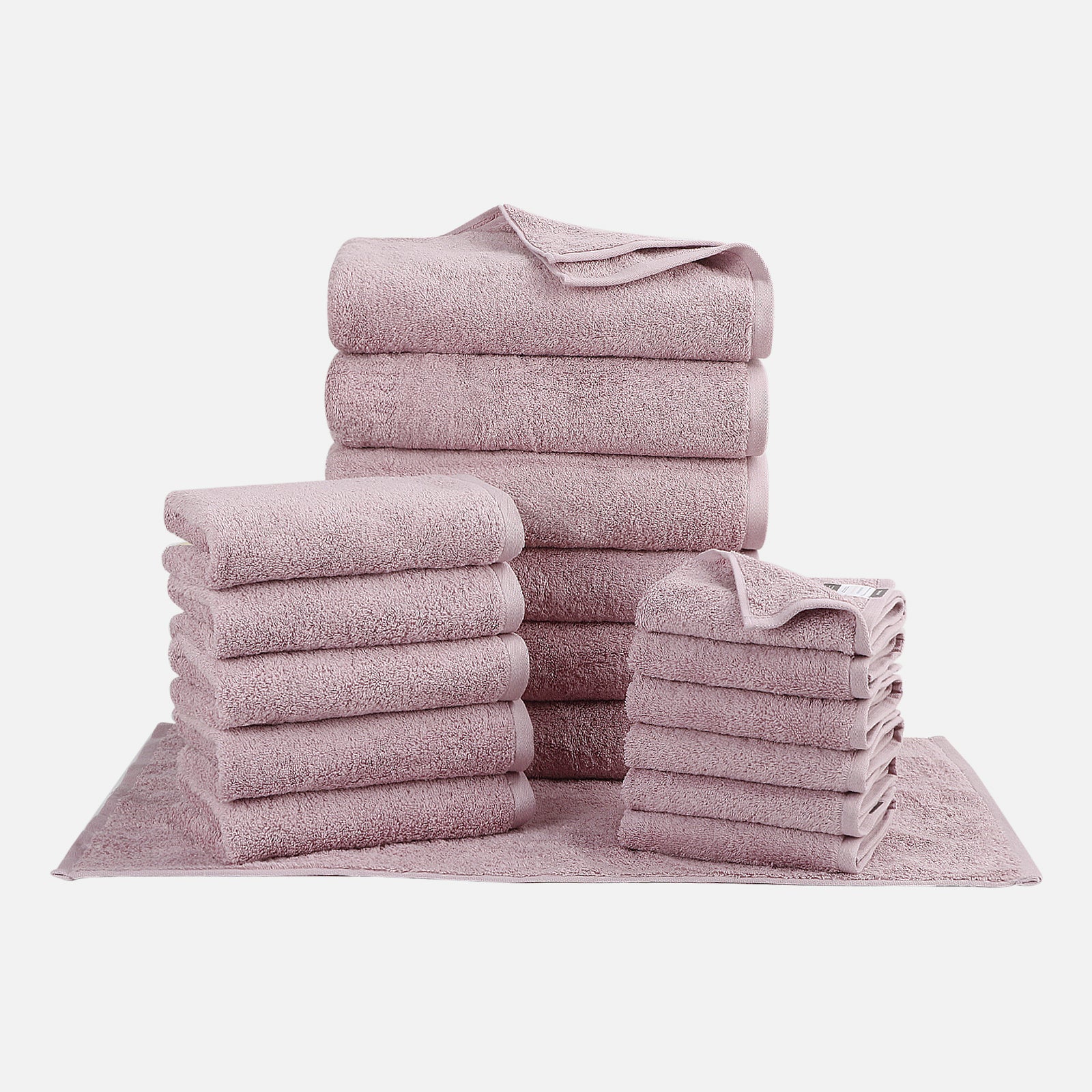
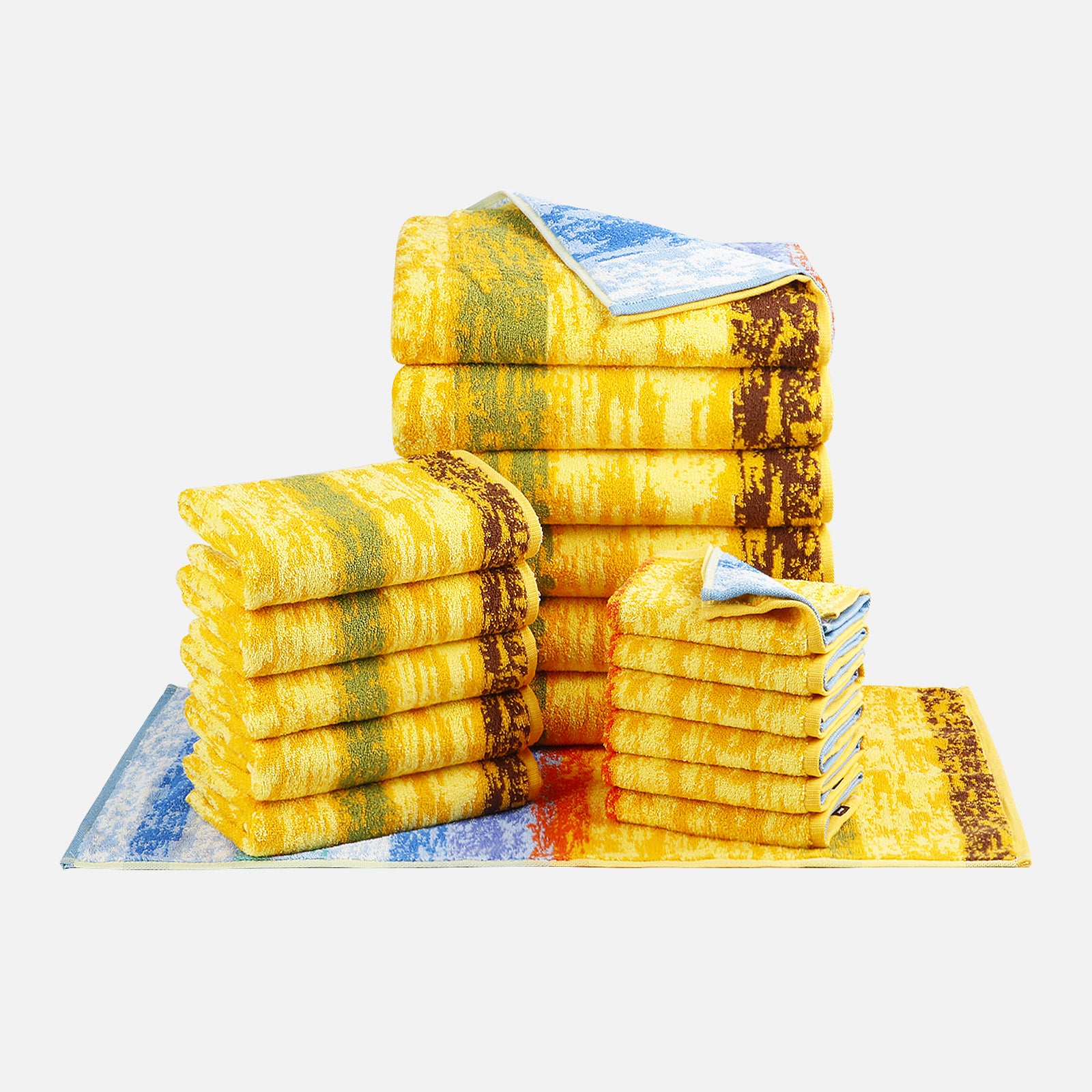
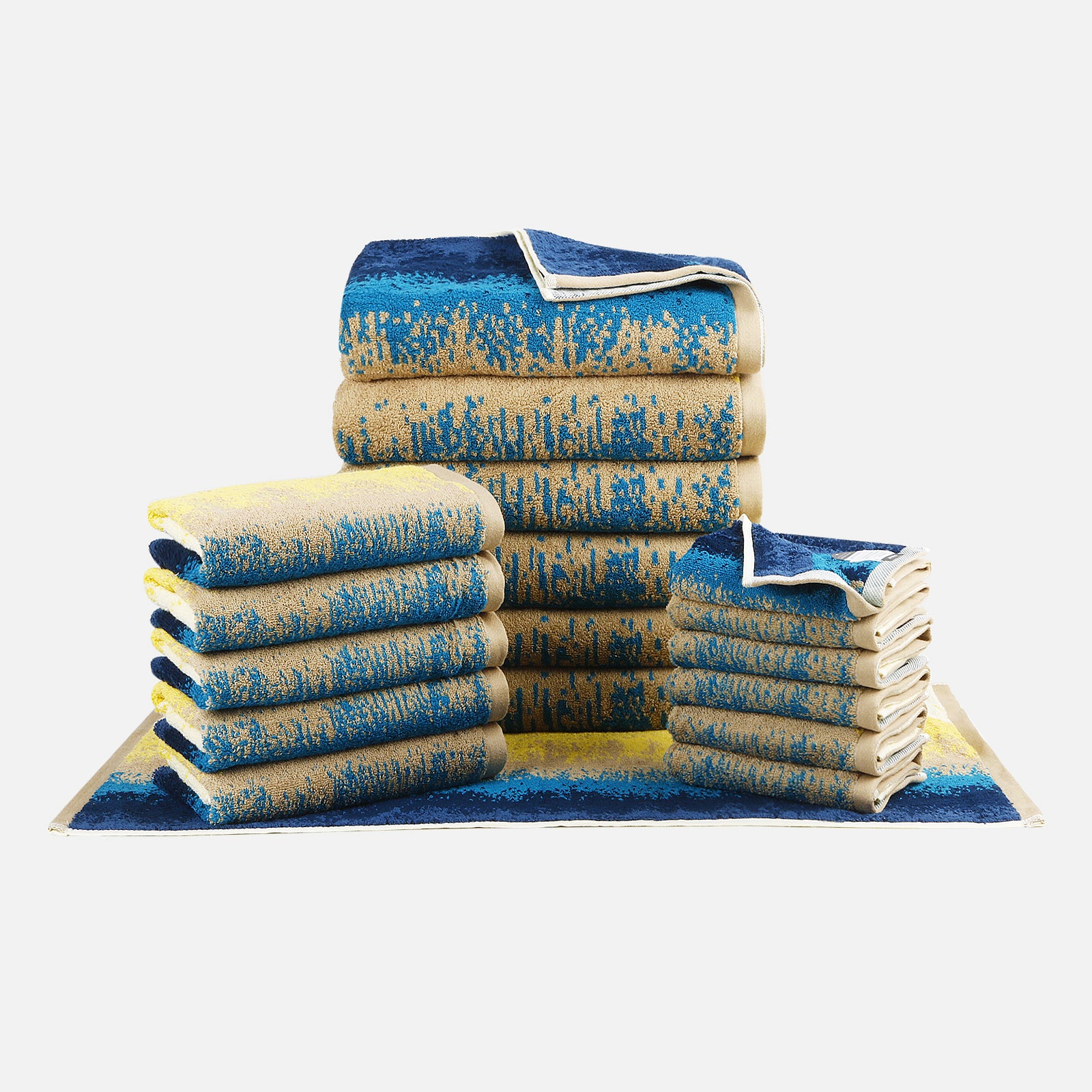
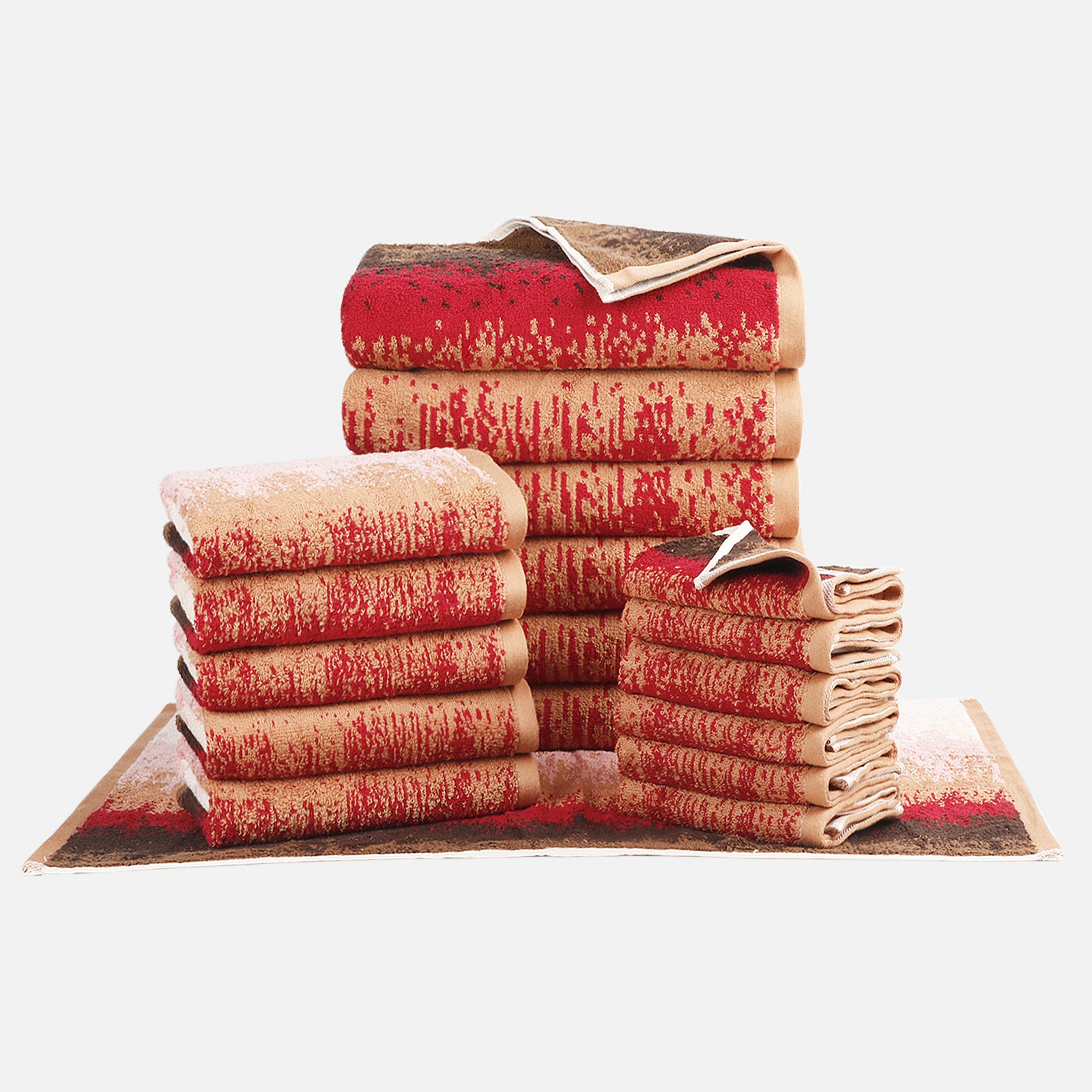
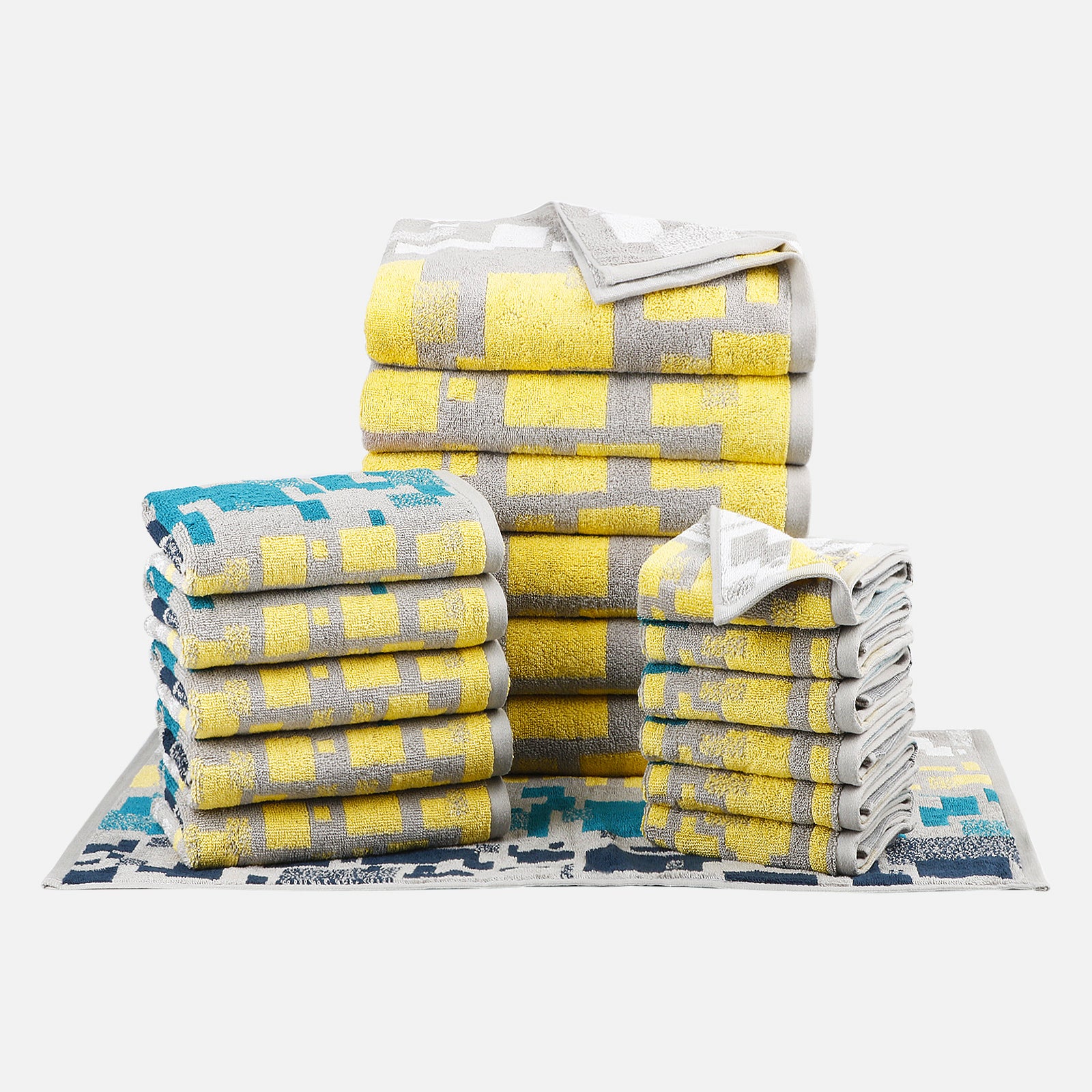
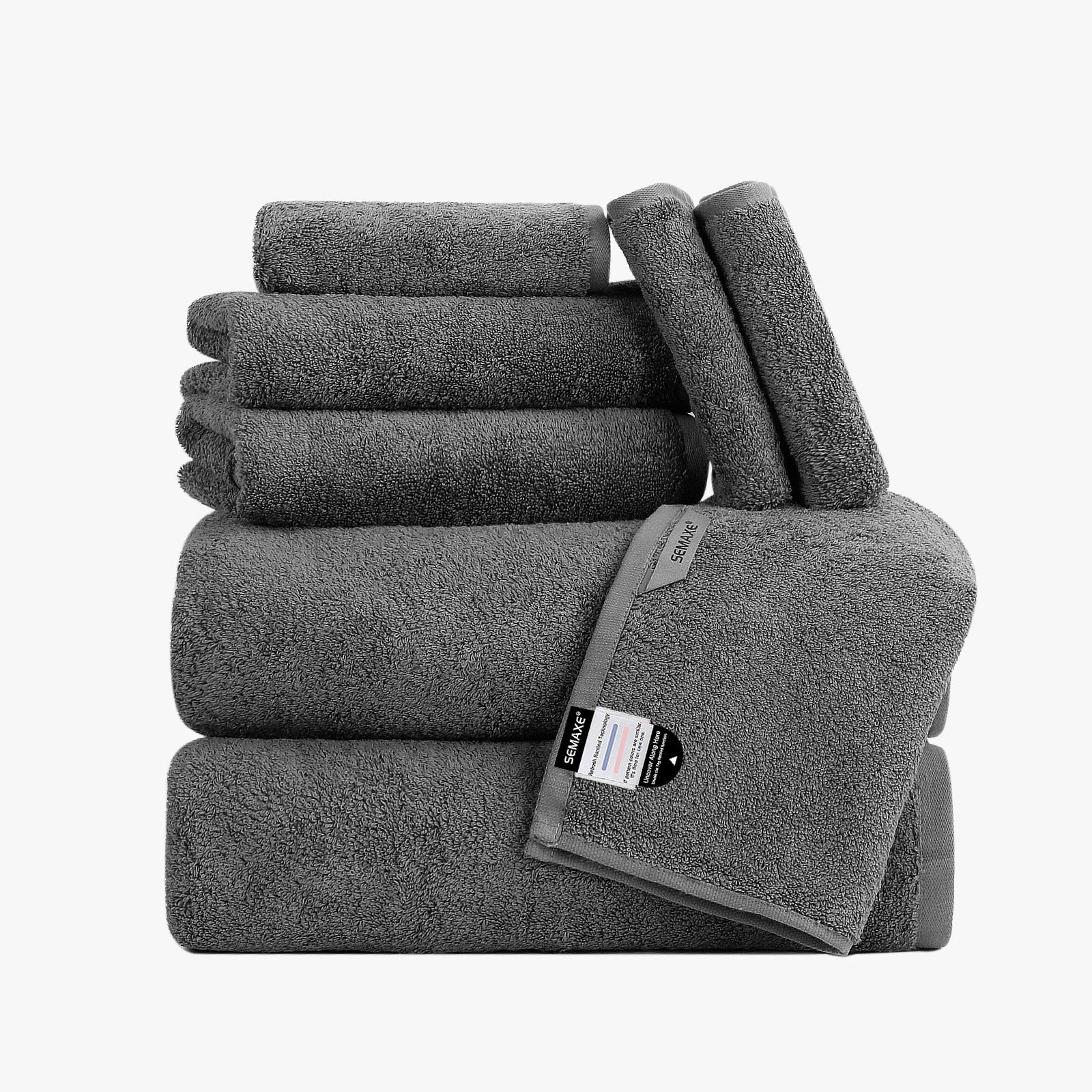
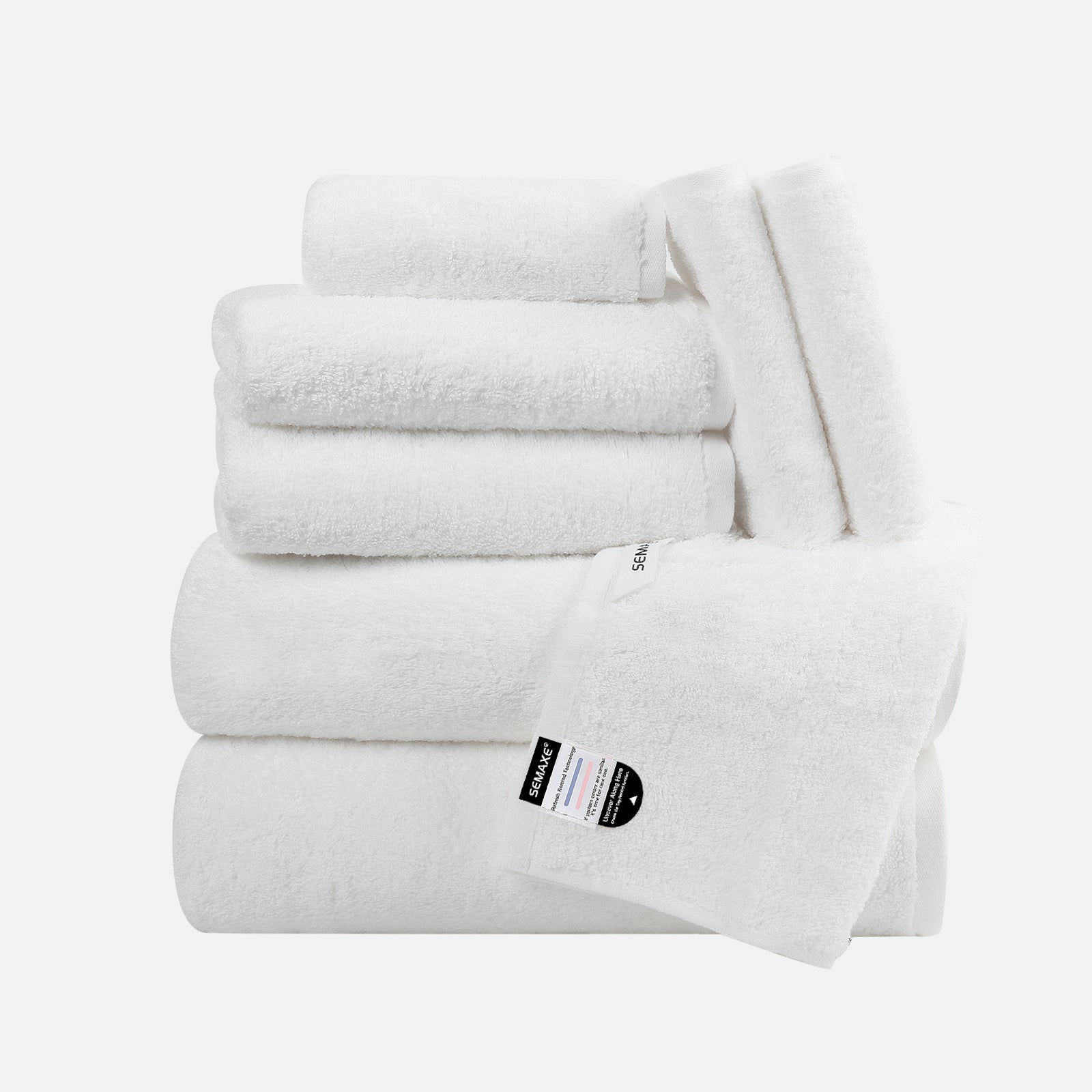
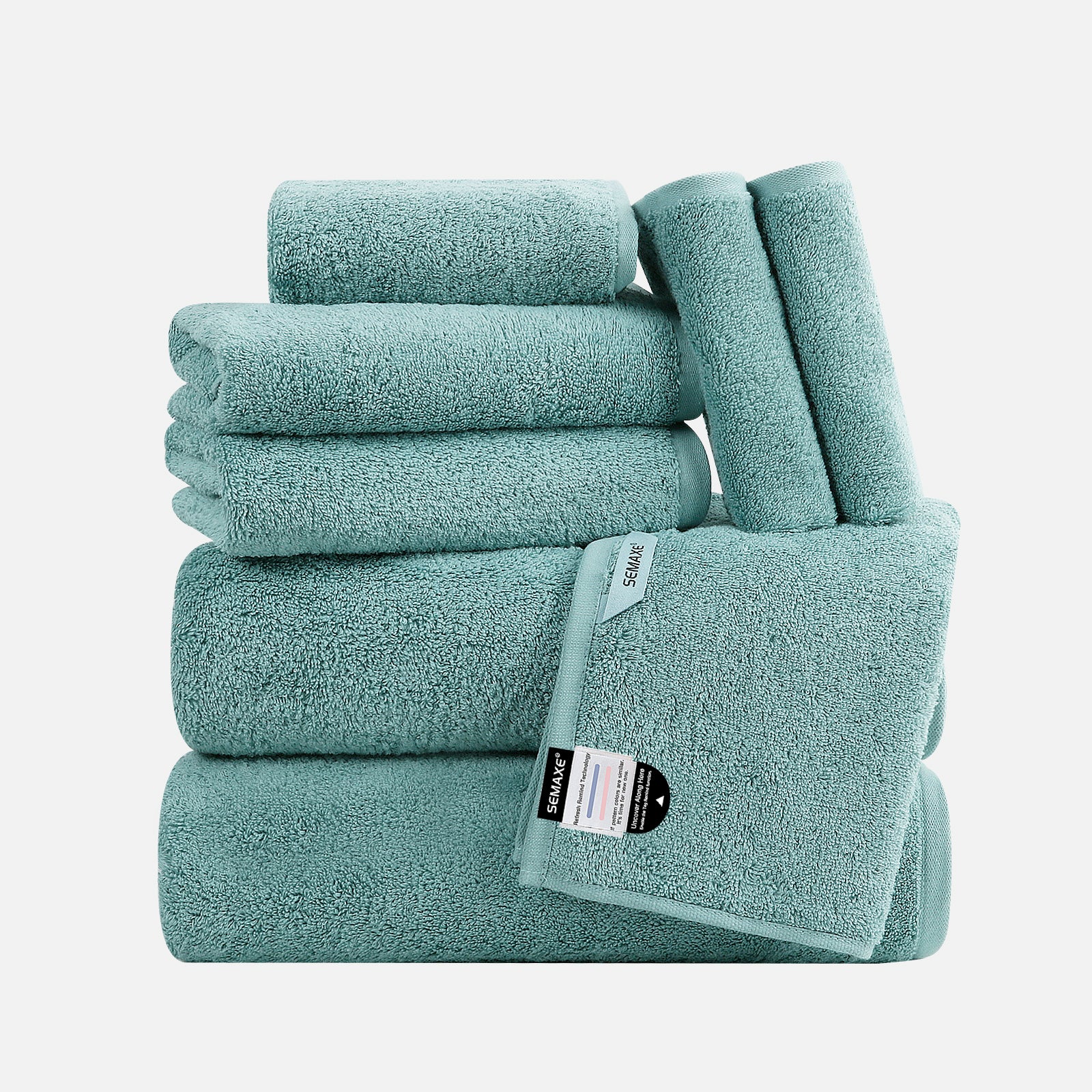
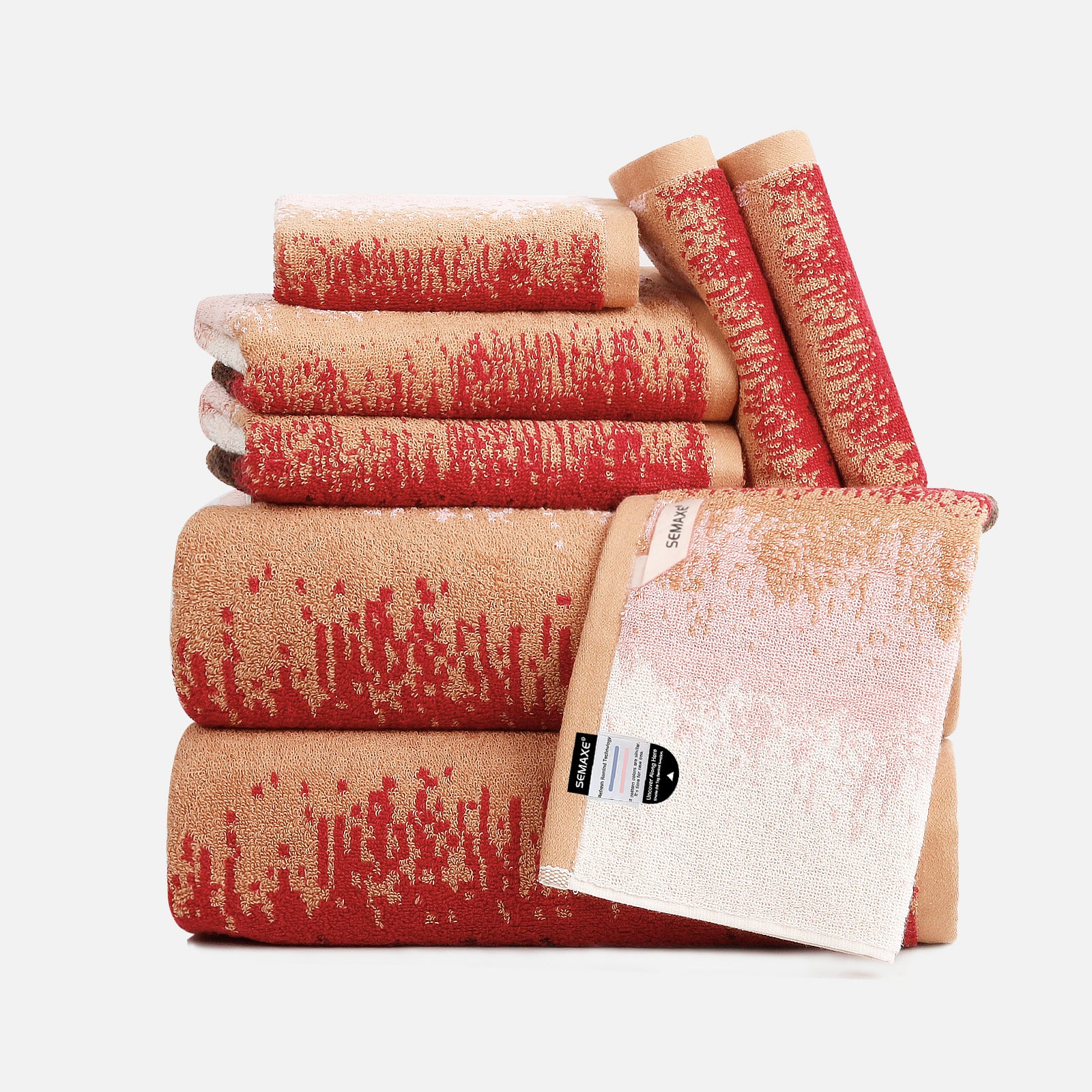
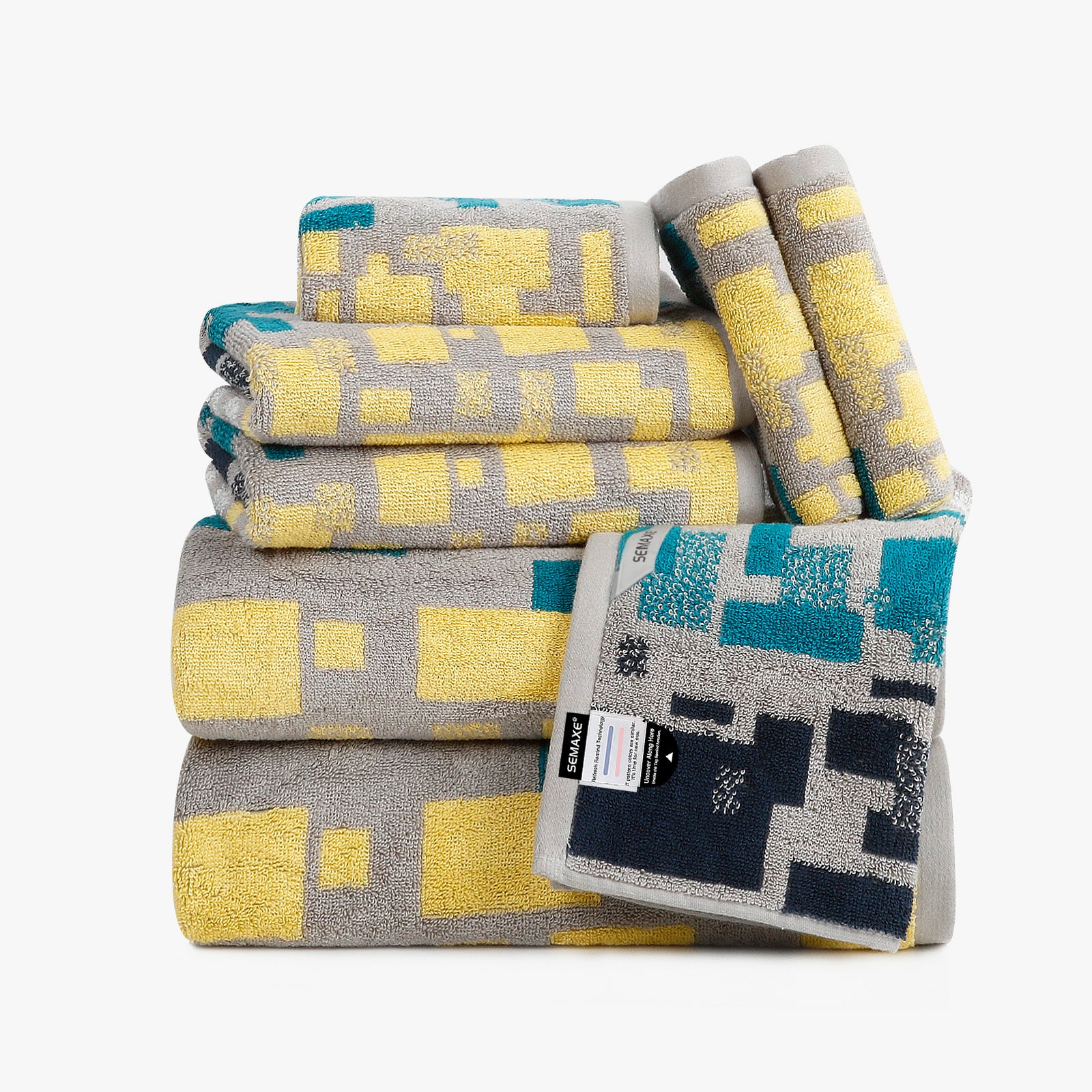
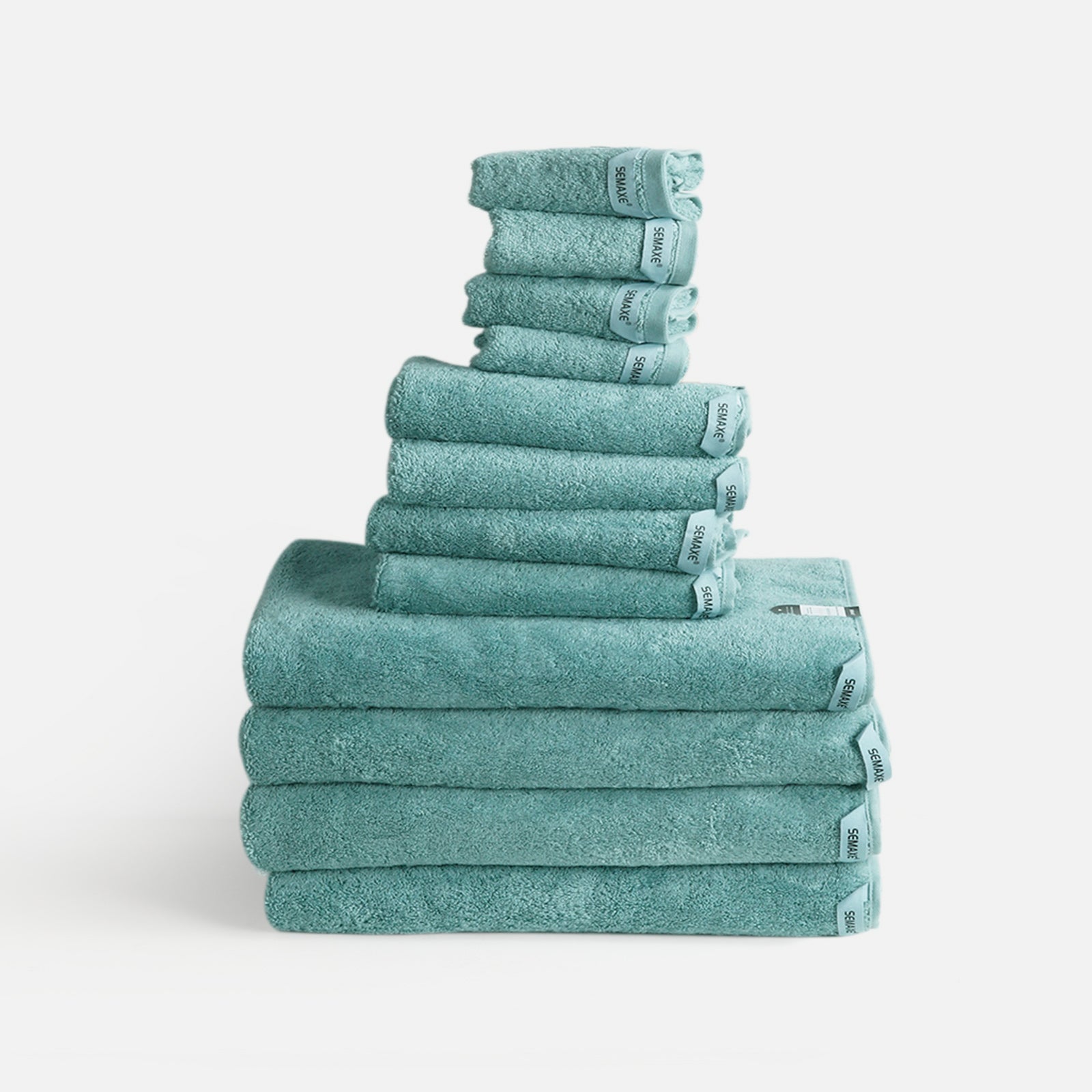
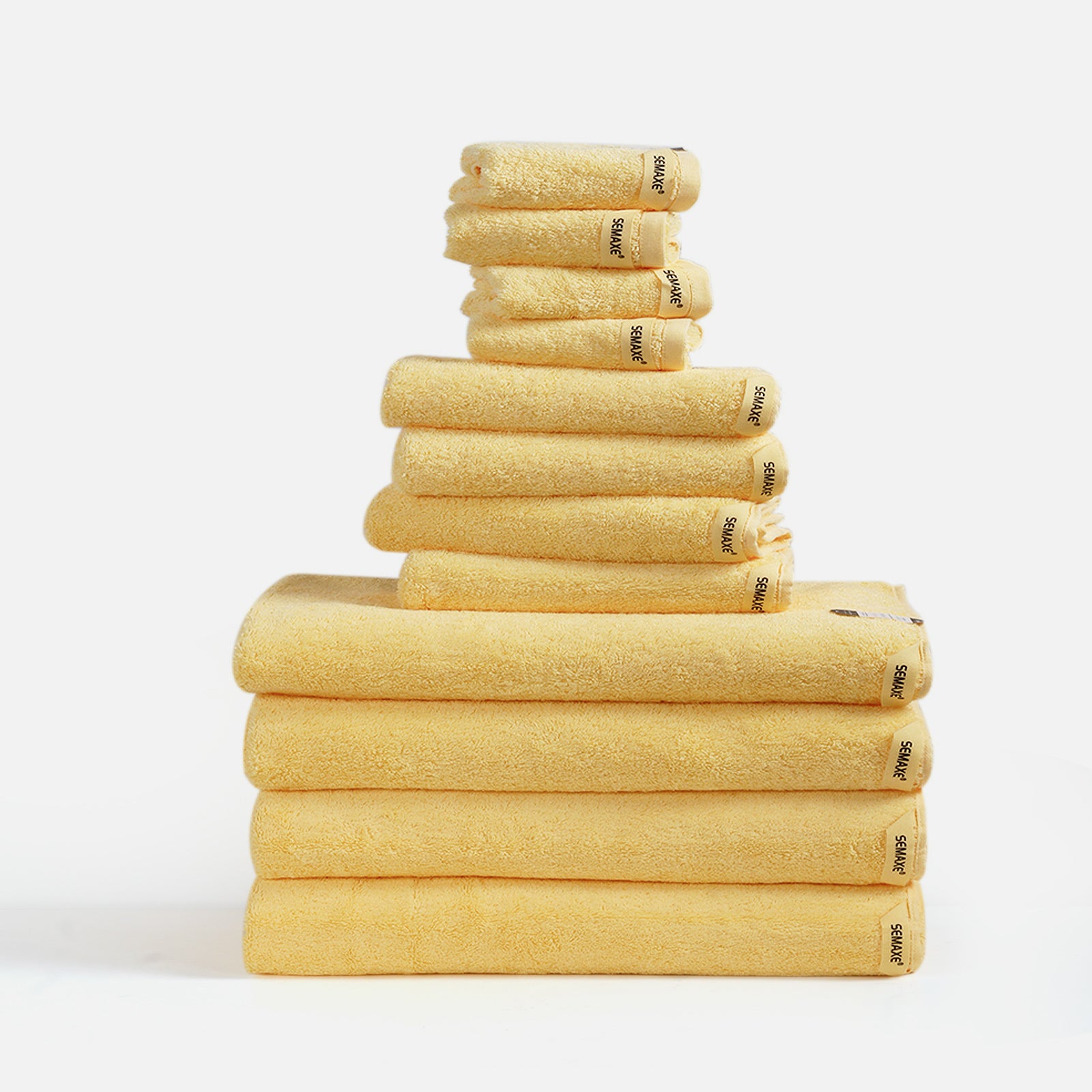
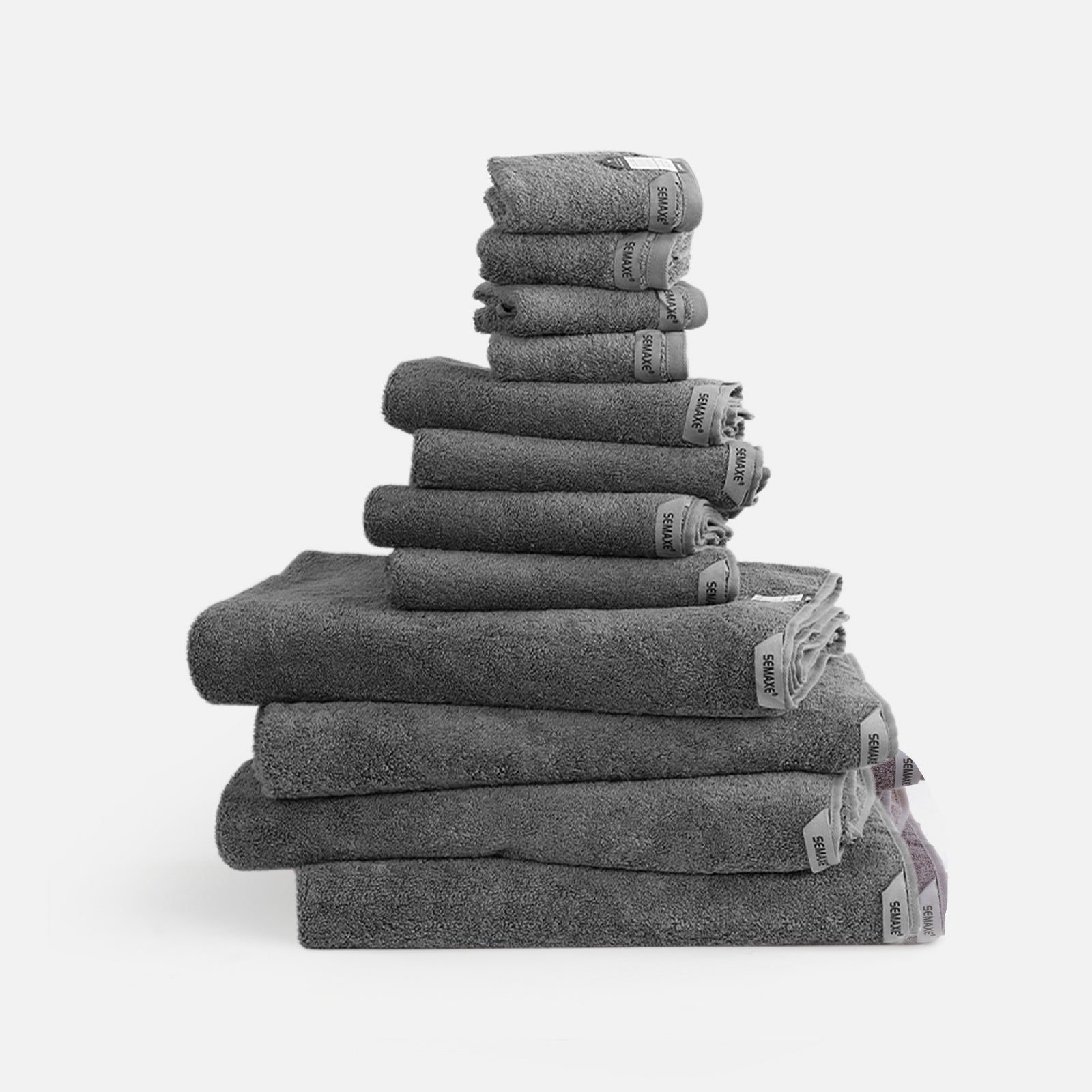
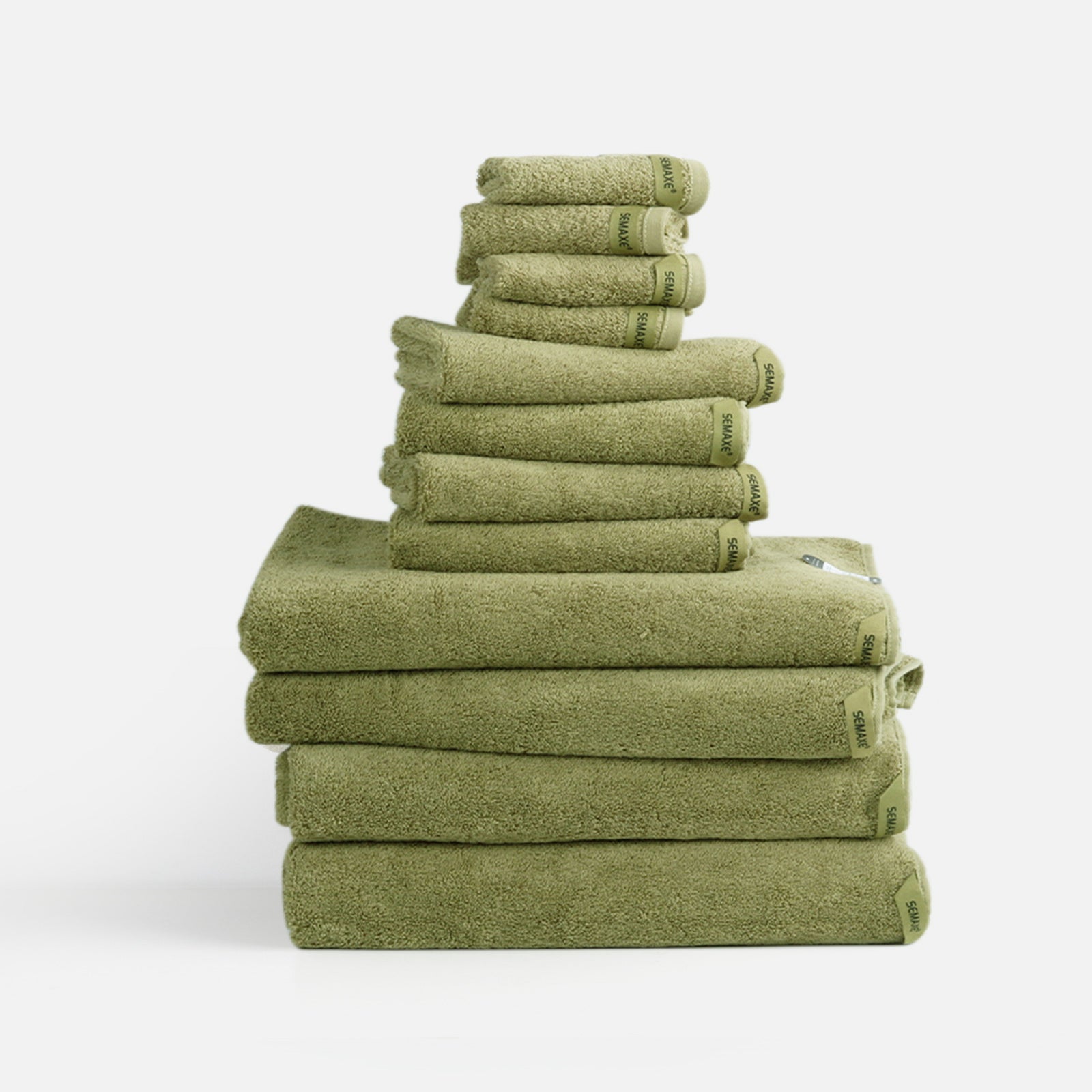
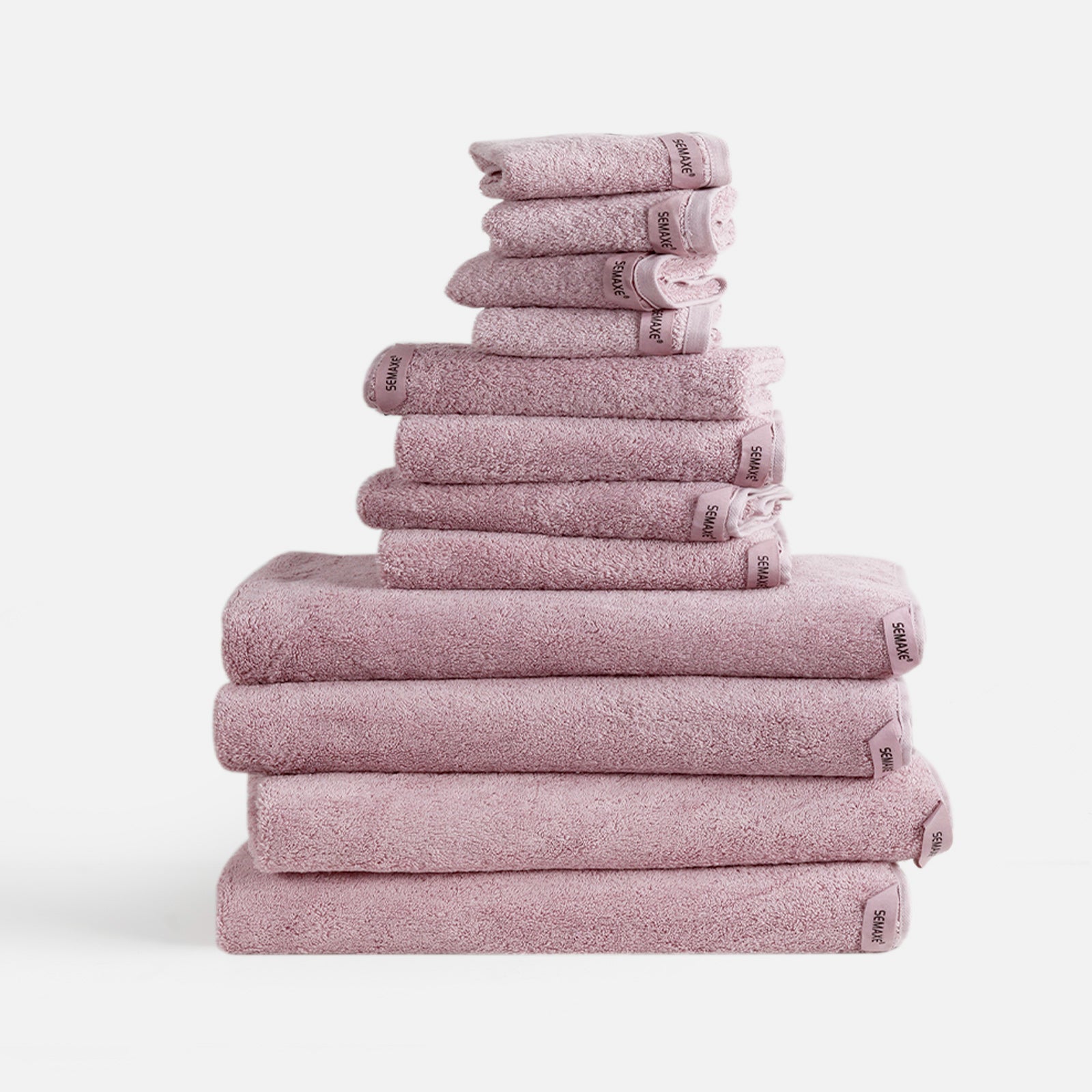
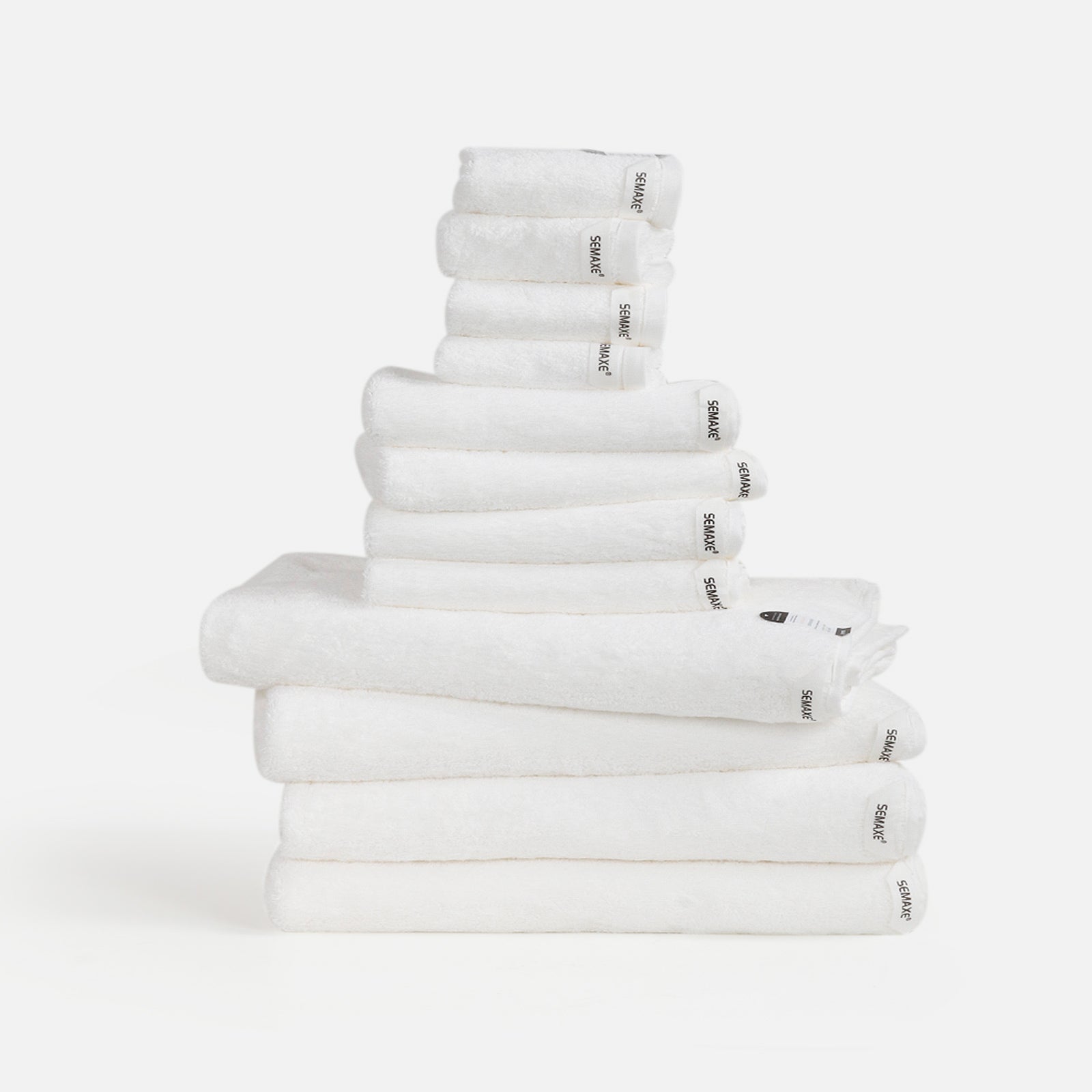
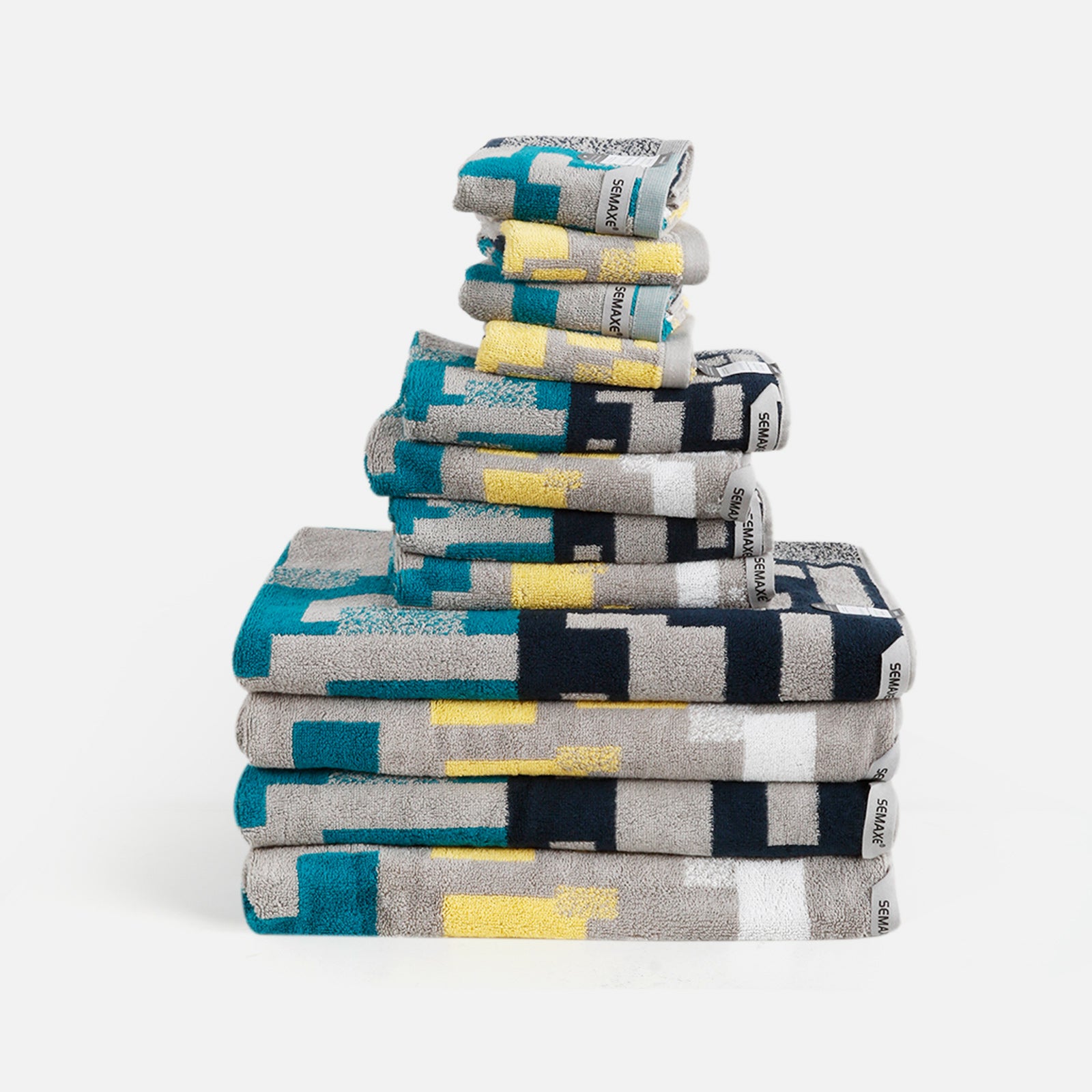
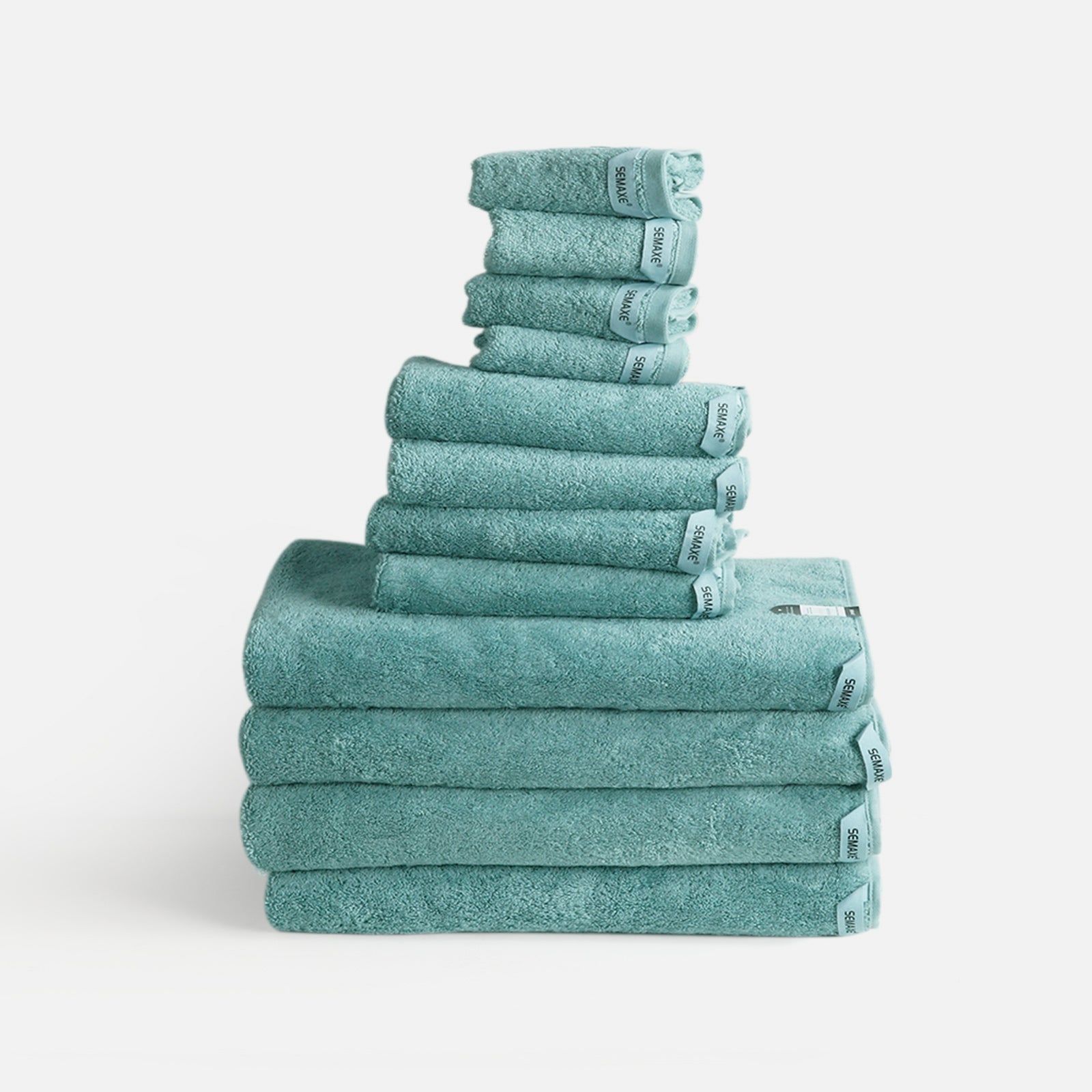
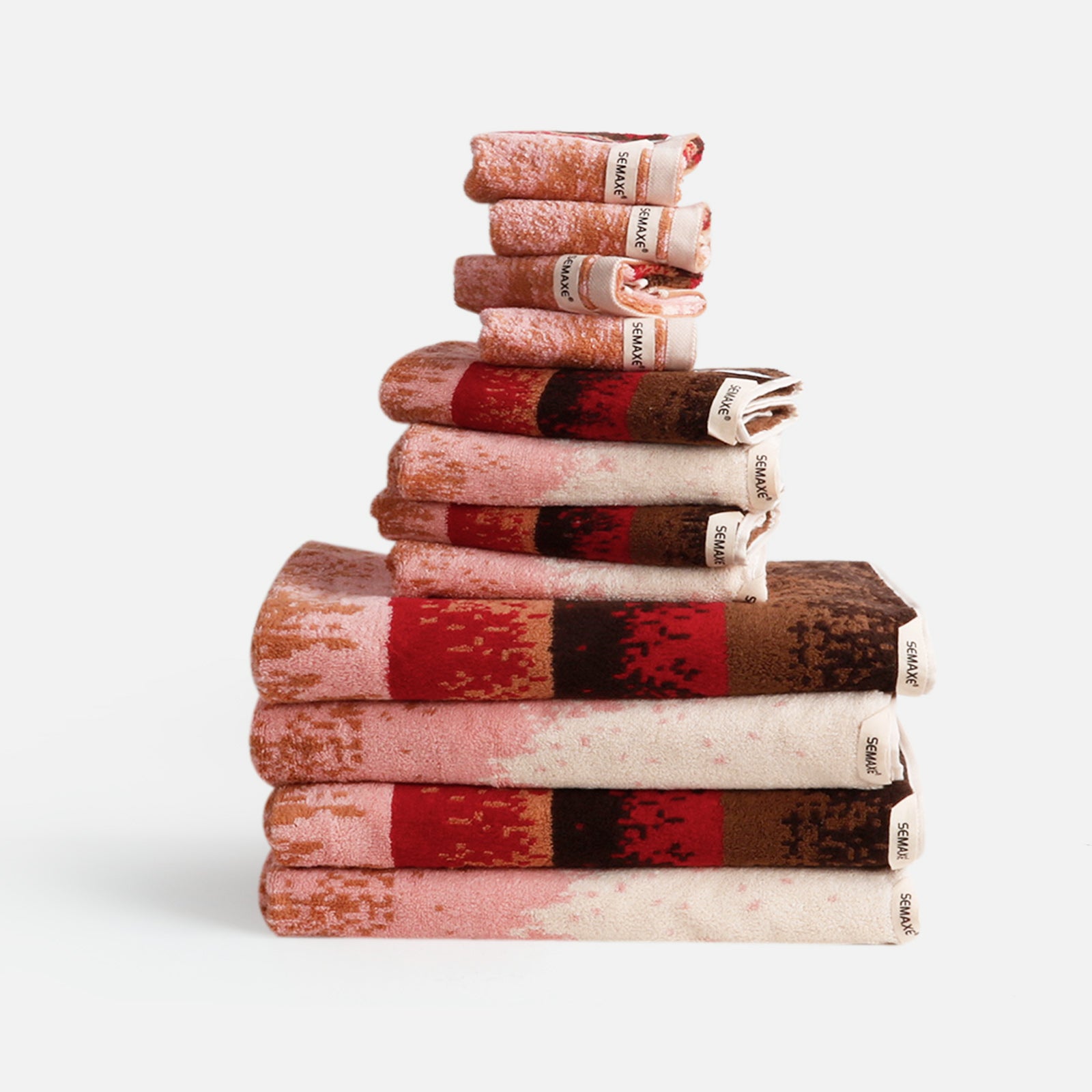
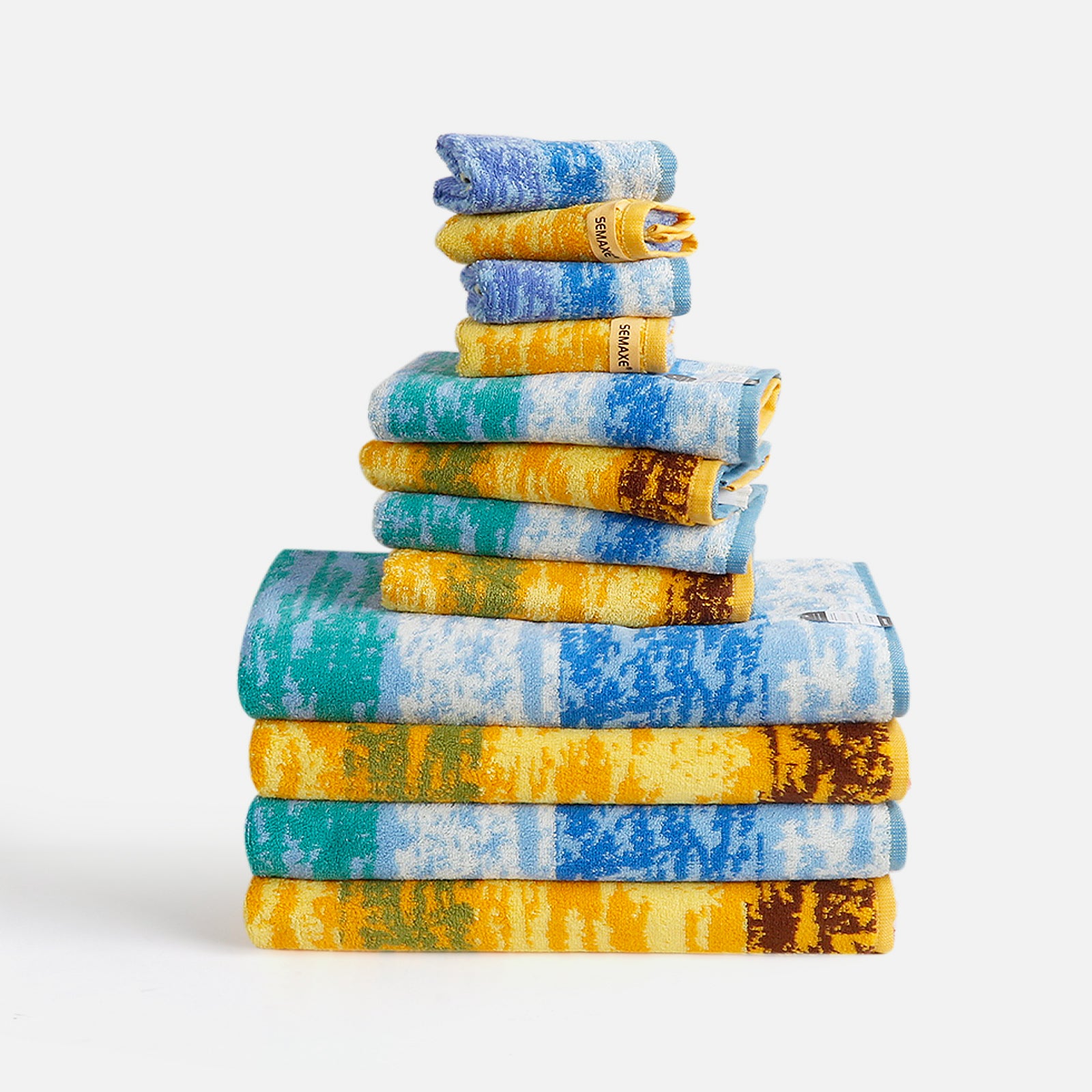
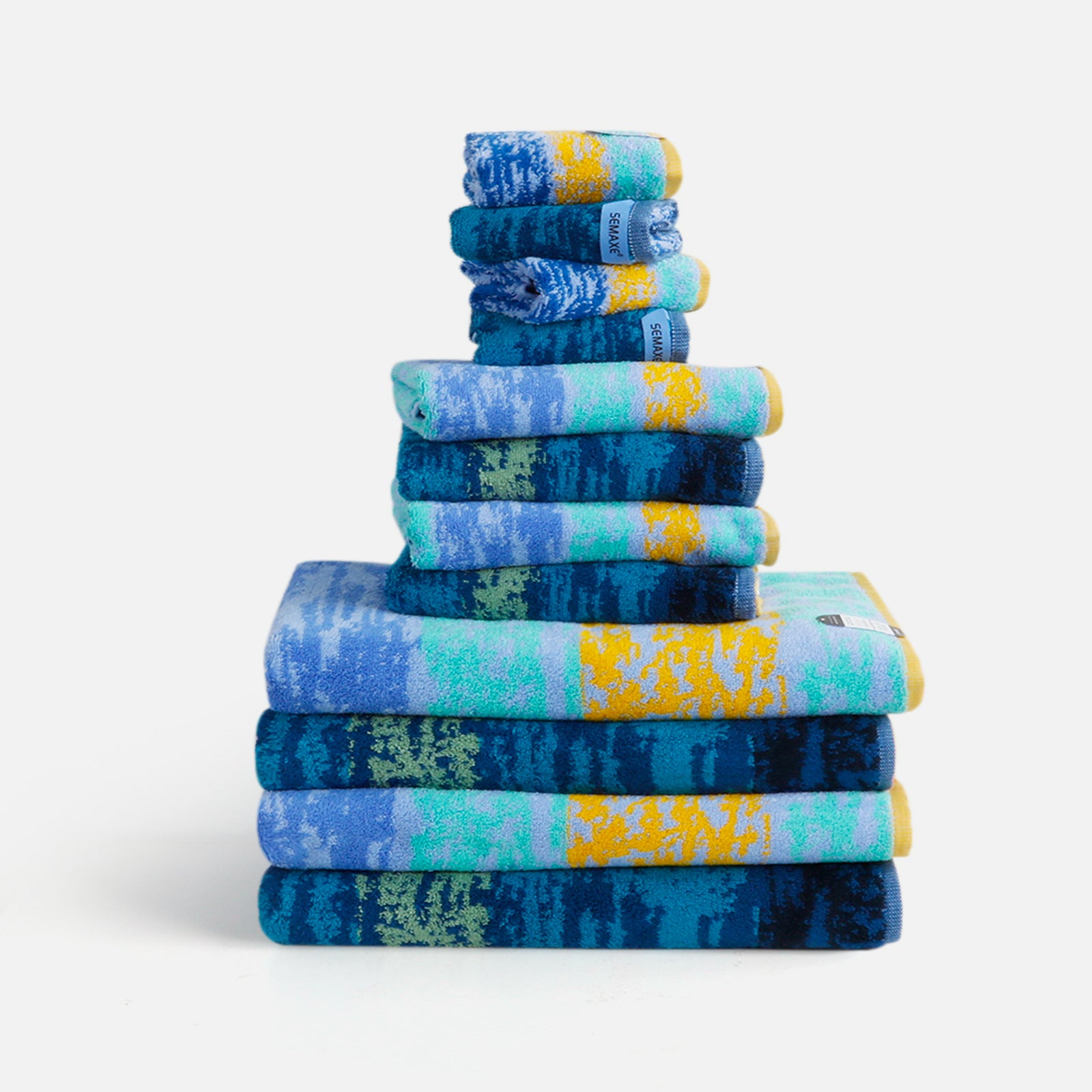
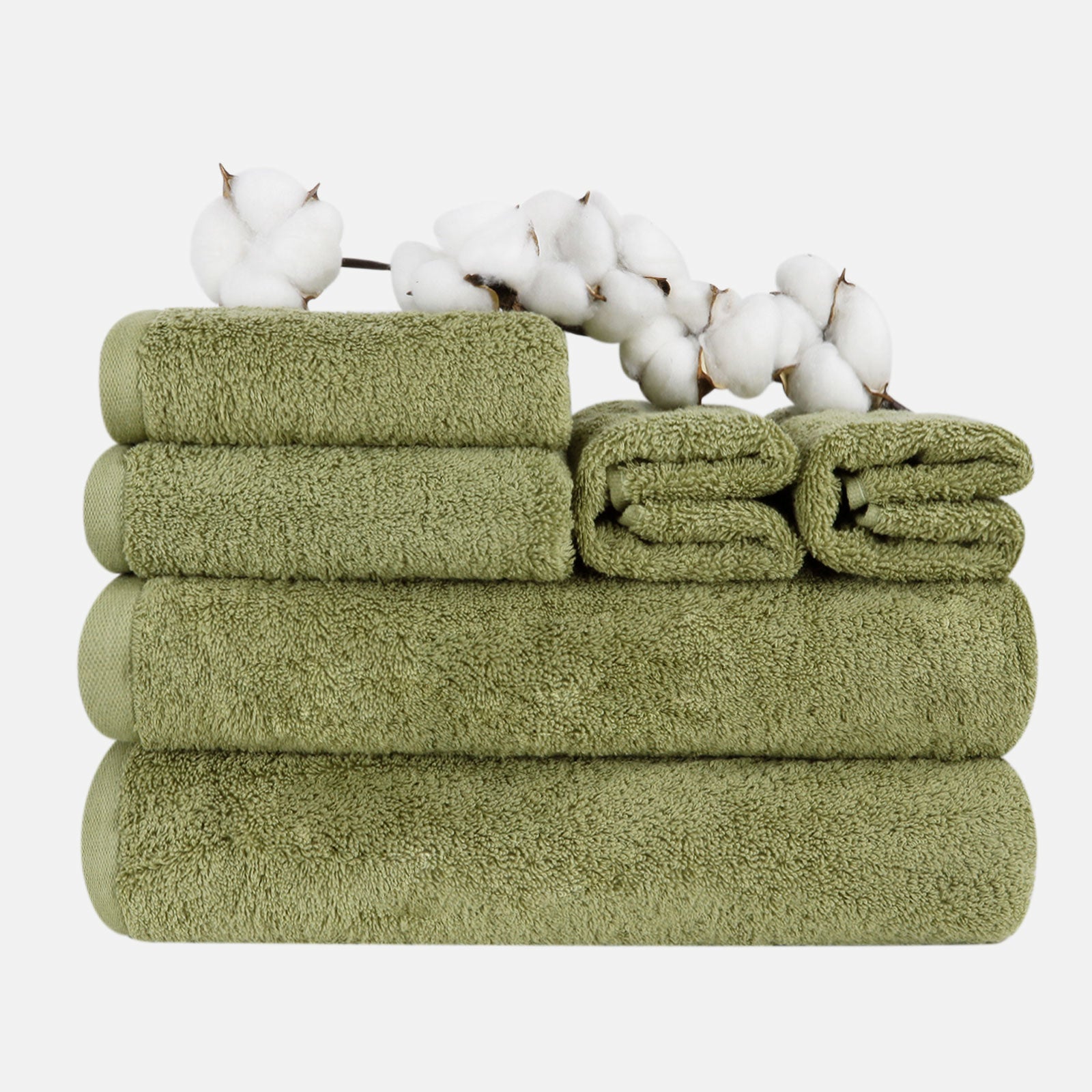
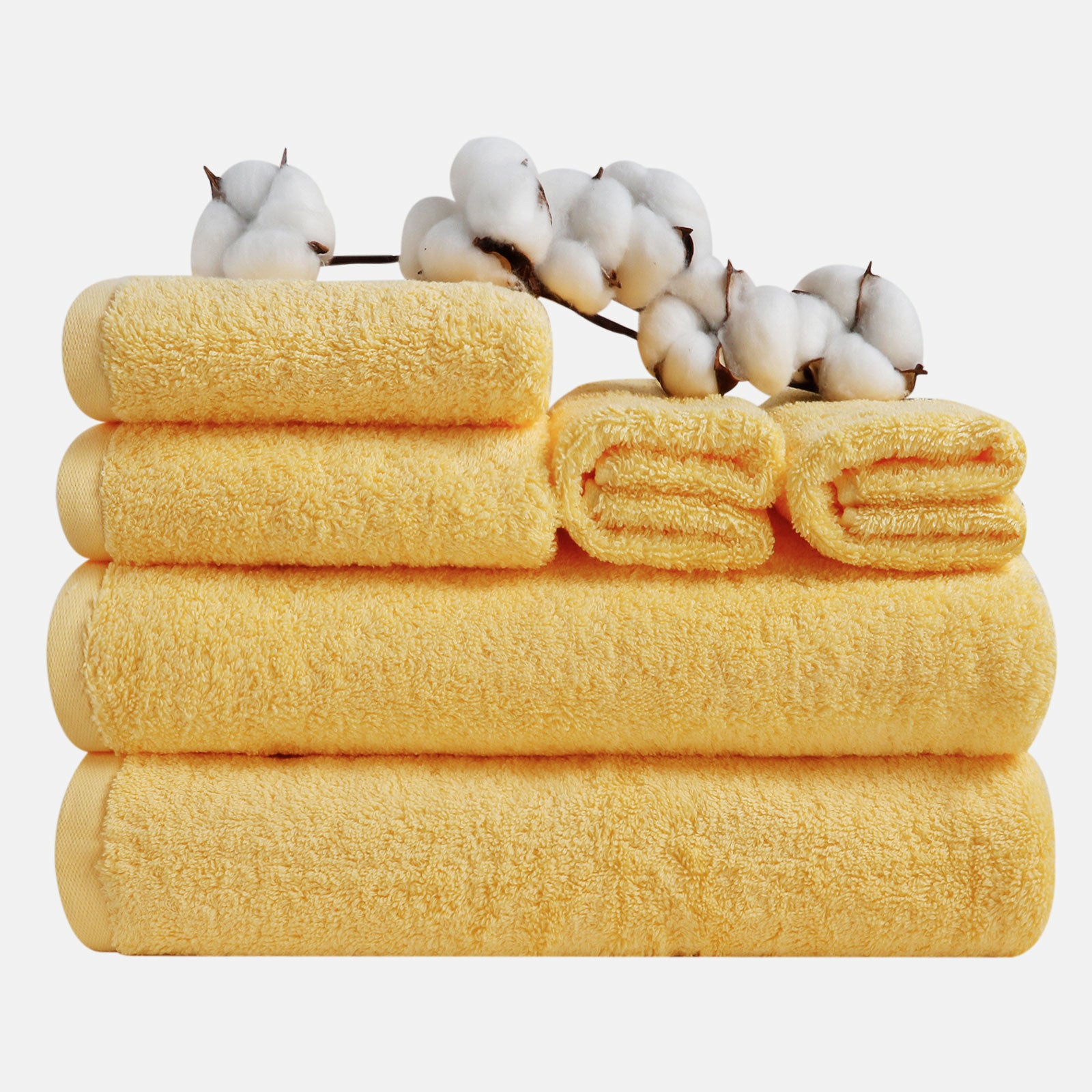
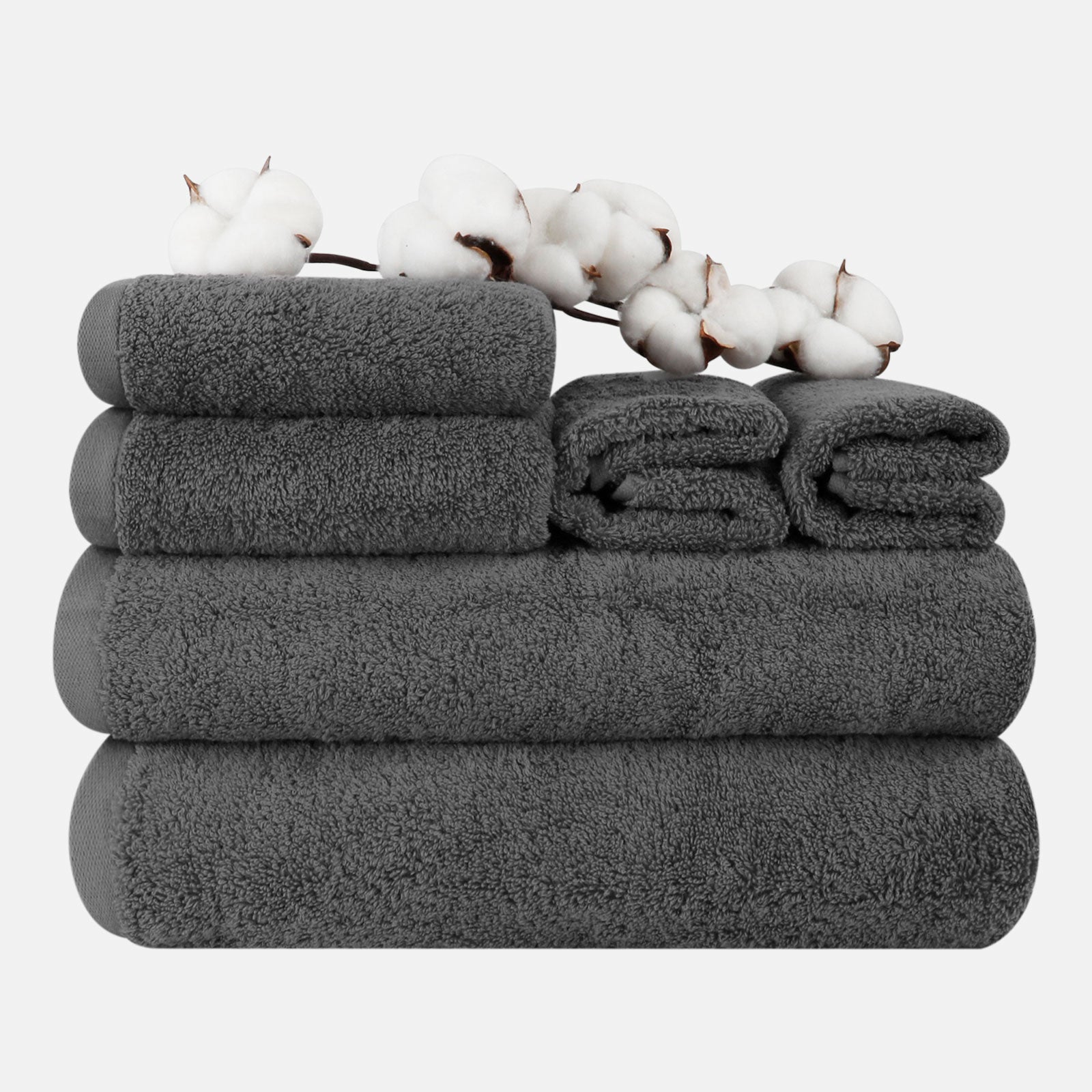
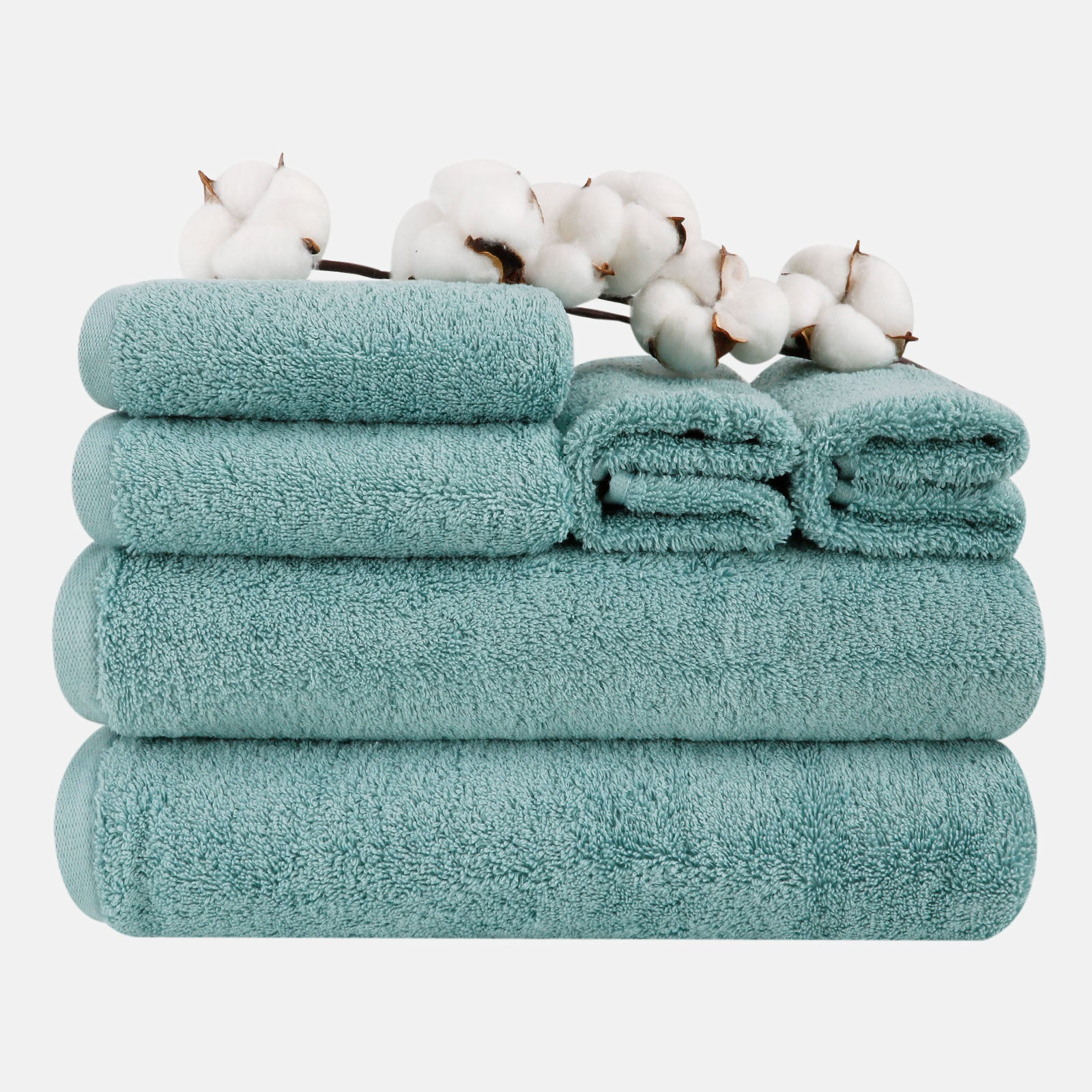
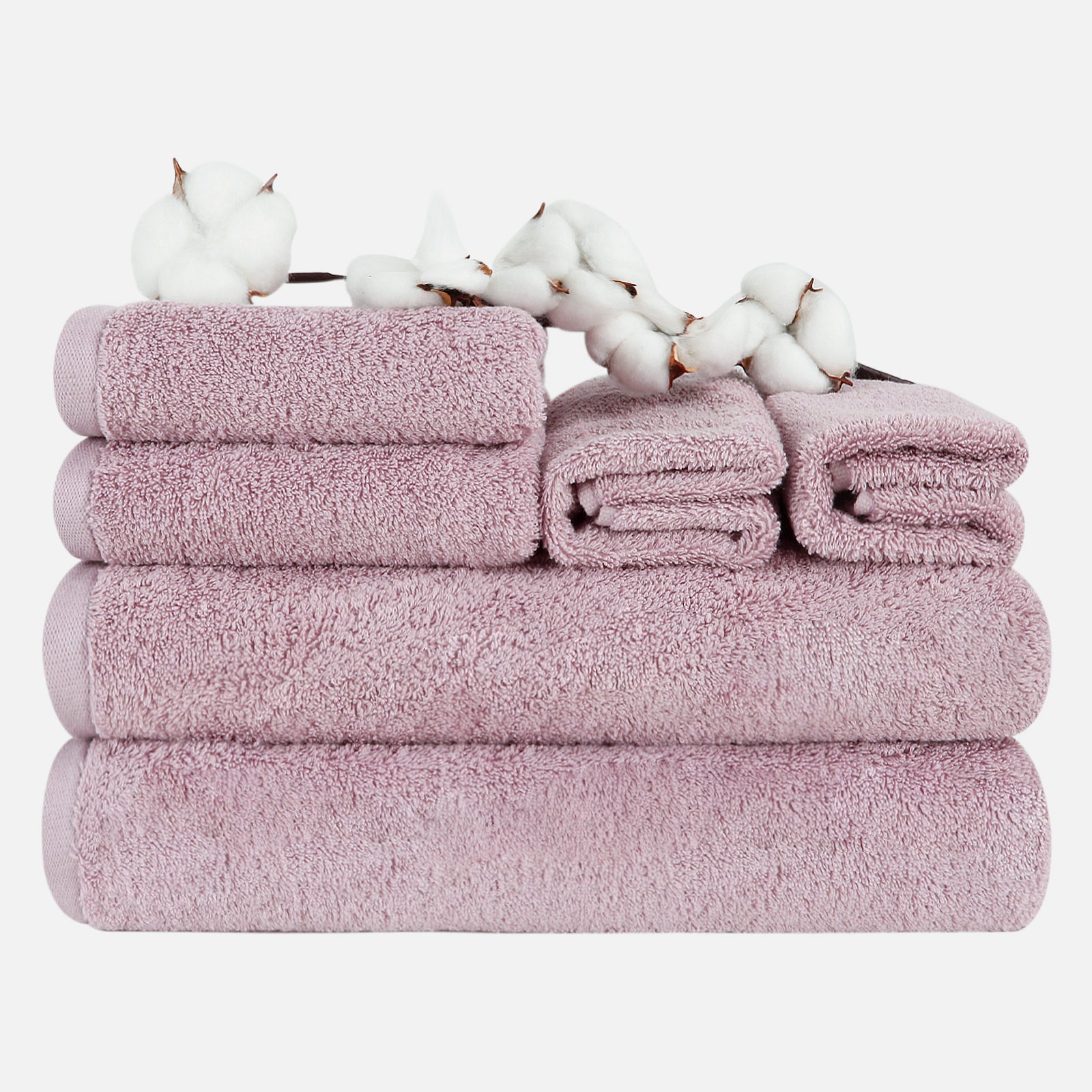
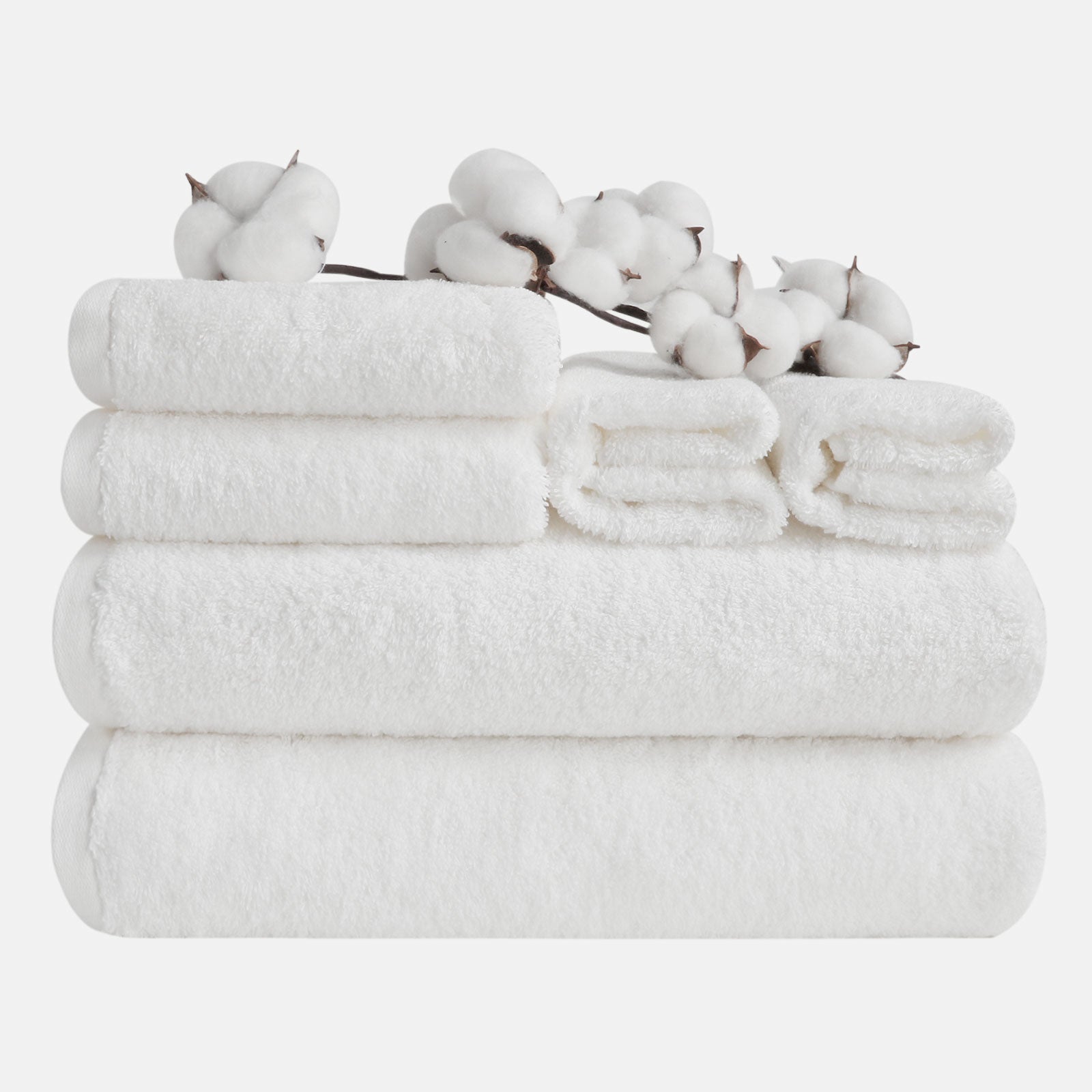
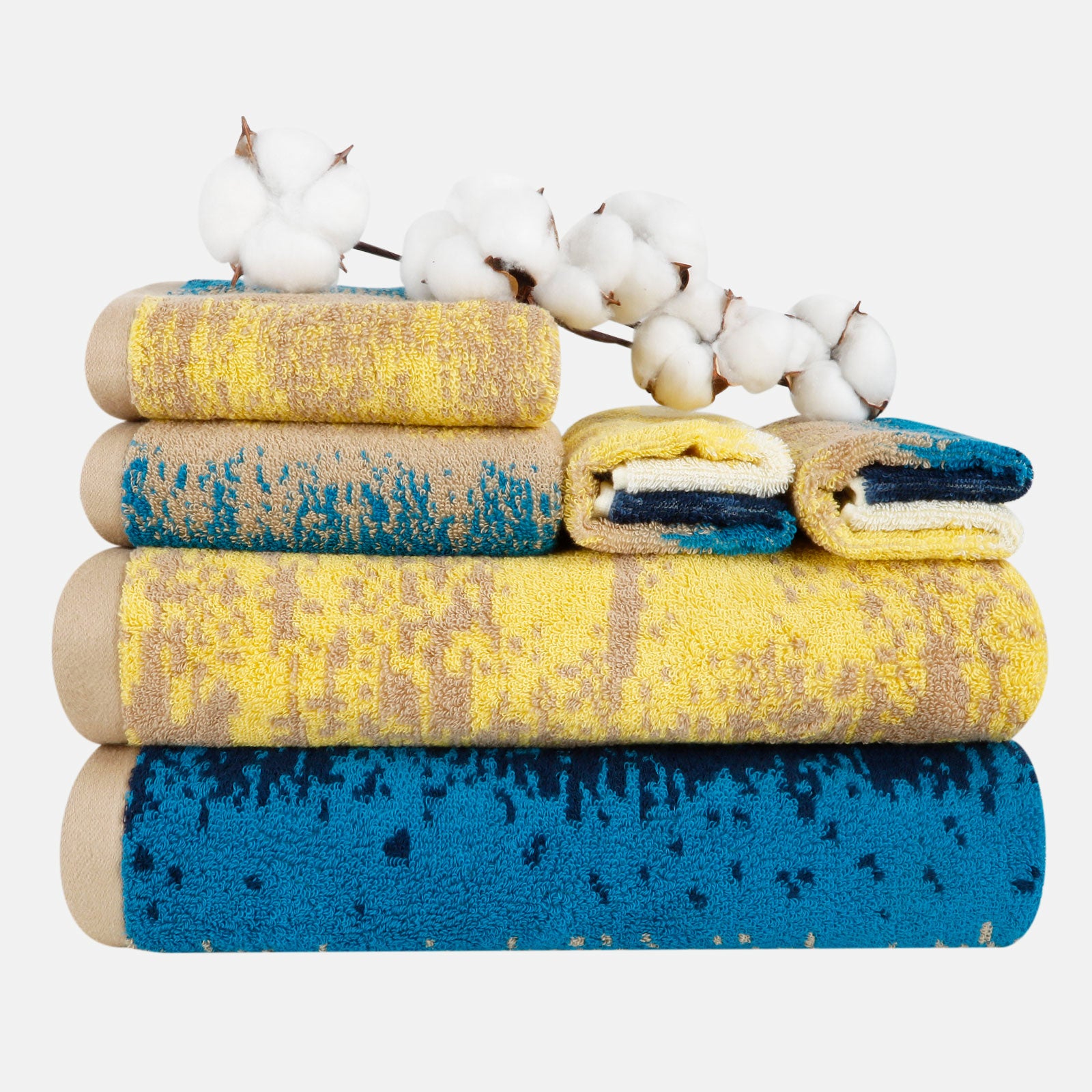
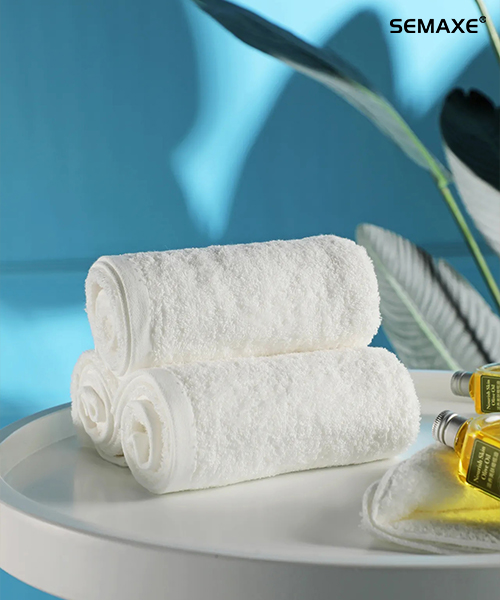
SEMAXE offers washcloths and face cloths in a variety of configurations:
-
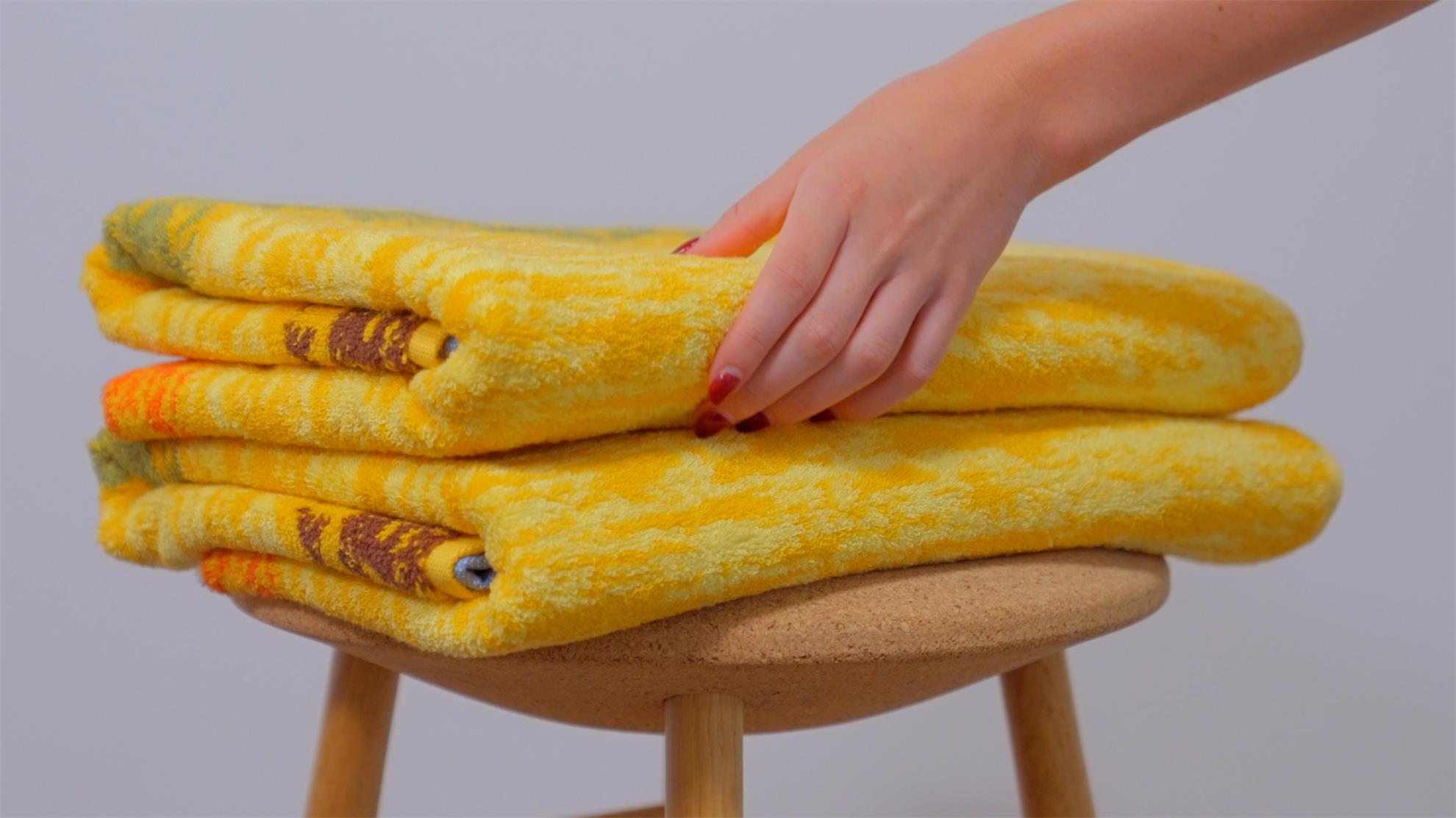
Towel and washcloth sets: Coordinated collections that include bath towels, hand towels, and washcloths — everything you need for a complete bathroom refresh.
-
Bath towel sets with washcloths: Our most popular configuration — perfect for families, guest bathrooms, and college dorms.
-
Bulk washcloth packs: Ideal for households that go through washcloths quickly — or for businesses like spas, salons, and medical offices.
-
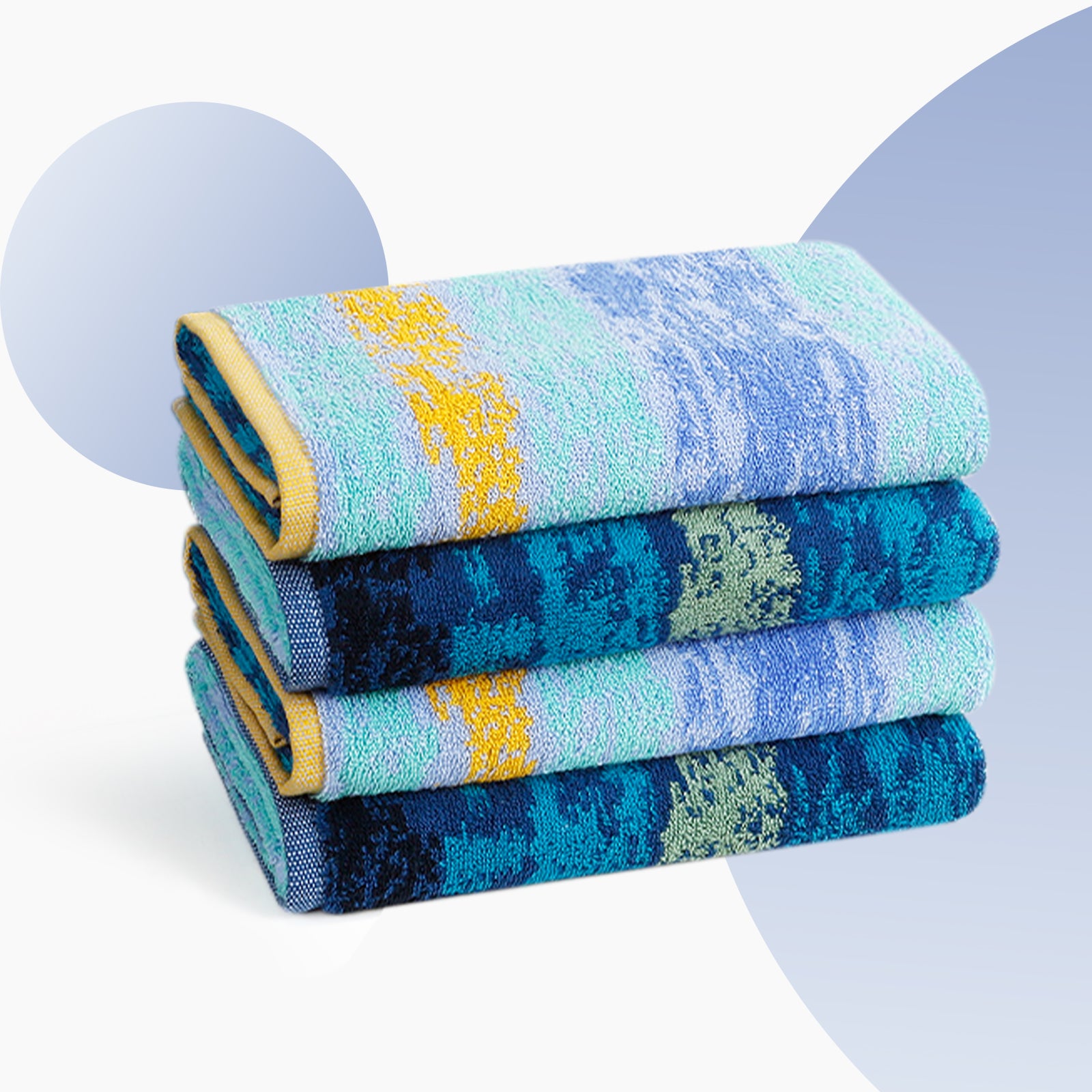
Face cloth sets: Dedicated face cloths in soft, gentle colors for your daily skincare routine.
Whether you need a single washcloth or a complete towel set, SEMAXE has you covered.
The Bottom Line
The washcloth may be the smallest towel in your bathroom, but it is also the one you use most often — and the one that touches your most sensitive skin. Choosing a quality face cloth made from 100% combed cotton, with overlock stitching and OEKO-TEX certification, is one of the simplest ways to upgrade your daily routine.
SEMAXE washcloths and face cloths are built on that philosophy. Every thread, every stitch, every detail is designed to give you a washcloth that does exactly what a washcloth should do: cleanse gently, feel wonderful against your skin, and stay fresh wash after wash.
Because your skin deserves nothing less.
Explore the full SEMAXE collection of washcloths and face cloths at [www.semaxe.com] — and experience the difference that real cotton quality makes.