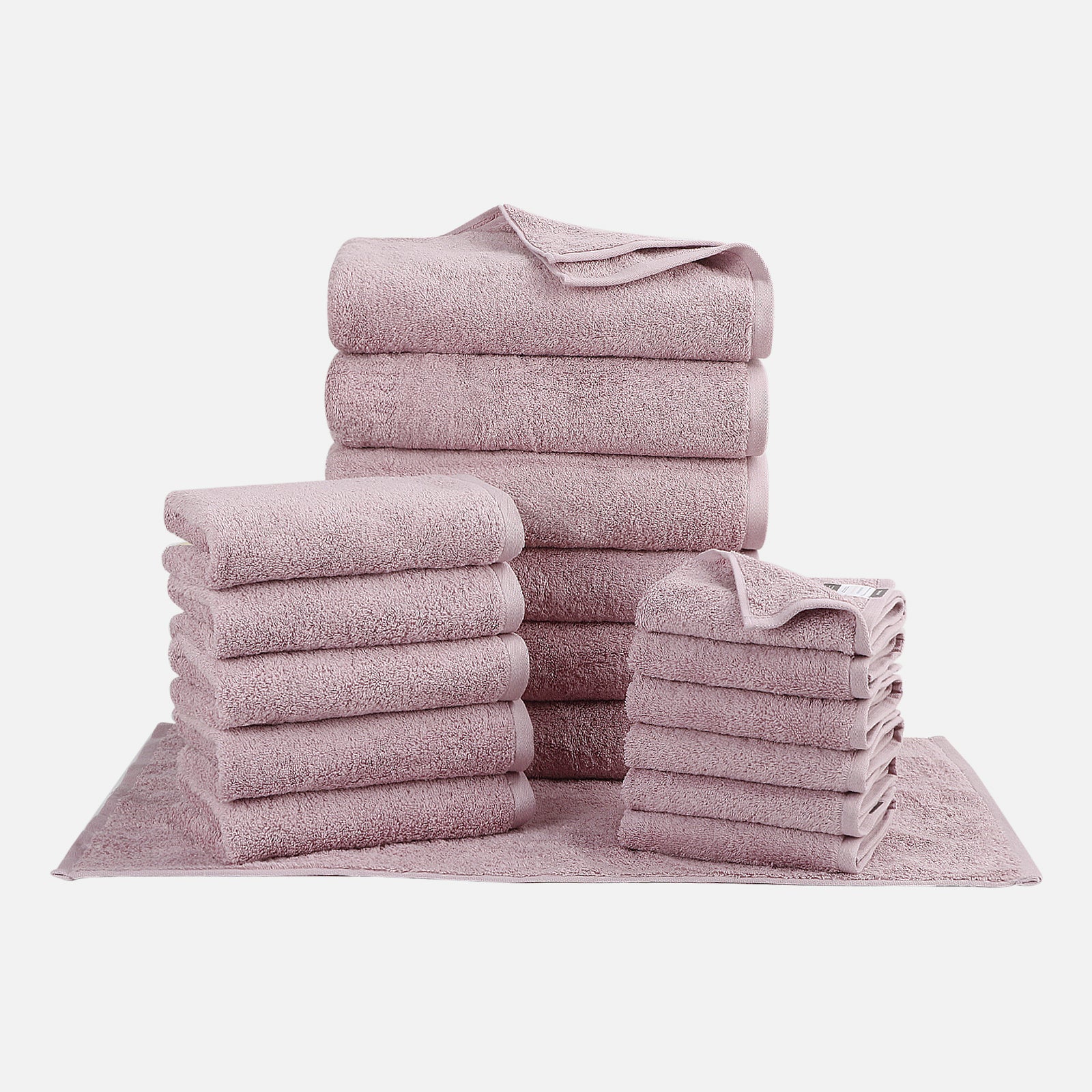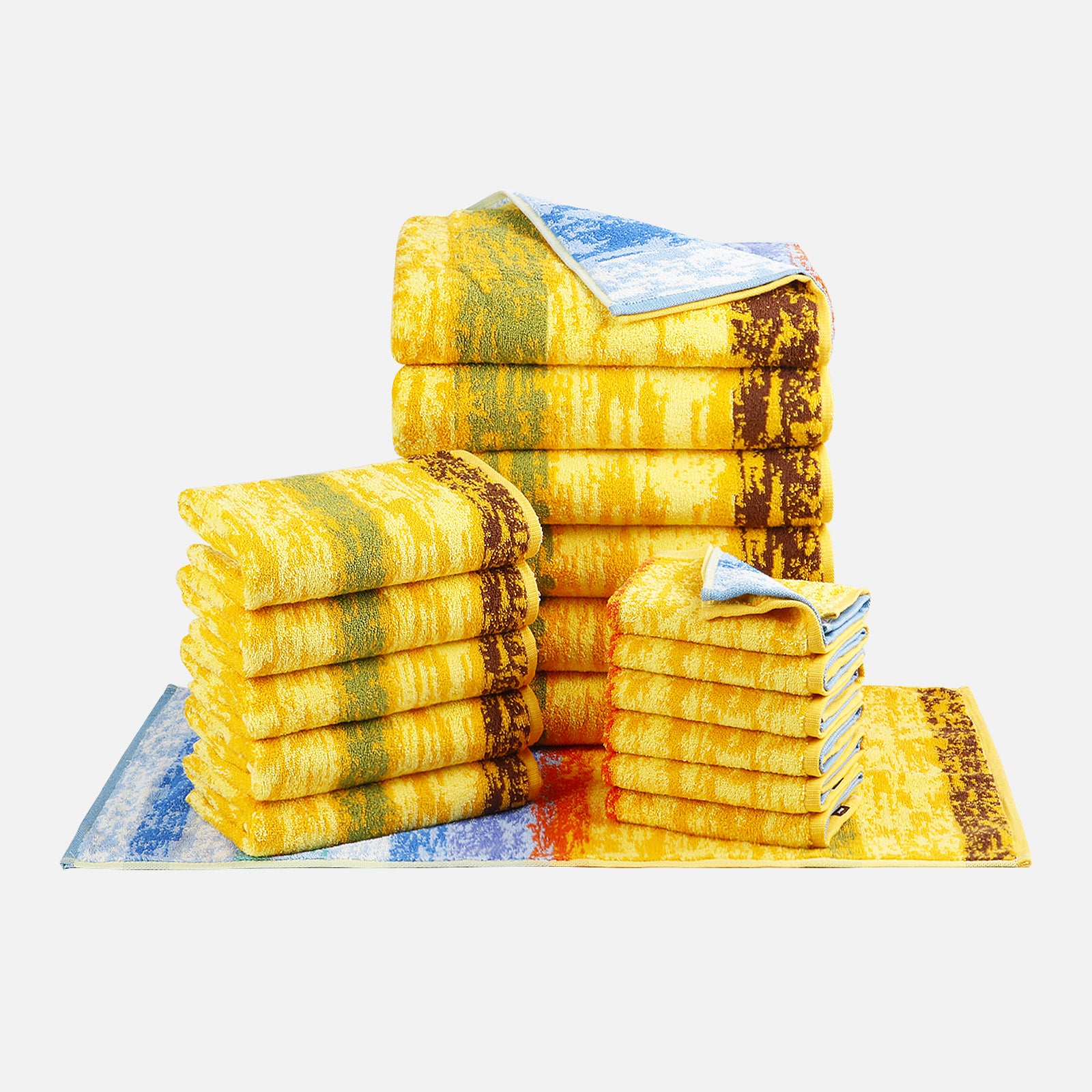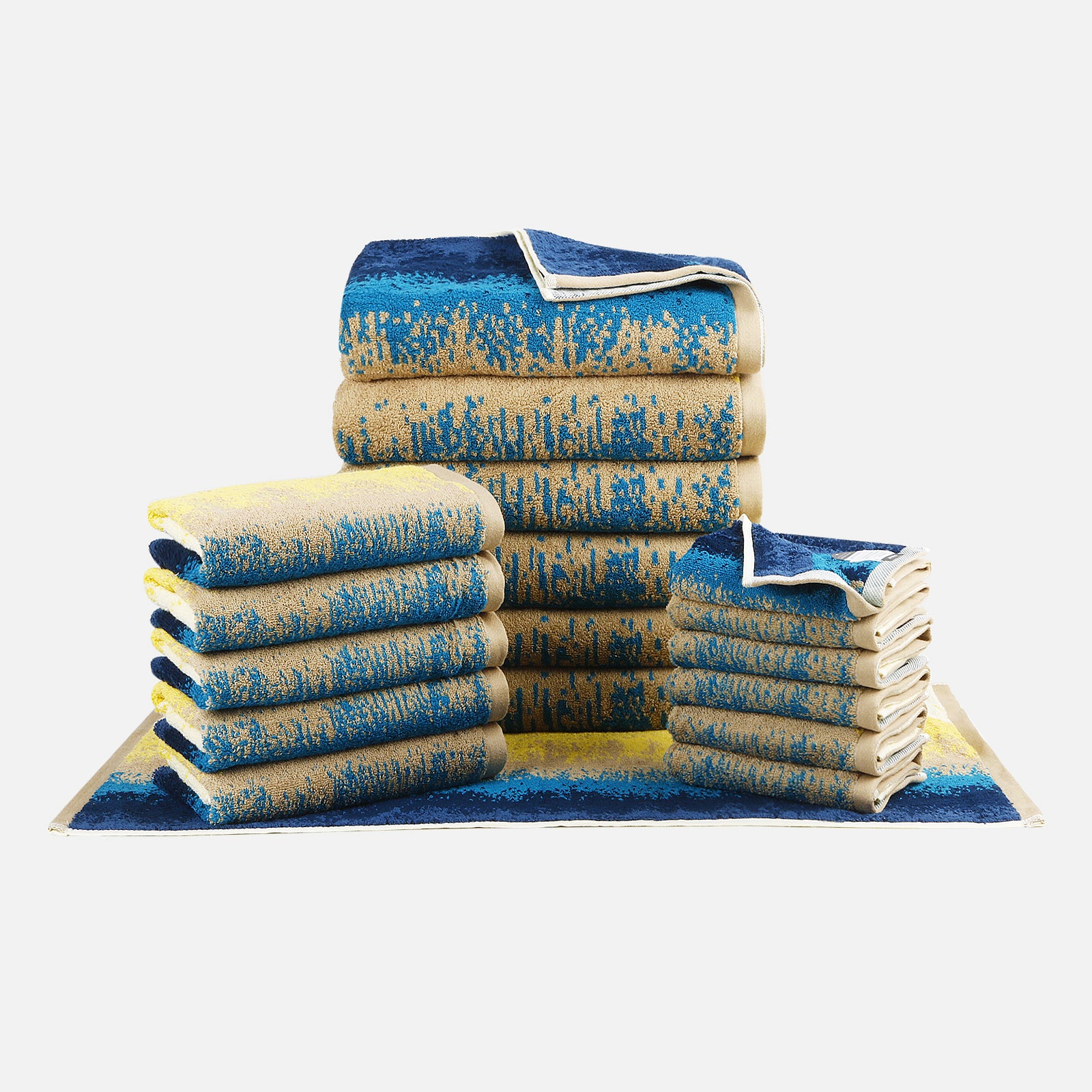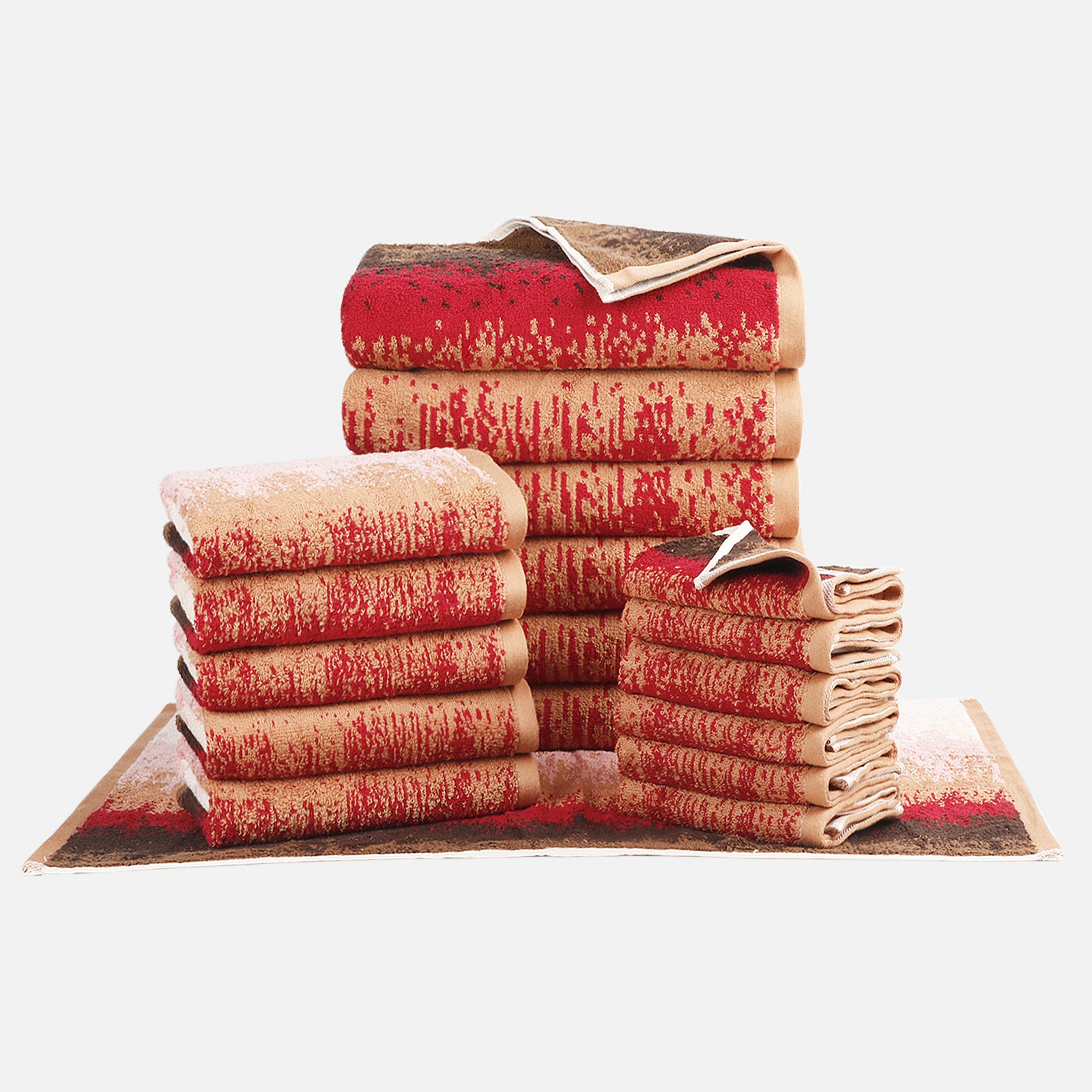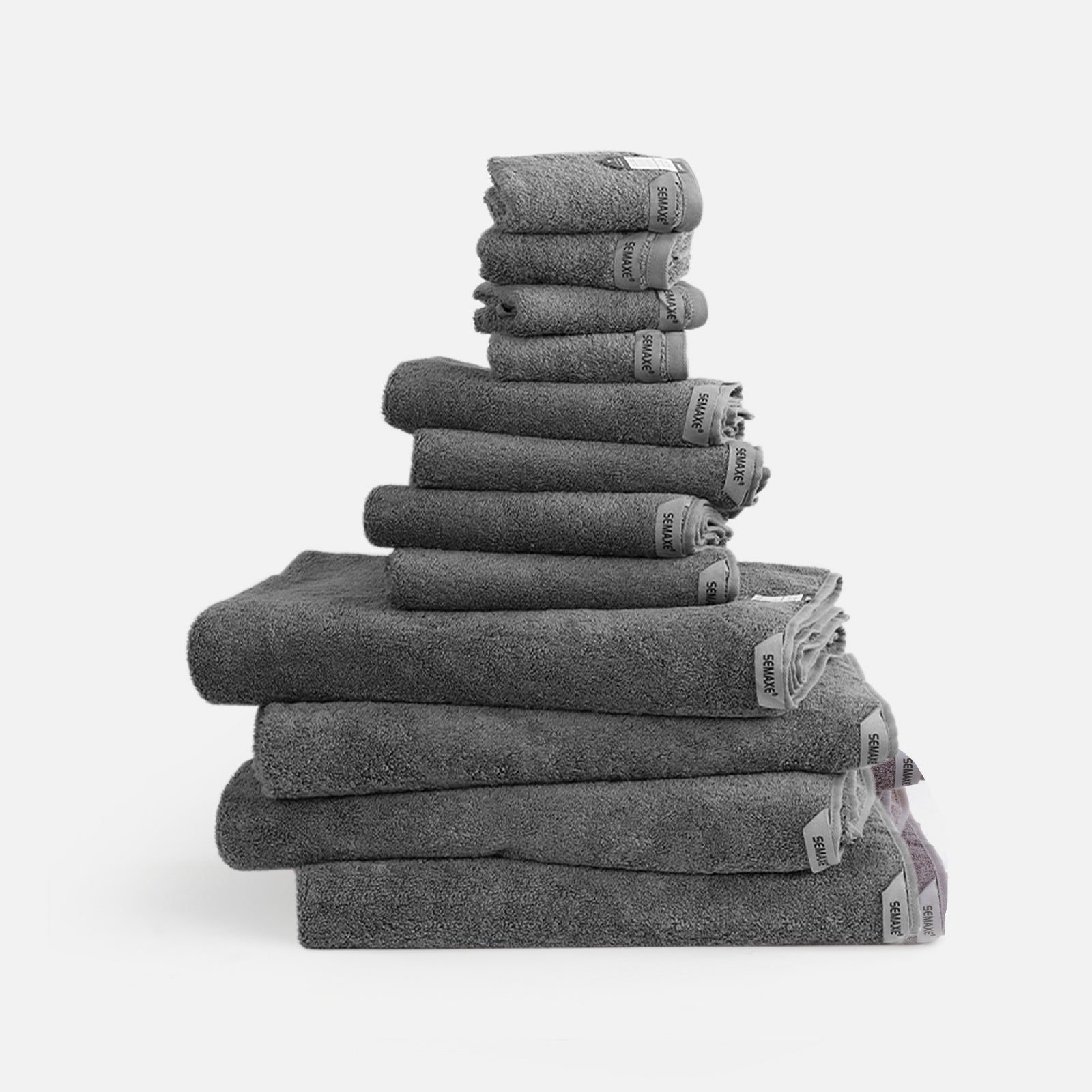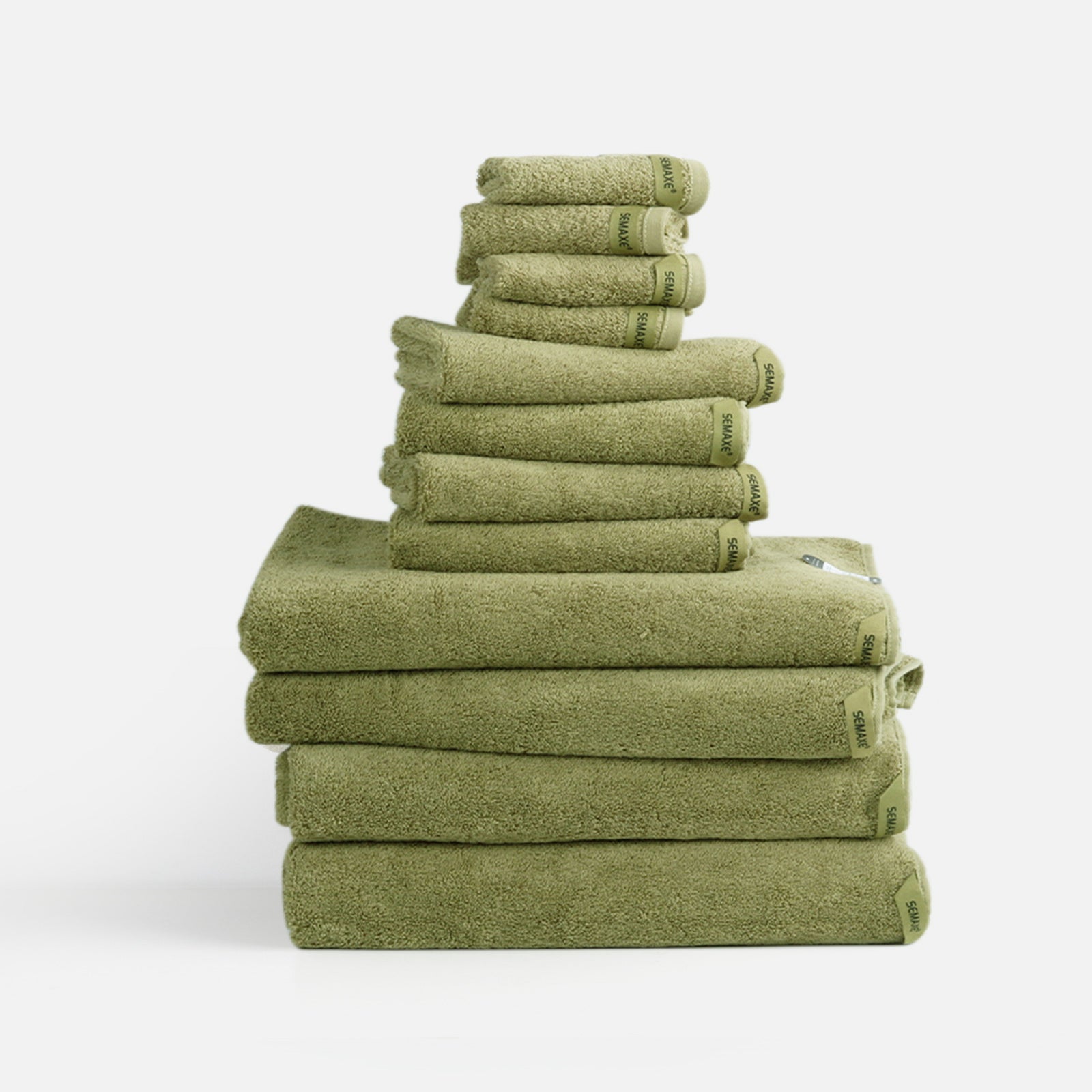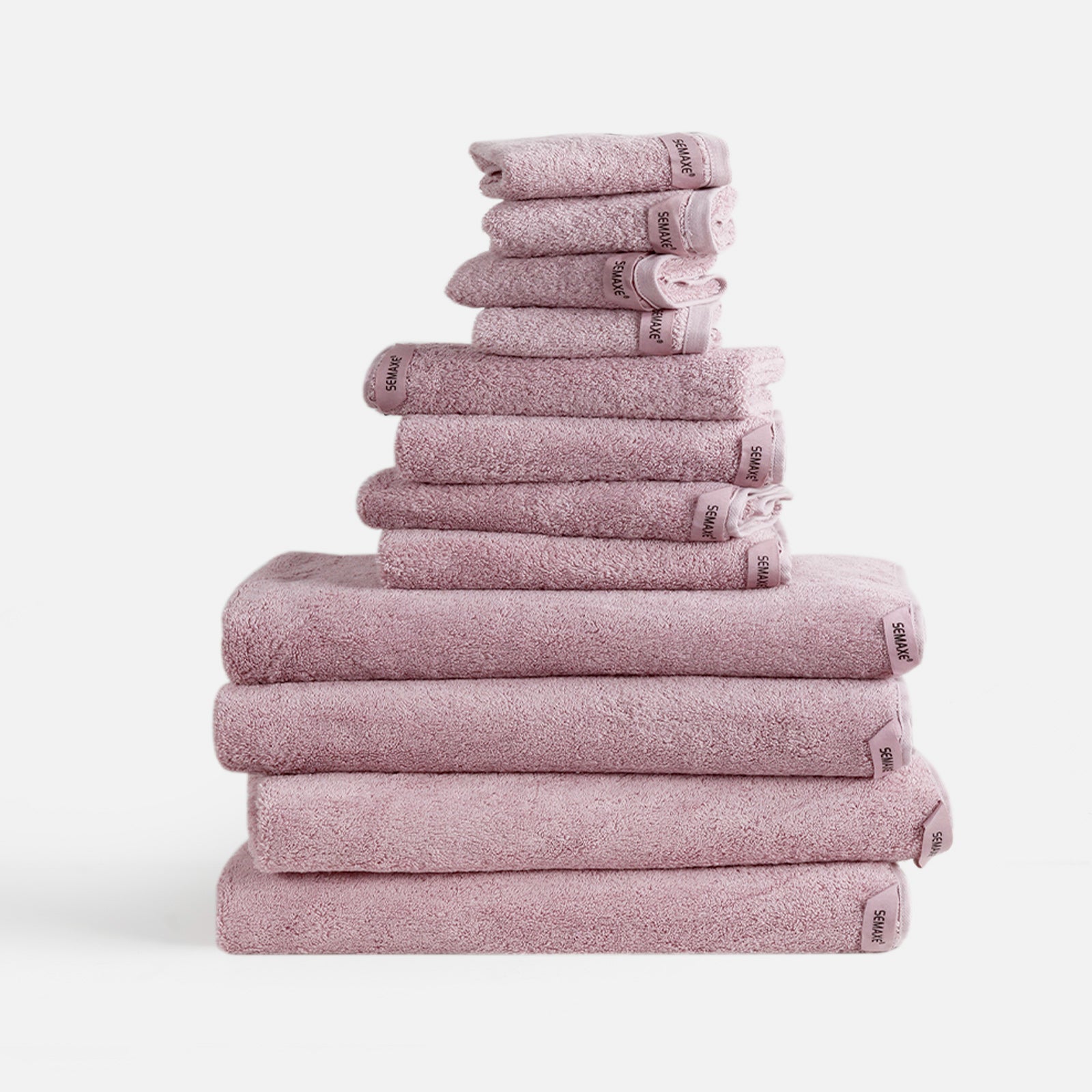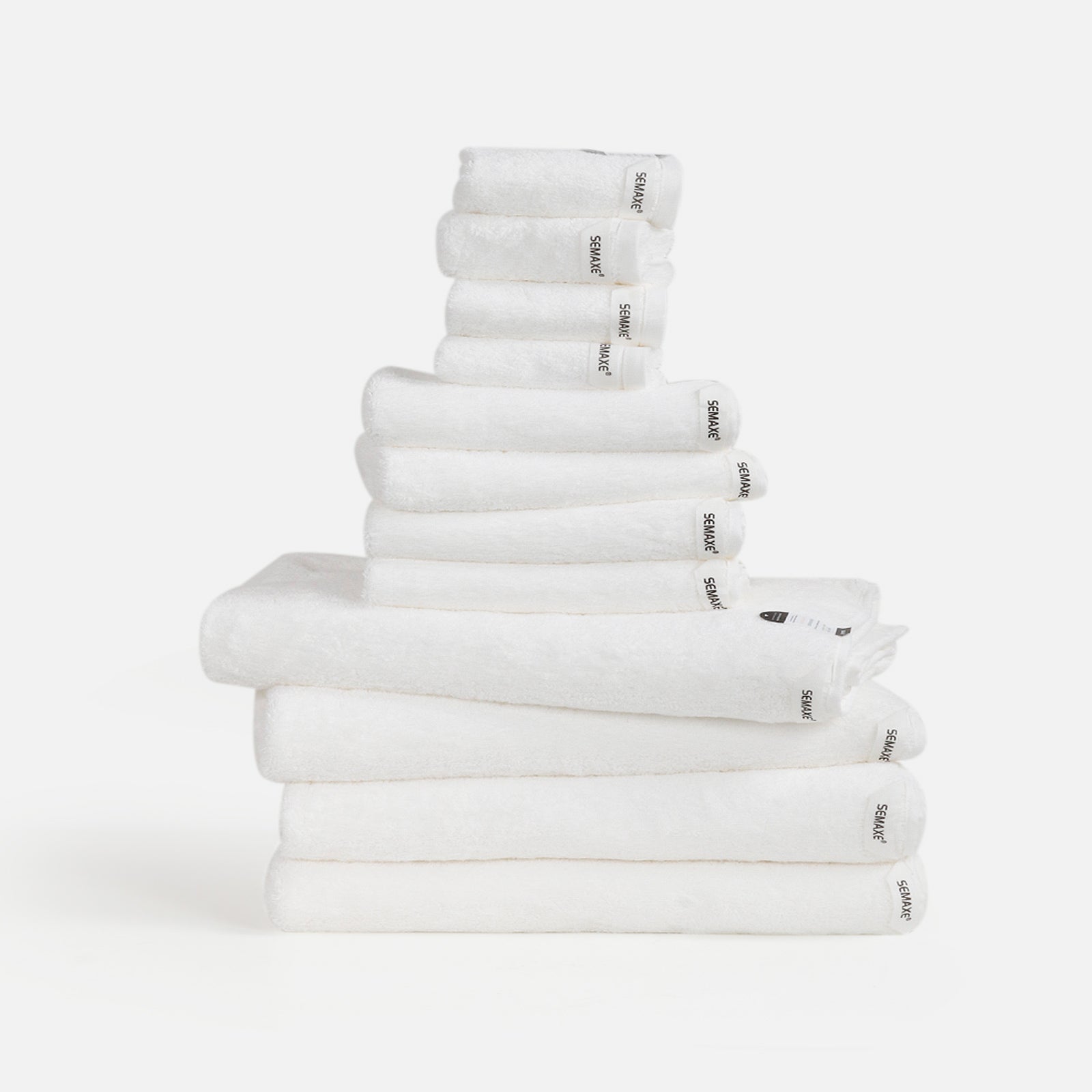
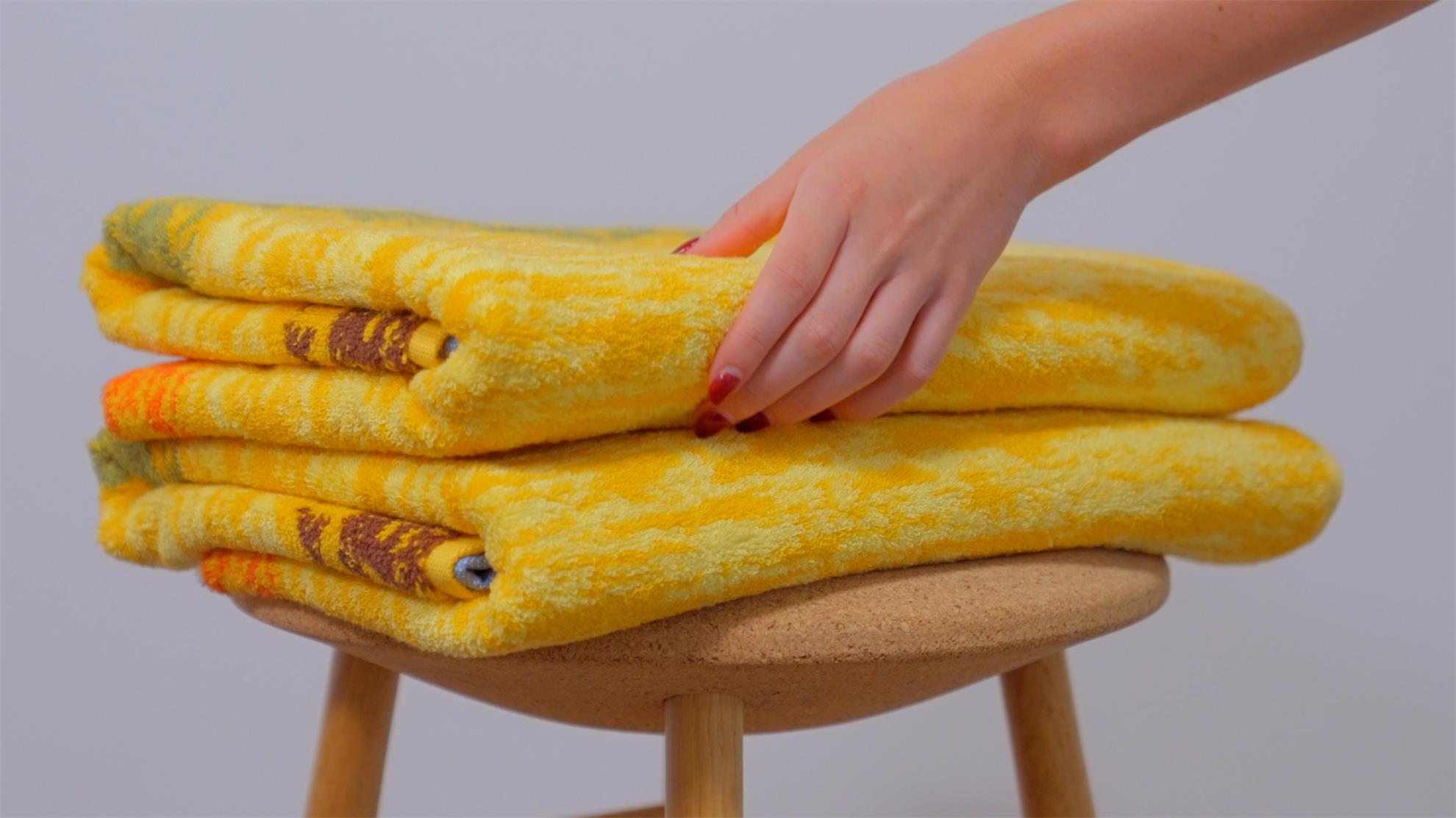

Here is one of the most common laundry mistakes: reaching for the fabric softener to make your towels feel fluffy.
It seems logical. Fabric softener makes clothes soft. So it should make towels soft, right?
Wrong.
How fabric softener actually harms towels
Fabric softeners work by depositing a thin, waxy coating onto fabric fibers. On clothing, this reduces static cling. But on towels, that waxy coating is a disaster.
The wax coats the cotton fibers and blocks the tiny spaces between them — the very spaces that absorb water. Instead of being drawn into the towel, water simply sits on the surface or slides right off. Over time, the buildup accumulates, and your towels become less and less absorbent.
Experts have a clear message: "Skip any fabric softeners or conditioners, as they will decrease the absorbency of your towels". Fabric softeners and detergents can cause a waxy build-up that can lead to stiffness. Many believe the more fabric softener you use, the softer your towels will be — but it actually has the opposite effect.
The problems don't stop at absorbency
Fabric softener also:
-
Traps bacteria and body oils against the fibers, leading to odors
-
Makes towels feel slippery rather than truly soft
-
Reduces the towel's ability to dry you effectively
-
Builds up over time, becoming harder to remove
What about dryer sheets?
Dryer sheets work similarly to liquid fabric softeners, depositing a thin layer of lubricating ingredients onto fabrics. For best results, avoid dryer sheets as well. If you want to reduce static in the dryer, wool dryer balls are an excellent alternative.
The natural alternative: white vinegar
"Switch fabric conditioner to white vinegar," experts recommend. White vinegar softens towels without leaving residue.
To use: add half to one cup of distilled white vinegar to the rinse cycle. Simply pour the vinegar directly into the drum before loading your towels, and start the cycle as usual. The vinegar works by breaking down any detergent residue or mineral build-up in the fibres, which can leave towels feeling rough. It helps to restore softness and absorbency without harsh chemicals, leaving your towels fresh and cozy.
Don't worry about your towels smelling like vinegar — it all washes away, leaving just the smell of fresh, clean laundry.
Baking soda as an alternative
For a "softer texture" and to eliminate any "sour odour," run a wash cycle with half a cup of baking soda, leaving out the washing powder. Some experts express a preference for baking soda over vinegar for freshening up towels.

How to fix towels already damaged by softener
If your towels have buildup from fabric softener, use the vinegar-and-baking-soda stripping method described in Blog 2. It may take multiple washes to fully remove the coating.
SEMAXE's position
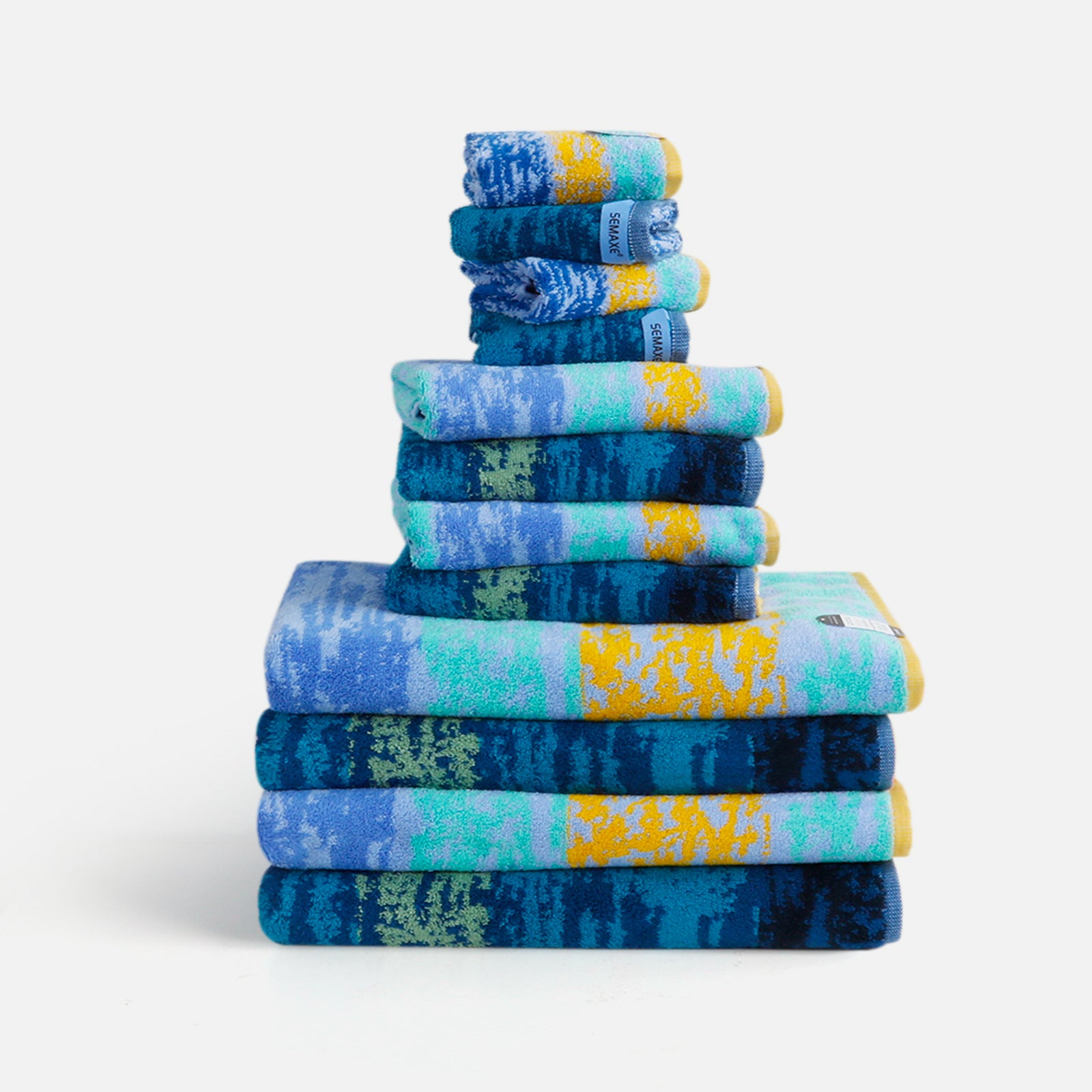
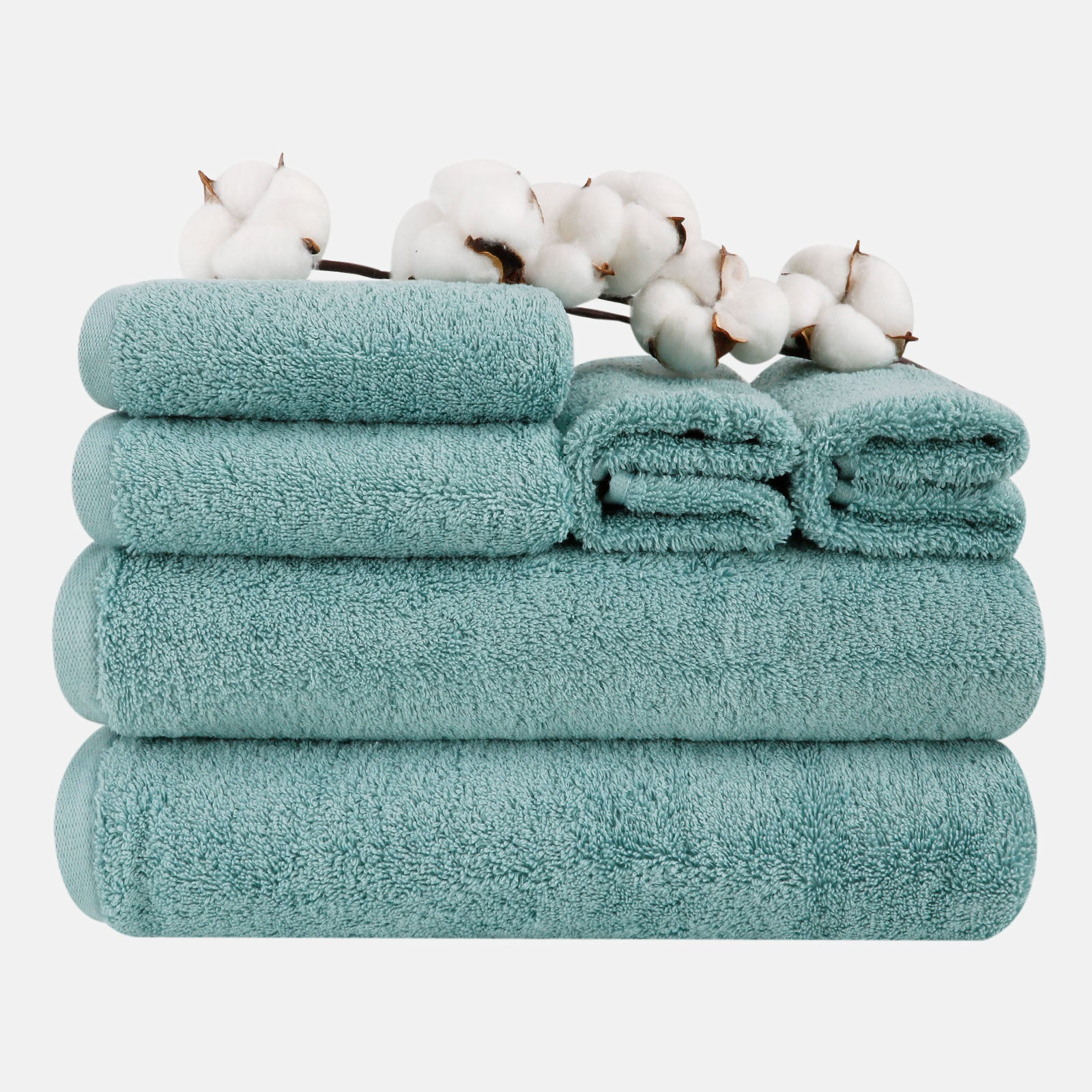
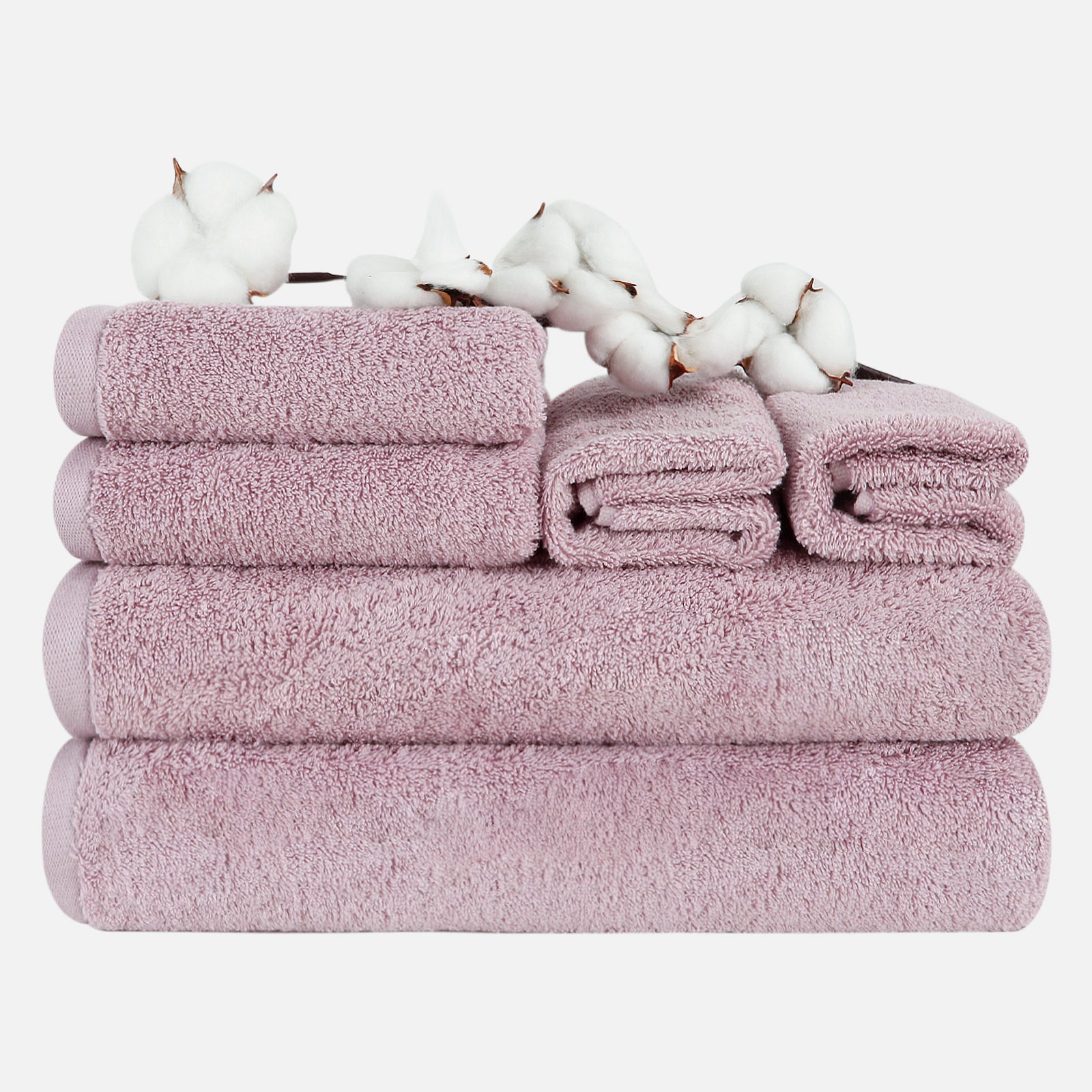
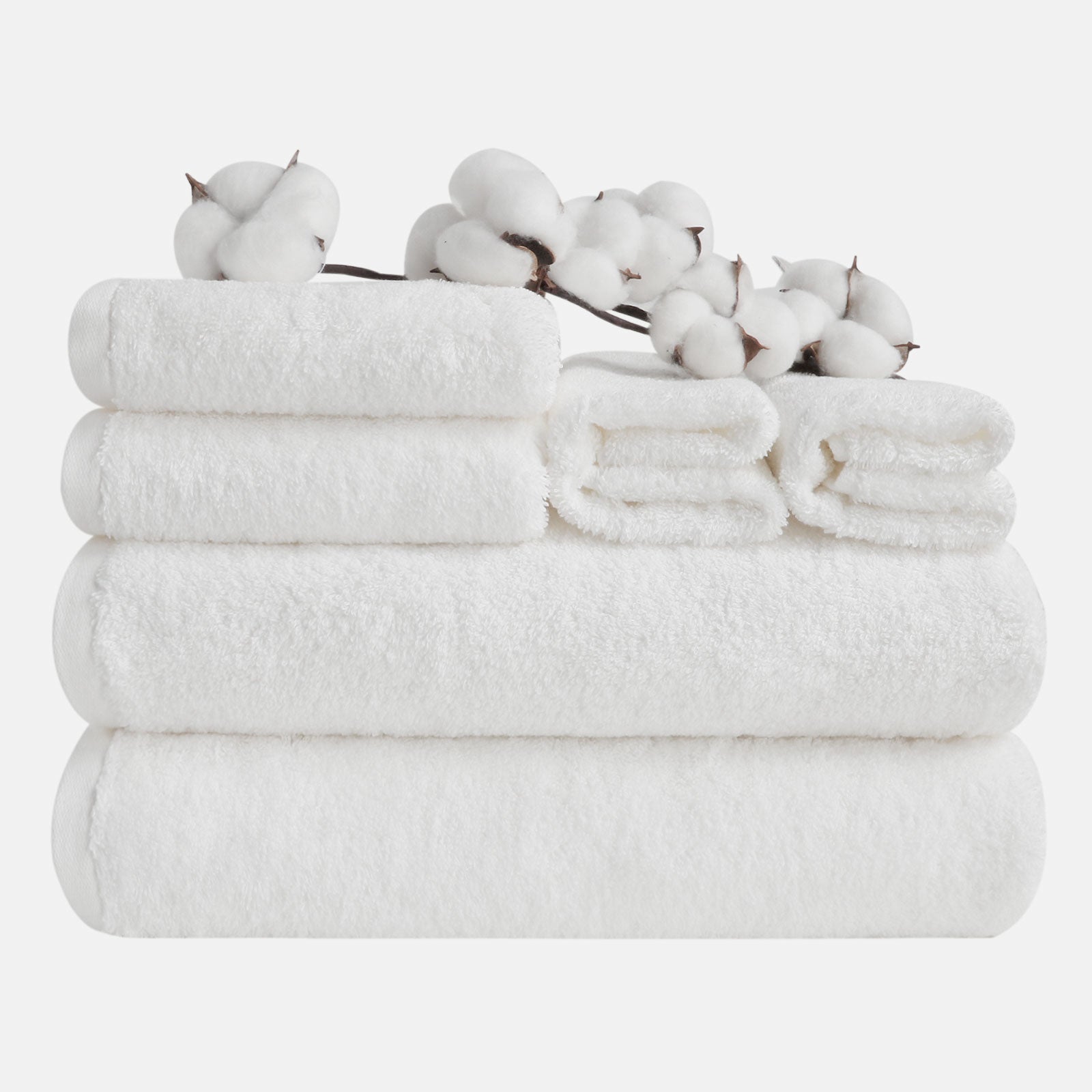
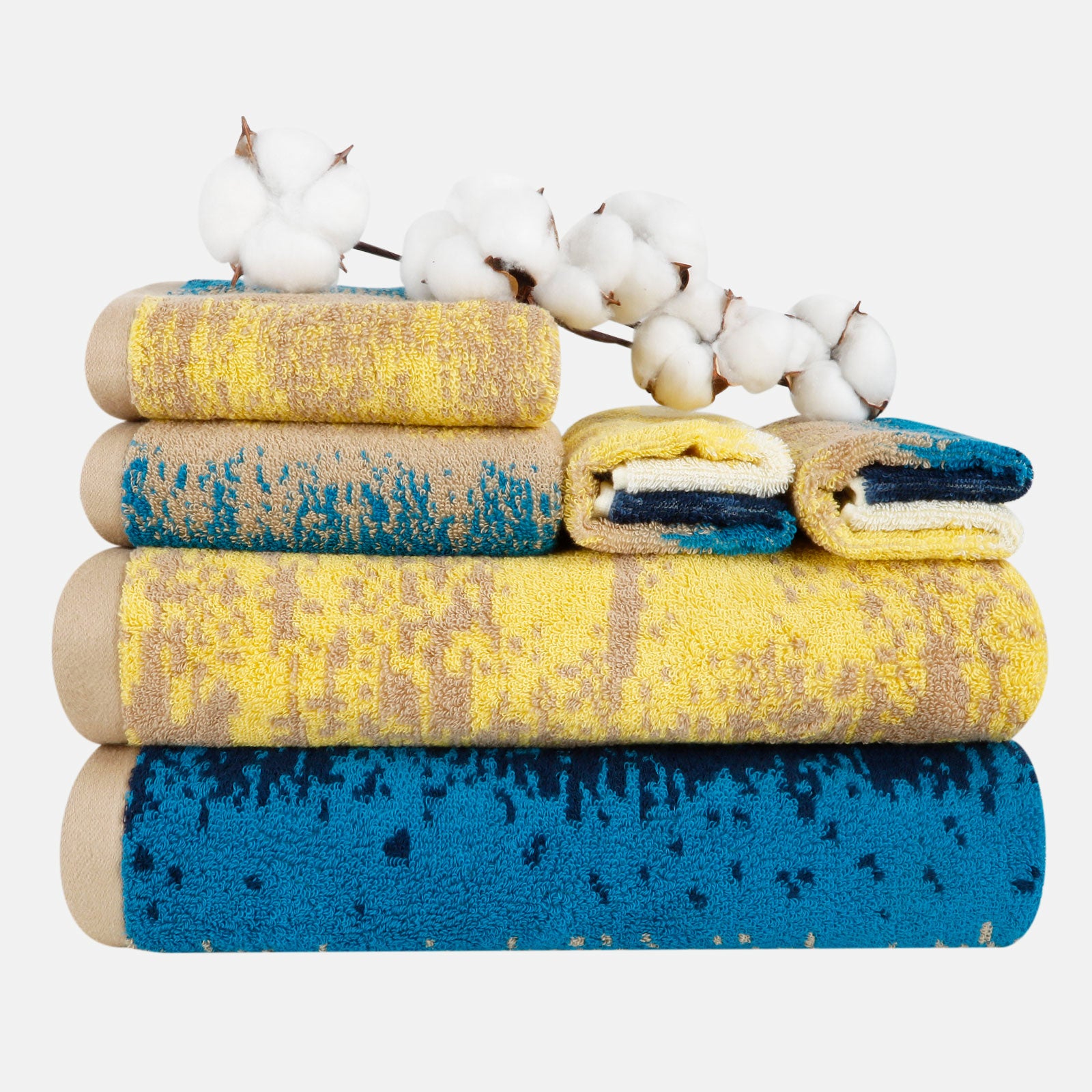
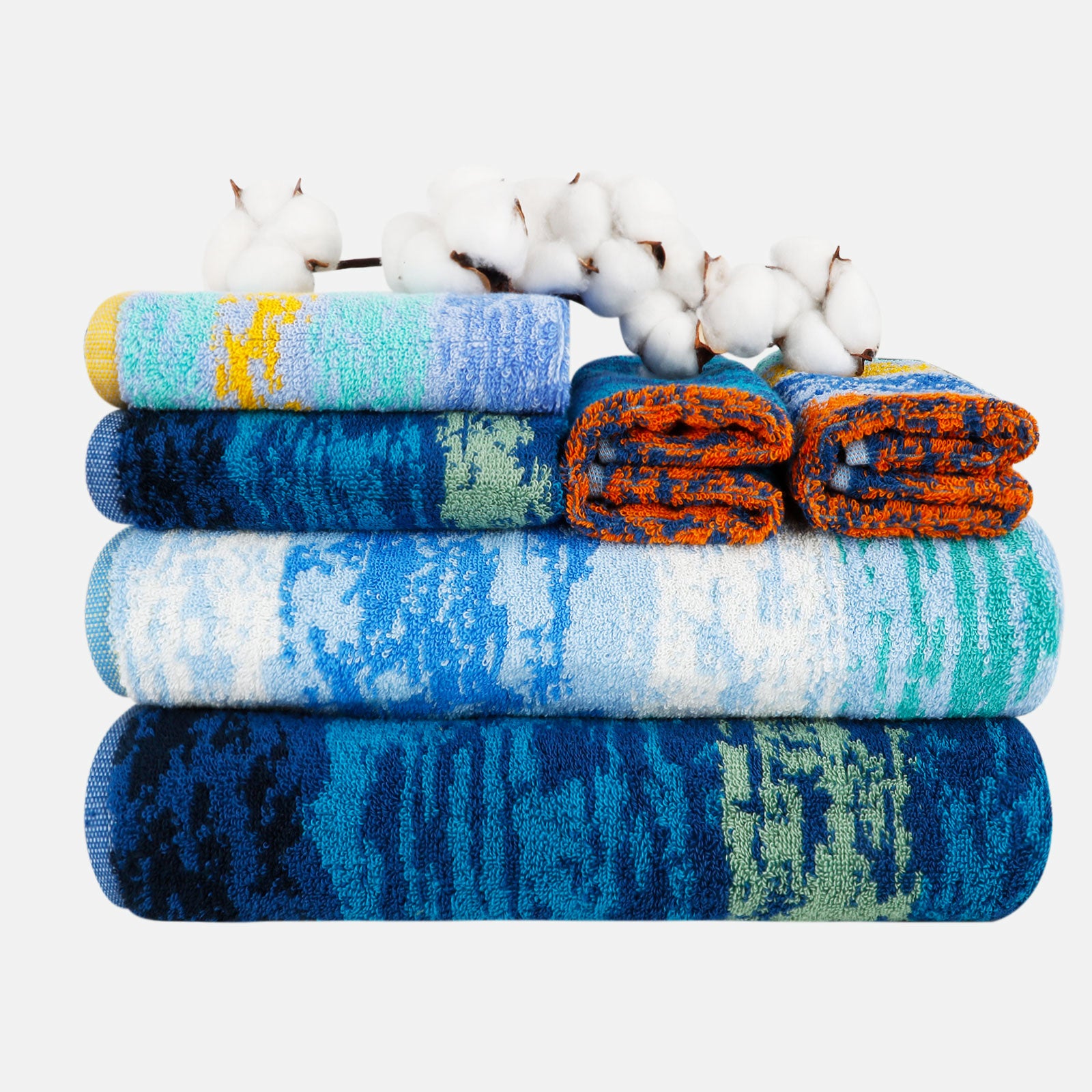
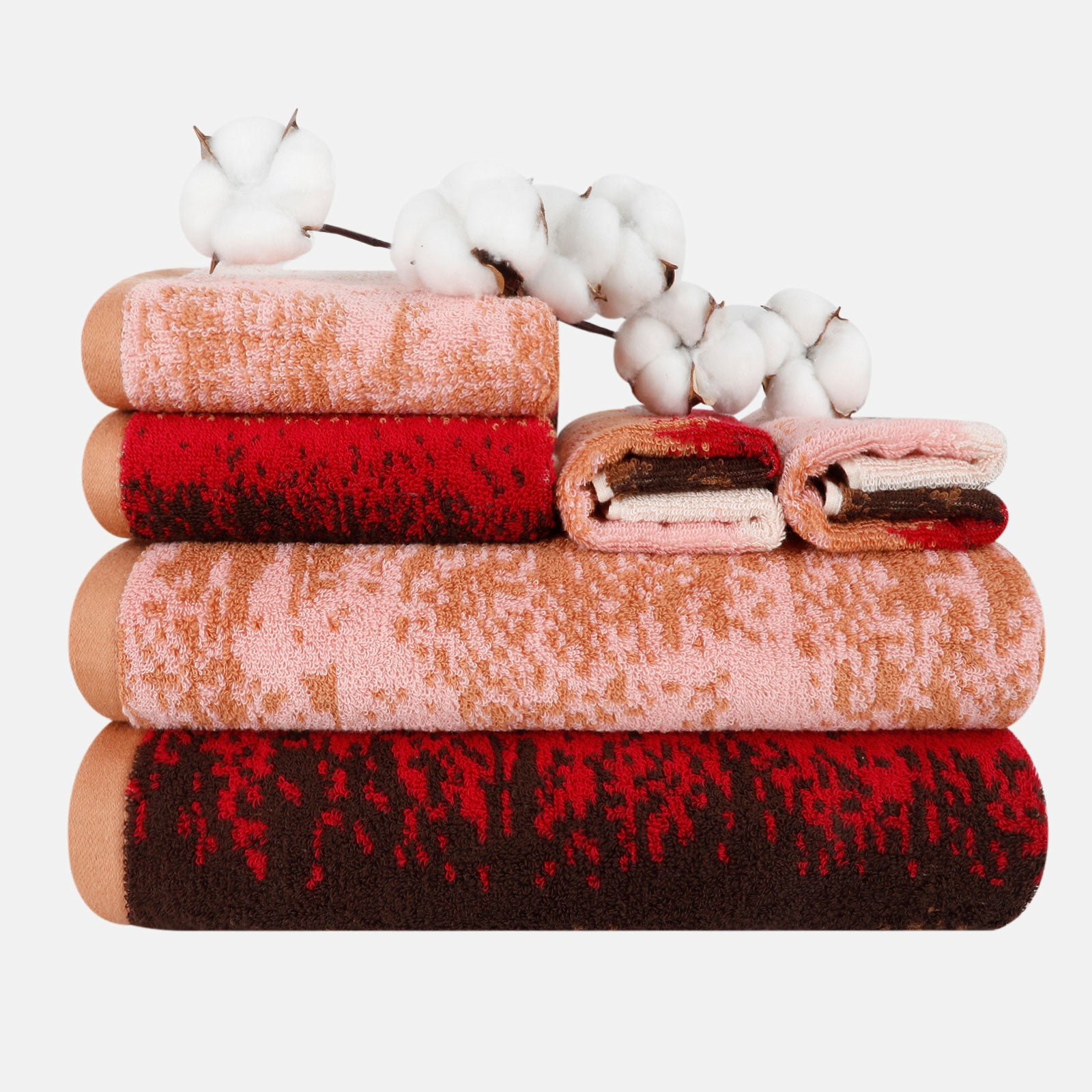
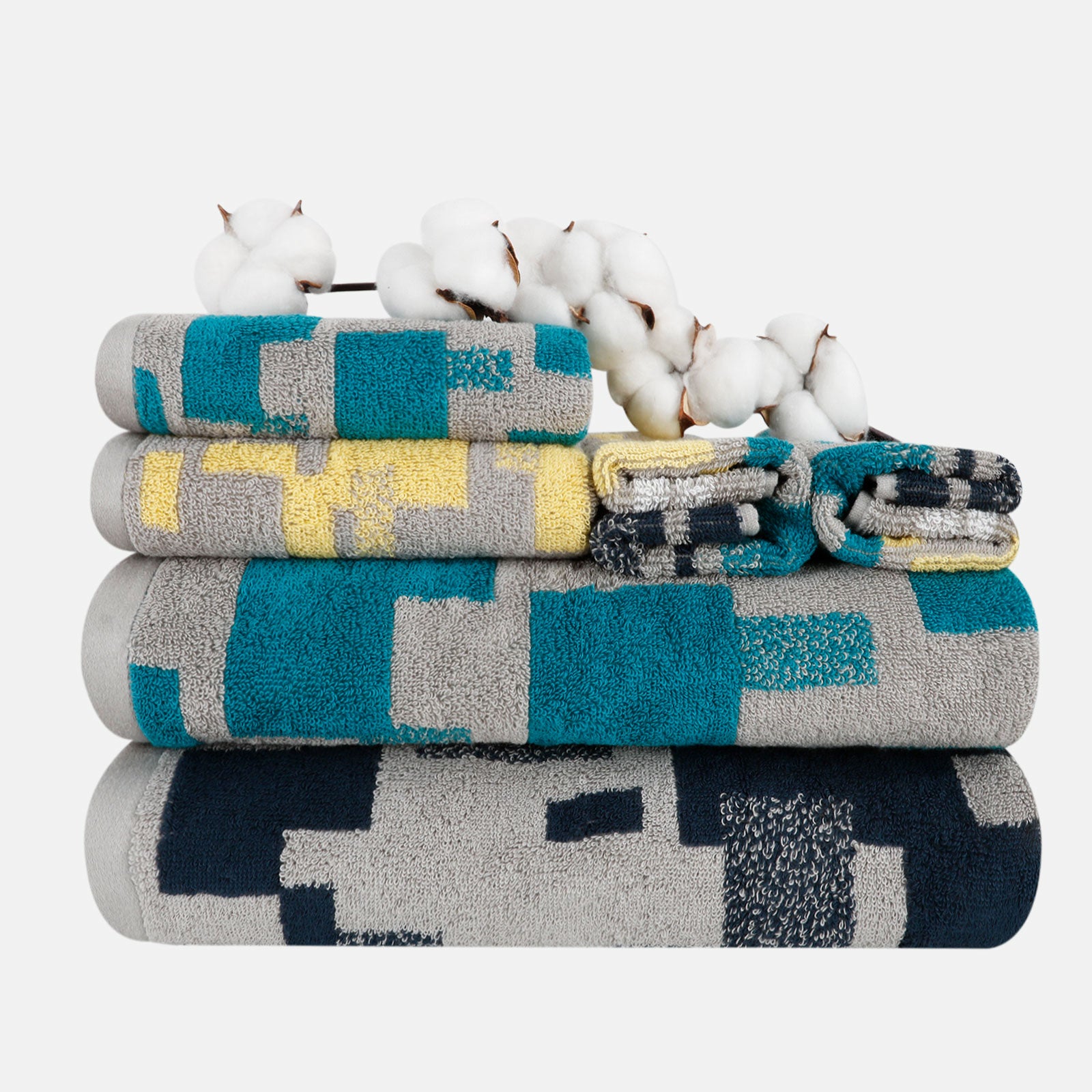
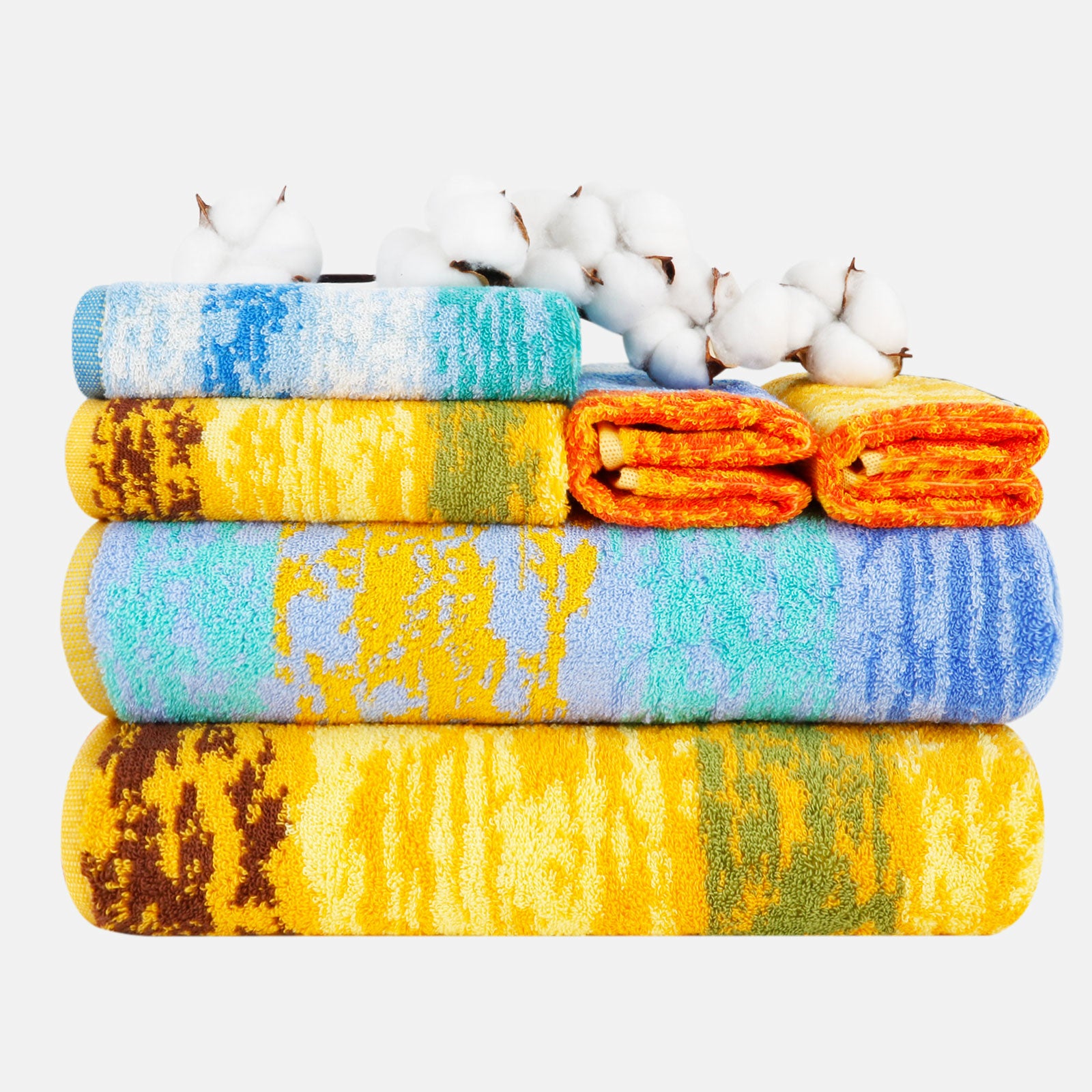
SEMAXE towels are crafted from 100% natural cotton and combed fibers to deliver exceptional softness right from the start. We strongly recommend avoiding fabric softeners and dryer sheets entirely. Instead, use white vinegar or baking soda — natural alternatives that have been trusted for generations.
Key Takeaways:
-
Fabric softener coats cotton fibers with wax, blocking absorbency
-
Dryer sheets cause similar residue problems
-
White vinegar softens towels naturally without coating fibers
-
Use ½ to 1 cup of vinegar in the rinse cycle
-
Towels won't smell like vinegar — the scent dissipates completely
-
Baking soda is another effective natural alternative
-
Damaged towels can often be restored with stripping washes