
Meta Description: Proper care can double the lifespan of your bath towels. Learn maintenance routines, troubleshooting tips, and smart practices that save money and reduce waste.
Content:
Quality towels are an investment — one that pays dividends in daily comfort and satisfaction. But like any investment, they require thoughtful maintenance to deliver maximum returns. With the right care, a well-made cotton towel can stay soft, absorbent, and functional for years. This guide brings together the most important longevity strategies from across our care series.
The Foundation: Consistent Good Habits
Most towel problems don't appear suddenly — they develop gradually from small, repeated mistakes. By adopting these foundational habits, you'll prevent most issues before they start:
-
Wash towels before first use to remove manufacturing finishes
-
Use warm or cold water (max 40°C for regular washes) to preserve fibers
-
Use half the recommended amount of detergent to avoid residue buildup
-
Never use fabric softener or dryer sheets on your towels
-
Add white vinegar to the rinse cycle monthly to break down residues
-
Dry on low or medium heat — high heat damages cotton fibers
-
Shake towels before drying to separate fibers and maintain loft
-
Remove promptly from the dryer to prevent wrinkling and heat damage
-
Allow towels to dry completely between uses
-
Store only fully dry towels in ventilated spaces
The Monthly Maintenance Cycle
Even with perfect daily habits, a deeper maintenance routine helps. Once a month:
Vinegar rinse: Add one cup of white vinegar to the rinse cycle. This breaks down detergent residue and mineral buildup that accumulates even with good habits.
Baking soda wash (optional): If you notice any stiffness or odors, run a second cycle with half a cup of baking soda before drying.
Inspect: Check your towels for any signs of wear — loose loops, thinning patches, discoloration. Catching problems early allows you to adjust your routine.
How to Revive Towels That Have Lost Their Softness
If your towels have become stiff or less absorbent despite your best efforts, don't give up on them yet. Try this restoration routine:
Step 1: Wash with hot water (60°C) and one cup of white vinegar, no detergent
Step 2: Run a second hot cycle with half a cup of baking soda
Step 3: Dry on low heat with wool dryer balls
Step 4: If still stiff, repeat the vinegar cycle once more
Most towels respond to this treatment within 1-2 restoration cycles. The key is patience — buildup that took months to accumulate may take a few washes to fully remove.
When to Replace Your Towels
No towel lasts forever. Even with perfect care, cotton fibers eventually degrade. Signs that it's time to replace a towel include:
-
Persistent odors that don't respond to stripping treatments
-
Visible thinning or developing holes in the fabric
-
Loops that have flattened permanently and won't lift
-
Texture that remains rough after deep cleaning
-
Loss of color that can't be explained by normal fading
-
Towels that no longer feel absorbent even after stripping
For daily-use bath towels, most households find that 3-4 months of regular use is a reasonable lifespan. Guest towels and less-frequently-used towels can last 6-12 months or longer. Rather than replacing all towels at once, consider rotating them and replacing individual towels as they show signs of wear.
The Rotation Strategy for Maximum Longevity
Rotating between multiple sets of towels extends the life of each individual towel because it gives fibers time to "rest" between uses and wash cycles. A practical rotation system:
-
Keep 3-4 bath towels in active rotation per person
-
After use, hang to dry completely
-
After 3-4 uses (or about a week), launder the set
-
While one set is in the laundry, use the next set
This system ensures each towel gets adequate rest while maintaining a fresh supply. It's better for both towel longevity and household hygiene than using the same towel day after day until it's visibly dirty.
Common Mistakes That Shorten Towel Life — A Quick Reference
Do / Don't
-
Wash towels separately / Mix with zippers, hooks, Velcro
-
Use half-recommended detergent / Overload with detergent
-
Skip fabric softener completely / Use softener "just a little"
-
Dry on low heat / Use high heat consistently
-
Store completely dry / Fold or store damp towels
-
Rotate multiple sets / Use the same towel indefinitely
-
Vinegar rinse monthly / Wait until problems appear
Sustainability and Longevity
From an environmental perspective, the most sustainable towel is the one that stays in use longest. Extending a towel's life by just six months reduces the environmental impact of manufacturing, shipping, and disposal — not to mention saving you money. The care practices outlined in this guide aren't just about protecting your investment; they're about responsible consumption.
SEMAXE's Final Word
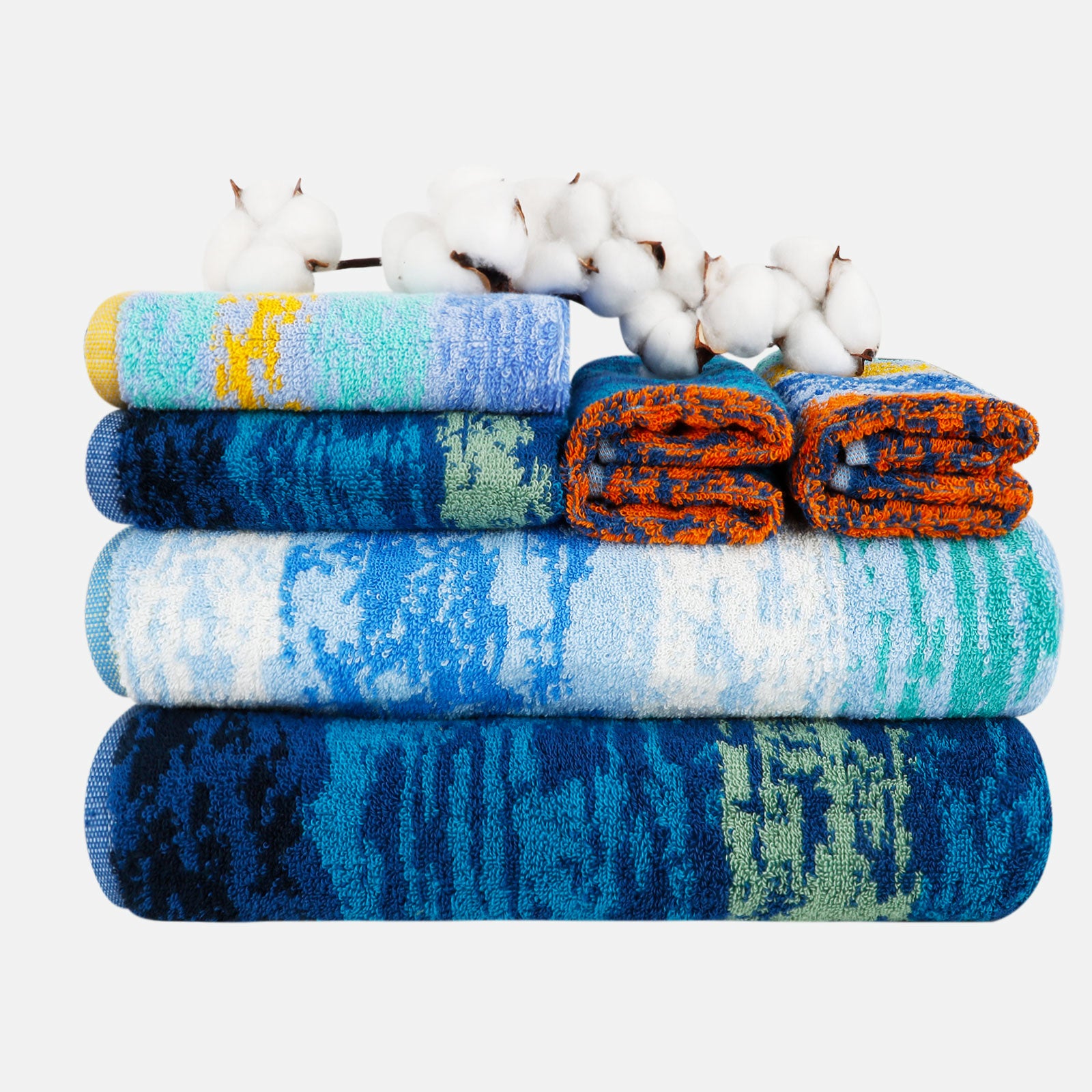
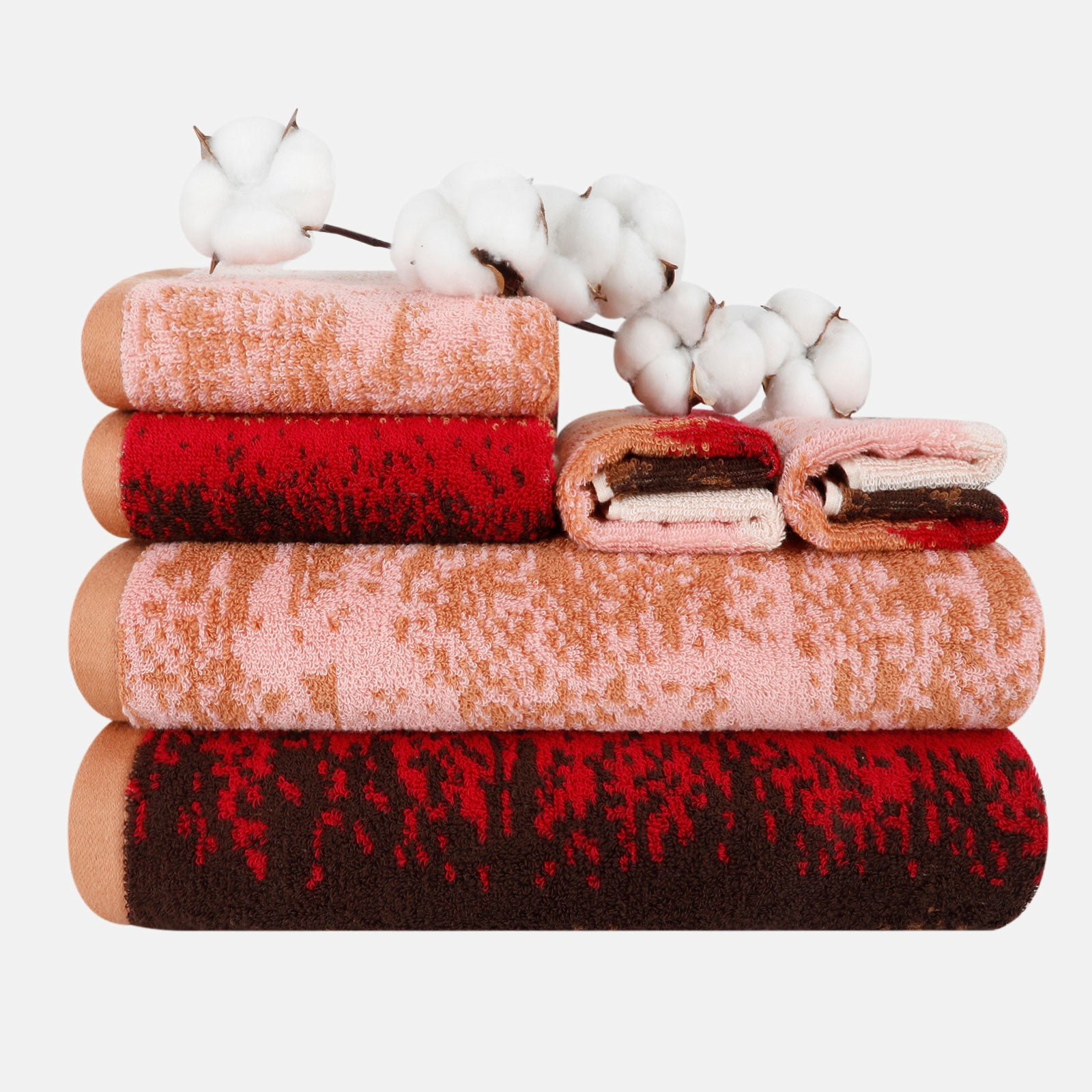
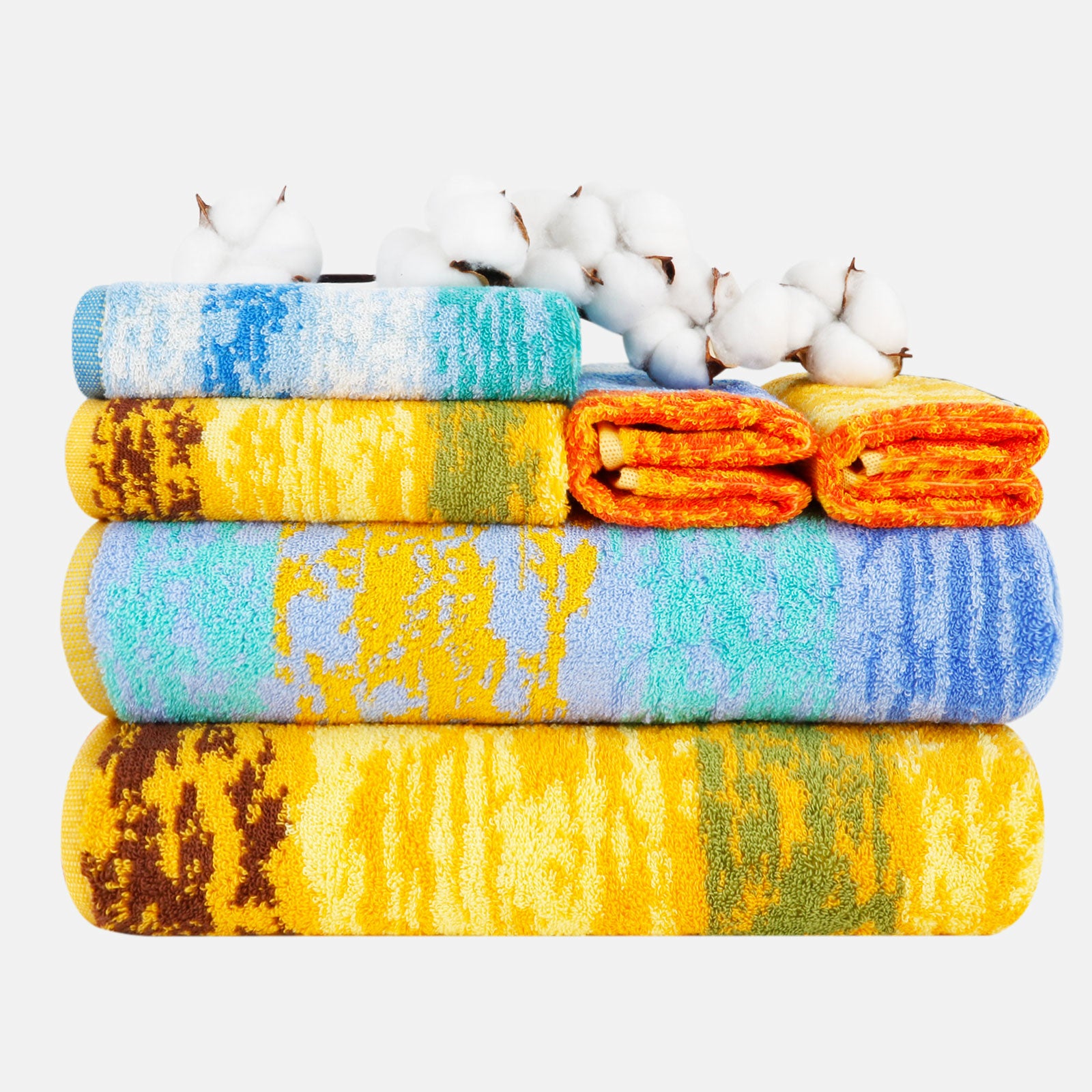
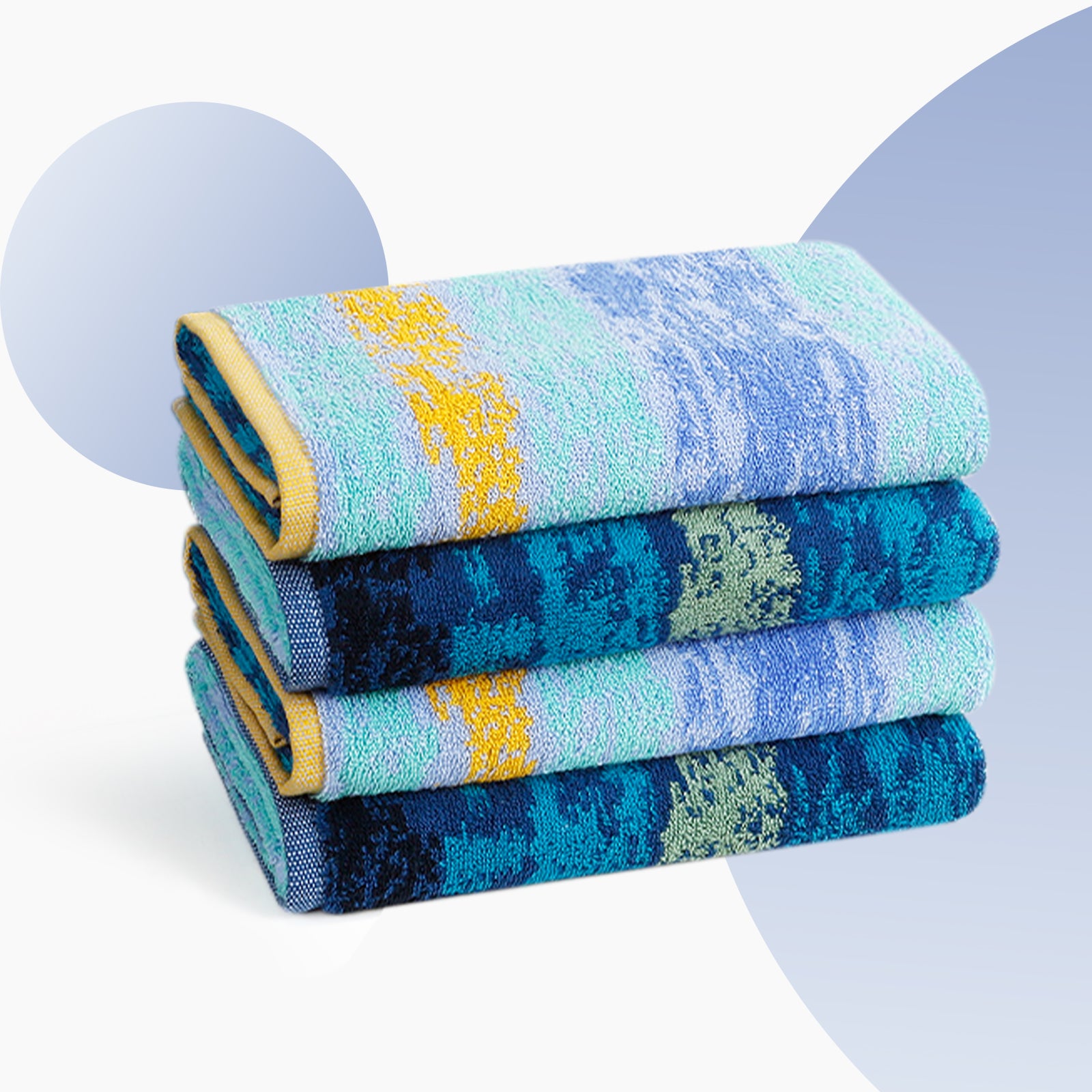
Your SEMAXE towels are crafted from 100% natural cotton to deliver exceptional comfort and durability. By following these care guidelines — washing smart, drying gently, storing properly, and maintaining consistently — you'll enjoy that SEMAXE quality for years to come. Quality towels treated with care are a lasting pleasure, not a recurring expense.
Key Takeaways:
-
Consistent good habits prevent most towel problems before they start
-
Monthly maintenance (vinegar rinse) keeps towels performing well
-
Stiff or less absorbent towels can often be revived with vinegar and baking soda
-
Replace daily-use towels every 3-4 months when signs of wear appear
-
Rotate between multiple towel sets to extend each towel's lifespan
-
Long-lasting towels are both economical and environmentally responsible
-
Small daily habits — shake before drying, hang to dry completely — make the biggest difference