
Meta Description: Learn the proper way to wash towels to keep them soft, absorbent, and long-lasting. Complete guide with step-by-step instructions and expert tips.
Content:
Stepping out of the shower into a stiff, rough towel is never a pleasant experience. But here's the good news: that scratchy texture isn't inevitable. With the right washing routine, your towels can stay fluffy, soft, and highly absorbent for years. This comprehensive guide covers everything you need to know — from water temperature and detergent choices to drying techniques and natural softening alternatives.
Why Towels Lose Their Softness
Before we dive into solutions, it helps to understand what's causing the problem. Most towel issues come down to three common culprits: detergent residue that builds up and weighs down fibers; fabric softener coating that clogs the cotton's natural pores; and hard water minerals that cling to the towel loops and change their texture over time. The good news? All of these are fixable with simple adjustments to your routine.
The Right Way to Wash Towels
Optimal water temperature: Warm water (around 40°C / 104°F) is ideal for regular washes — it's warm enough to remove body oils and bacteria without damaging the cotton fibers. For a deeper hygiene wash, you can go up to 60°C / 140°F once a month, especially for white towels.
Detergent amount: This is the number-one mistake people make. Towels don't need large scoops of detergent — in fact, using too much leaves residue that makes them stiff and less absorbent. Use about half the amount you think you need. Choose a mild liquid detergent and avoid powder formulas, which can leave behind undissolved particles.
Load size: Don't overload the washing machine. Towels need space to move freely so water and detergent can circulate properly and rinse away completely. A loosely filled drum gives much better results than a packed one.
Wash separately: Always wash towels separately from clothing, especially anything with zippers, hooks or Velcro — these can snag the loops in terry cloth and cause permanent damage. Washing towels in their own load also allows you to optimize the cycle specifically for them.
The Fabric Softener Debate
Here's a truth that surprises many people: fabric softener is actually bad for your towels. While it makes clothes feel lovely, fabric softener coats towel fibers with a waxy layer that builds up over time. This wax reduces absorbency dramatically — your towels will feel slippery rather than soft, and they'll stop drying you properly. We strongly advise against using fabric softener on any towels you want to keep absorbent.
The Natural Alternative
White vinegar is the towel care secret professionals swear by. Adding half a cup of distilled white vinegar to the rinse cycle breaks down detergent residue, removes mineral buildup, and naturally softens fibers — all without leaving any waxy coating behind. Don't worry about the smell; the vinegar scent disappears completely once the towels are dry. For an even deeper refresh, you can occasionally run a full cycle with one cup of vinegar and no detergent, followed by a cycle with half a cup of baking soda.
The First Wash Matters
Always wash new towels before their first use. During manufacturing, towels pick up finishing agents and residual dyes that can affect absorbency. A simple 40°C wash with a small amount of detergent removes these finishes and opens up the cotton fibers, making your towels more absorbent from day one.
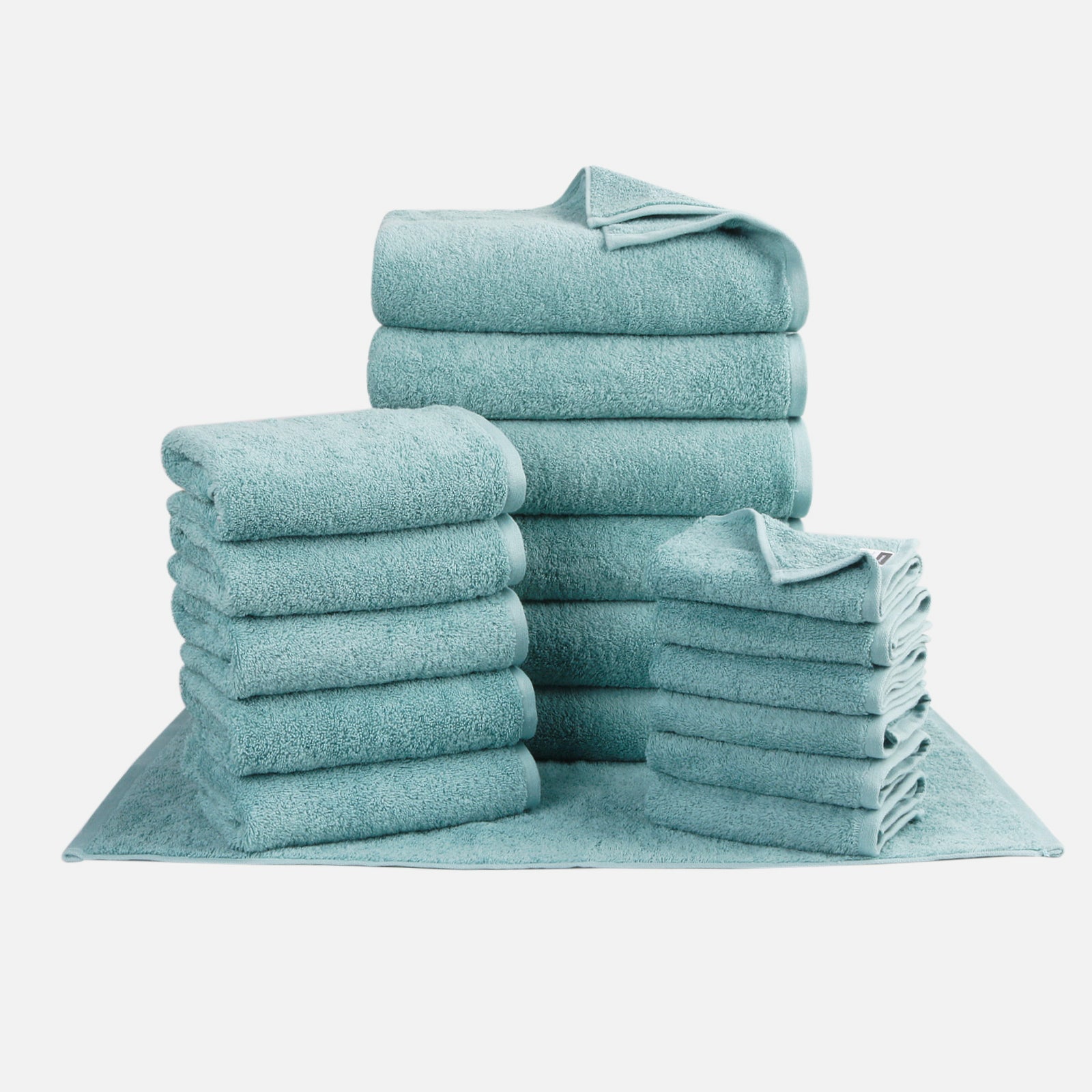
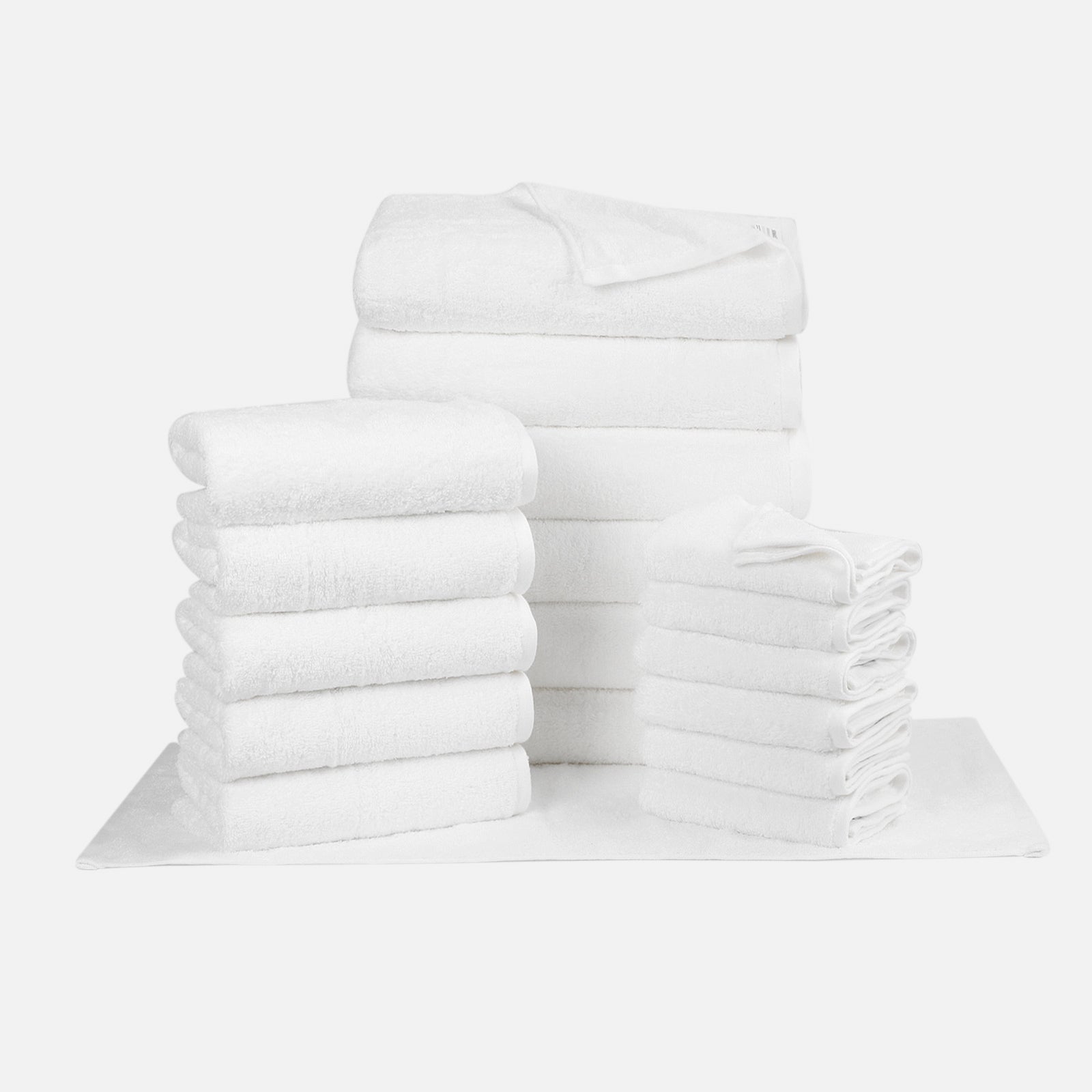
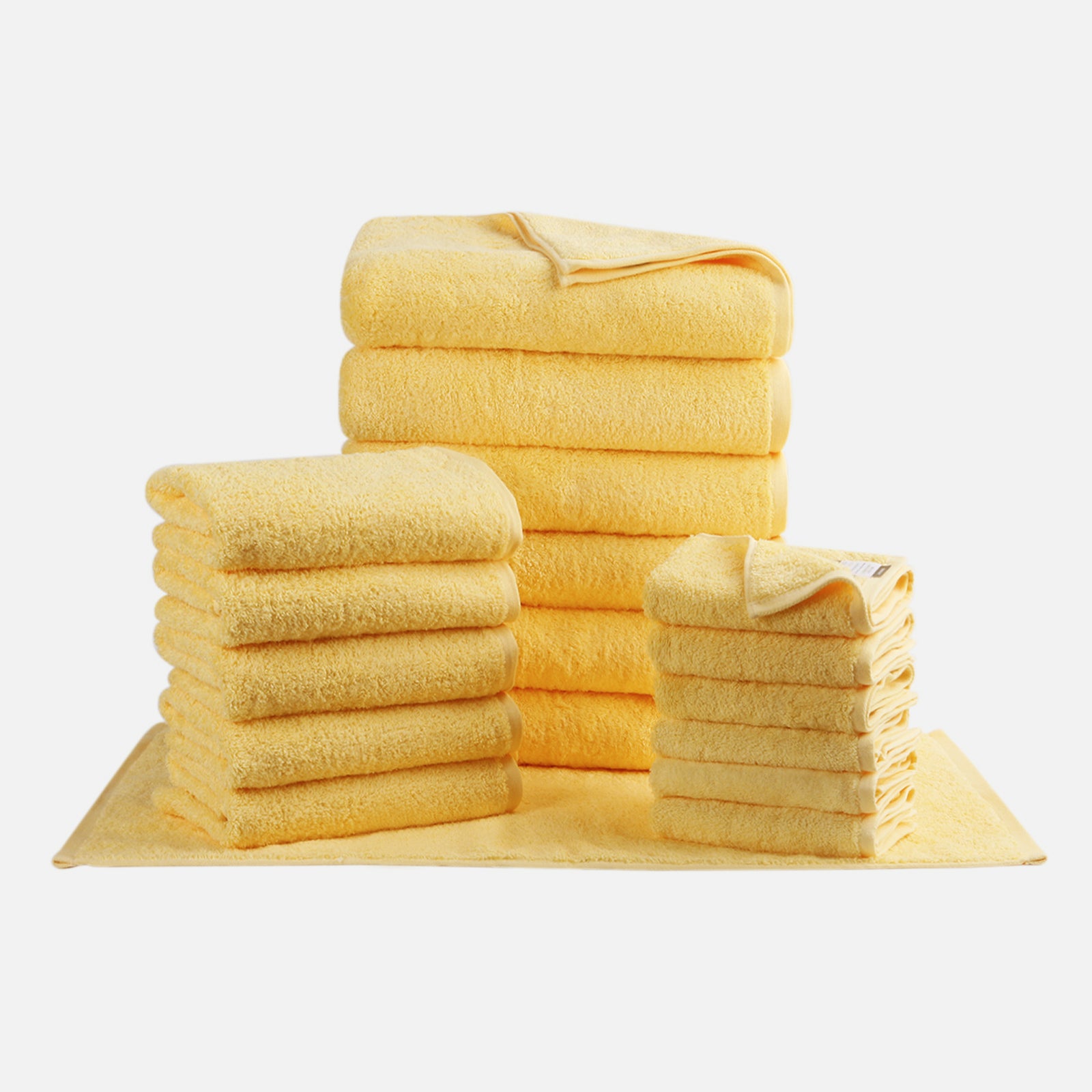
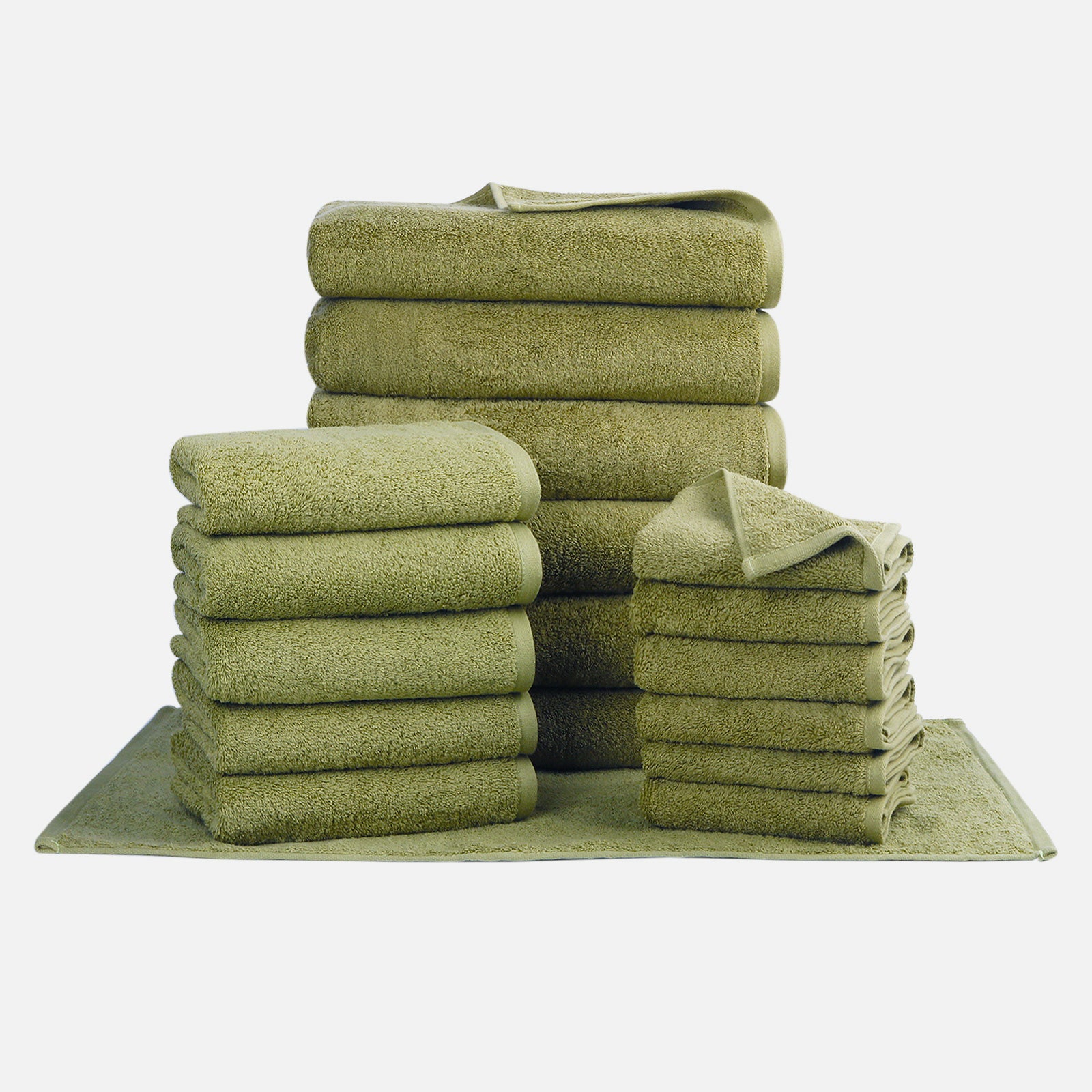
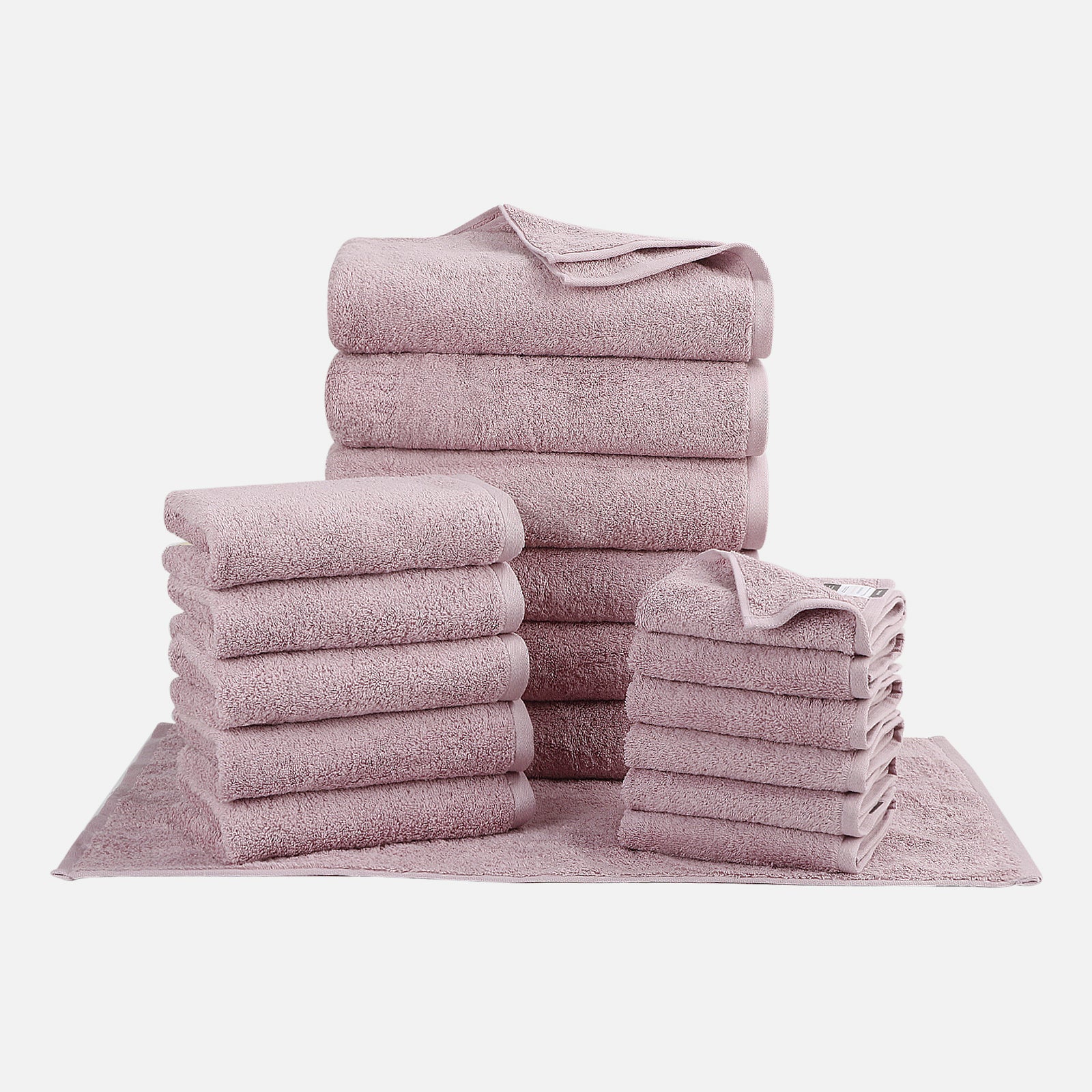
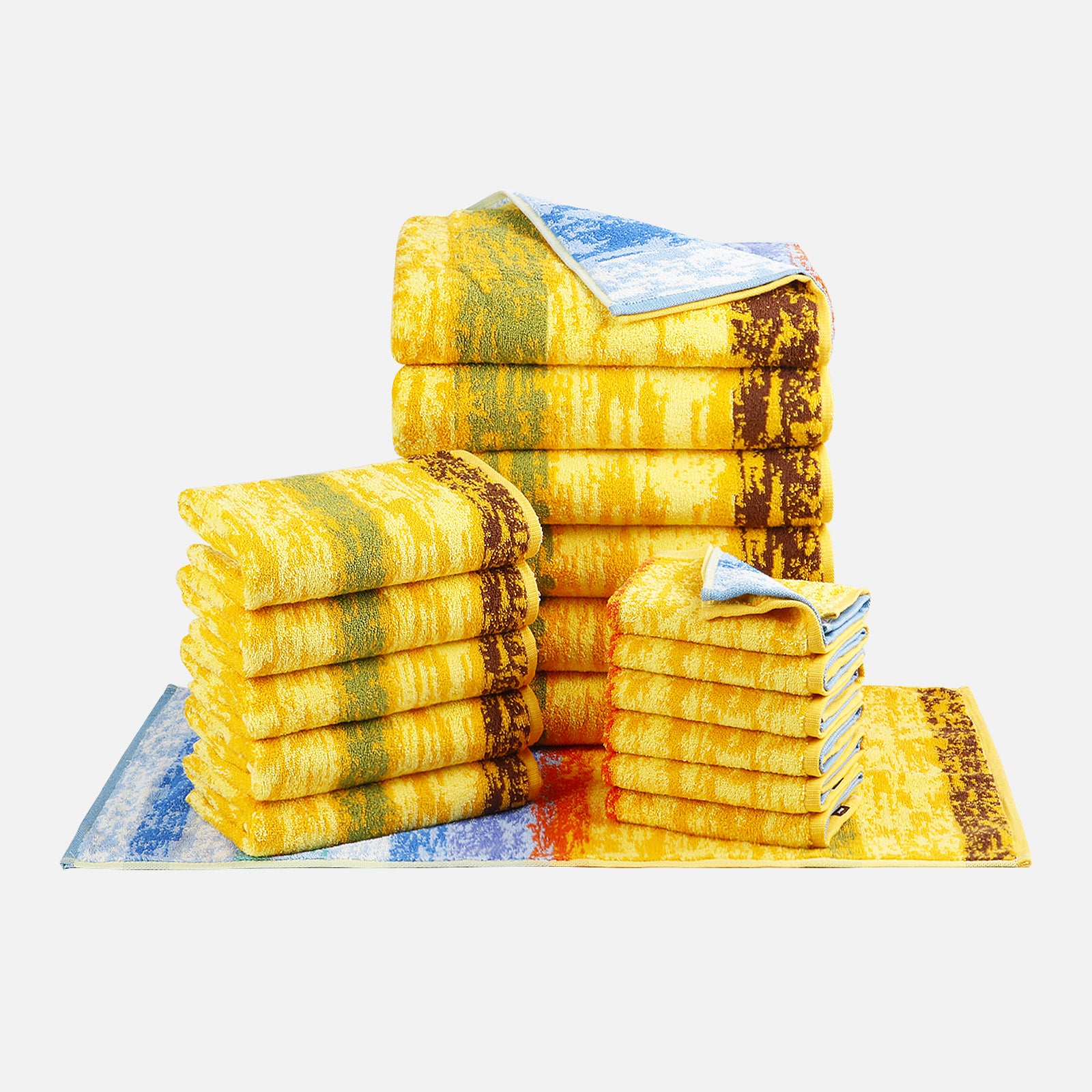
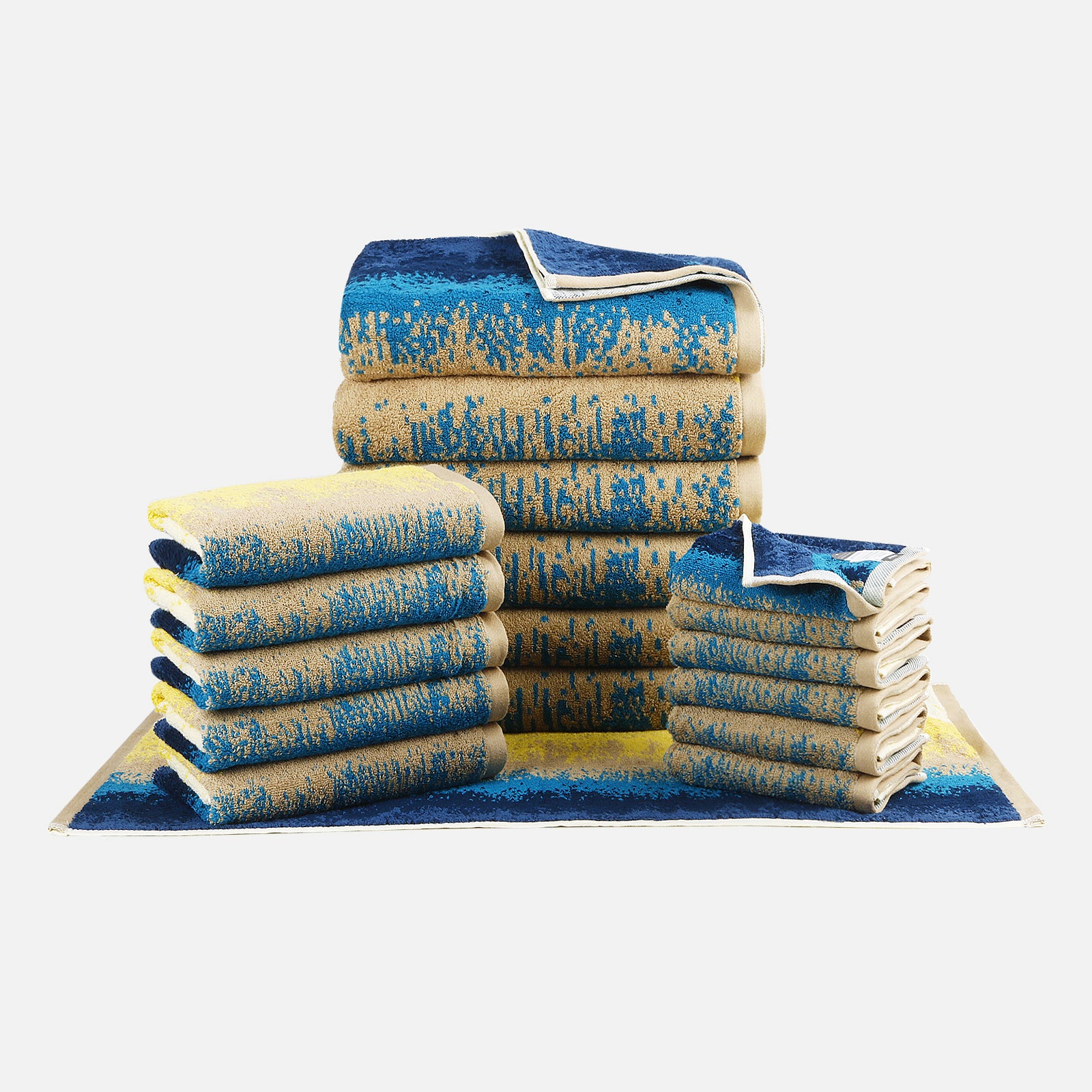
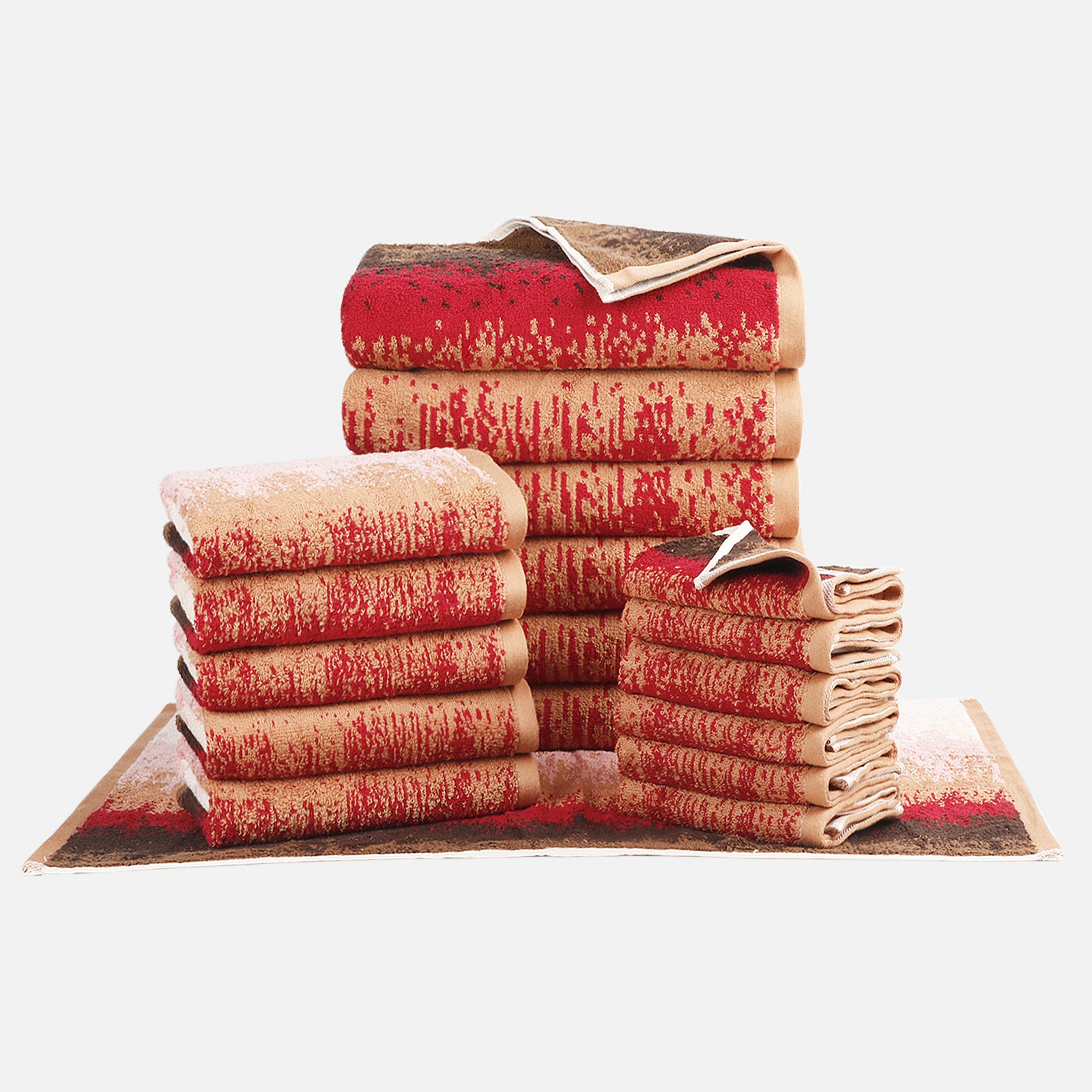
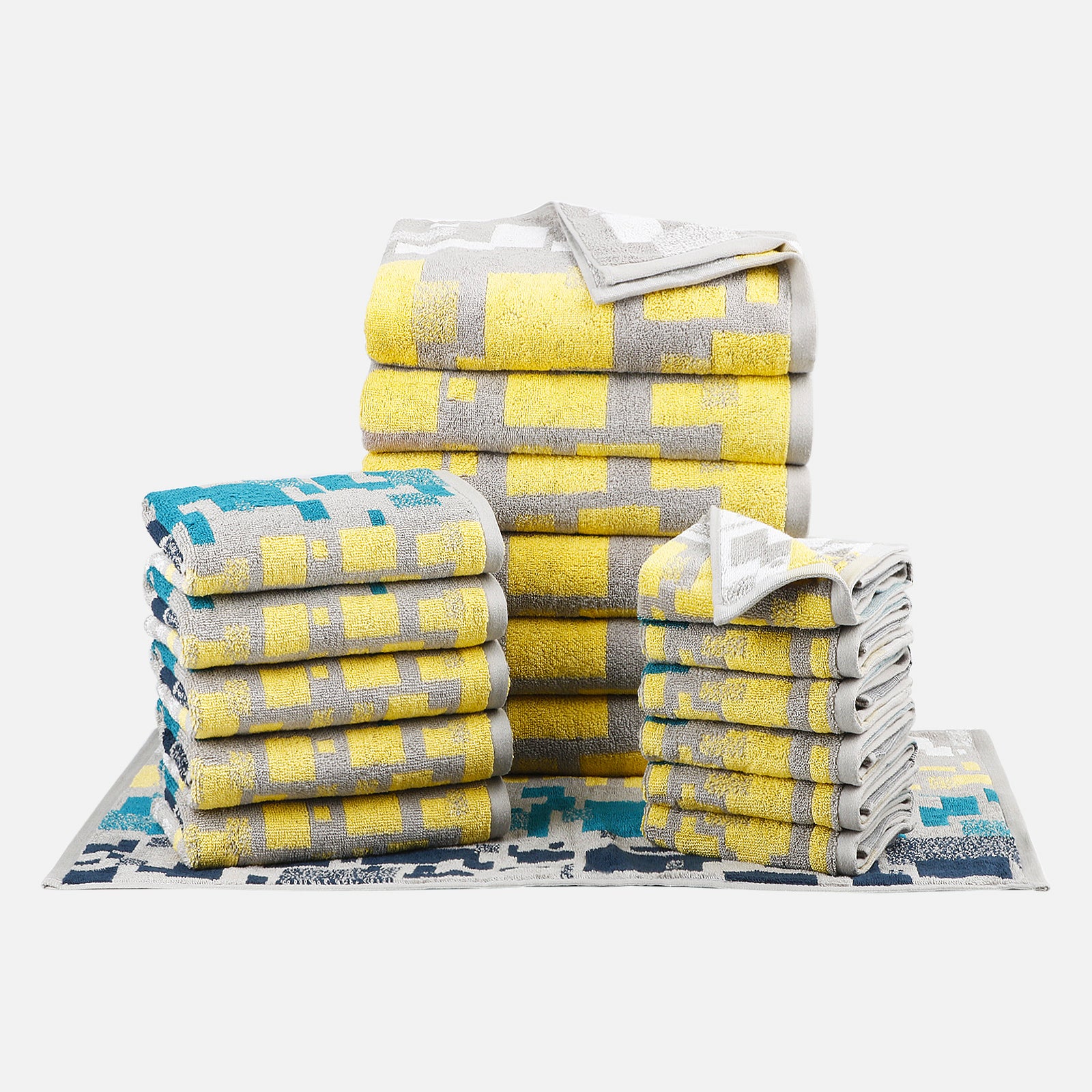
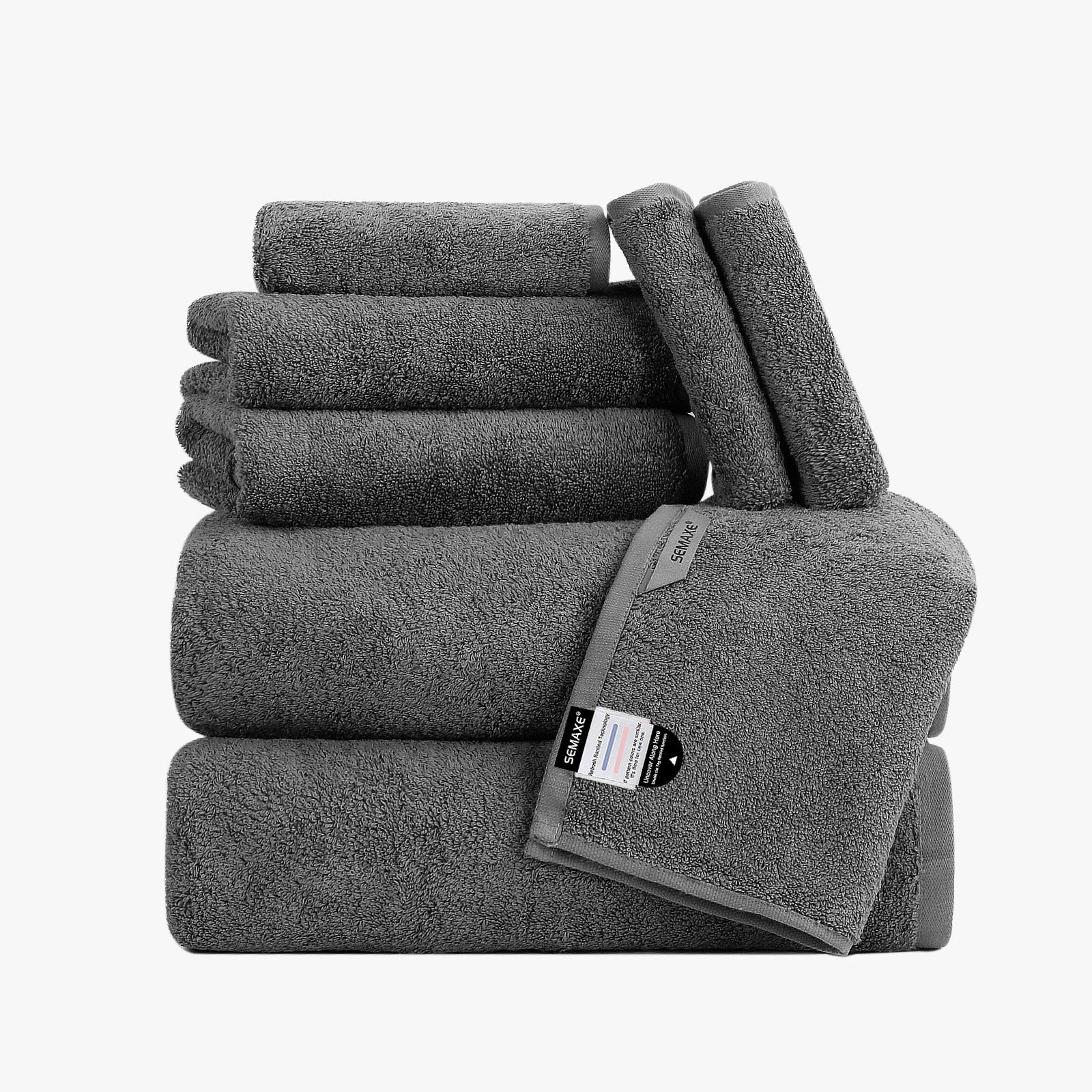
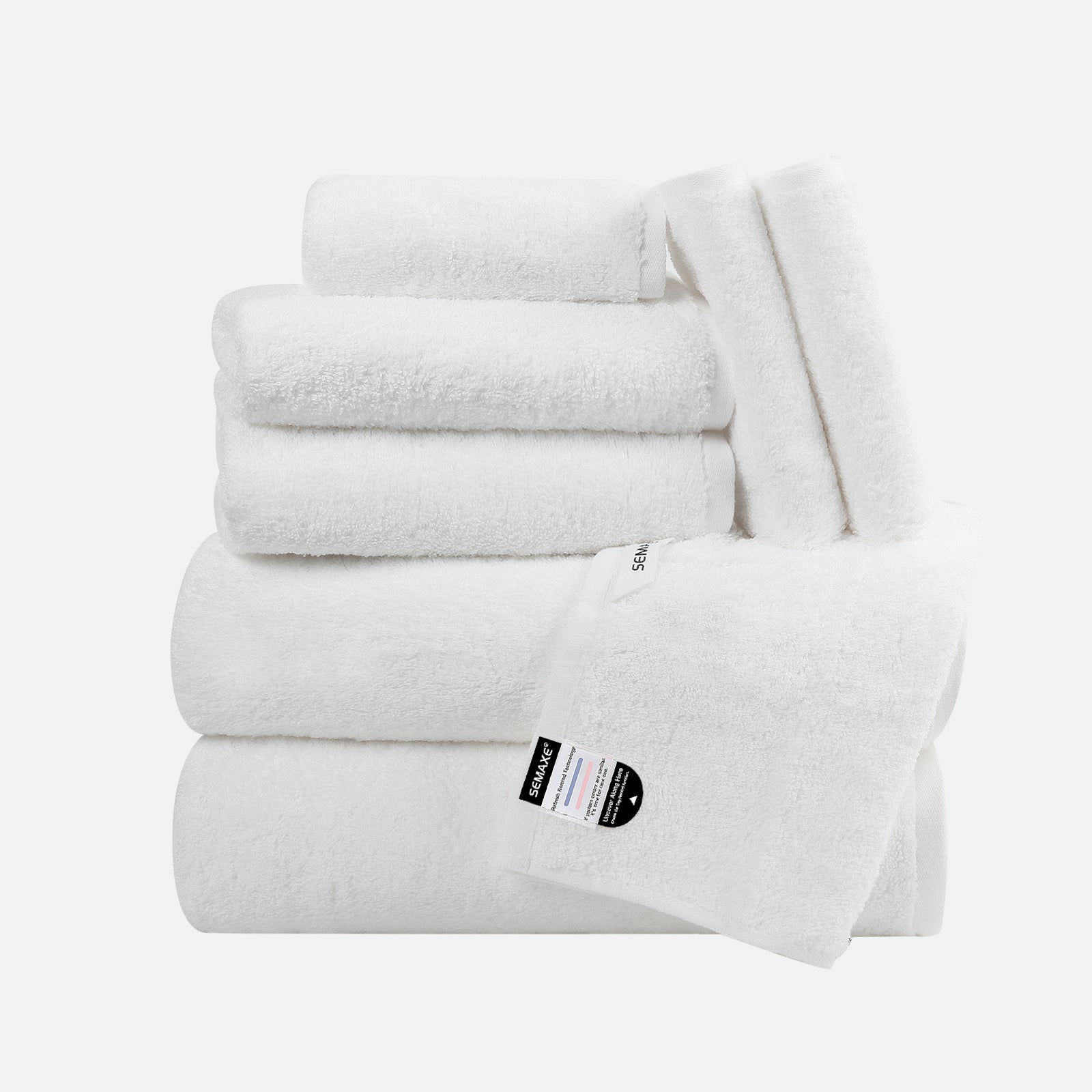
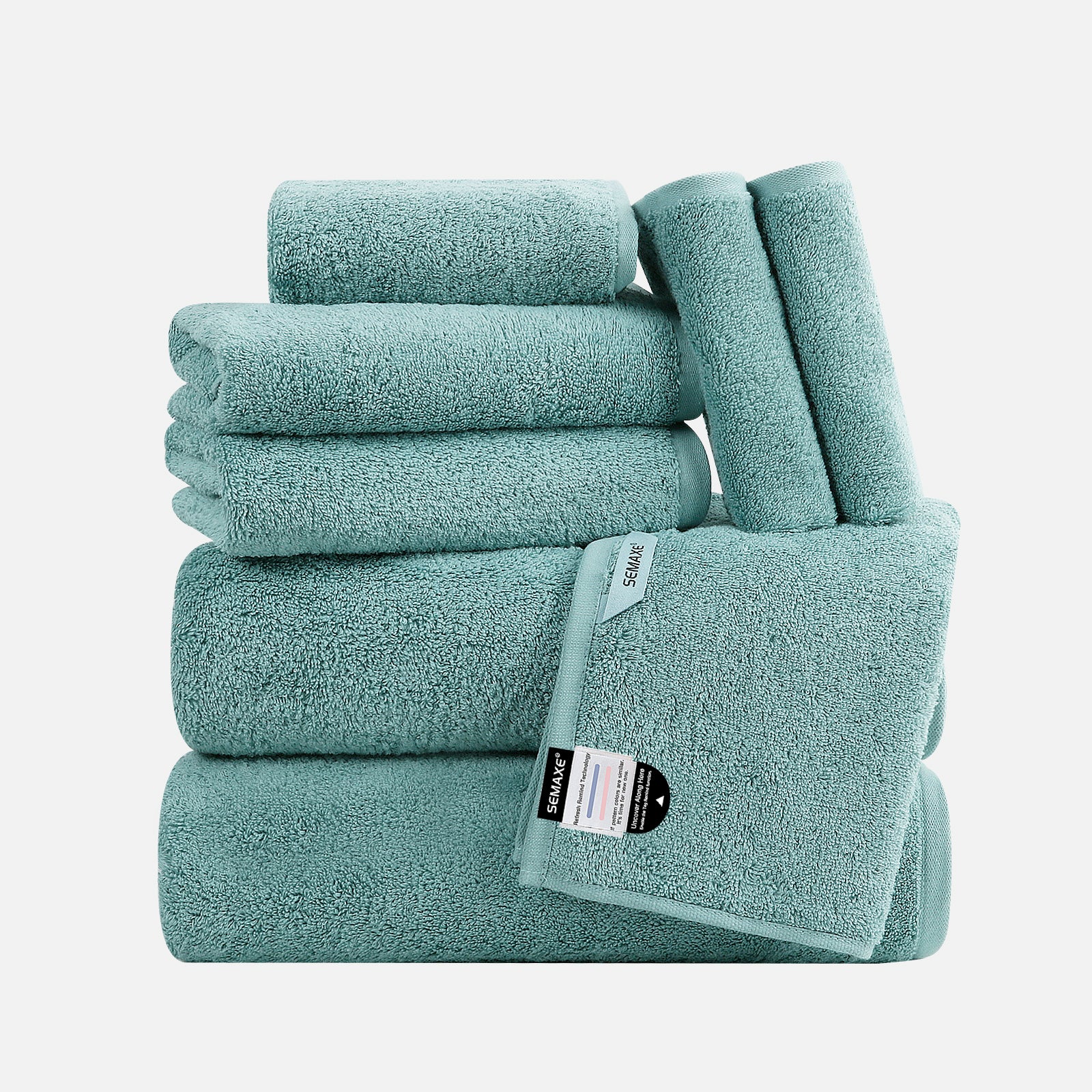
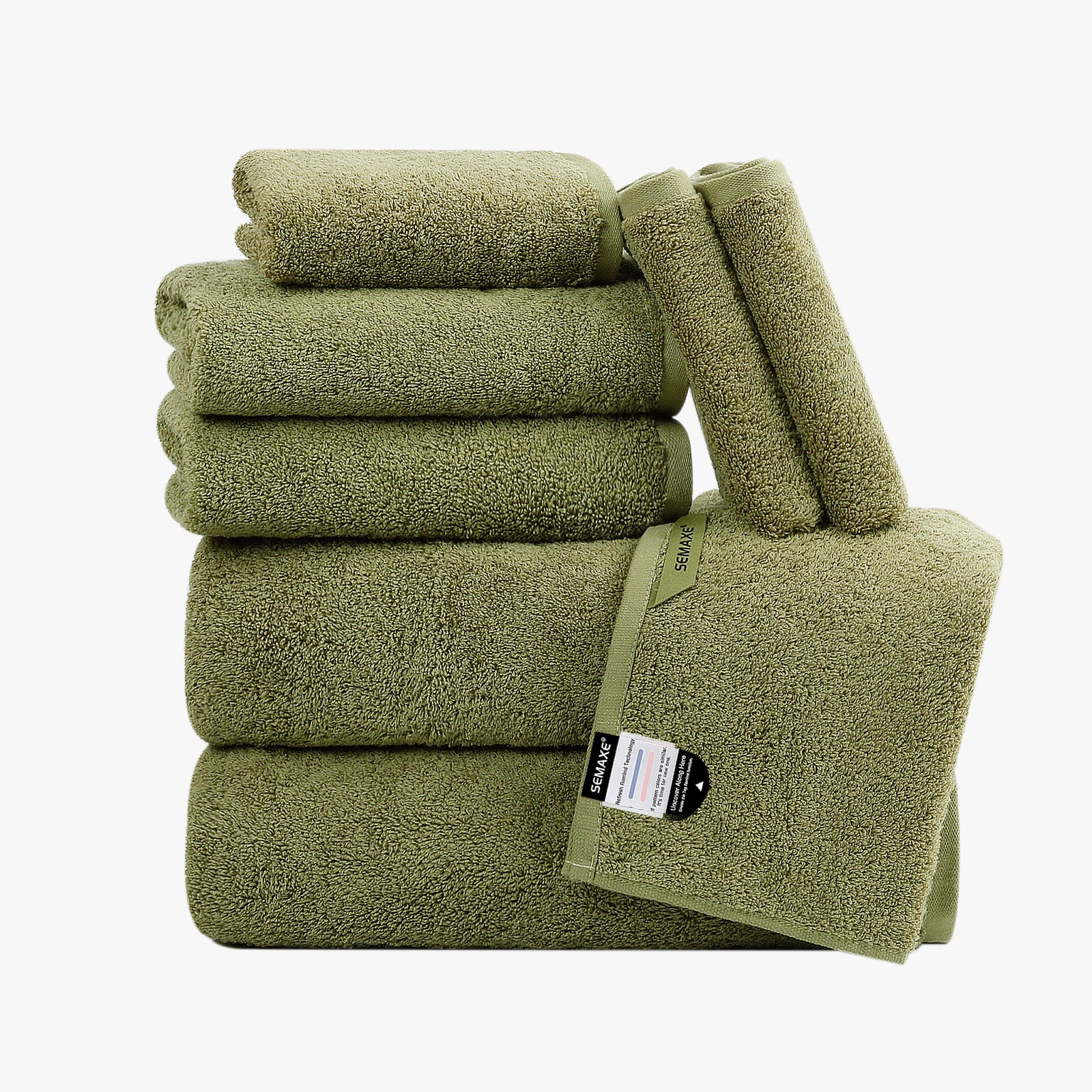
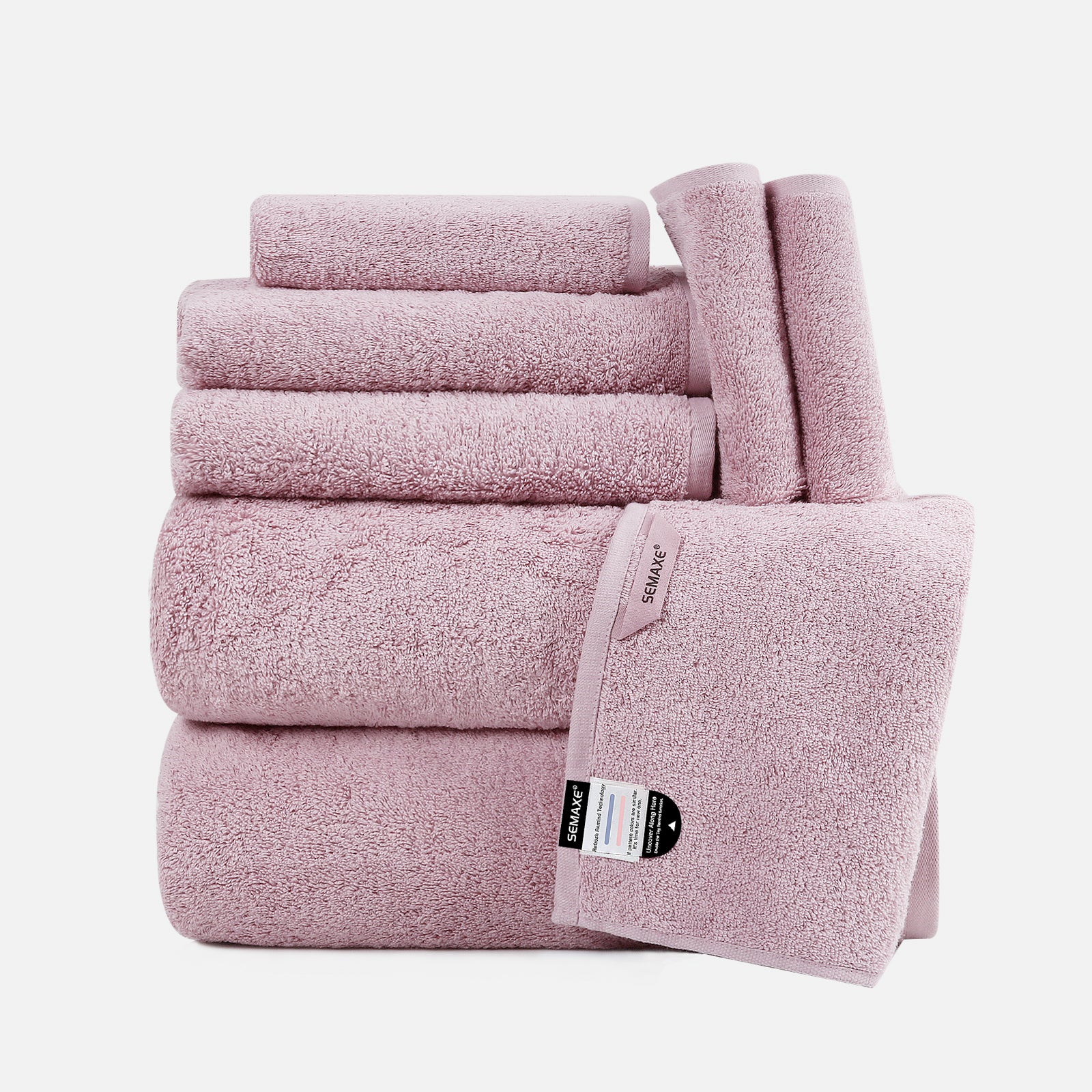
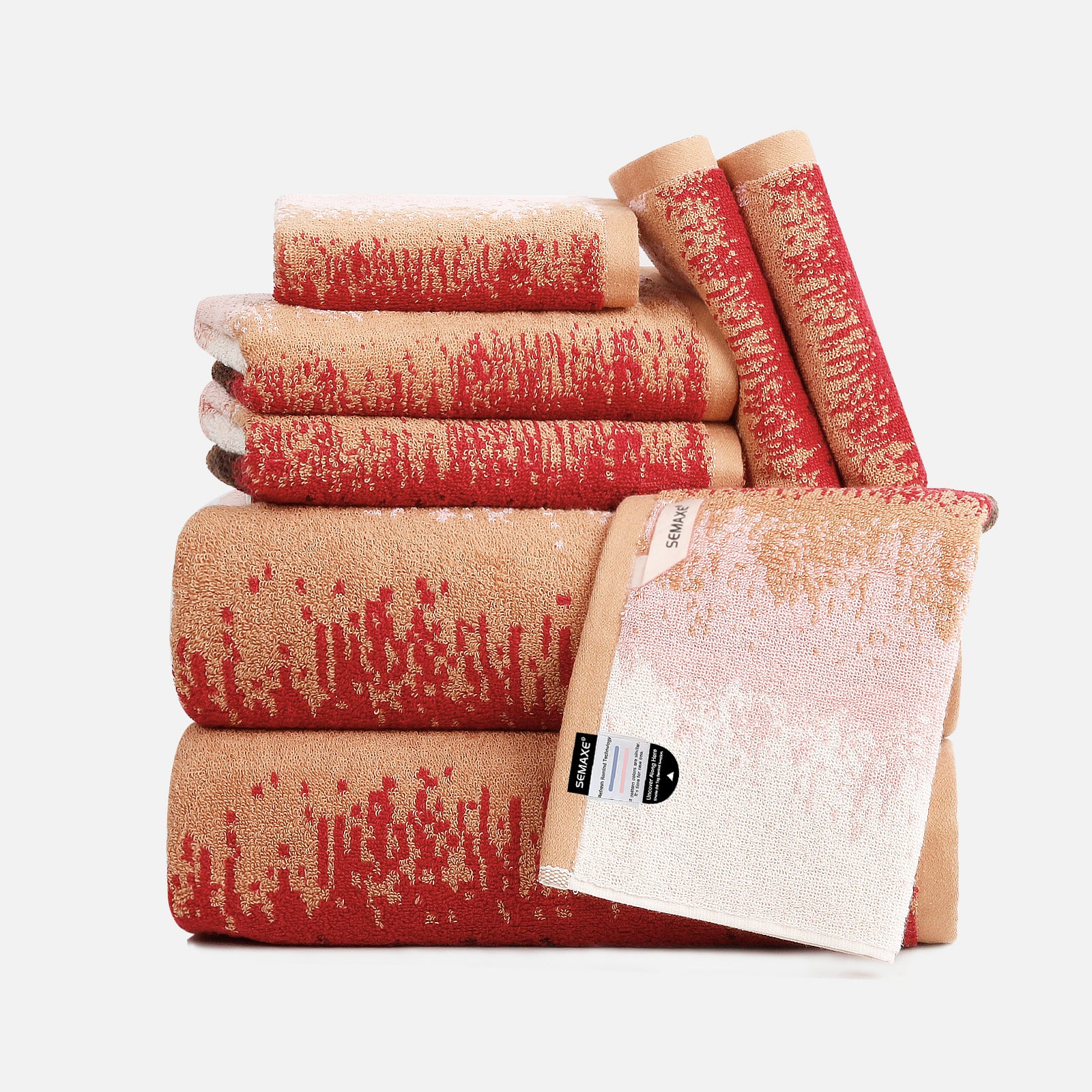
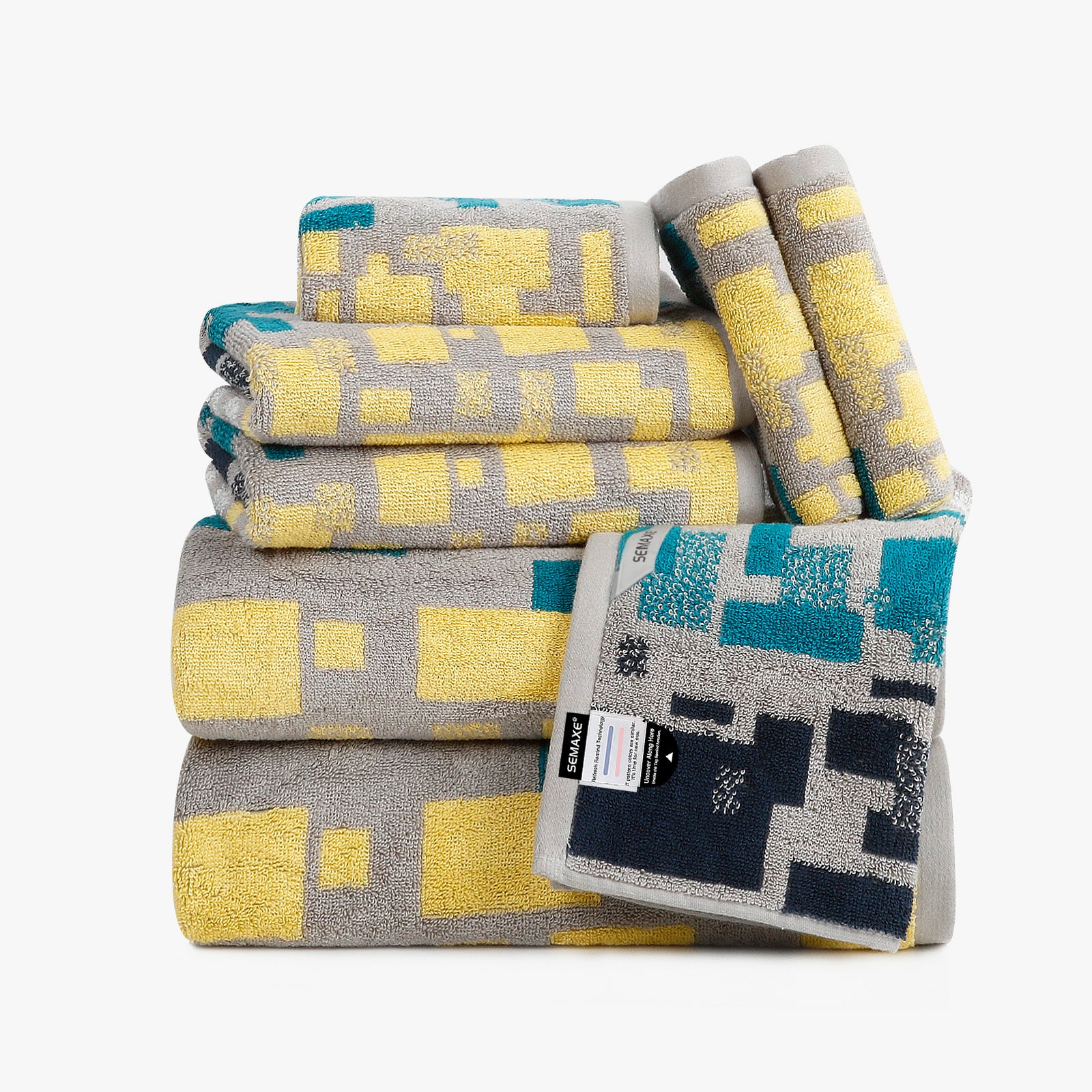
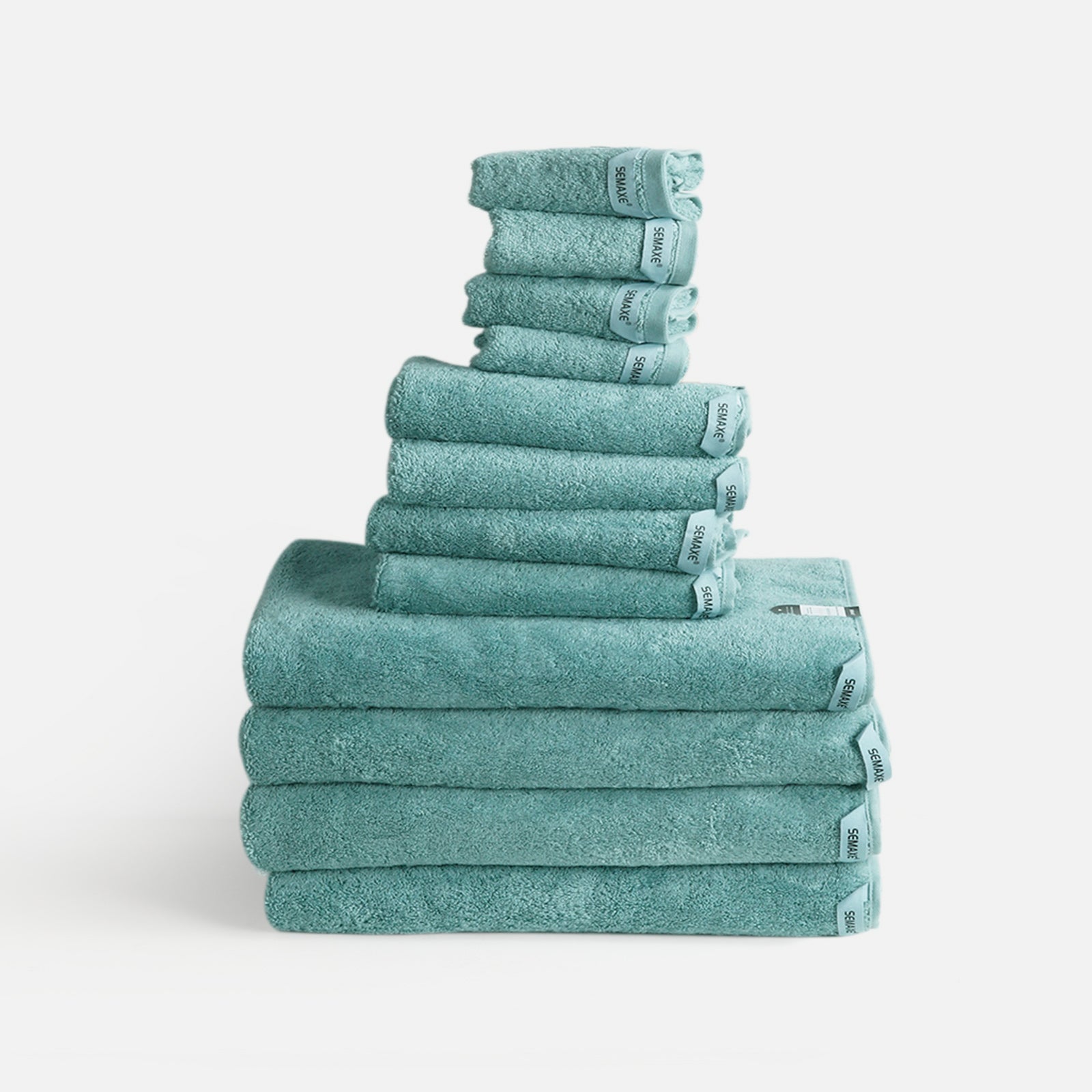
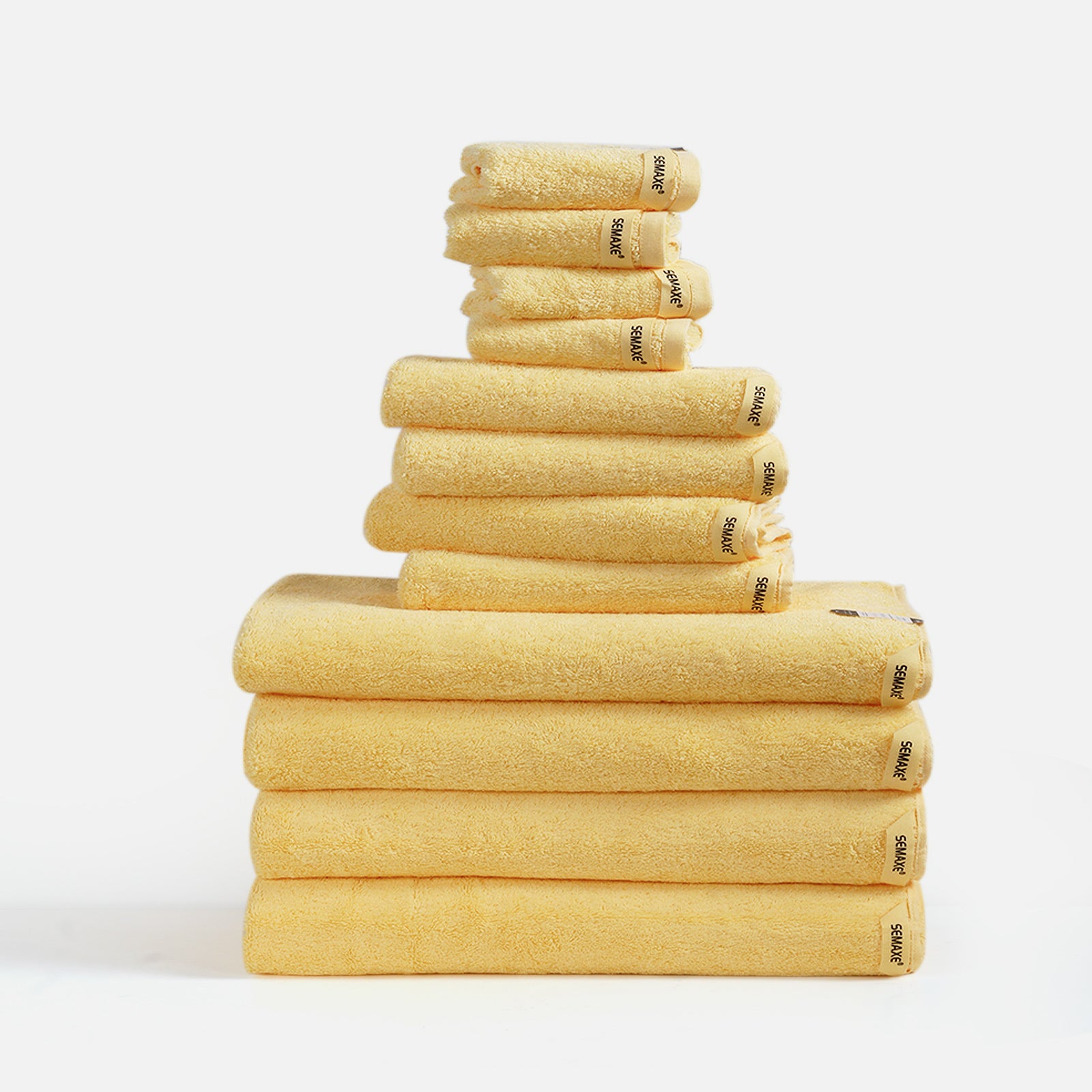
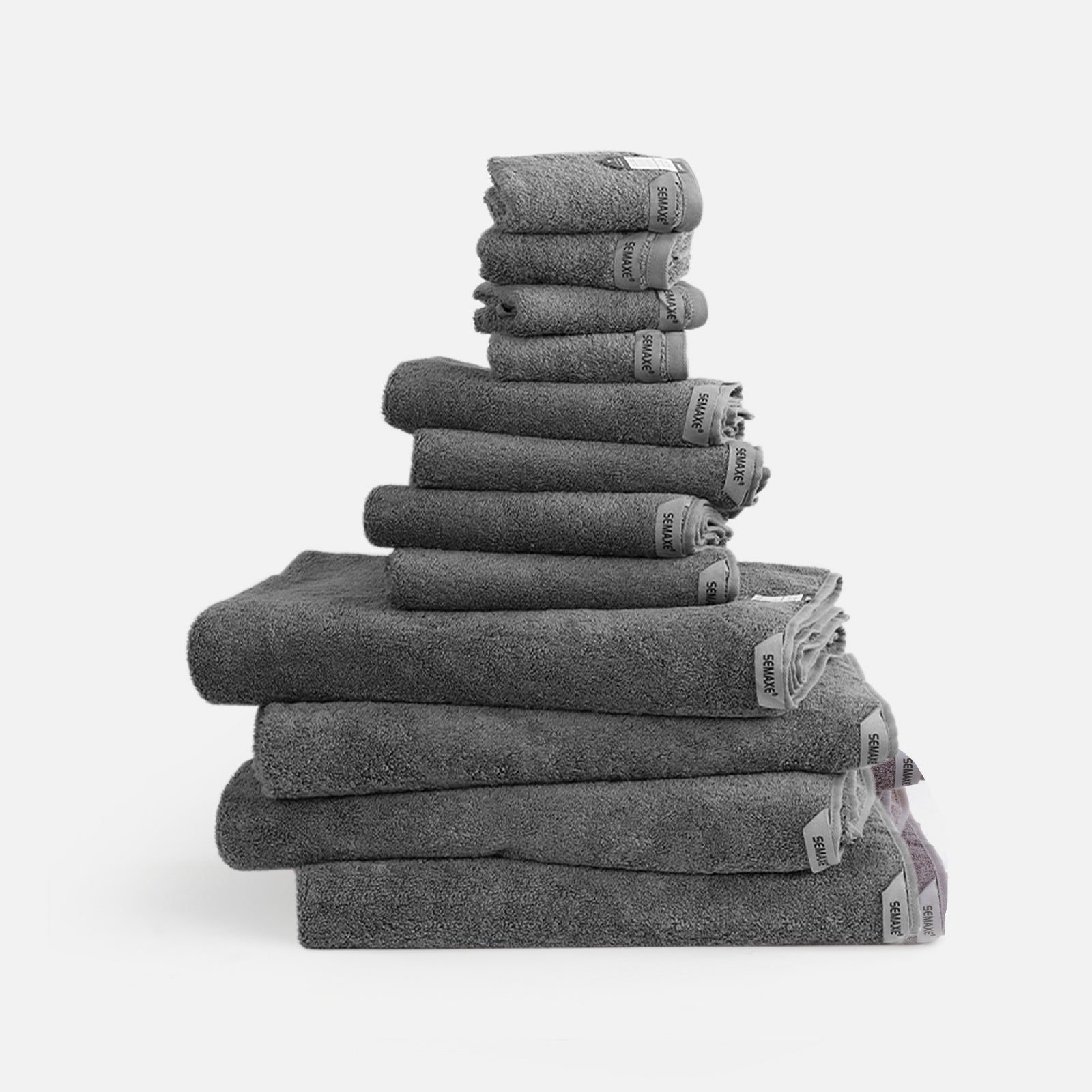
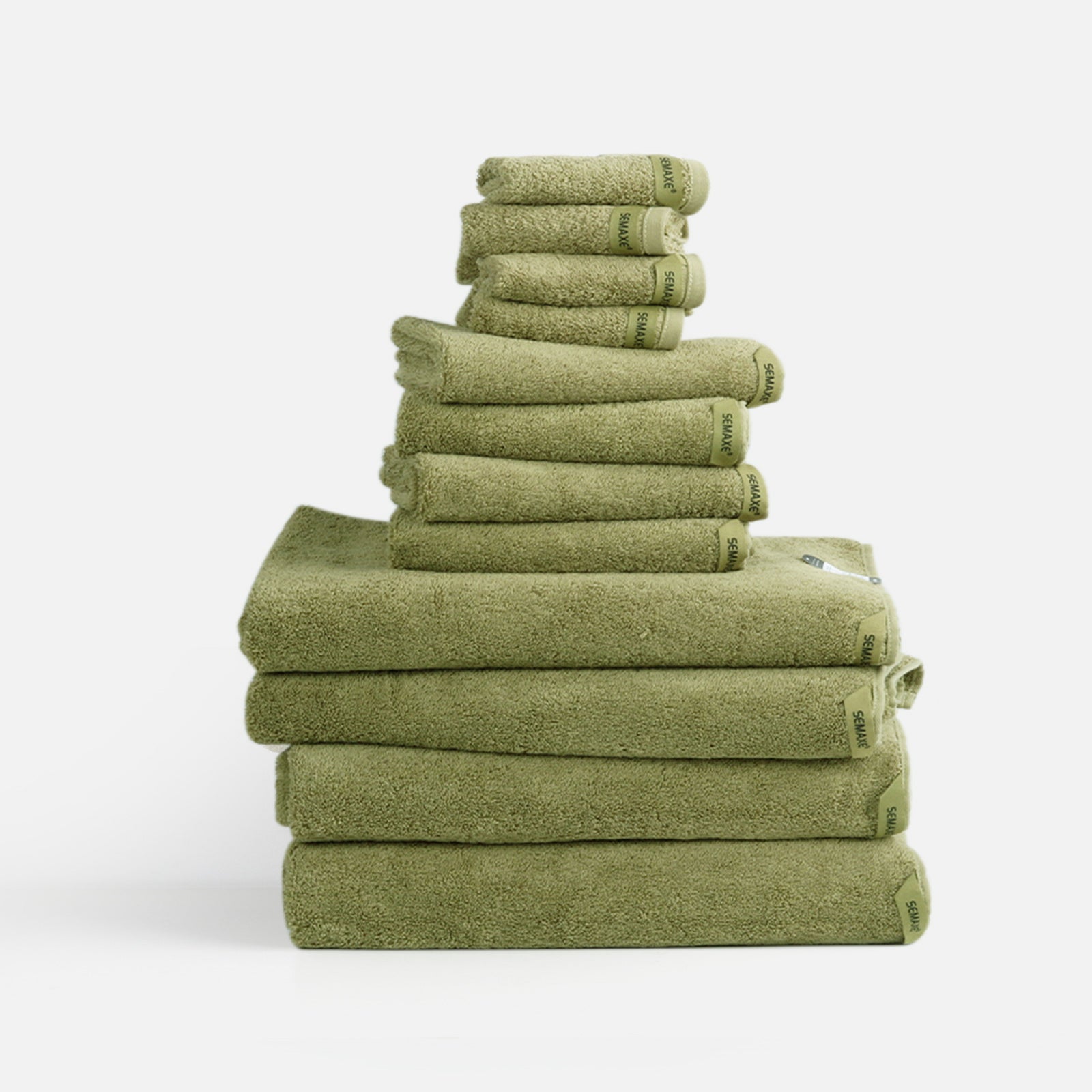
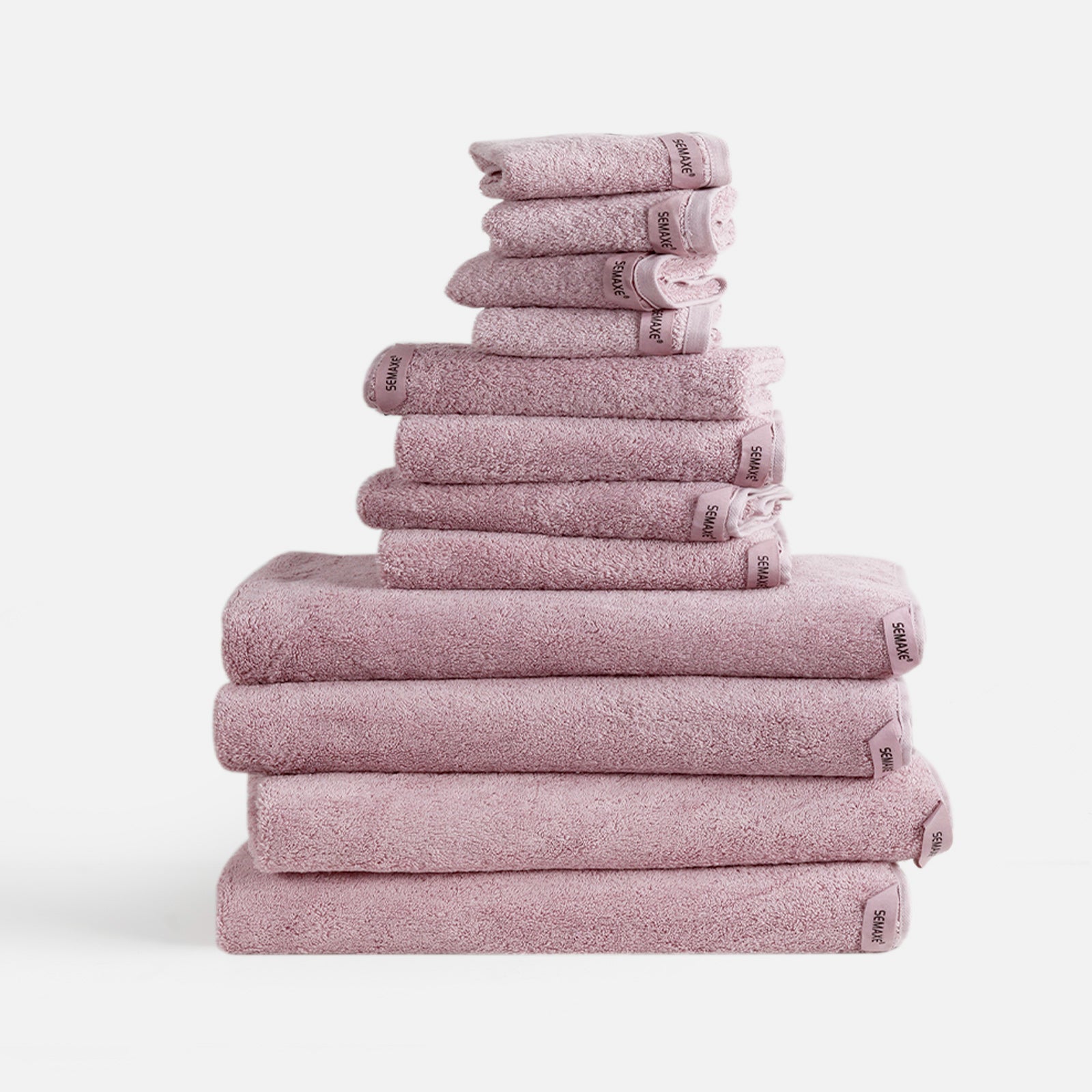
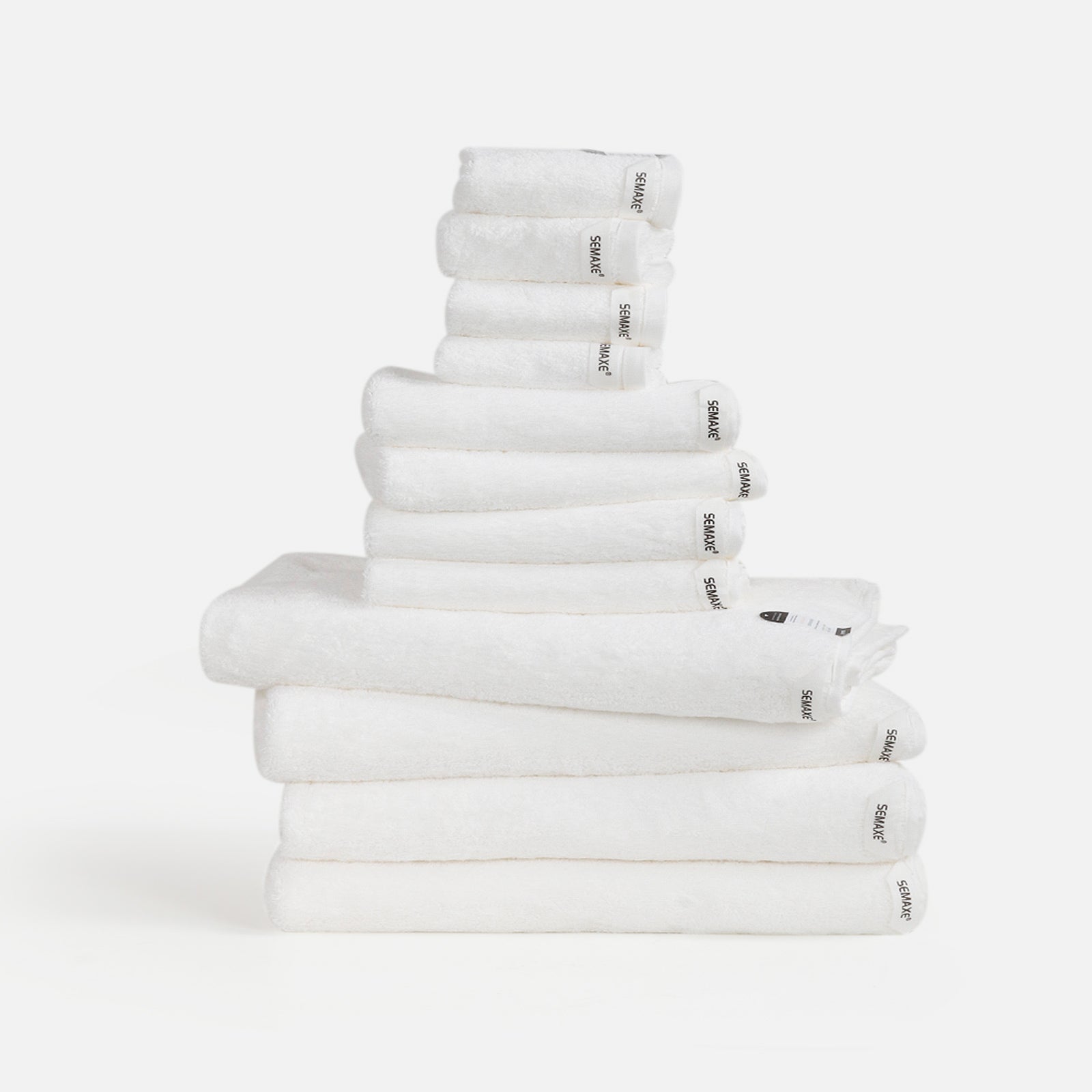
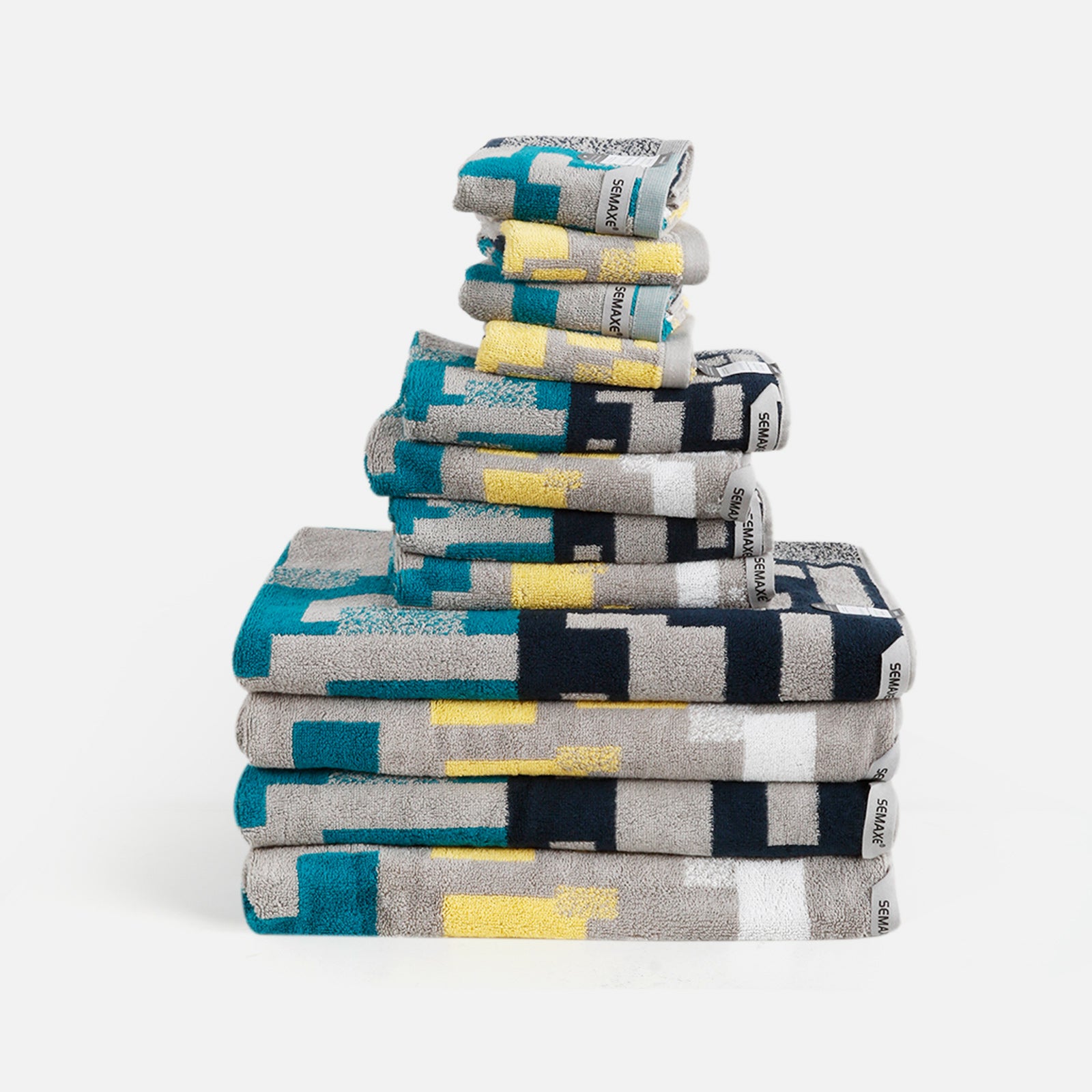
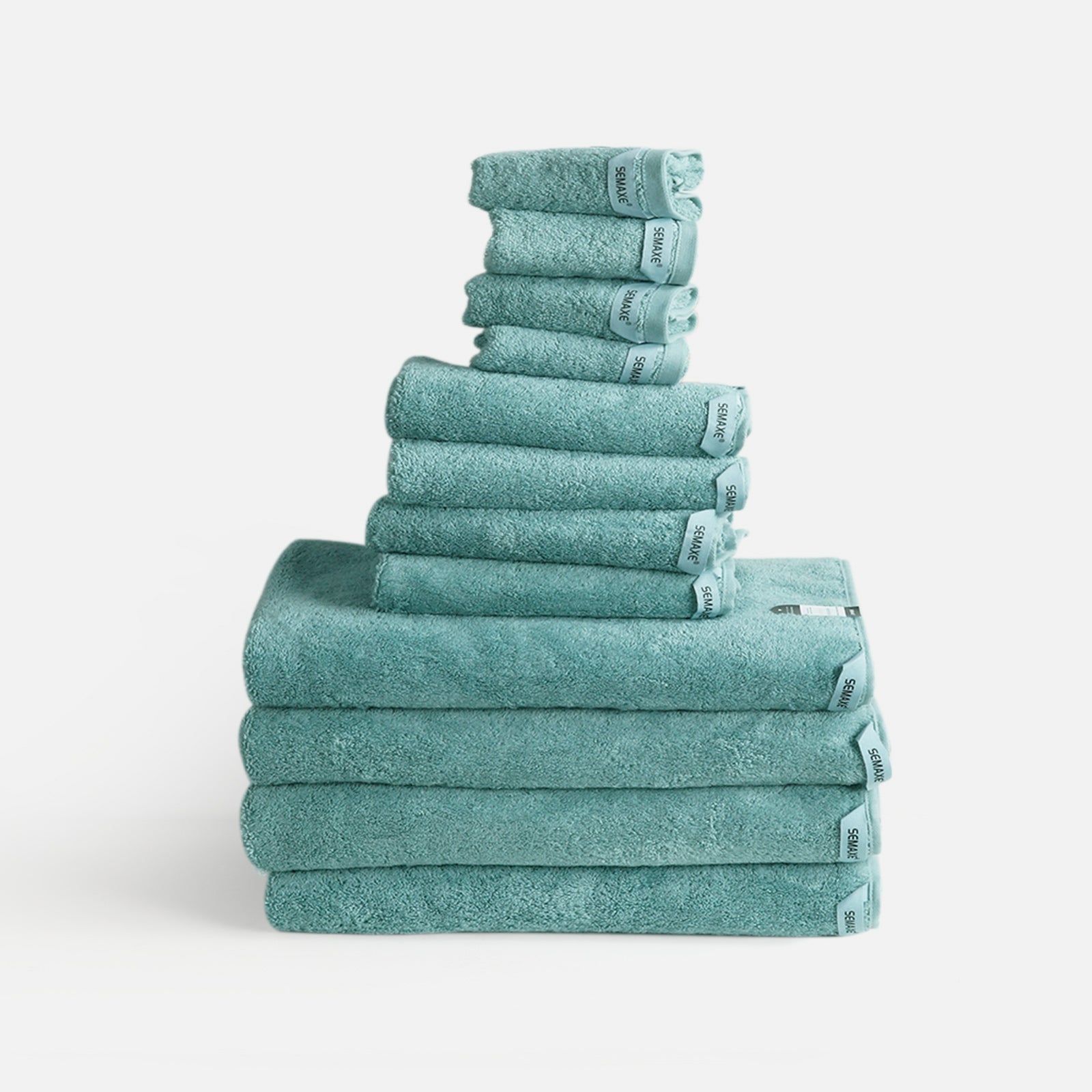
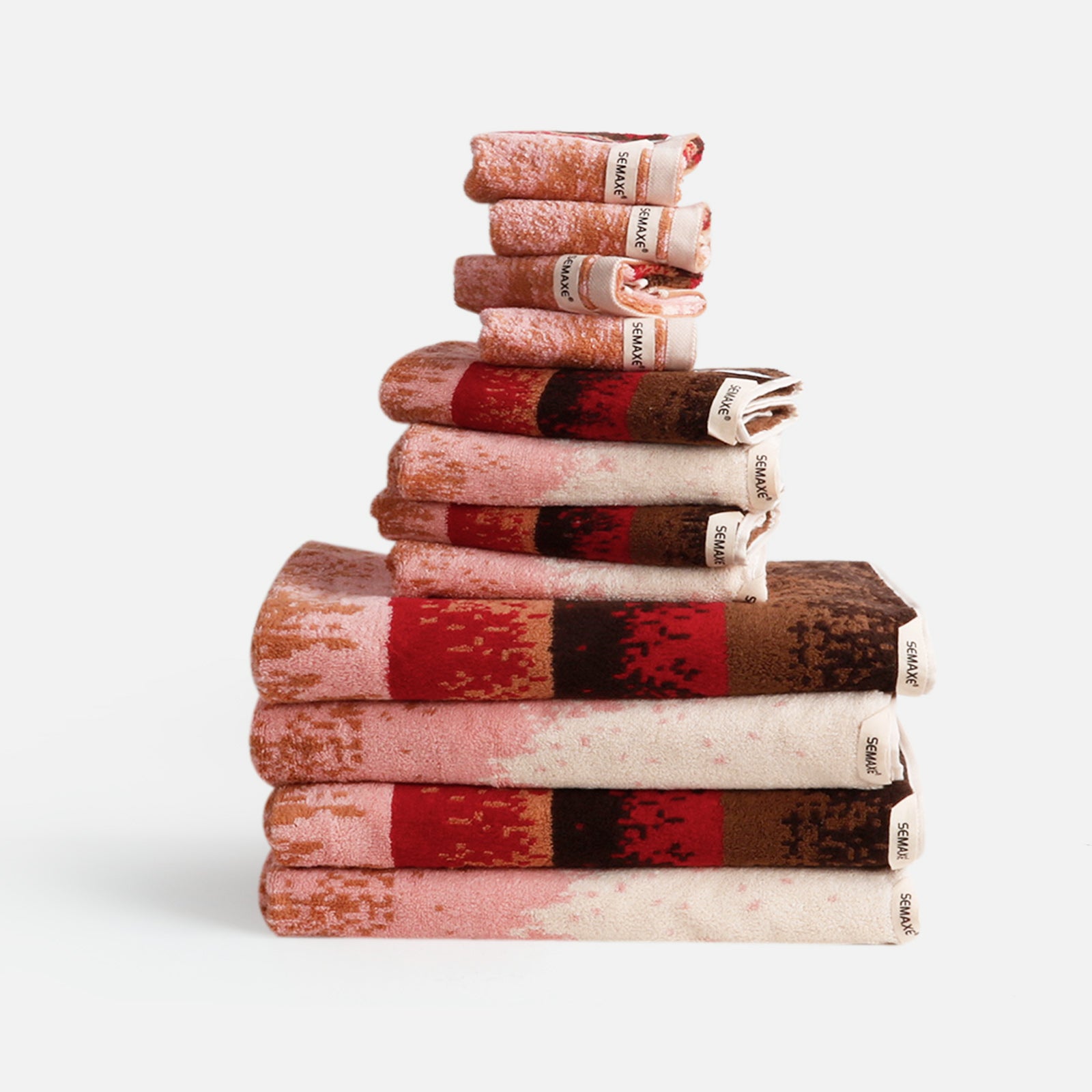
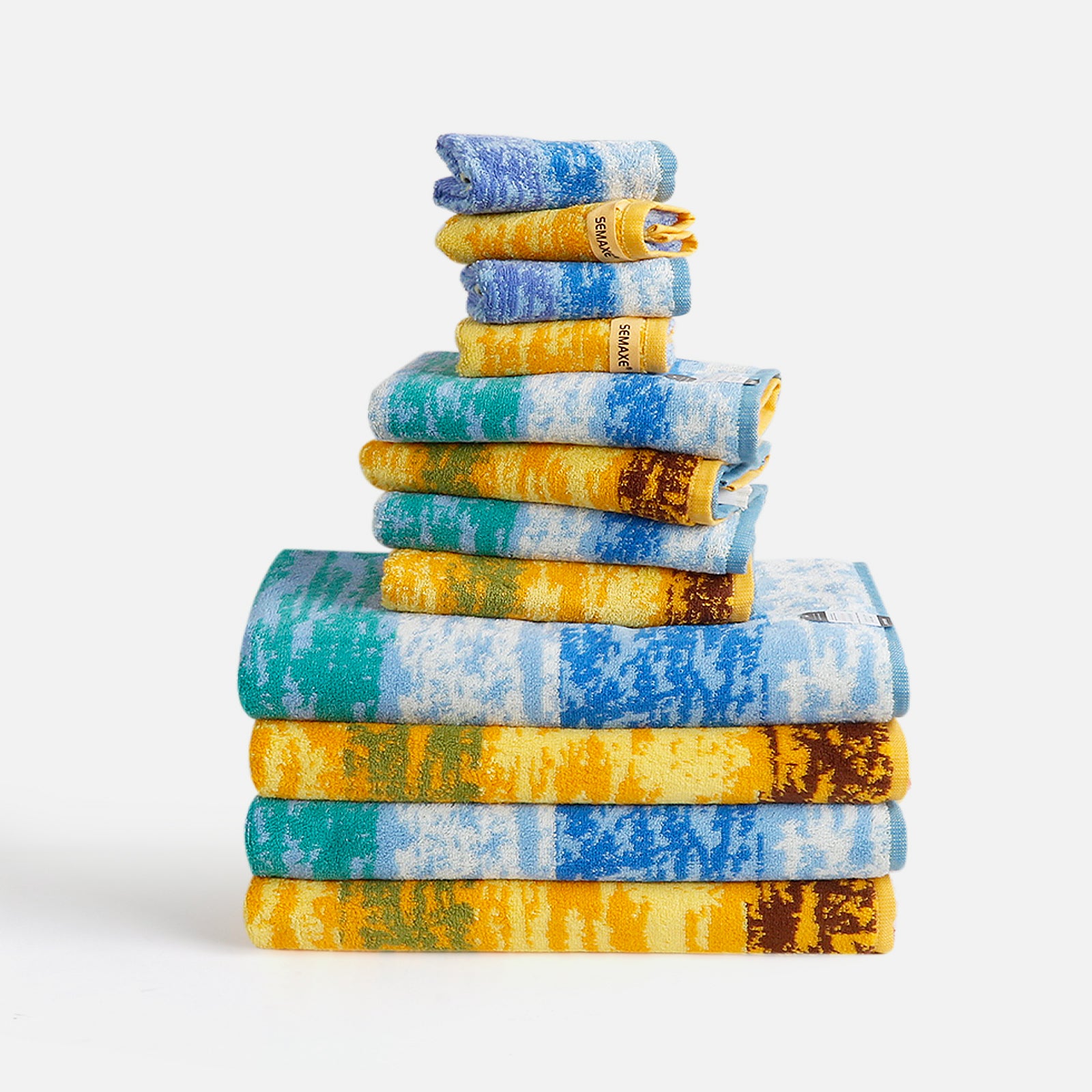
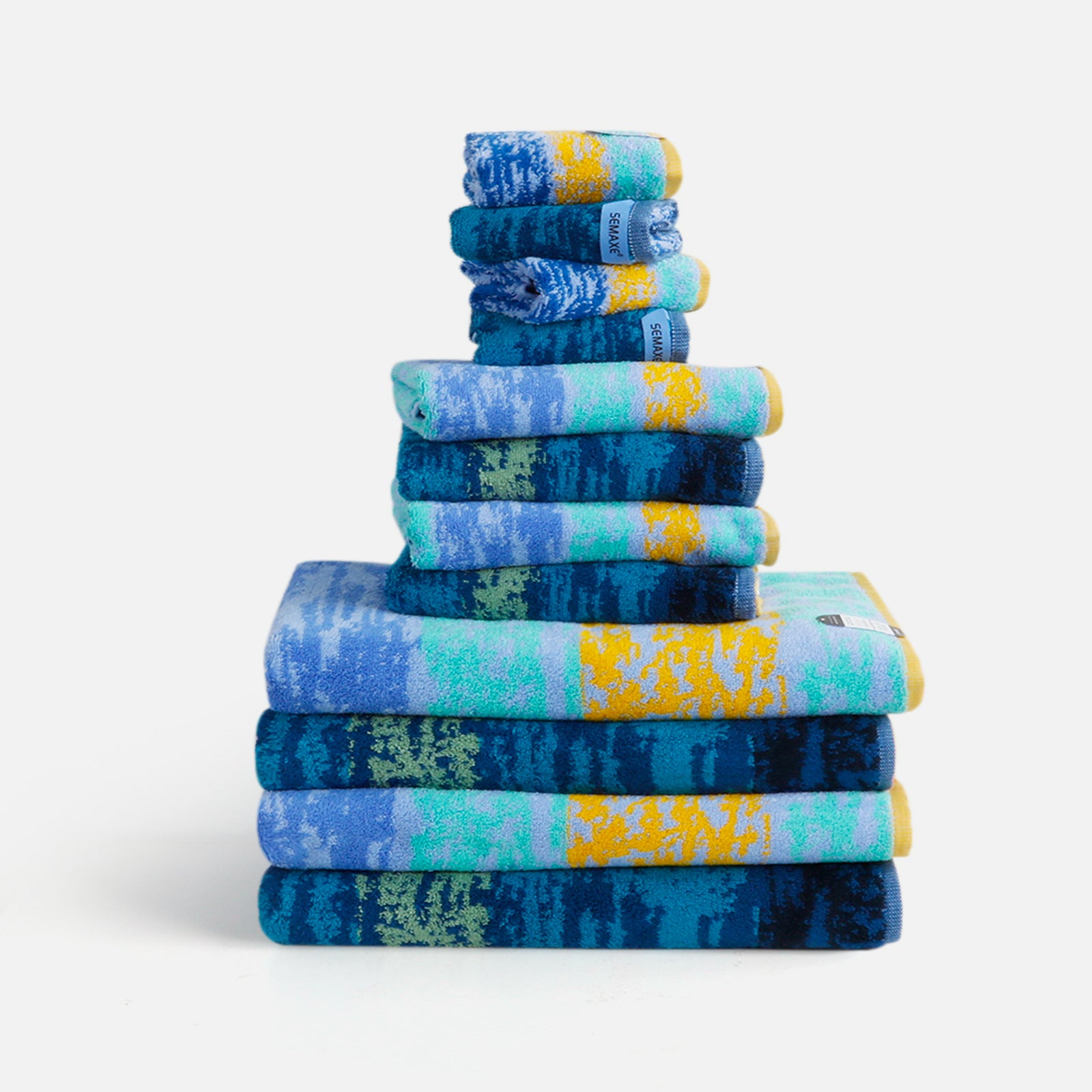
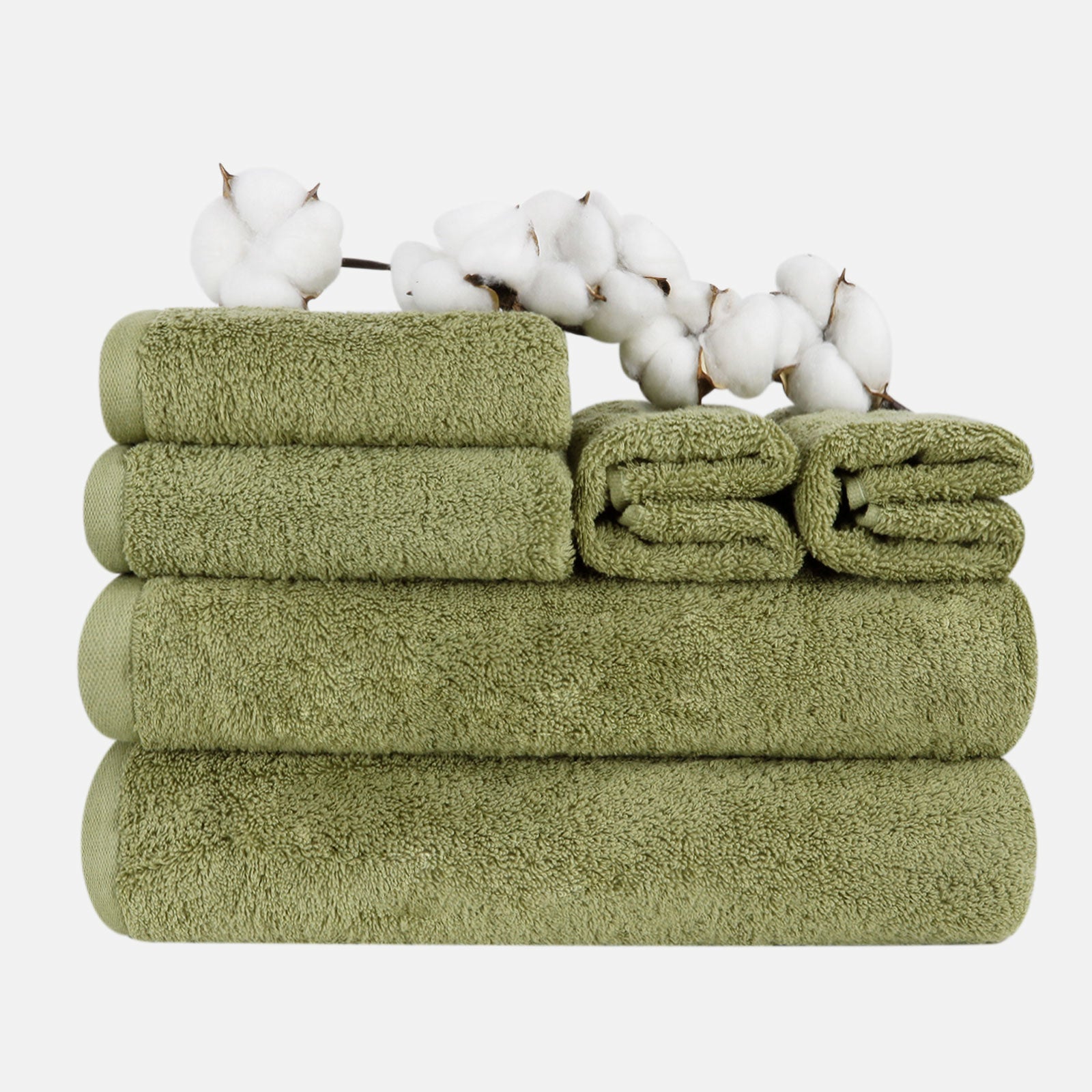
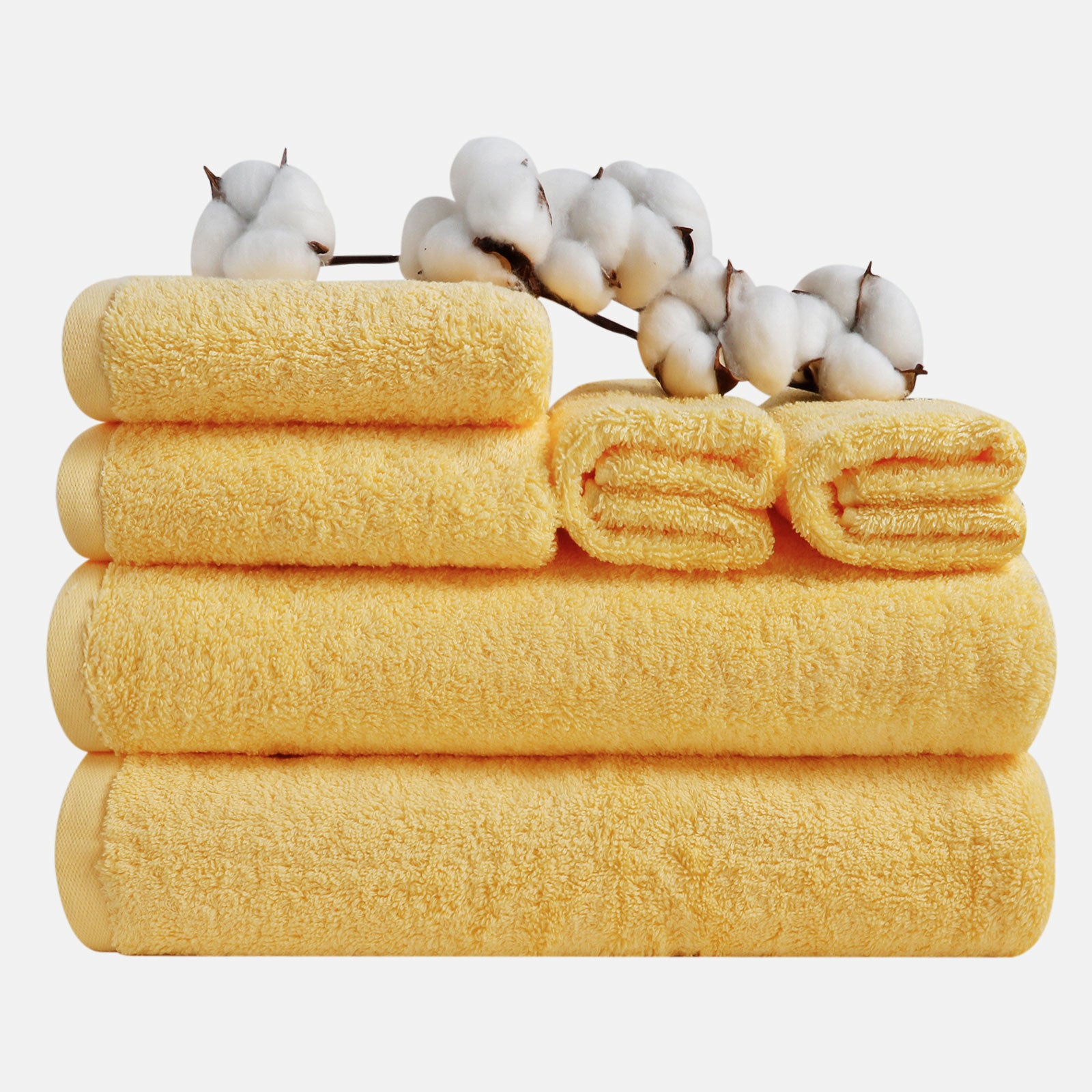
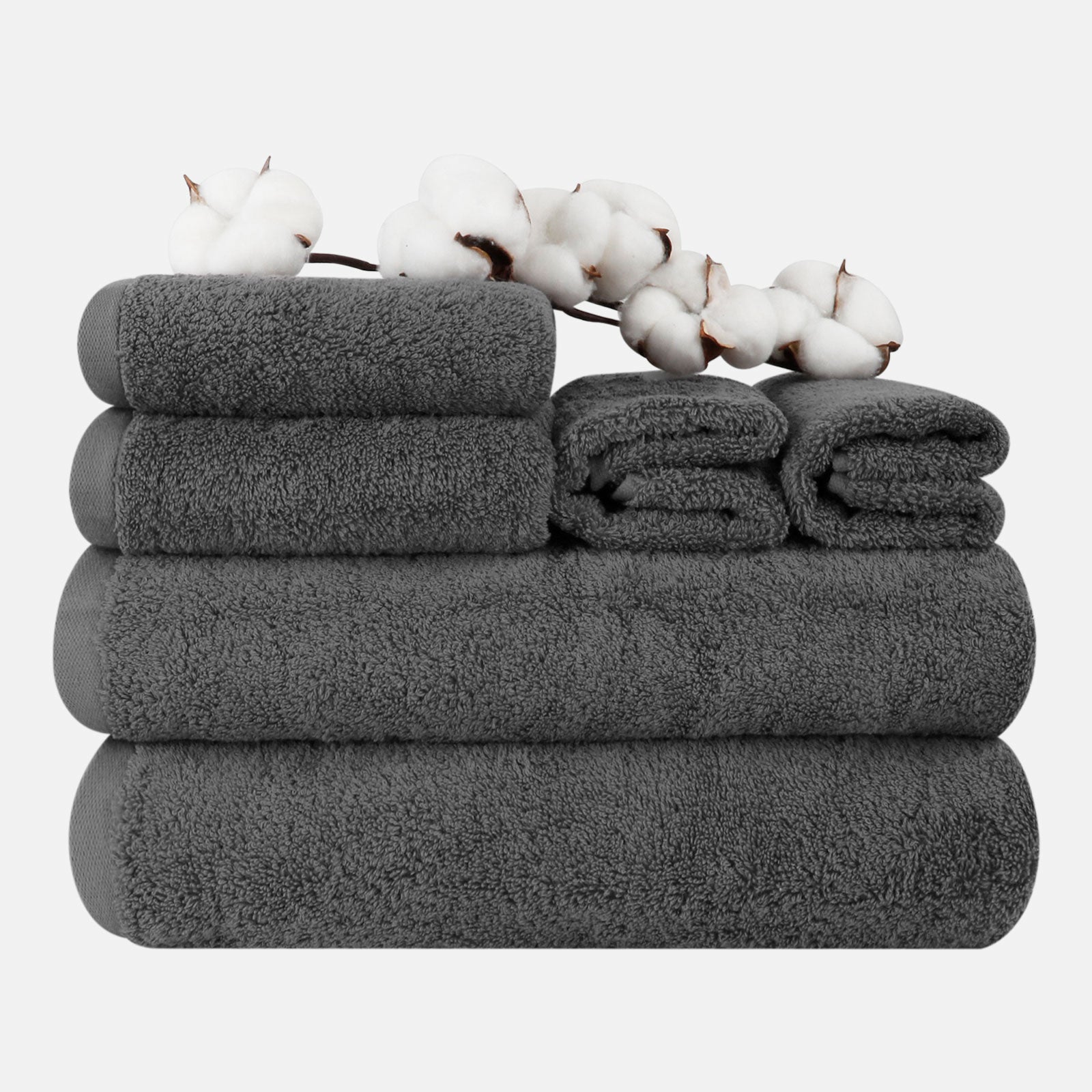
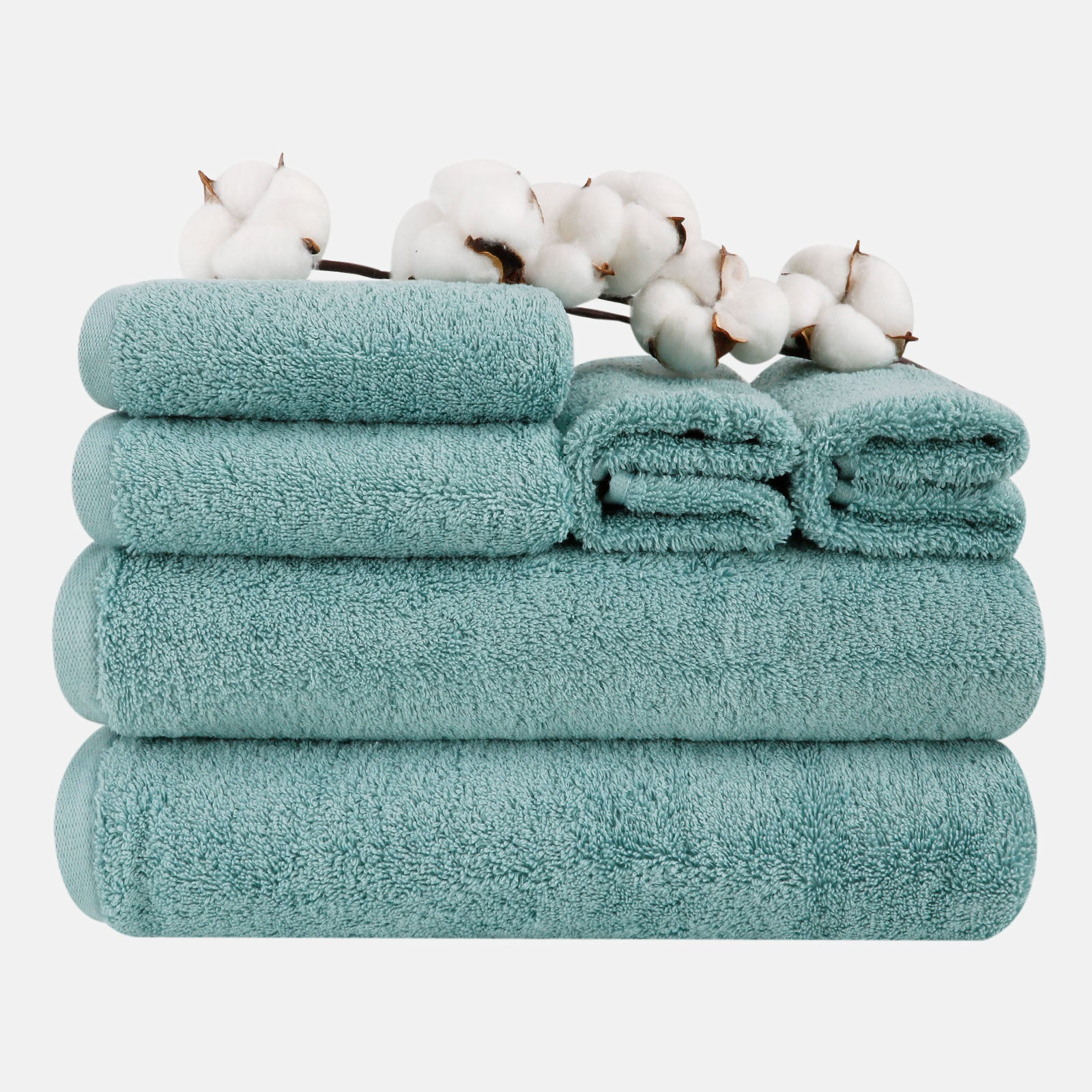
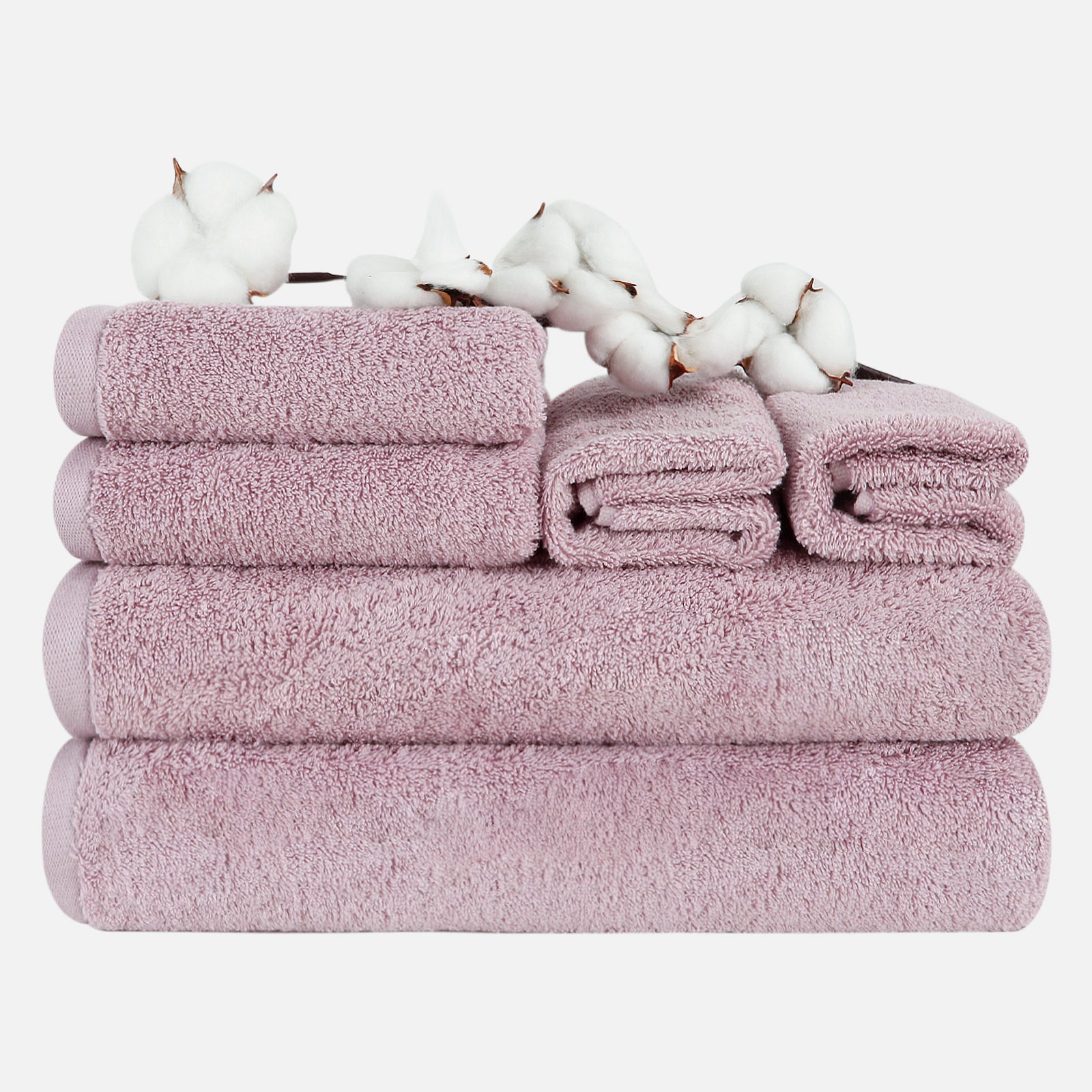
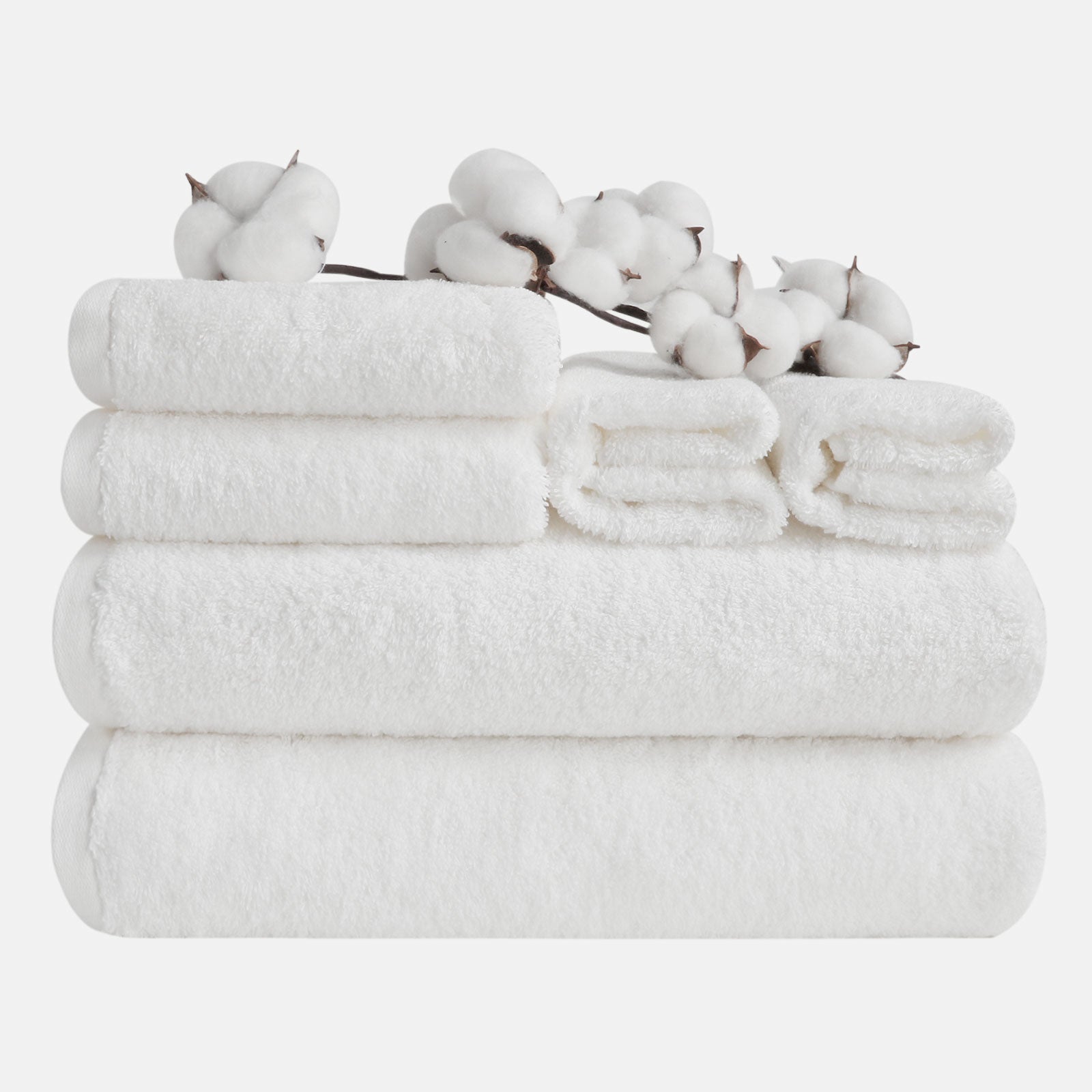
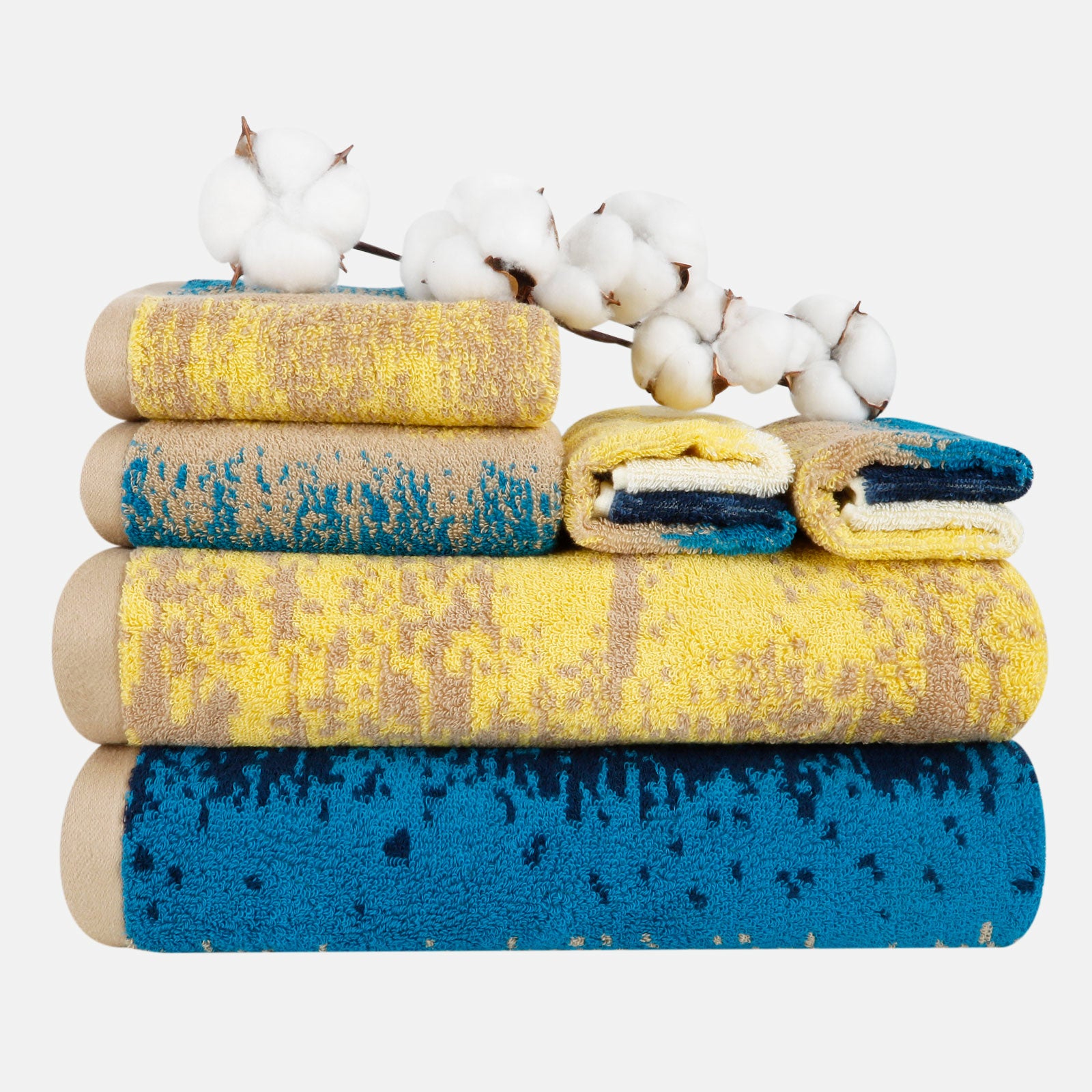
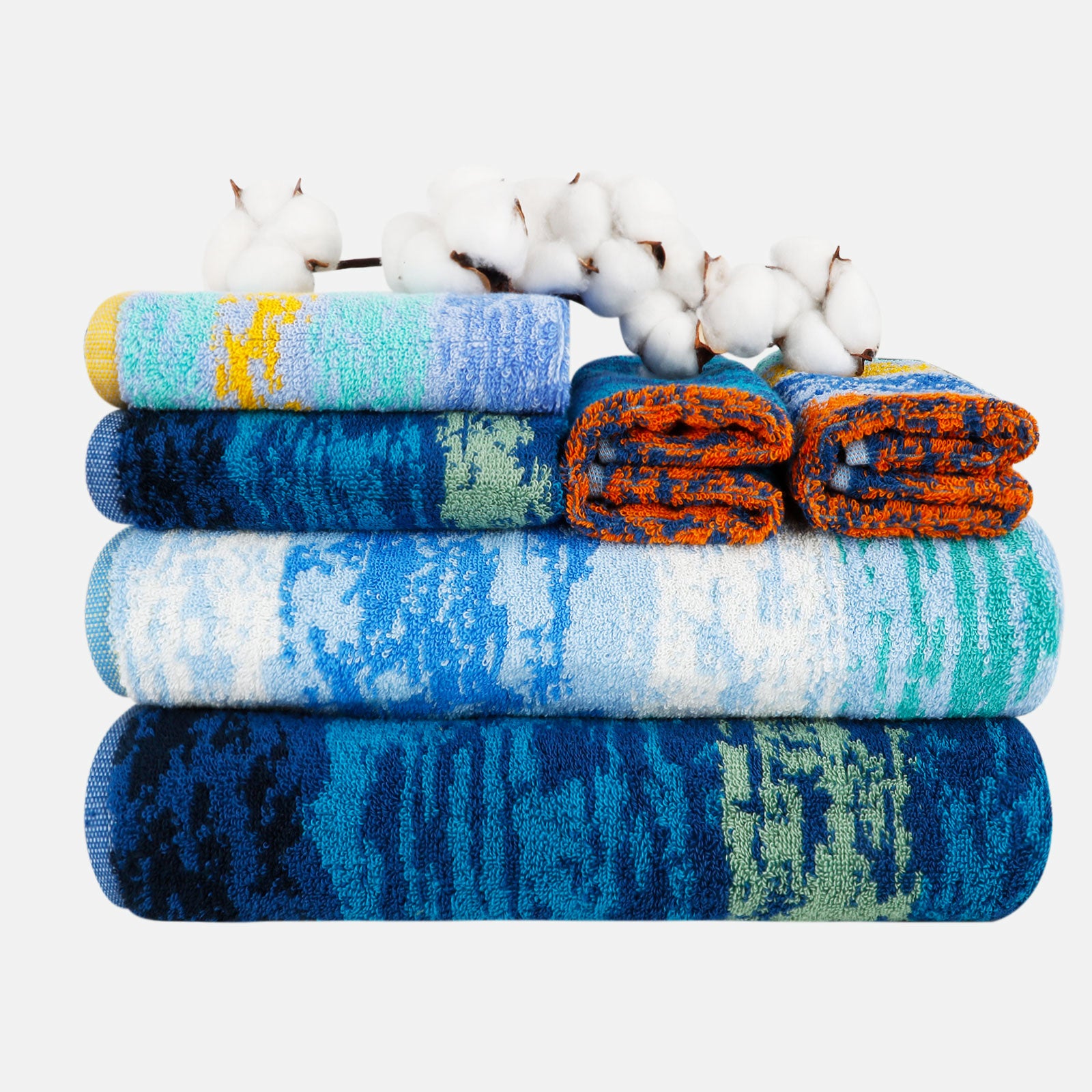
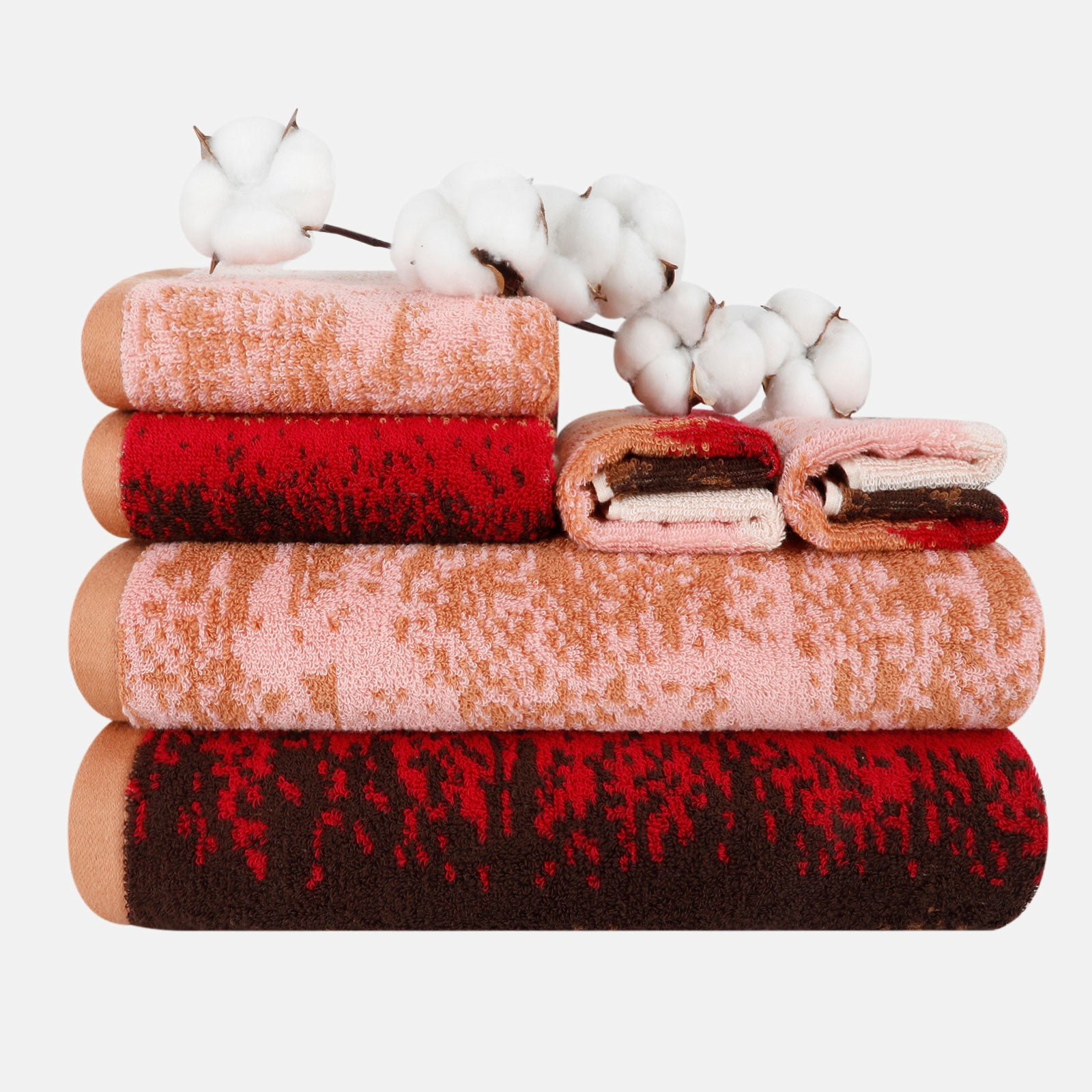
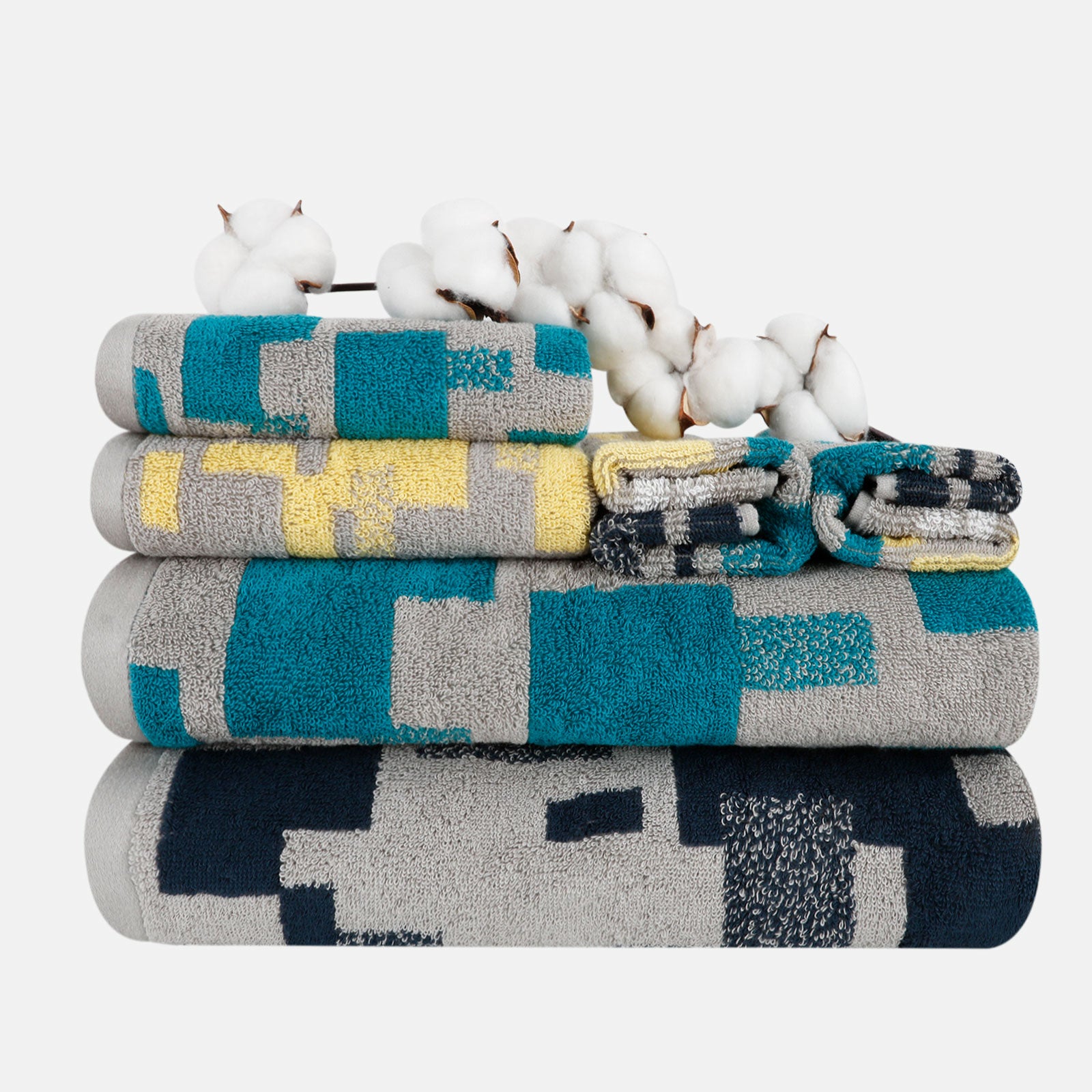
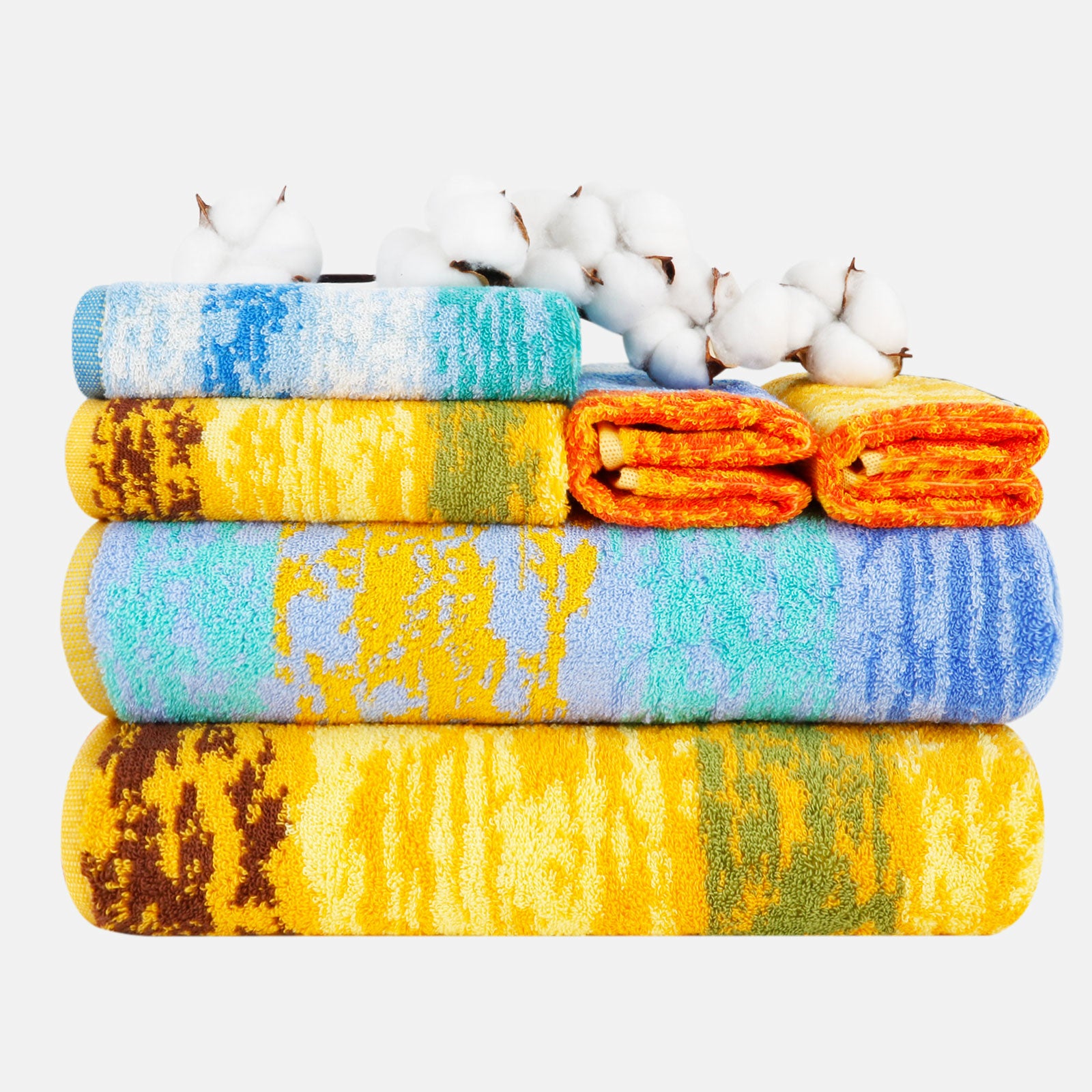
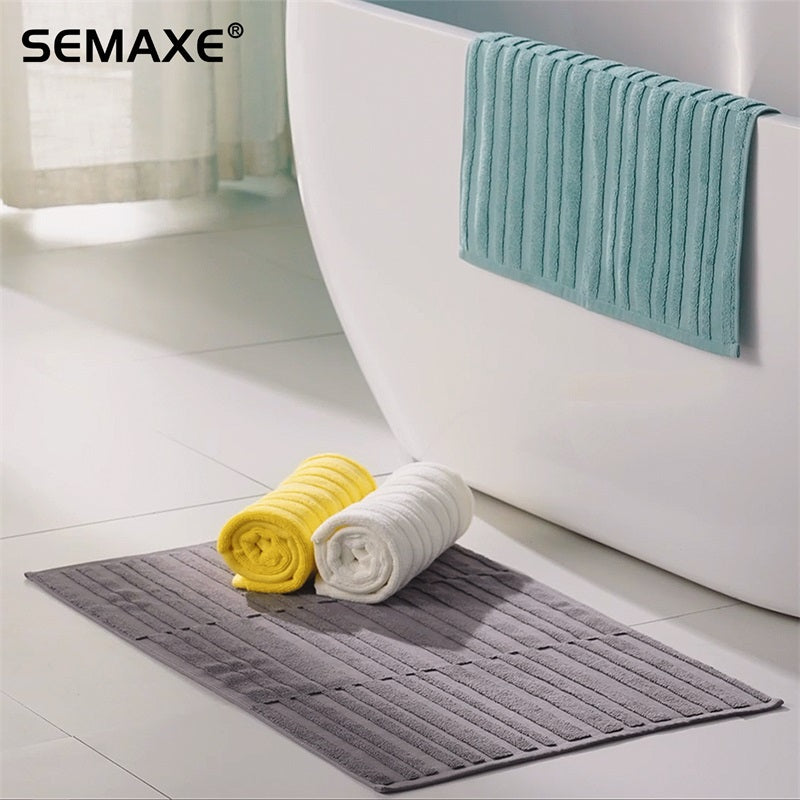
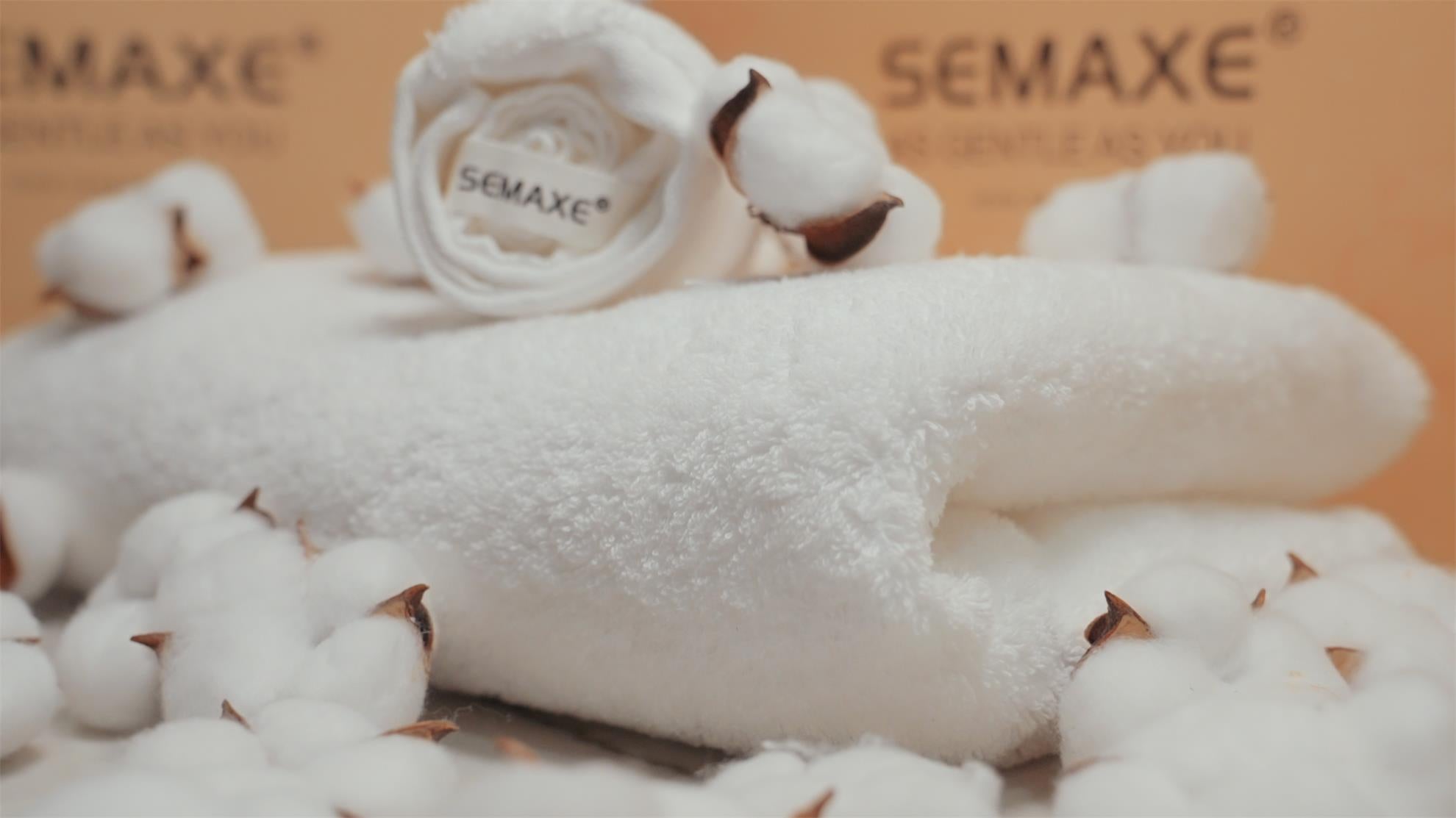
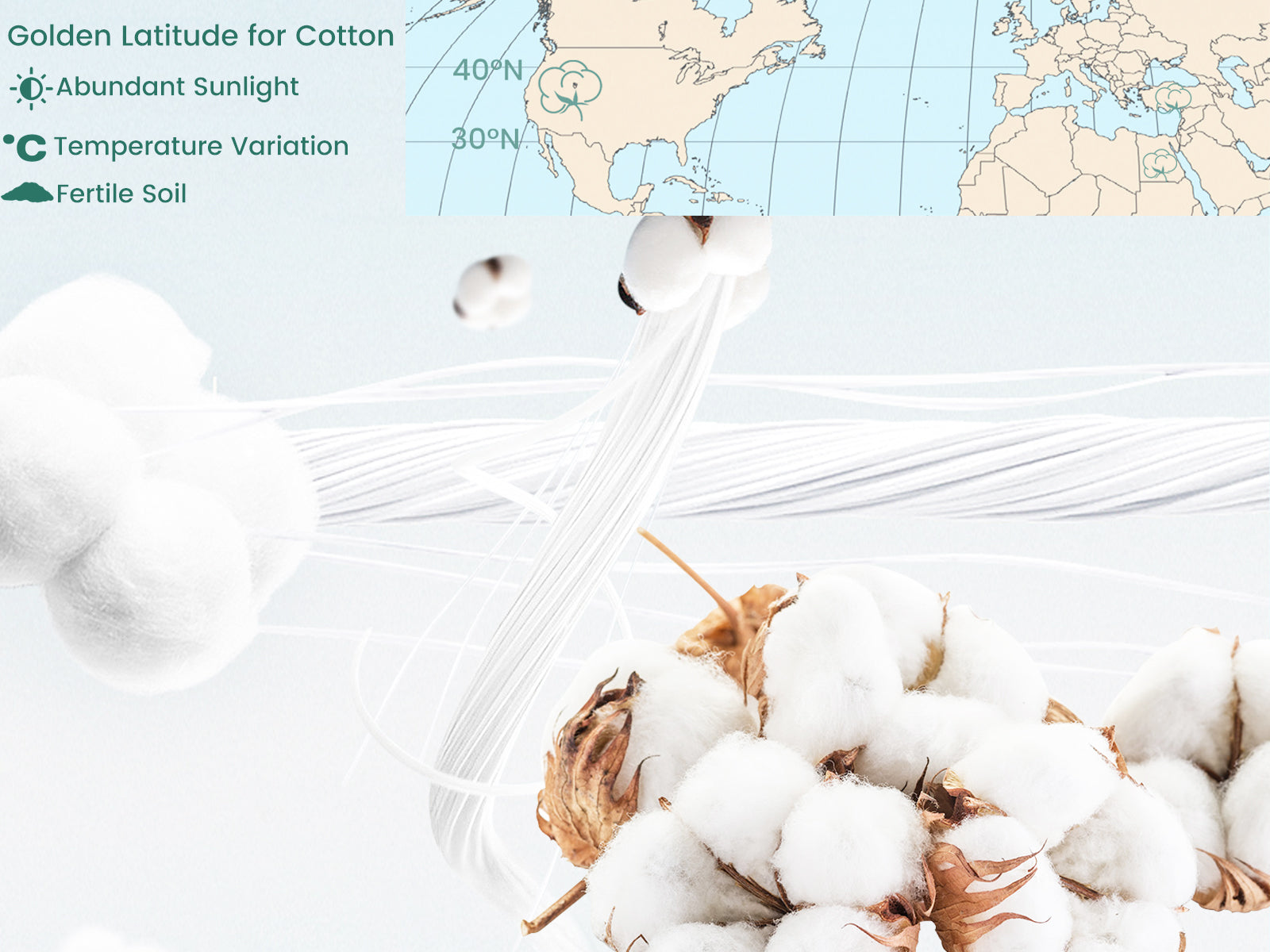
SEMAXE towels are crafted from 100% natural cotton and are designed to deliver exceptional softness and absorbency with every use. By following these simple washing guidelines, you'll protect that premium quality for years to come.
Key Takeaways:
-
Use warm water (40°C) for regular washes
-
Use half the recommended amount of detergent
-
Never use fabric softener on towels
-
Add white vinegar to the rinse cycle as a natural softener
-
Wash towels separately from clothes
-
Pre-wash new towels before first use