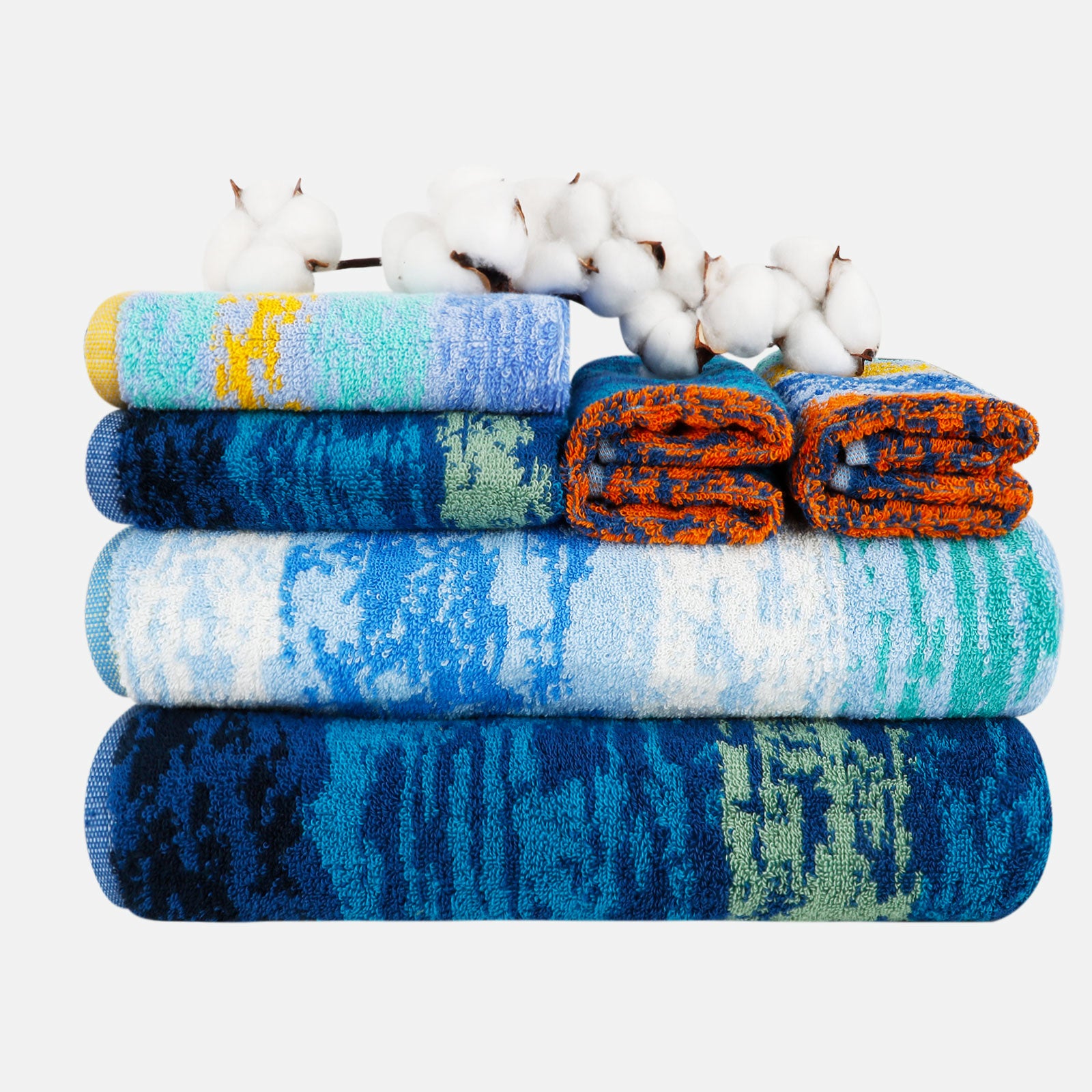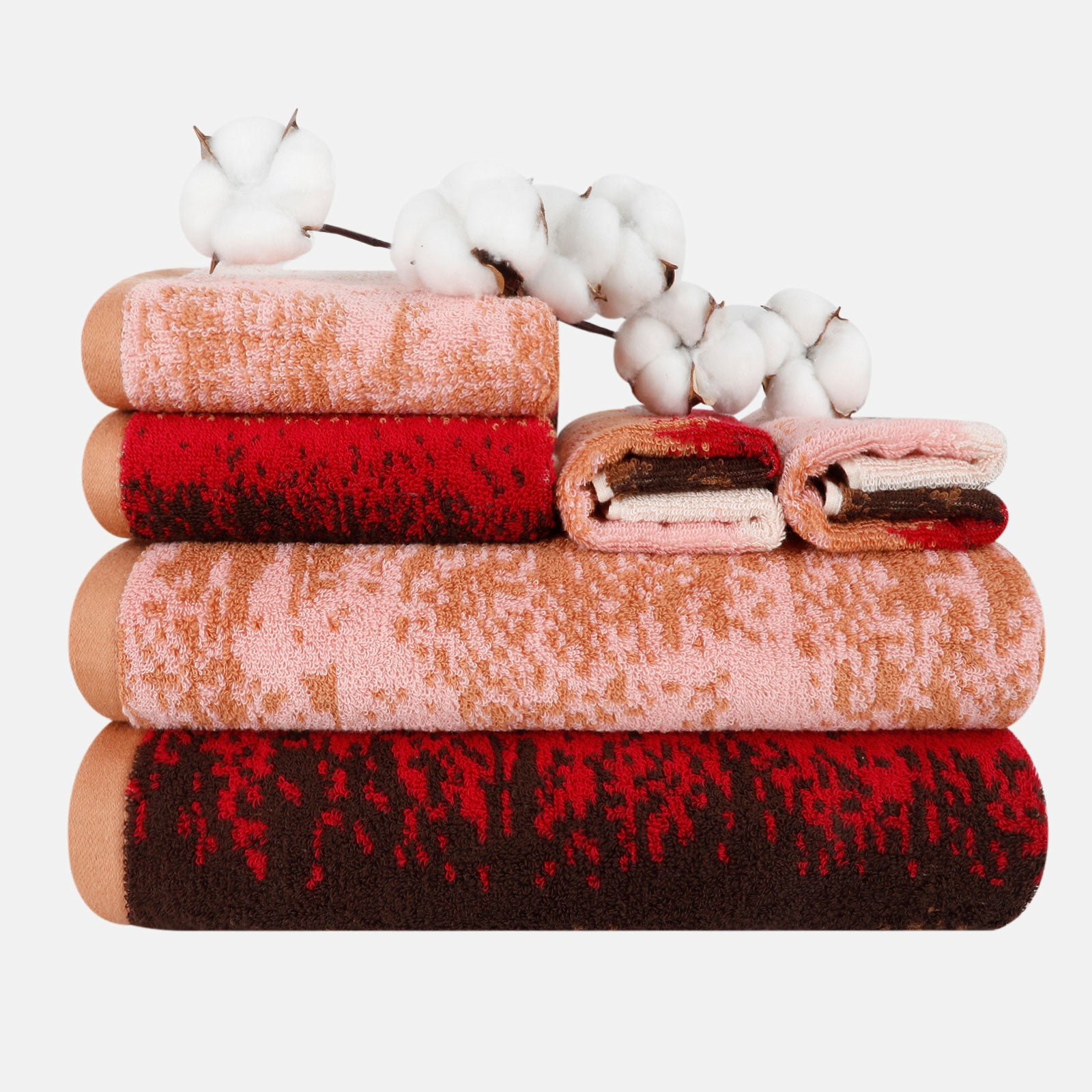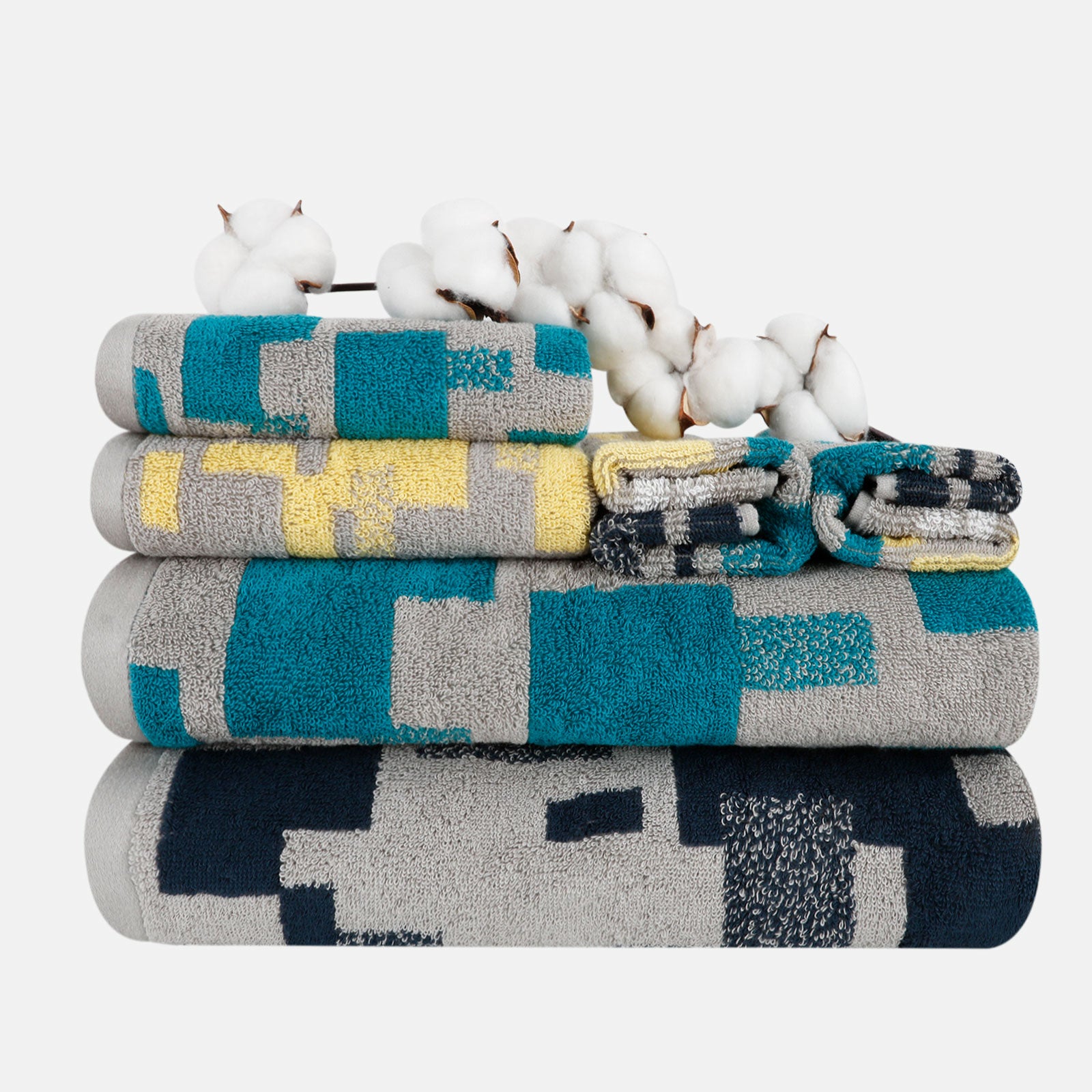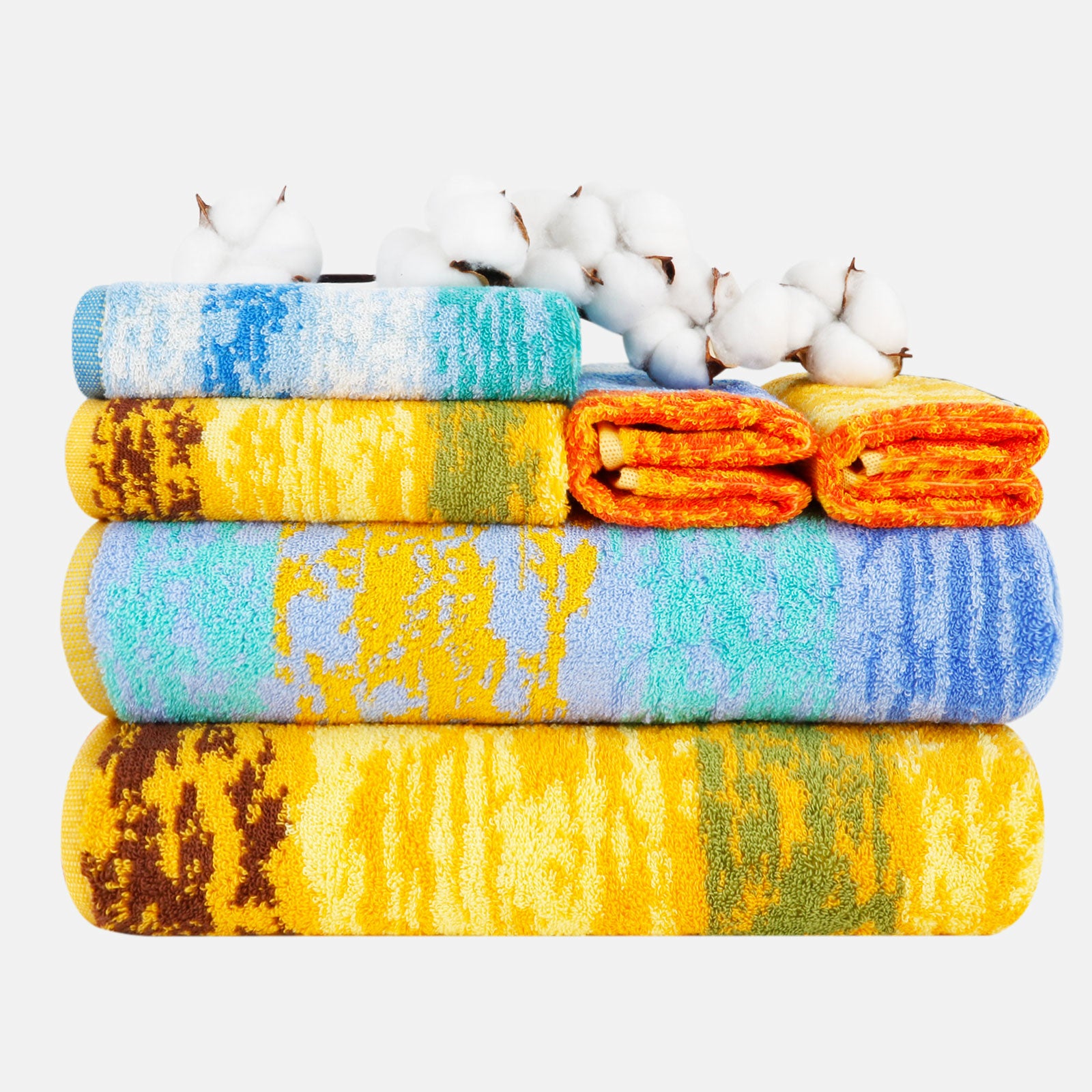

Meta Description: Discover why natural cotton outperforms bamboo, microfiber, and synthetic blends for bath towels. Compare absorbency, softness, durability, and eco-friendliness.
Content:
When you're shopping for bath towels, the variety of materials available can feel overwhelming. Cotton, bamboo, microfiber, linen — each promises its own benefits. But which one truly delivers the best everyday bathing experience? This guide breaks down the most common towel materials to help you make an informed choice.
Cotton: The Time-Tested Champion
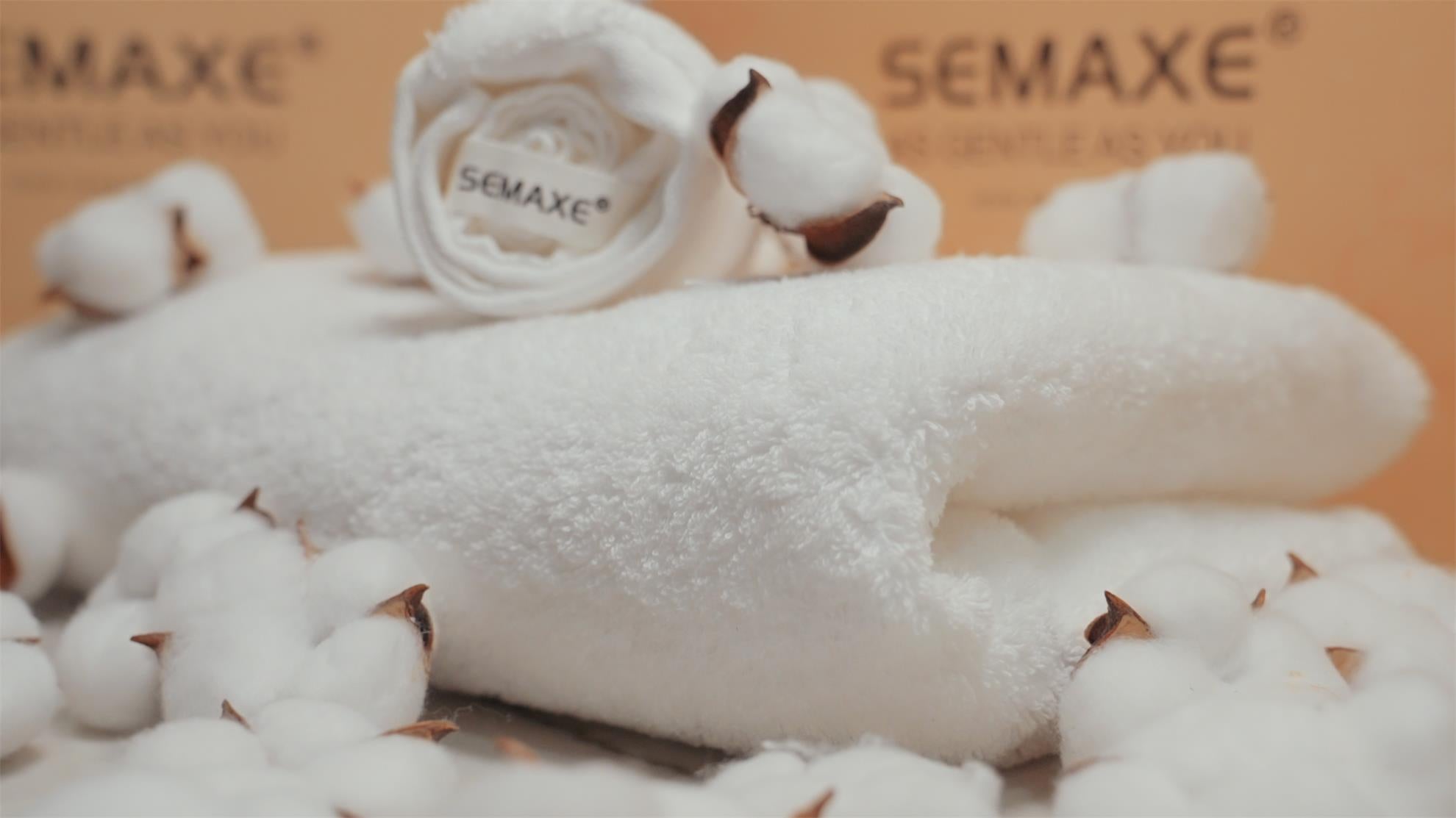
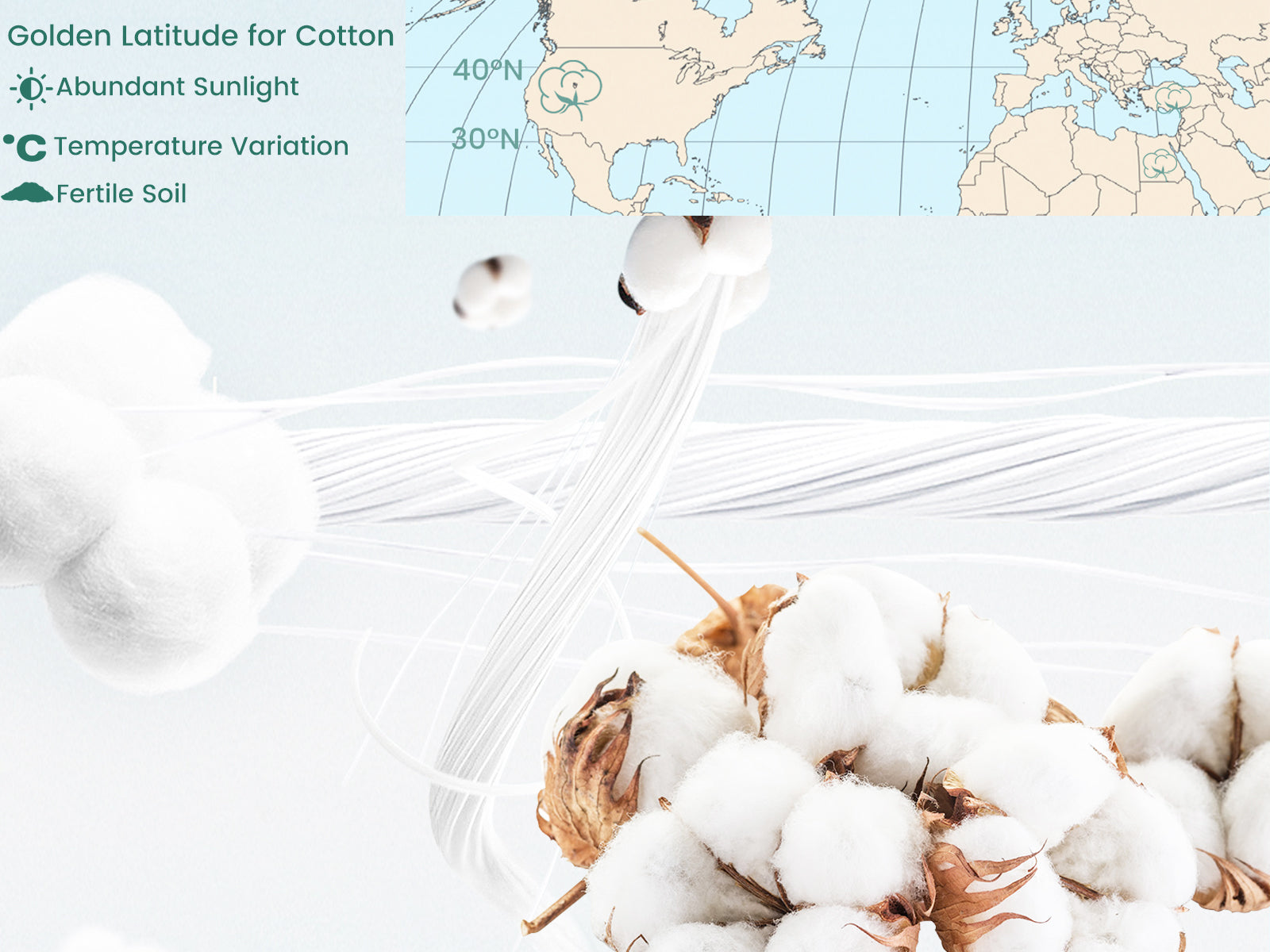
Cotton has been cultivated for nearly 8,000 years, and for good reason. As a natural plant fiber, cotton is soft against the skin, breathable, highly absorbent, and durable enough to withstand repeated washing and drying. But not all cotton is created equal. The quality of a cotton towel largely depends on the length of its fibers — known as "staple length." Premium cotton, such as extra-long staple varieties, produces longer fibers that are stronger, smoother, and less prone to pilling or shedding. Longer fibers can be spun into finer, stronger yarns, resulting in towels that feel luxuriously soft and maintain their integrity wash after wash. Shorter fibers, on the other hand, are more likely to break and shed lint.
Cotton vs. Bamboo
Bamboo towels have gained popularity in recent years, particularly among eco-conscious consumers. Bamboo fibers are naturally soft — some even describe them as silky — and bamboo towels are known for being highly absorbent. They also possess natural antimicrobial properties, which can help inhibit bacterial growth. However, there are important considerations. Most bamboo towels on the market are actually a blend of bamboo and cotton, as pure bamboo can be less durable over many wash cycles. The manufacturing process for bamboo viscose also involves chemical processing, which raises environmental concerns for some consumers. For everyday bath use, premium cotton still offers superior durability and that classic plush, terry texture that most people love.
Cotton vs. Microfiber
Microfiber towels are engineered for performance rather than comfort. Made from synthetic materials — typically a blend of polyester and polyamide — microfiber towels are incredibly lightweight, quick-drying, and highly effective at trapping moisture. They're excellent for travel, camping, sports, and gym use. But microfiber simply doesn't feel as soft as cotton or bamboo. Many people find the texture less pleasant against freshly washed skin. For the everyday luxury of wrapping yourself in a soft, fluffy towel after a shower, cotton remains unmatched.
Cotton vs. Linen
Linen, derived from the flax plant, is one of the oldest and most prized natural fibers. It's exceptionally strong — actually 30% stronger than cotton — and known for its moisture-wicking properties and elegant drape. Linen towels are lightweight, dry quickly, and become softer with each wash. However, linen has a distinctly different texture from cotton terry. It tends to feel more "crisp" and less plush, and it wrinkles easily. While linen is an excellent choice for certain applications (such as kitchen towels or lightweight summer bath linens), most people prefer cotton for bath towels because of its plush, cozy feel.
What Makes a Quality Cotton Towel
When evaluating cotton towels, look for these indicators of quality:
High GSM: GSM stands for grams per square meter and measures towel density. Higher GSM generally means thicker, more absorbent towels — but there's a balance to strike. Very high GSM towels can take longer to dry and feel heavy. For most homes, 500 to 700 GSM offers an excellent combination of plushness and practicality.
Long-staple cotton: Premium cottons like Turkish cotton, Egyptian cotton, and Supima cotton are all known for their long fibers. These produce towels that are softer, stronger, and less prone to shedding than standard cotton. Even the best 100% cotton towels — including our own — depend on high-quality long-staple fibers for their exceptional performance.
Weave construction: Terry cloth with closely spaced loops tends to be more absorbent and durable than loosely woven alternatives.
The Bottom Line
For most bath towel applications, cotton remains the top choice due to its natural softness and superior ability to absorb water. Bamboo is a strong contender for eco-conscious shoppers, but premium cotton offers the best balance of everyday luxury and durability. Microfiber serves specific needs for travel and sports, and linen offers a unique aesthetic for those who prefer its crisp texture.
Why SEMAXE Chooses 100% Natural Cotton
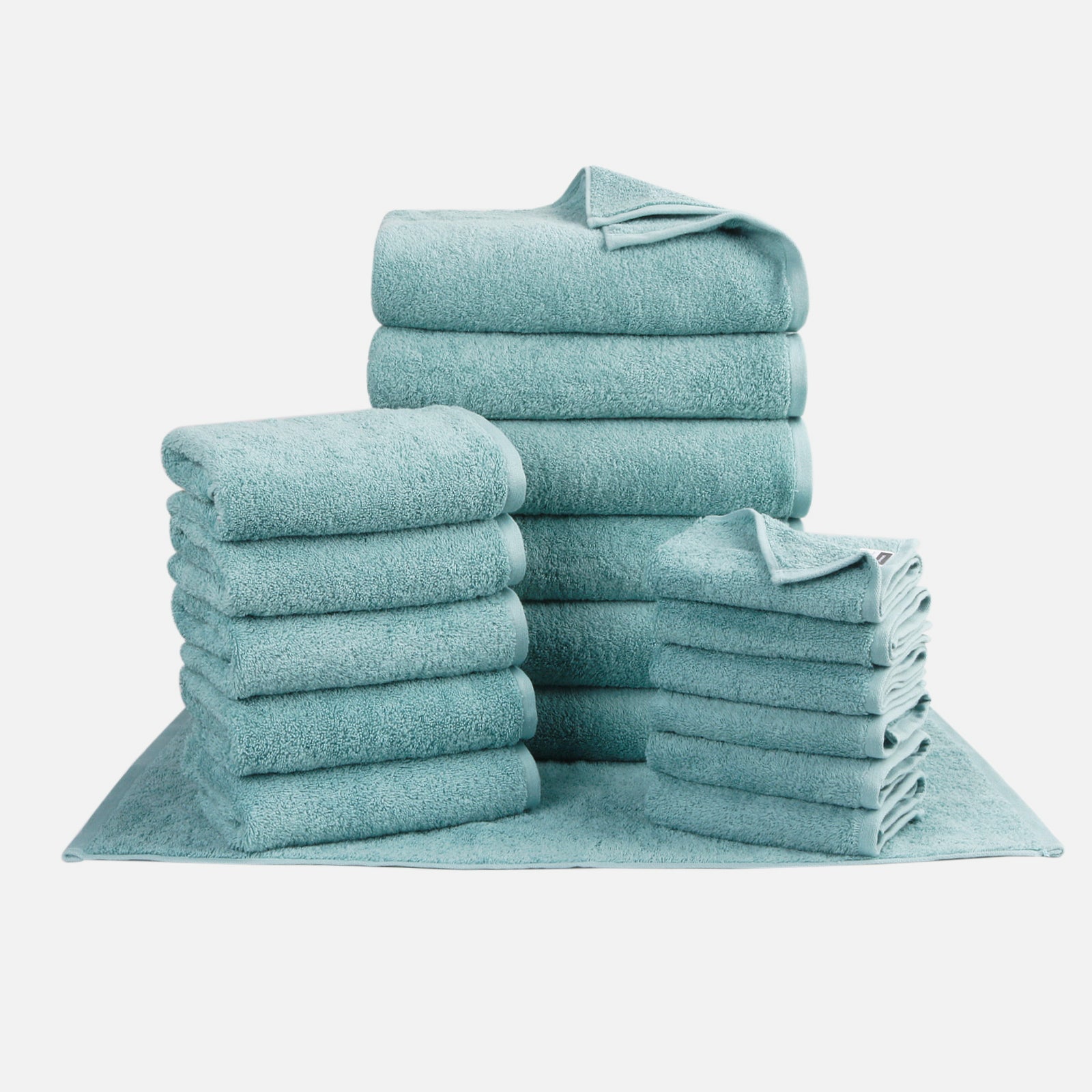
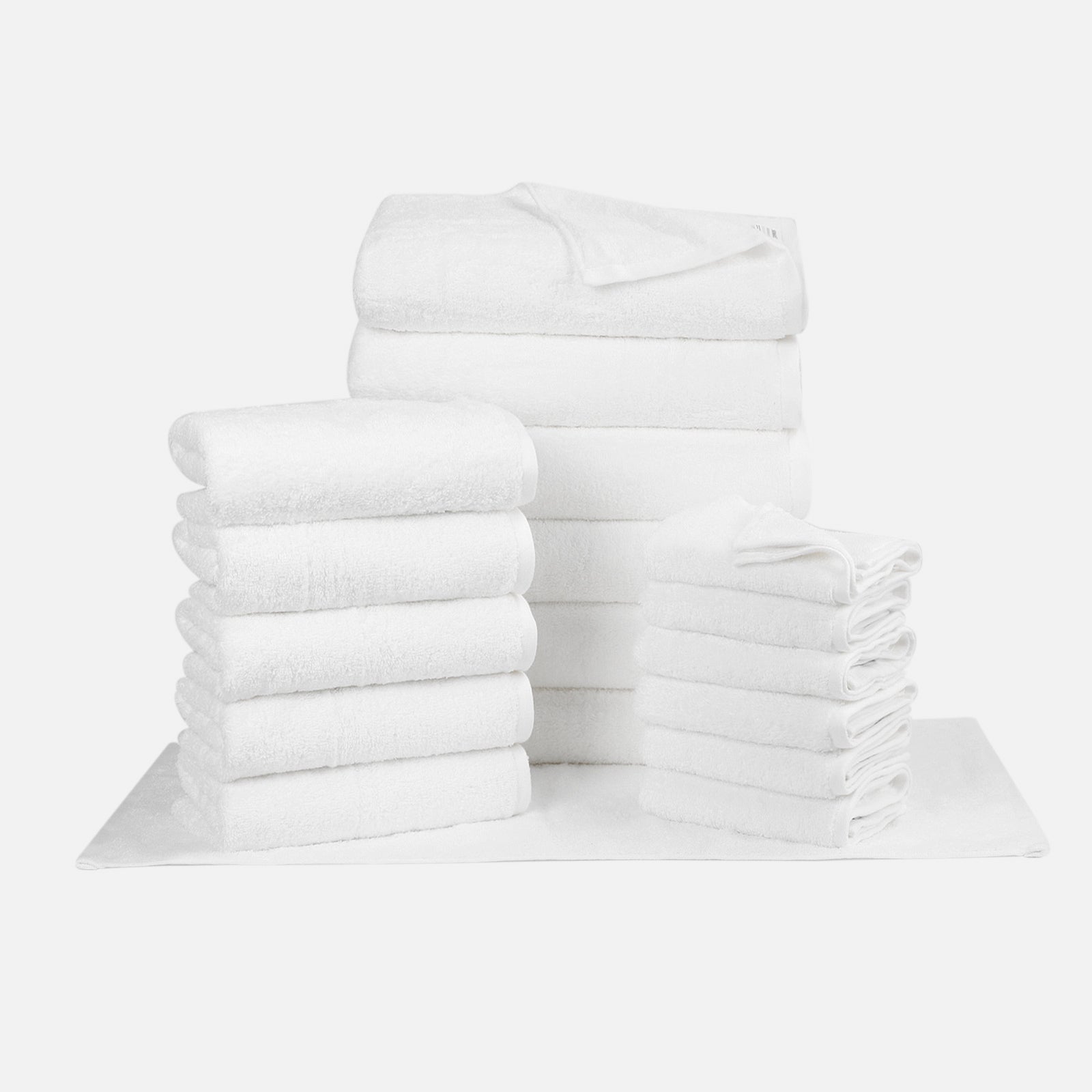
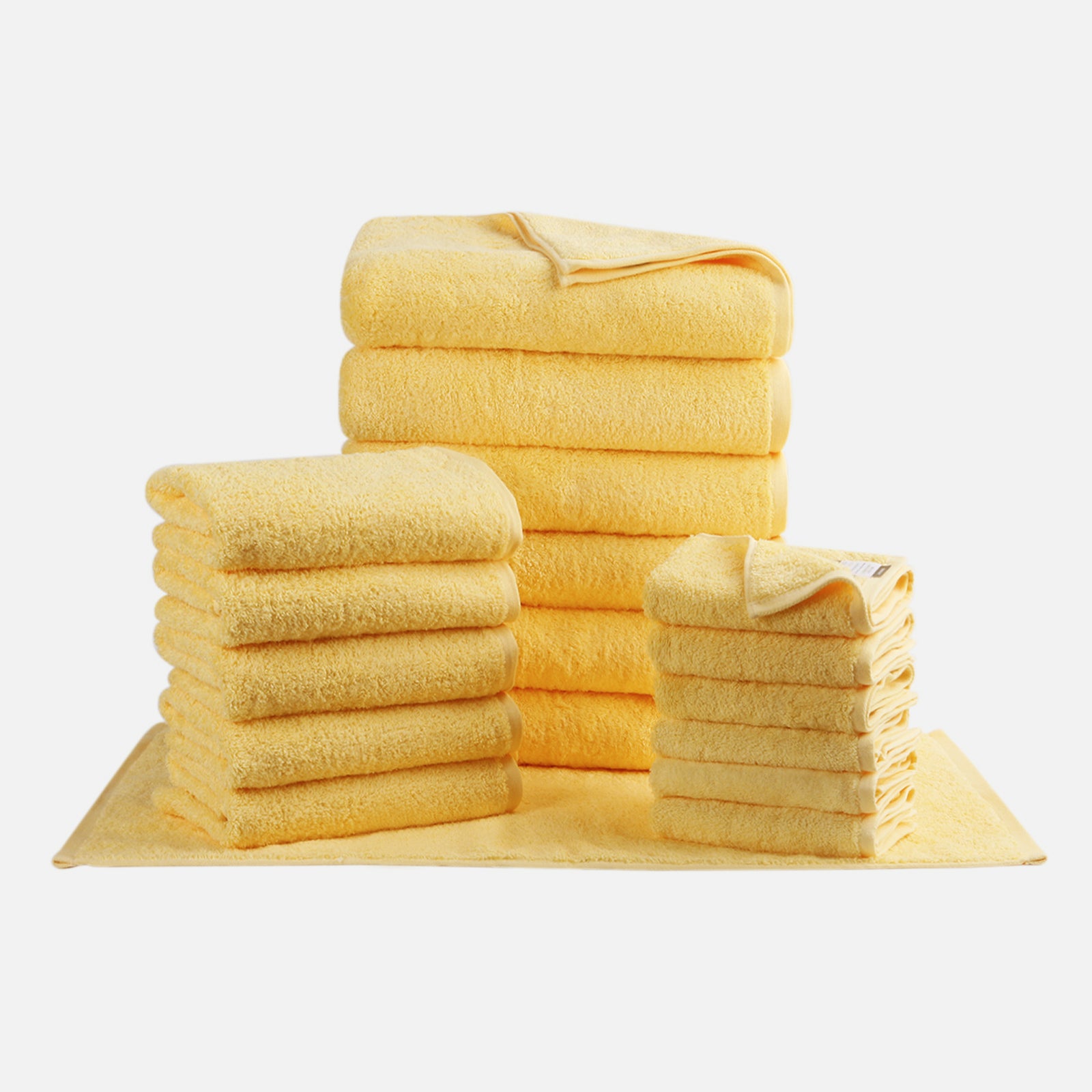
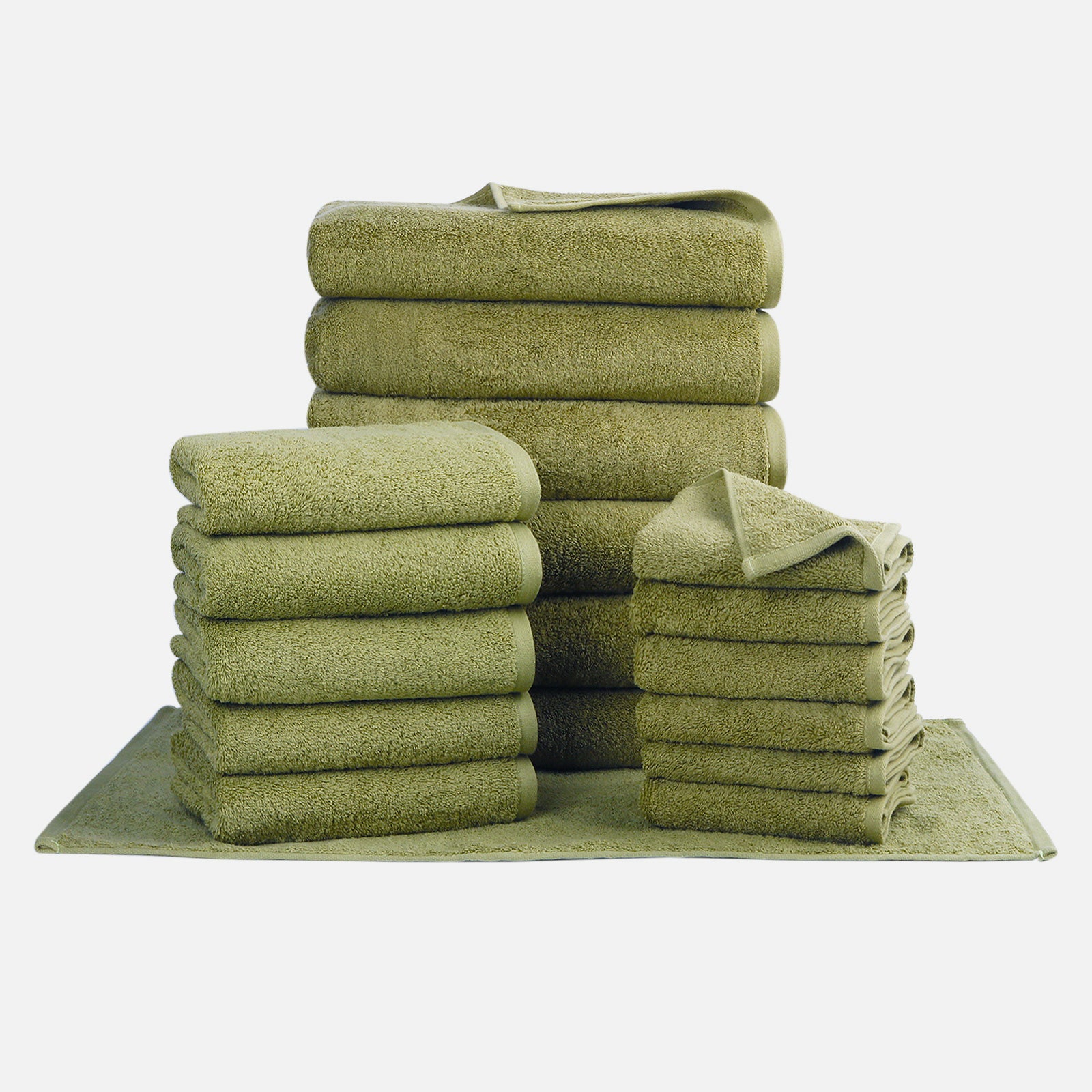
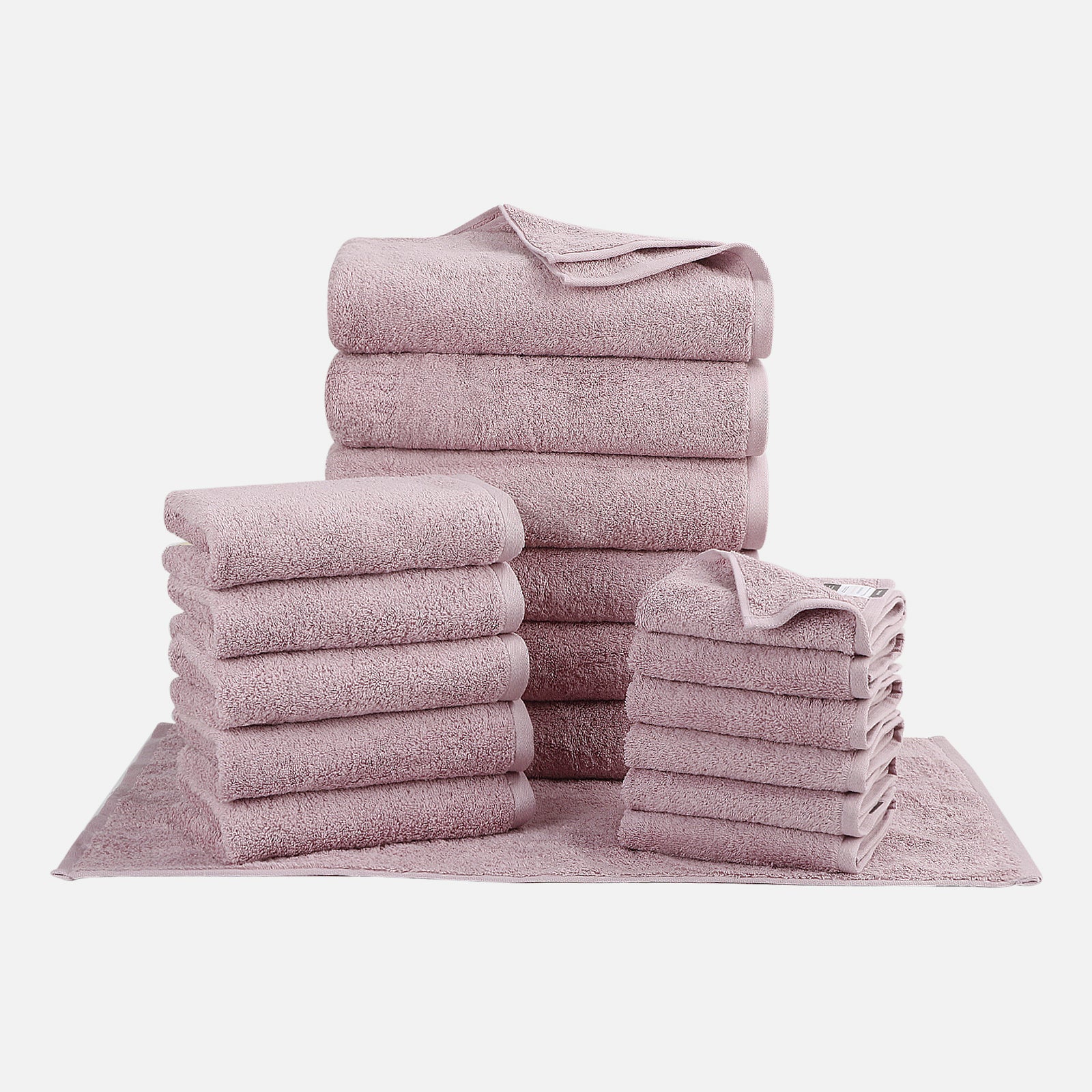
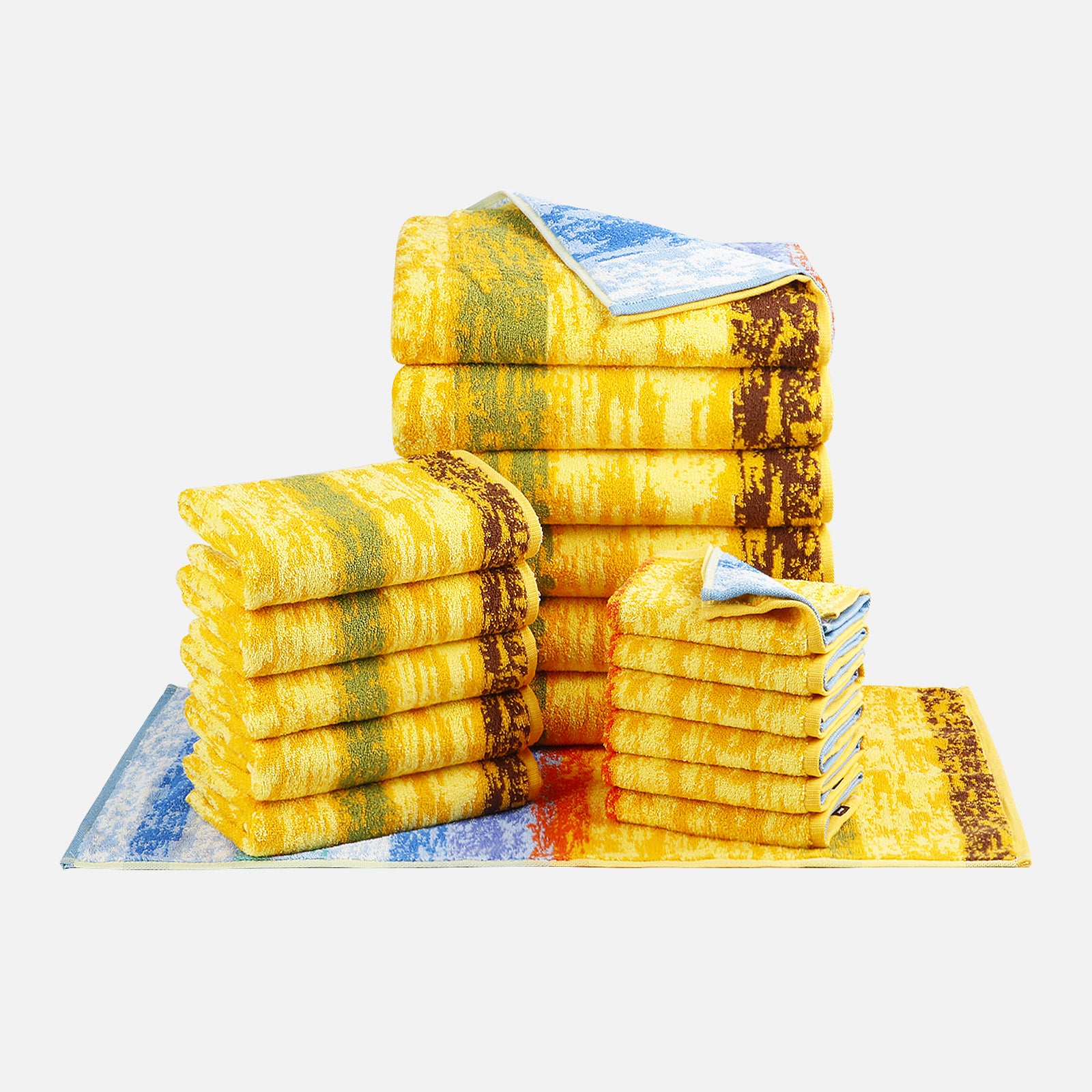
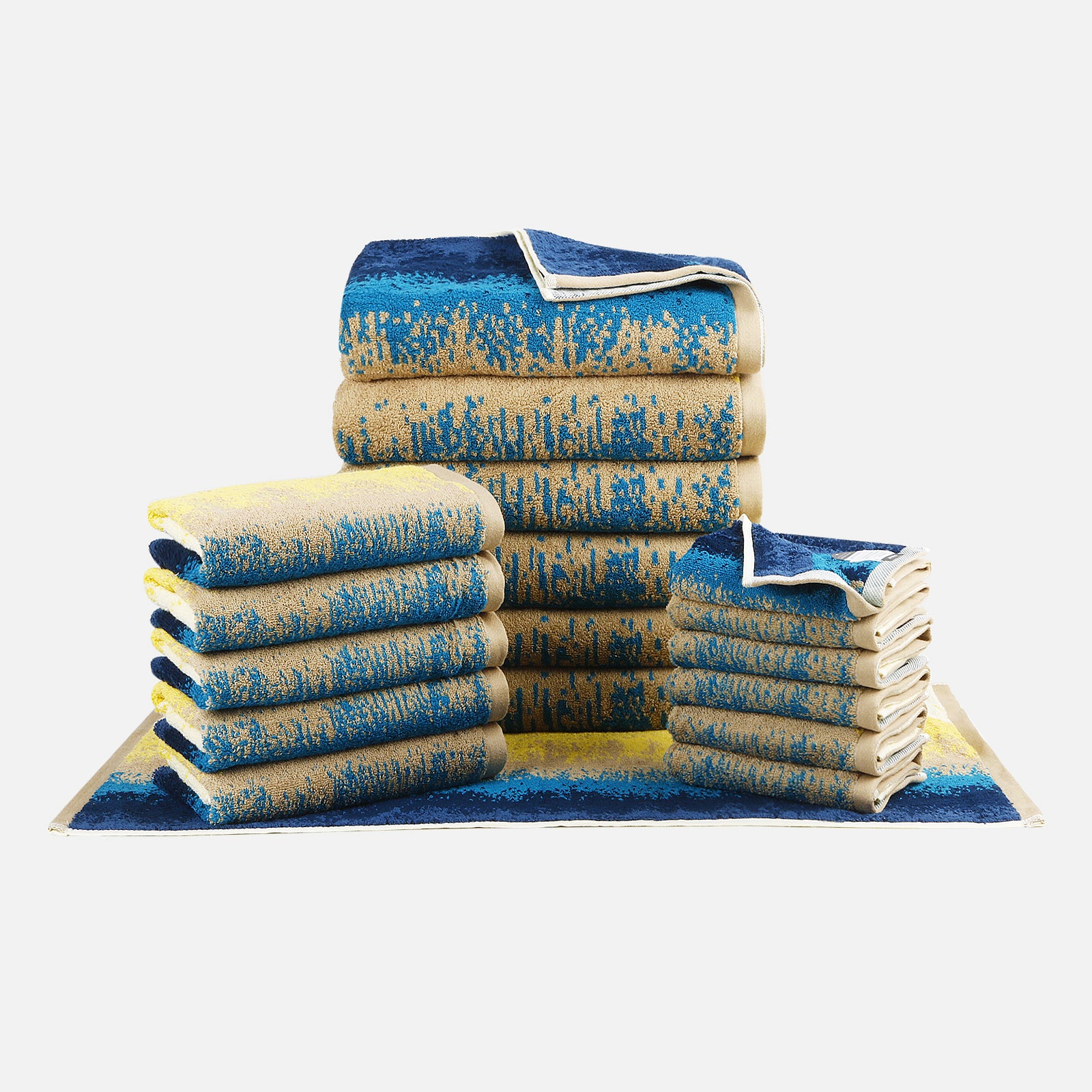
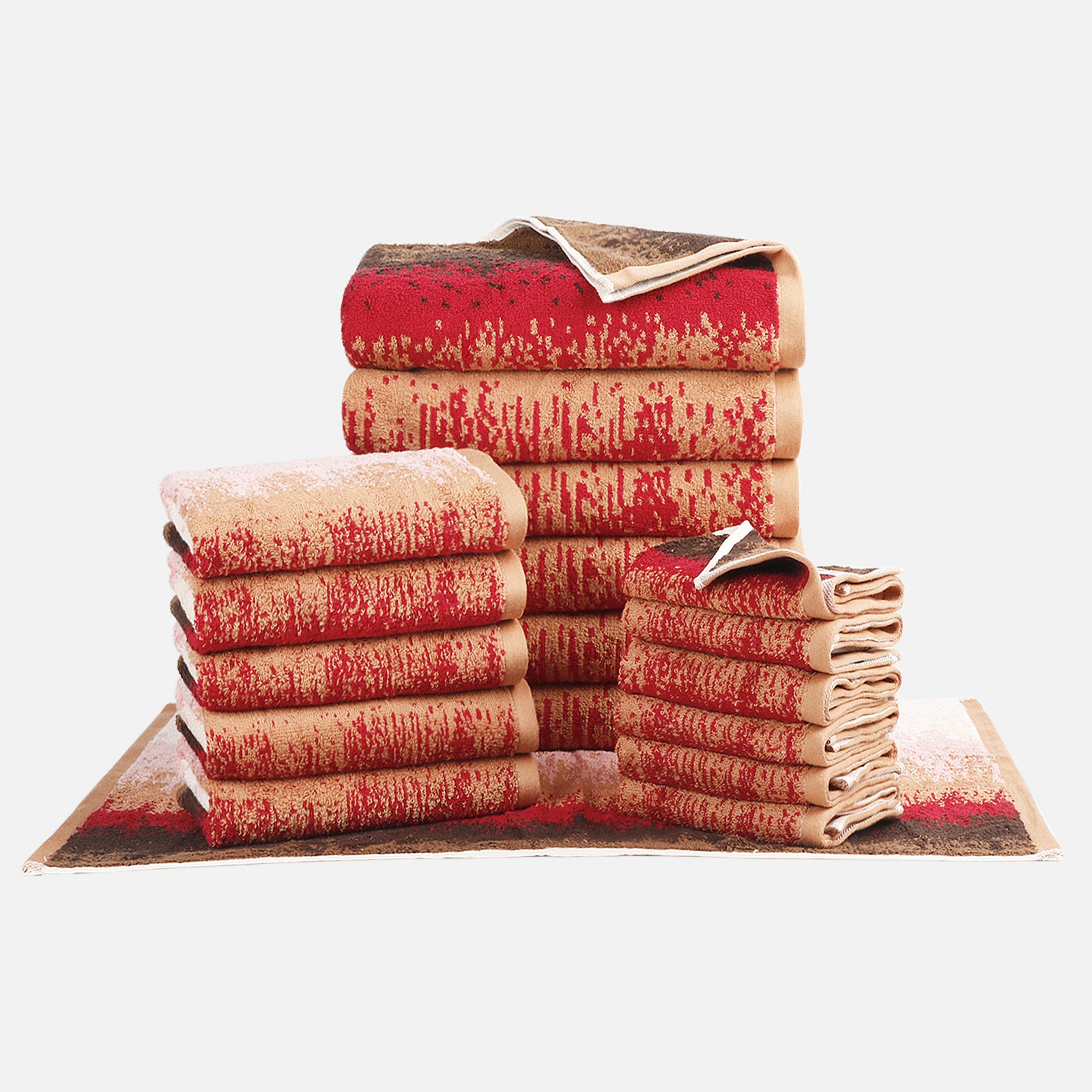
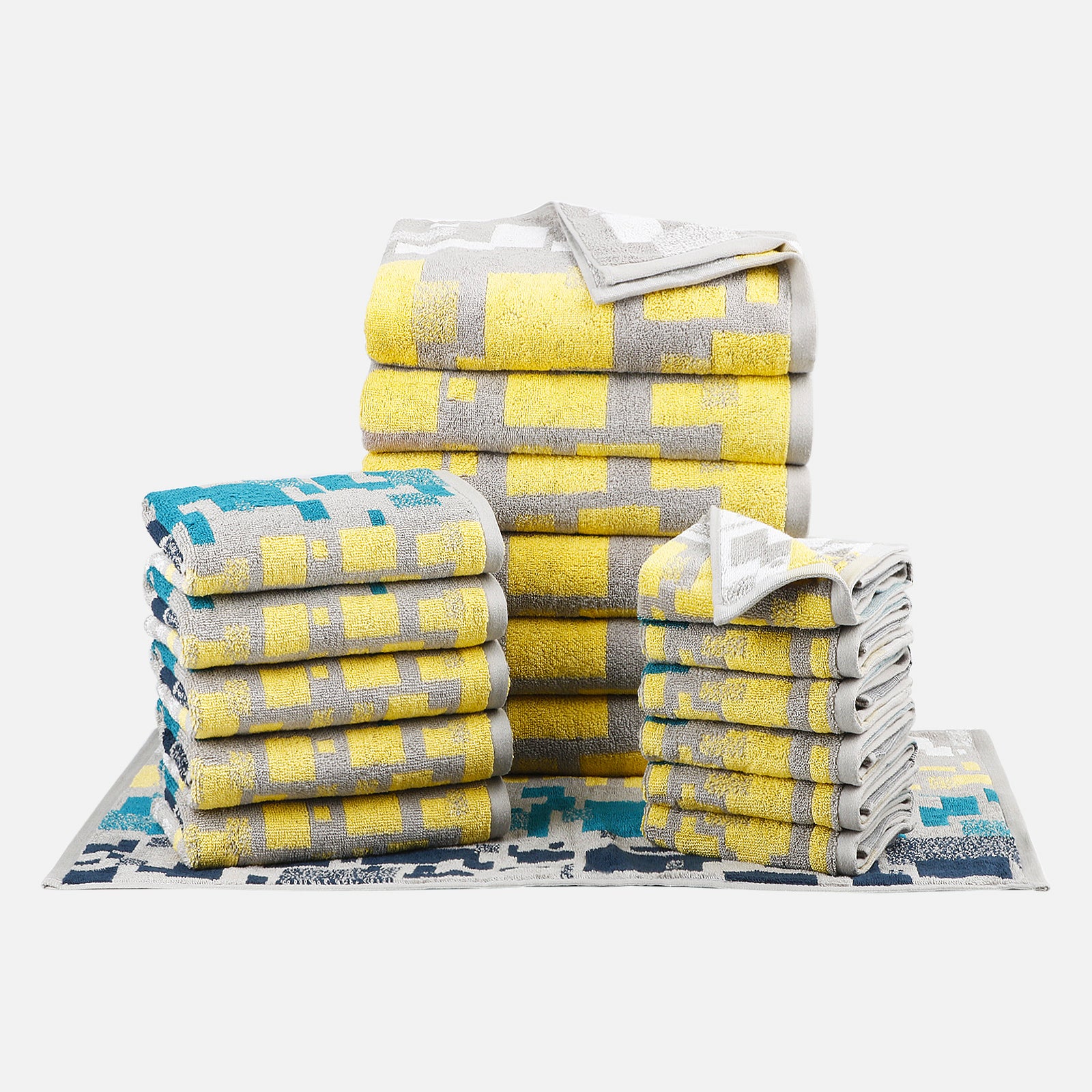
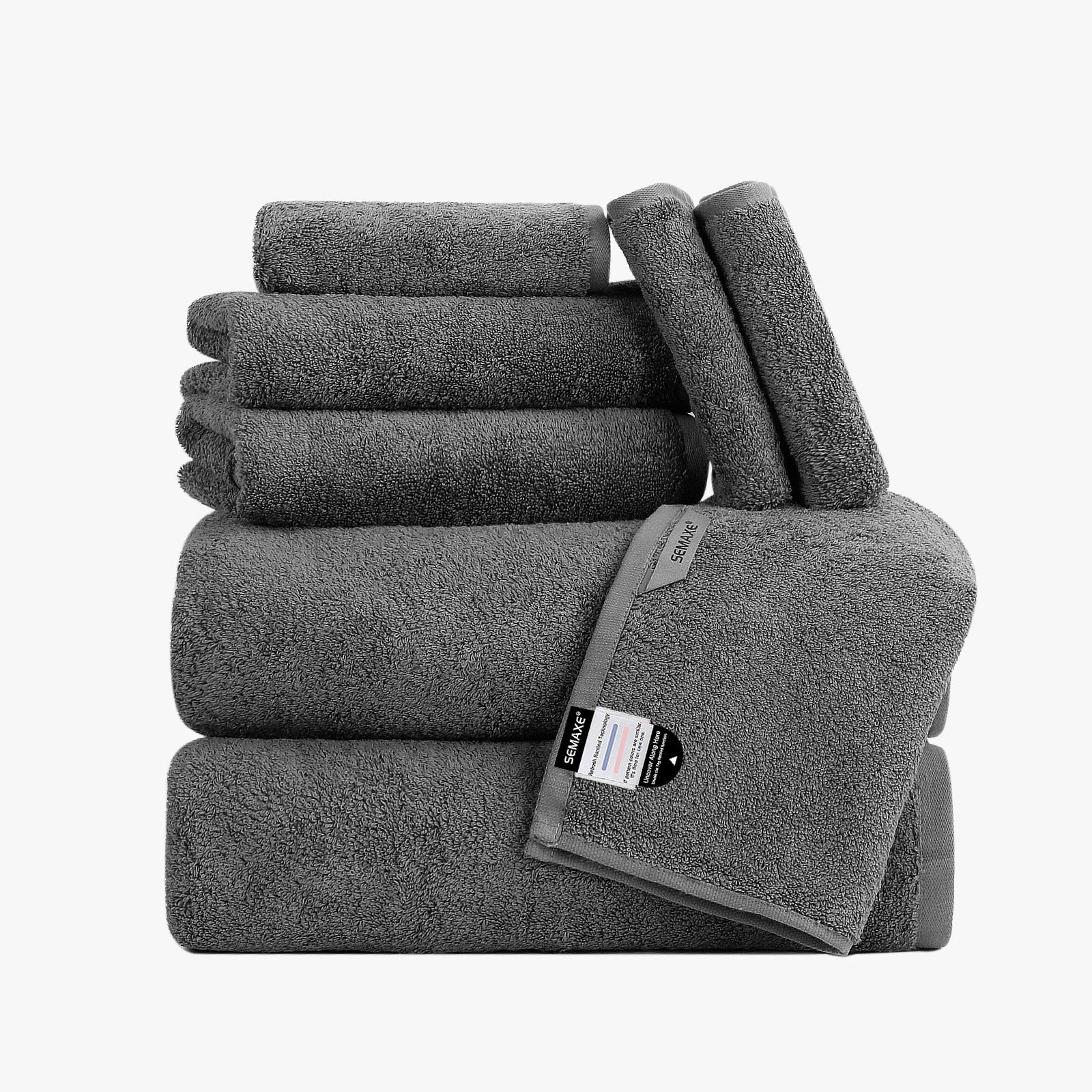
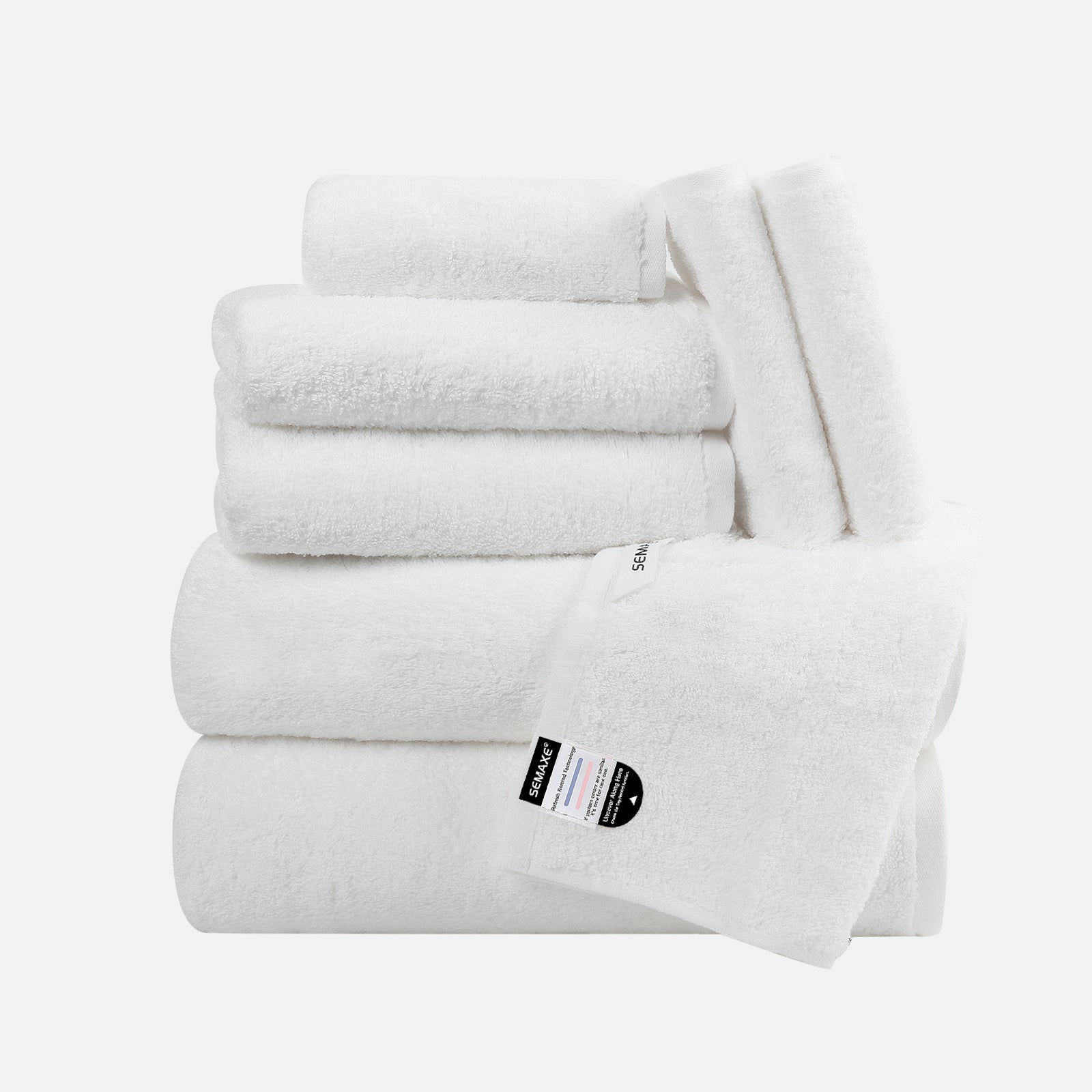
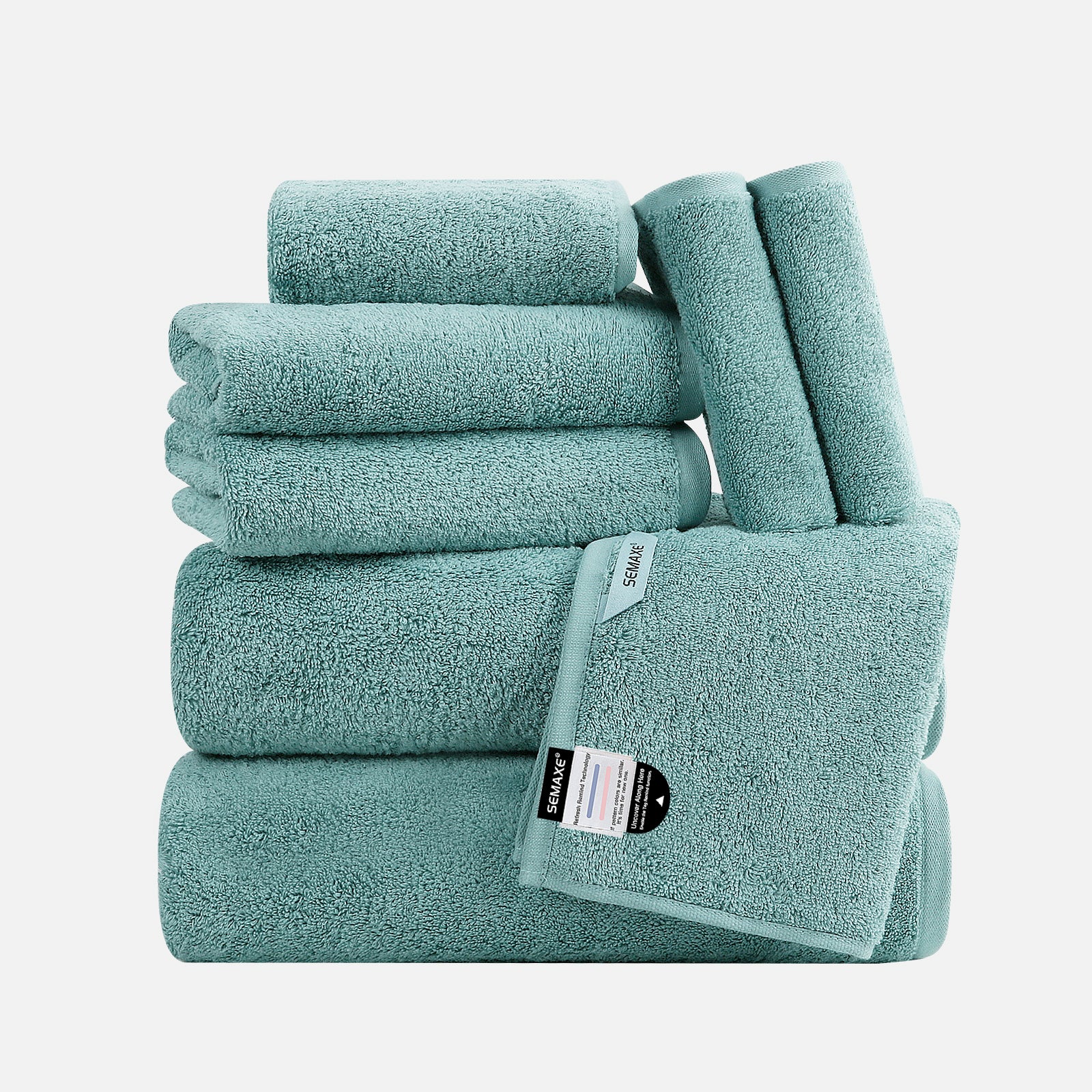
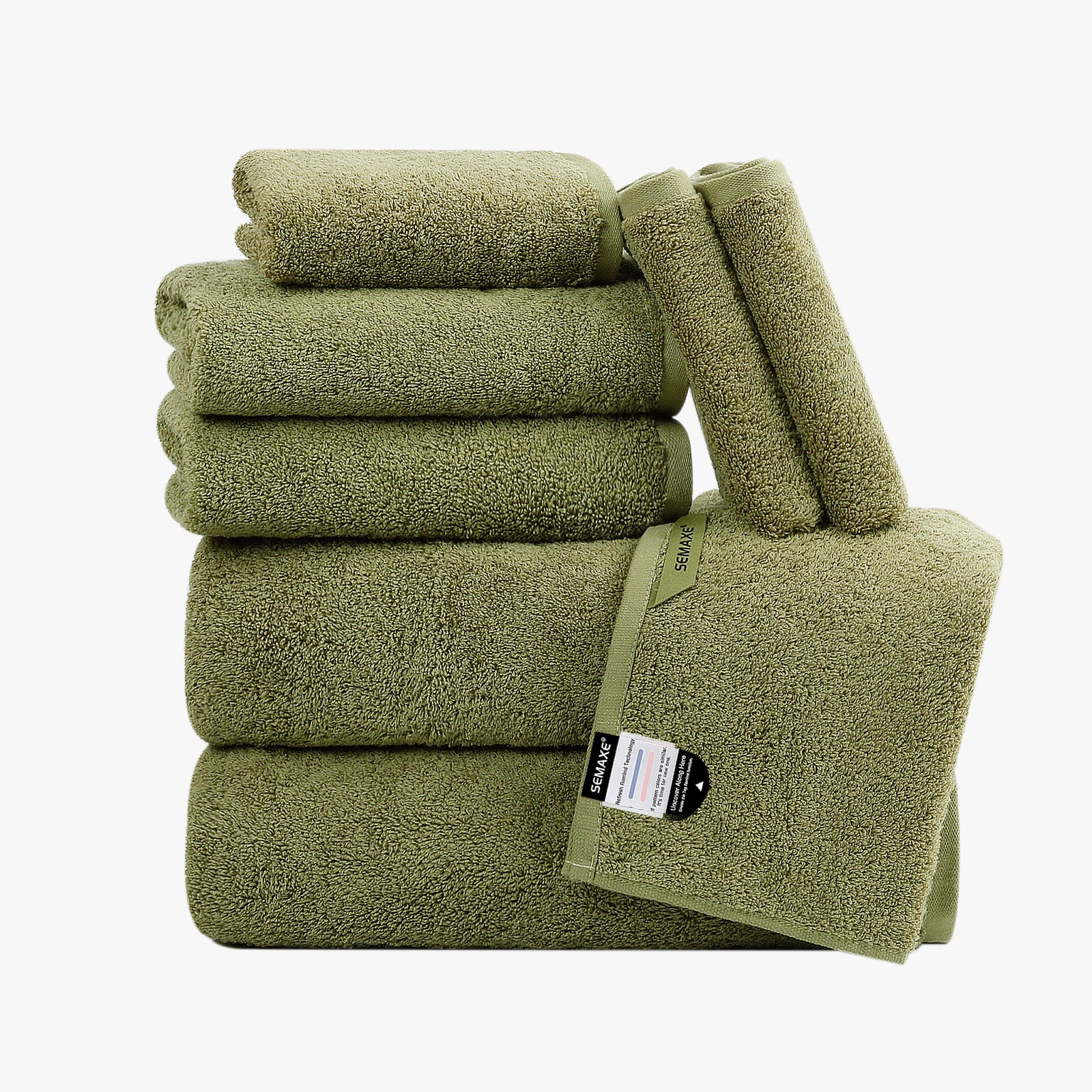
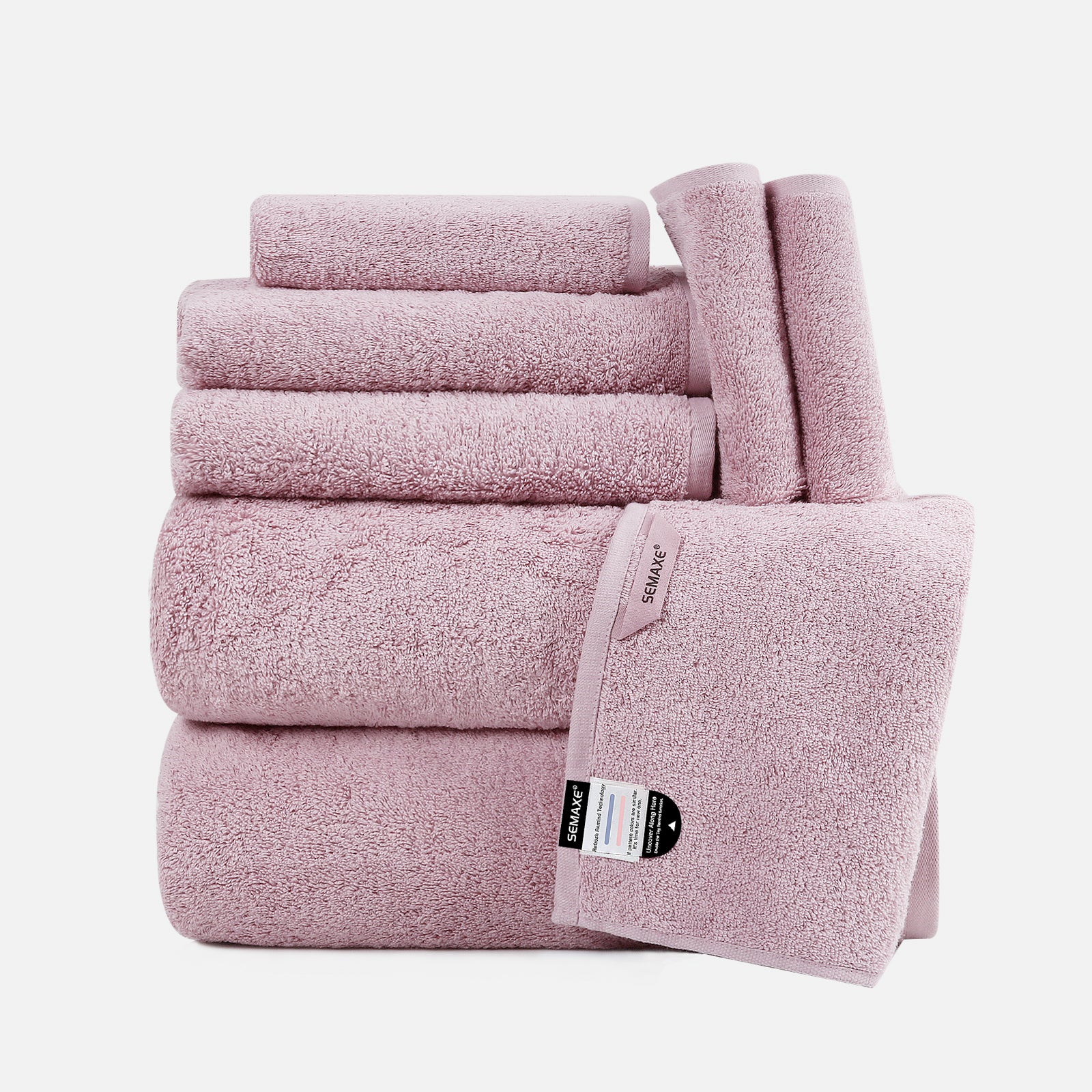
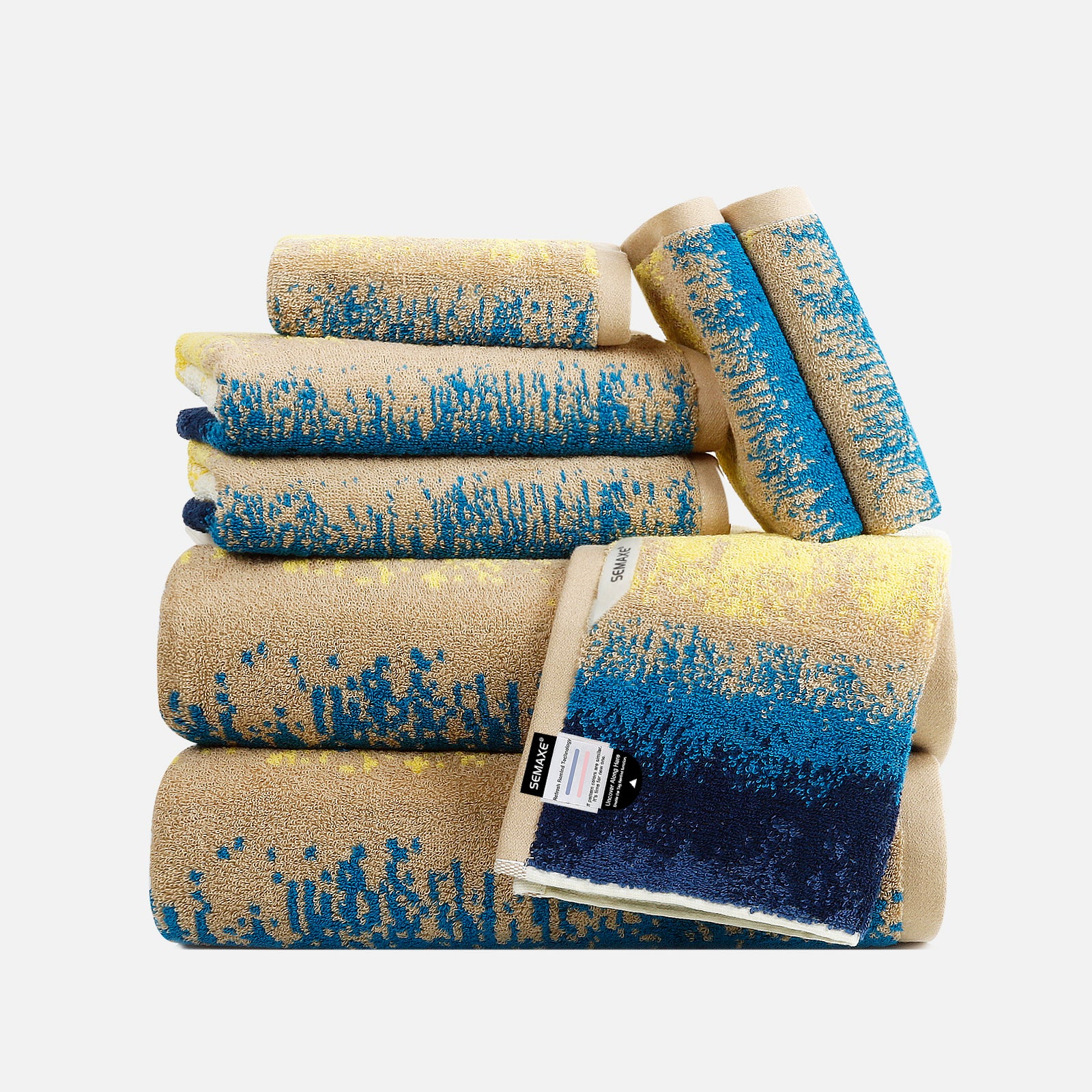
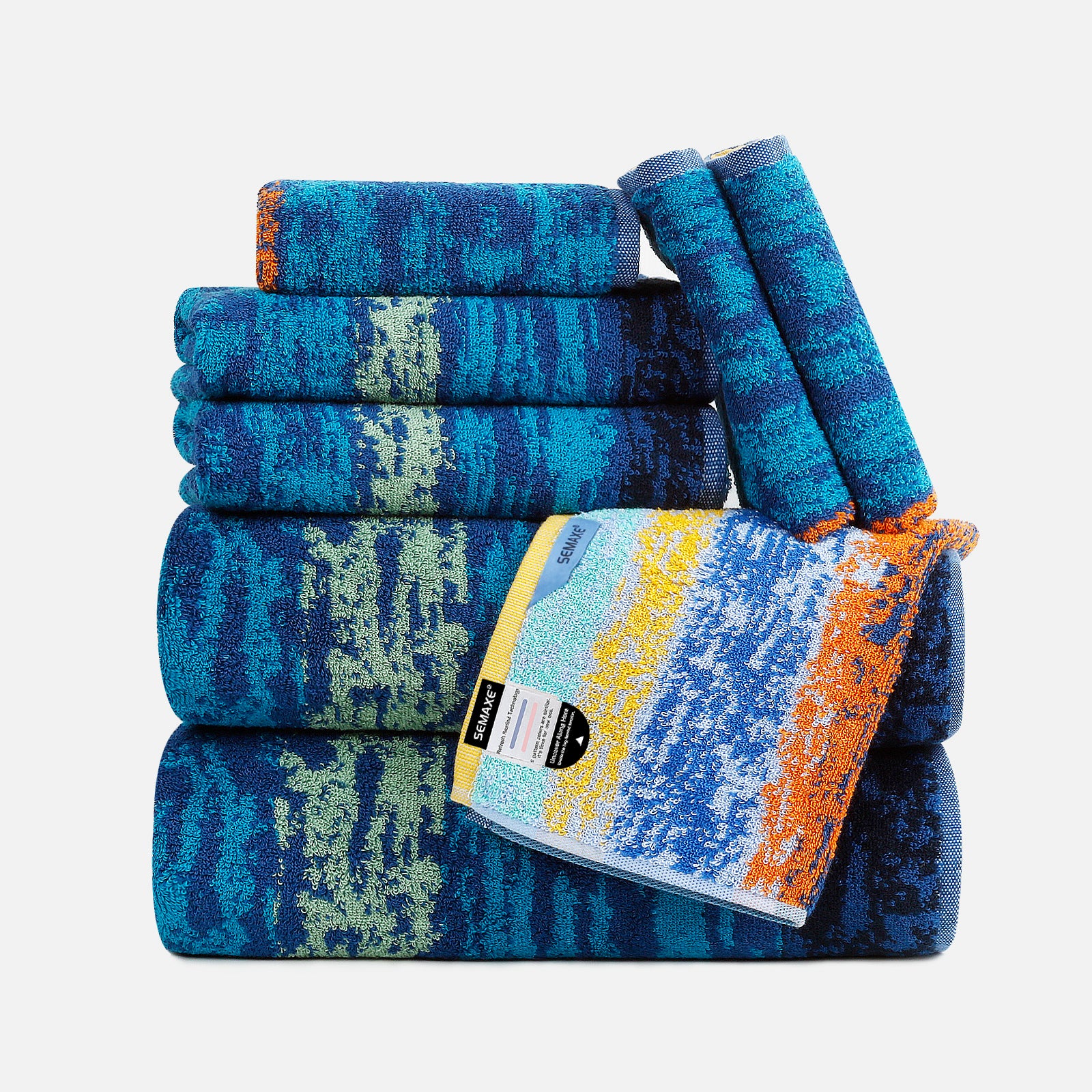
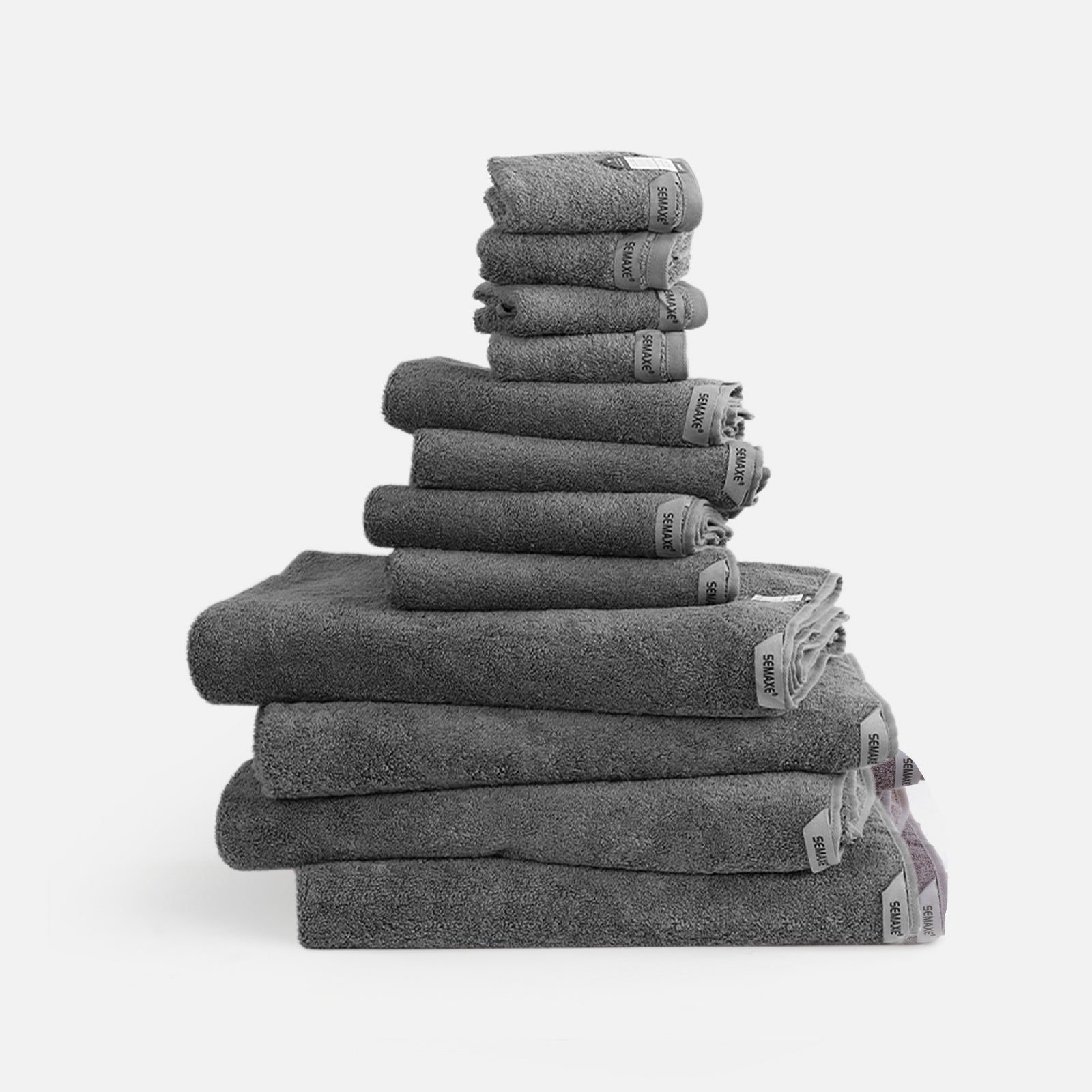
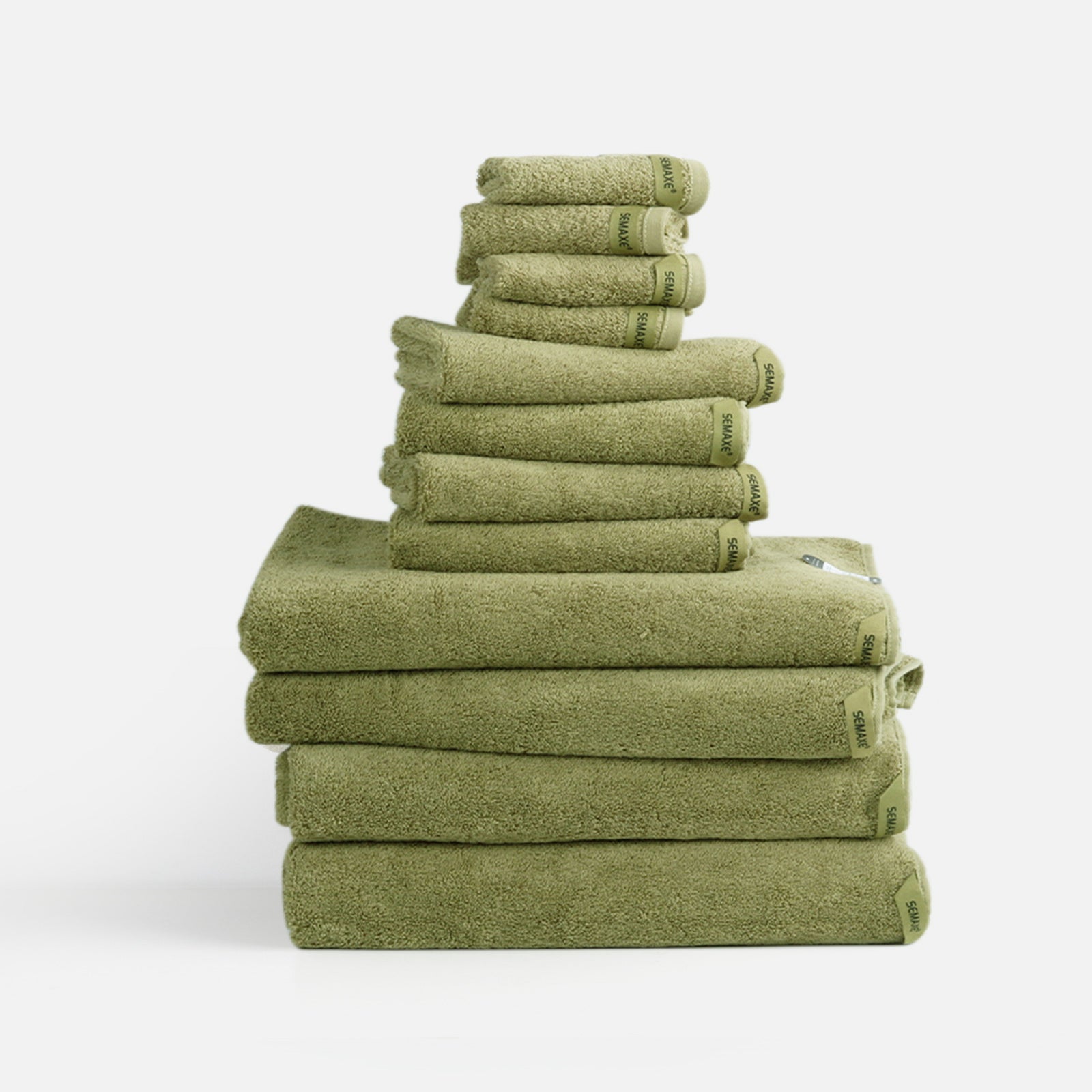
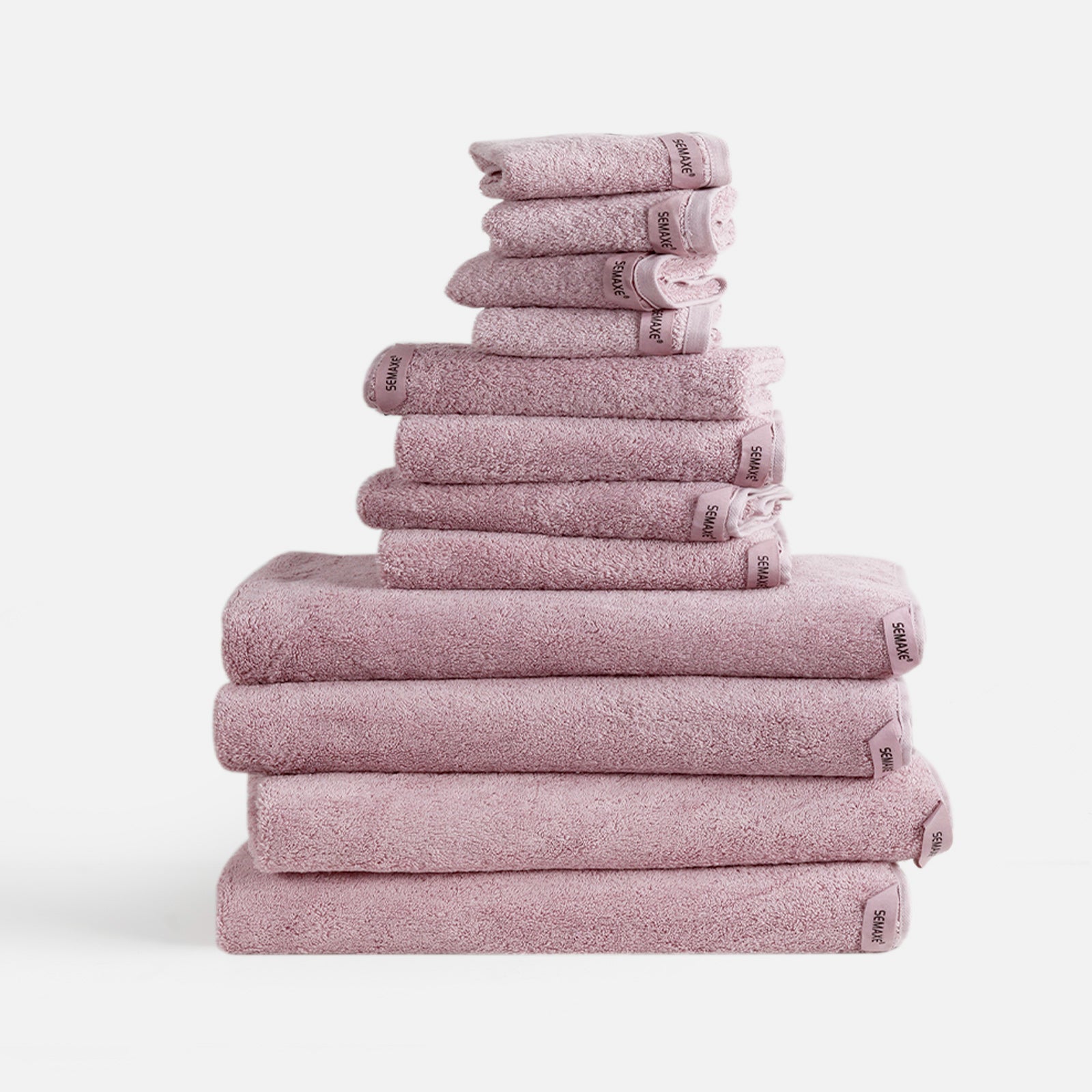
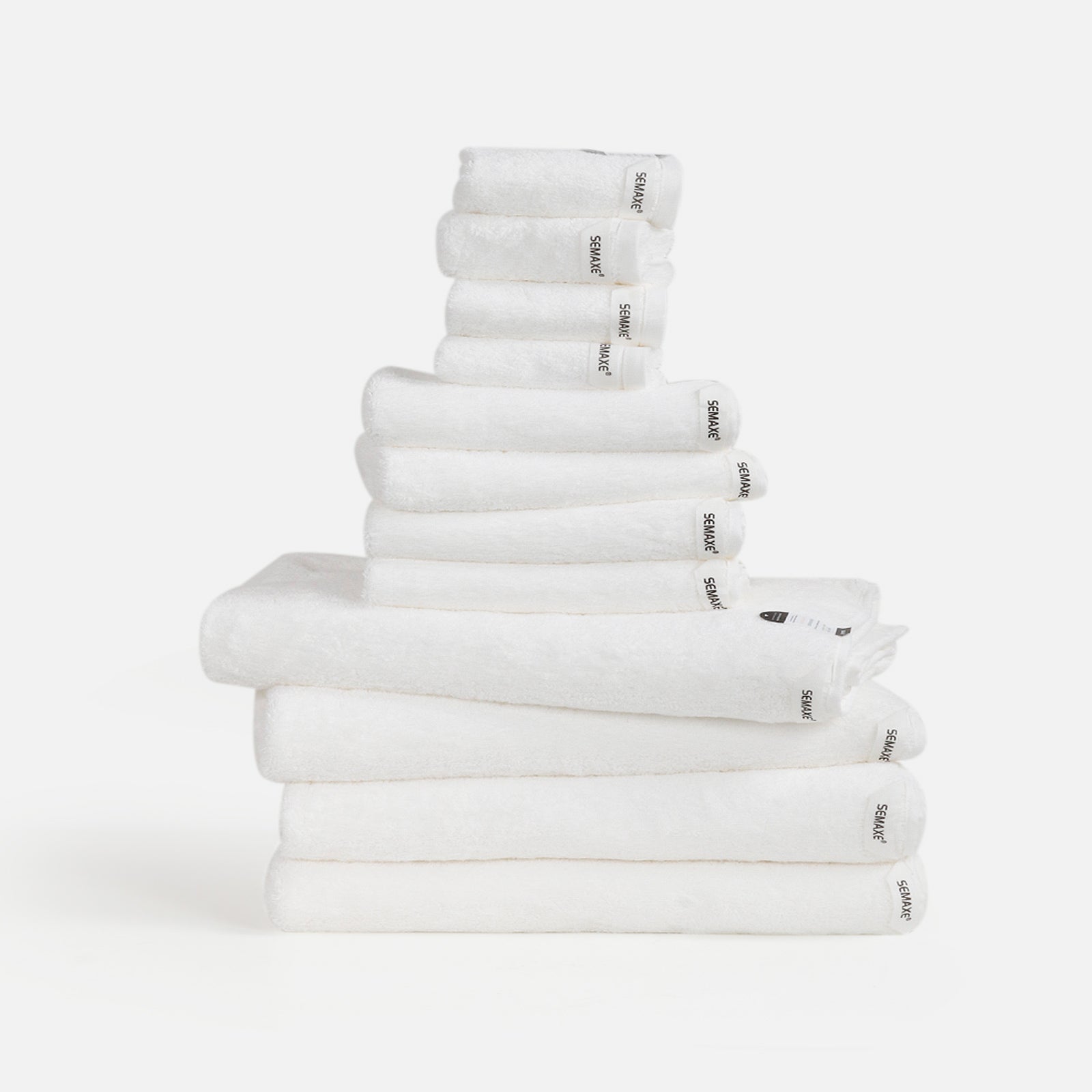
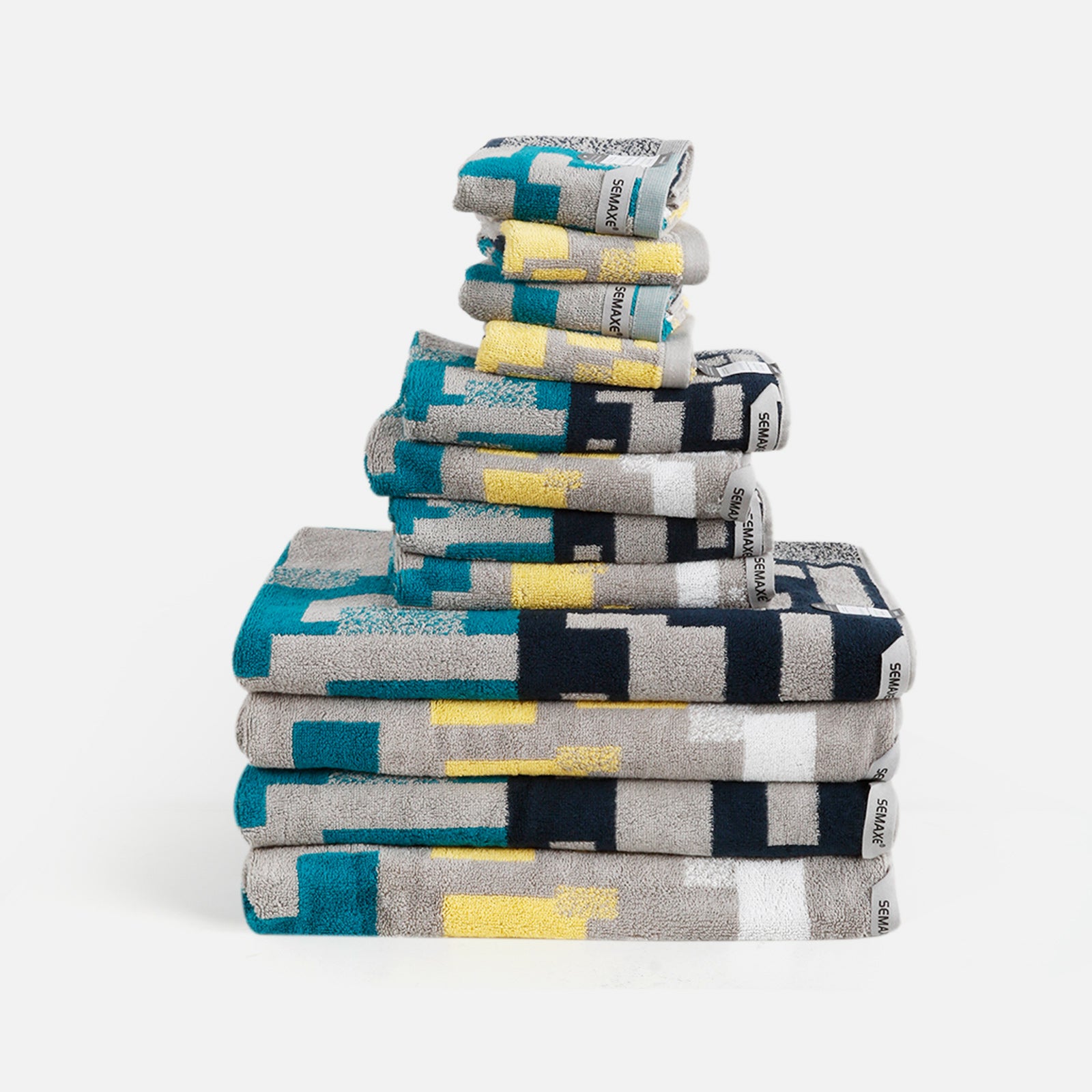
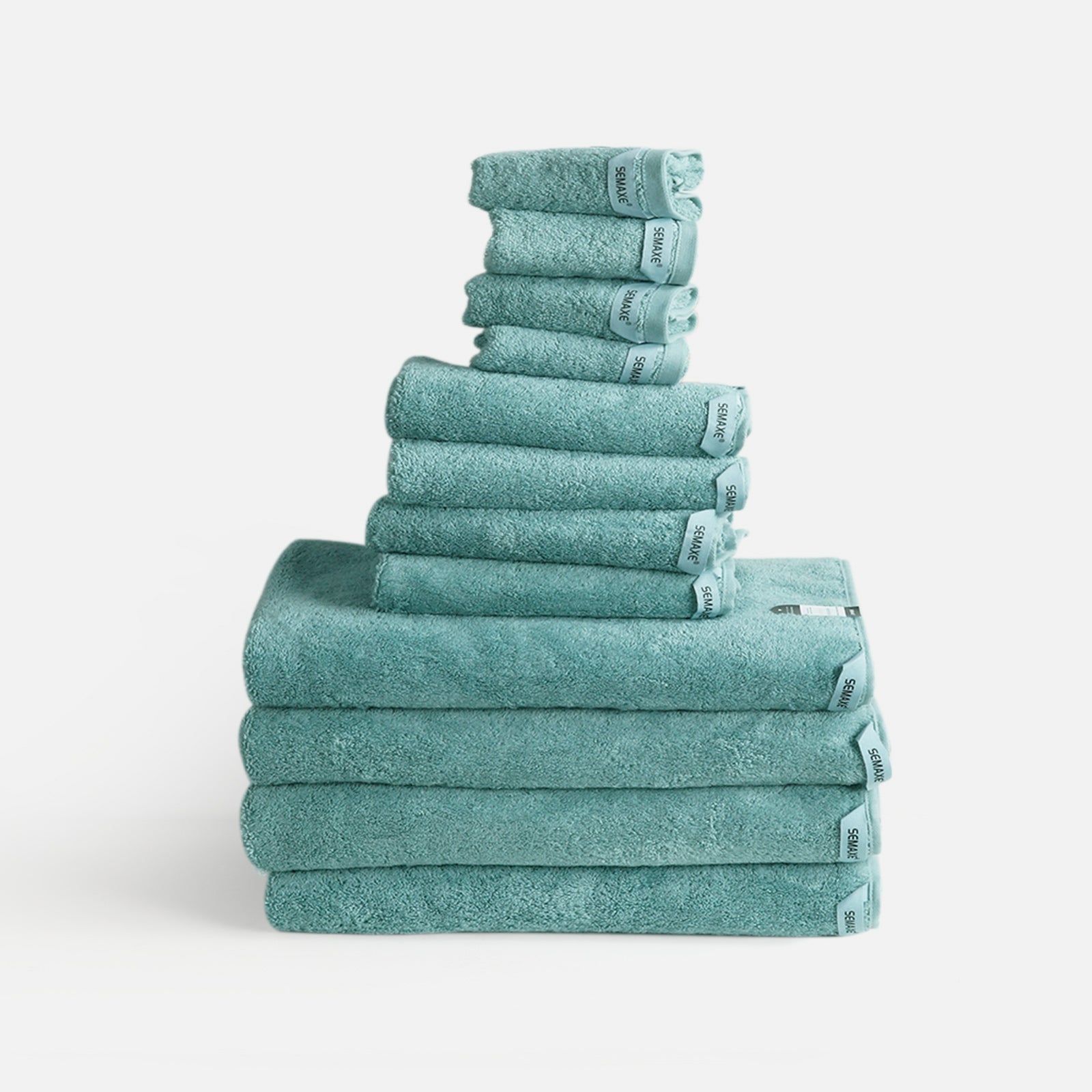
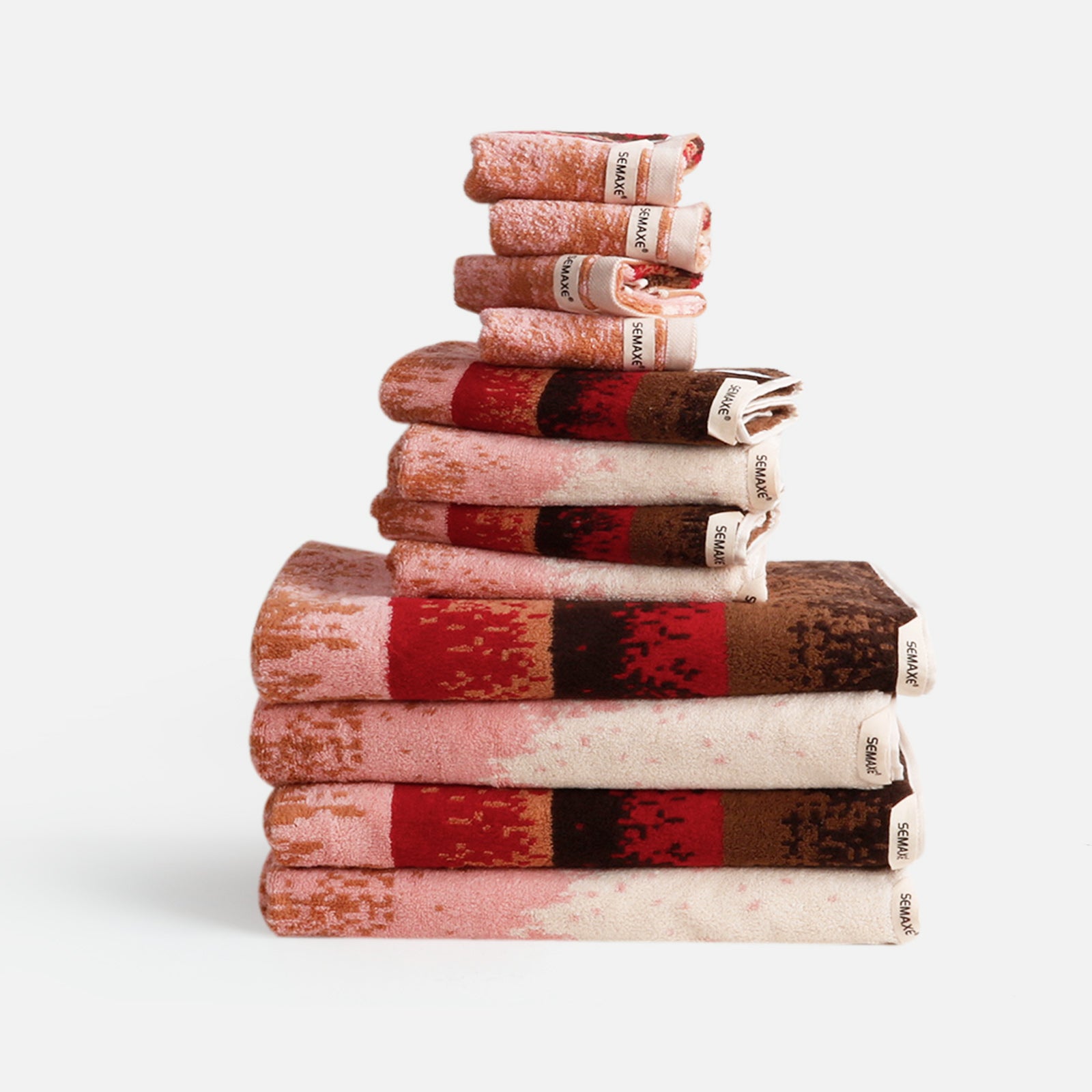
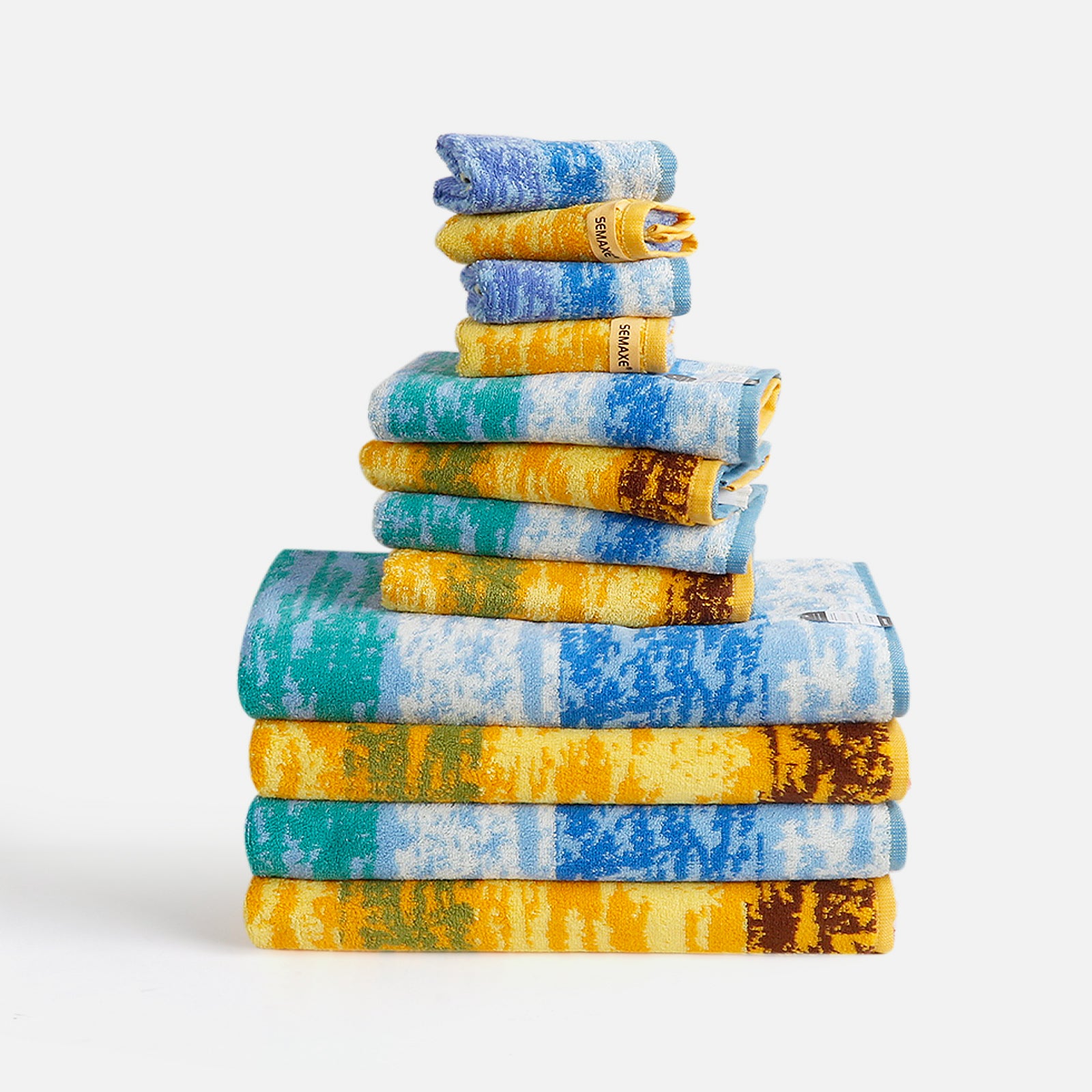
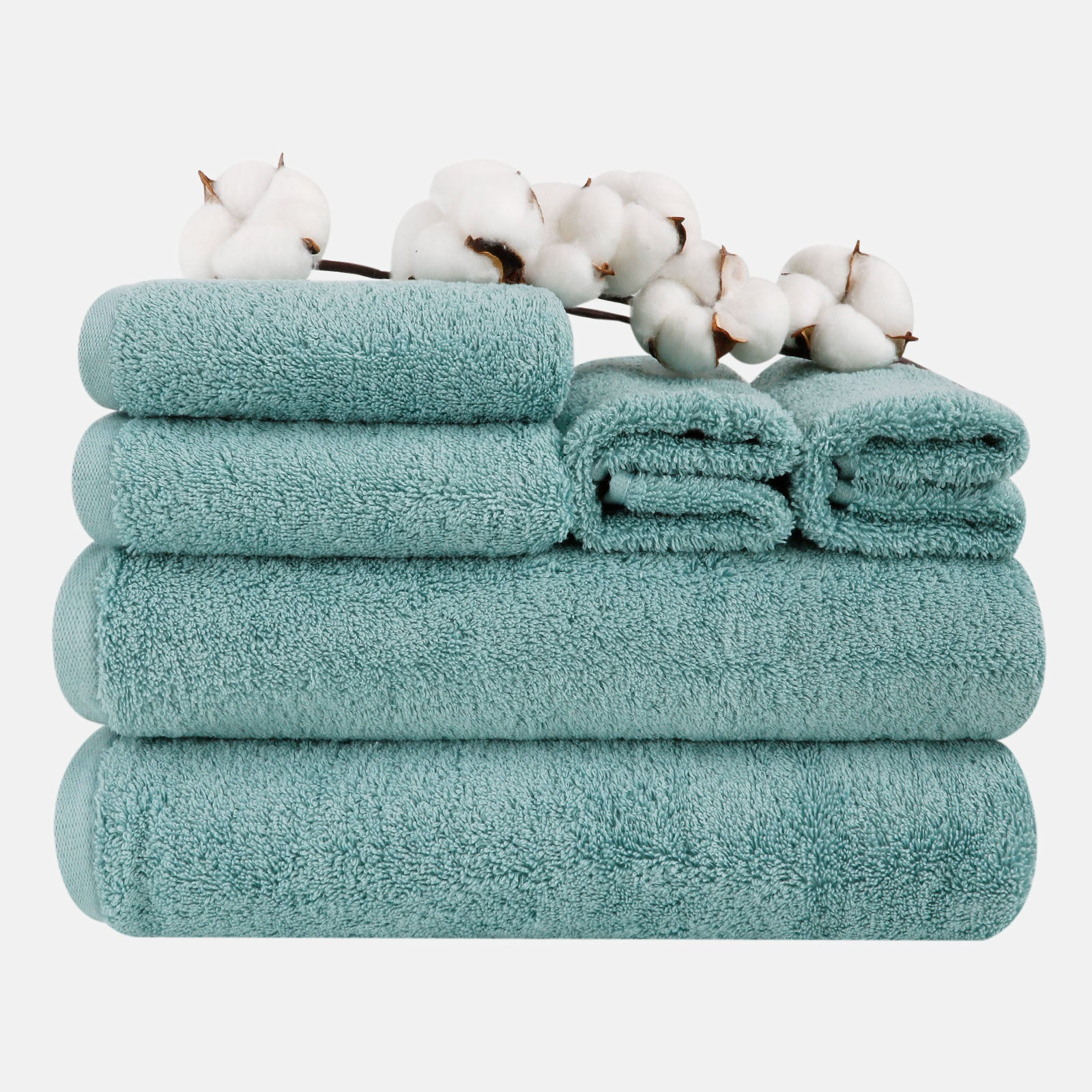
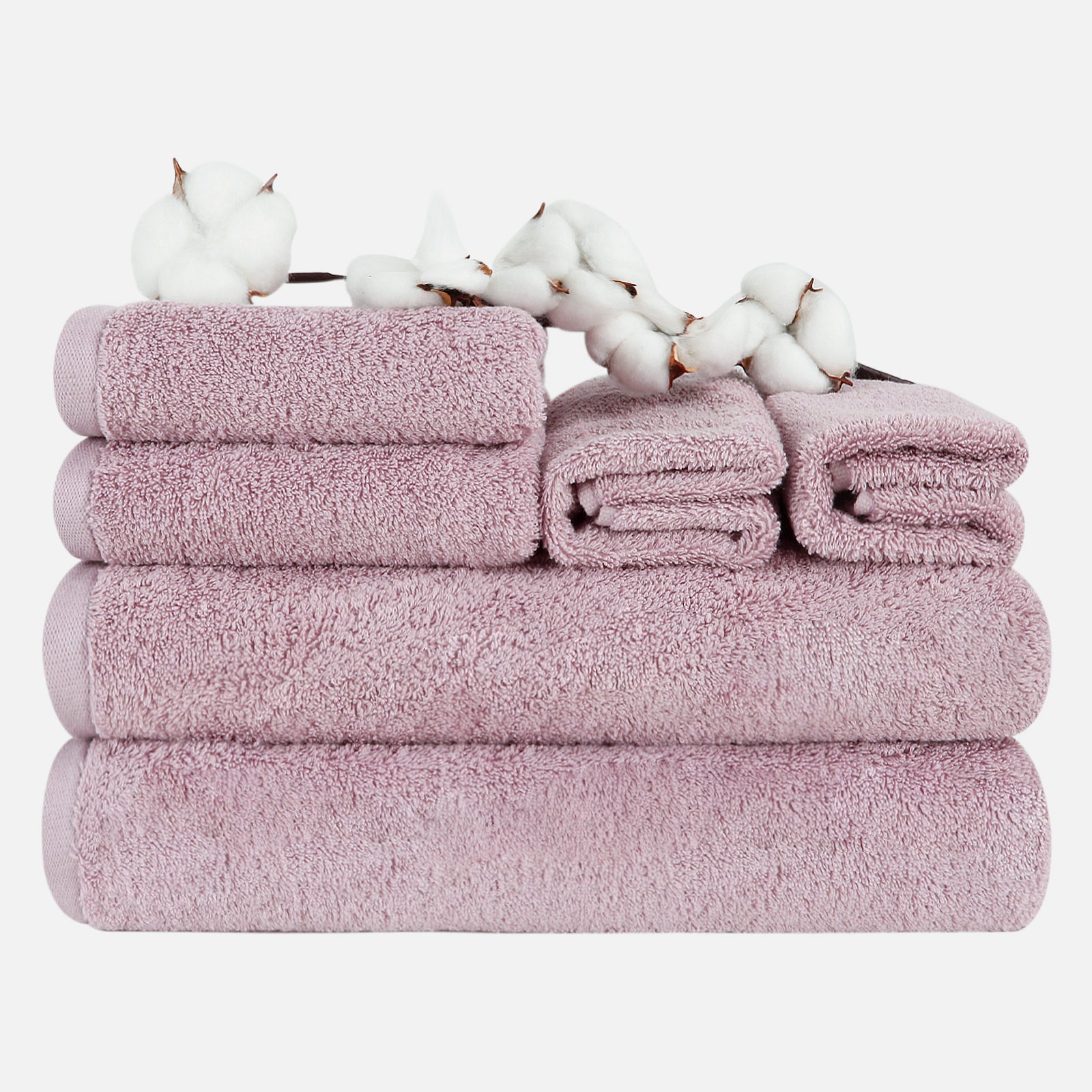
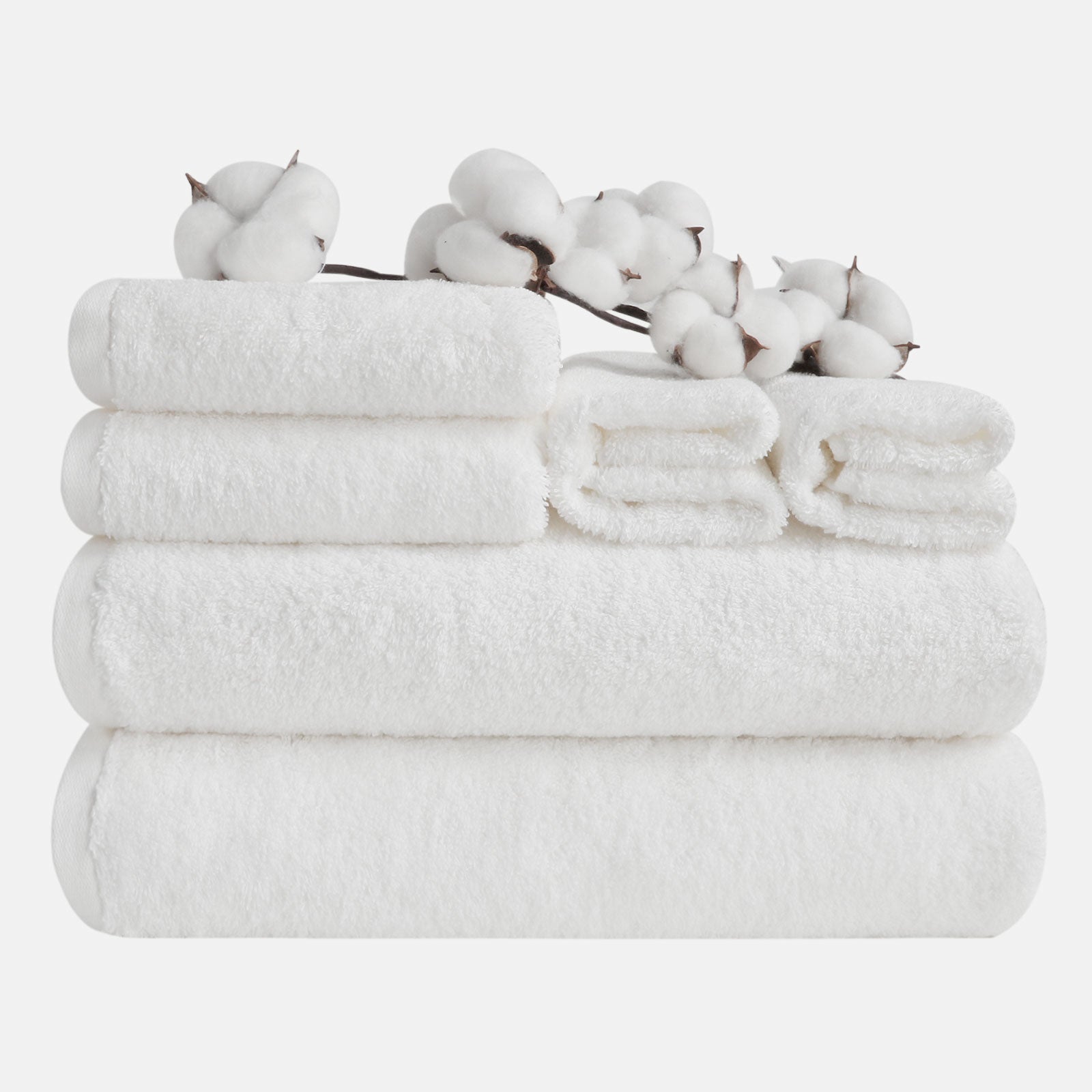
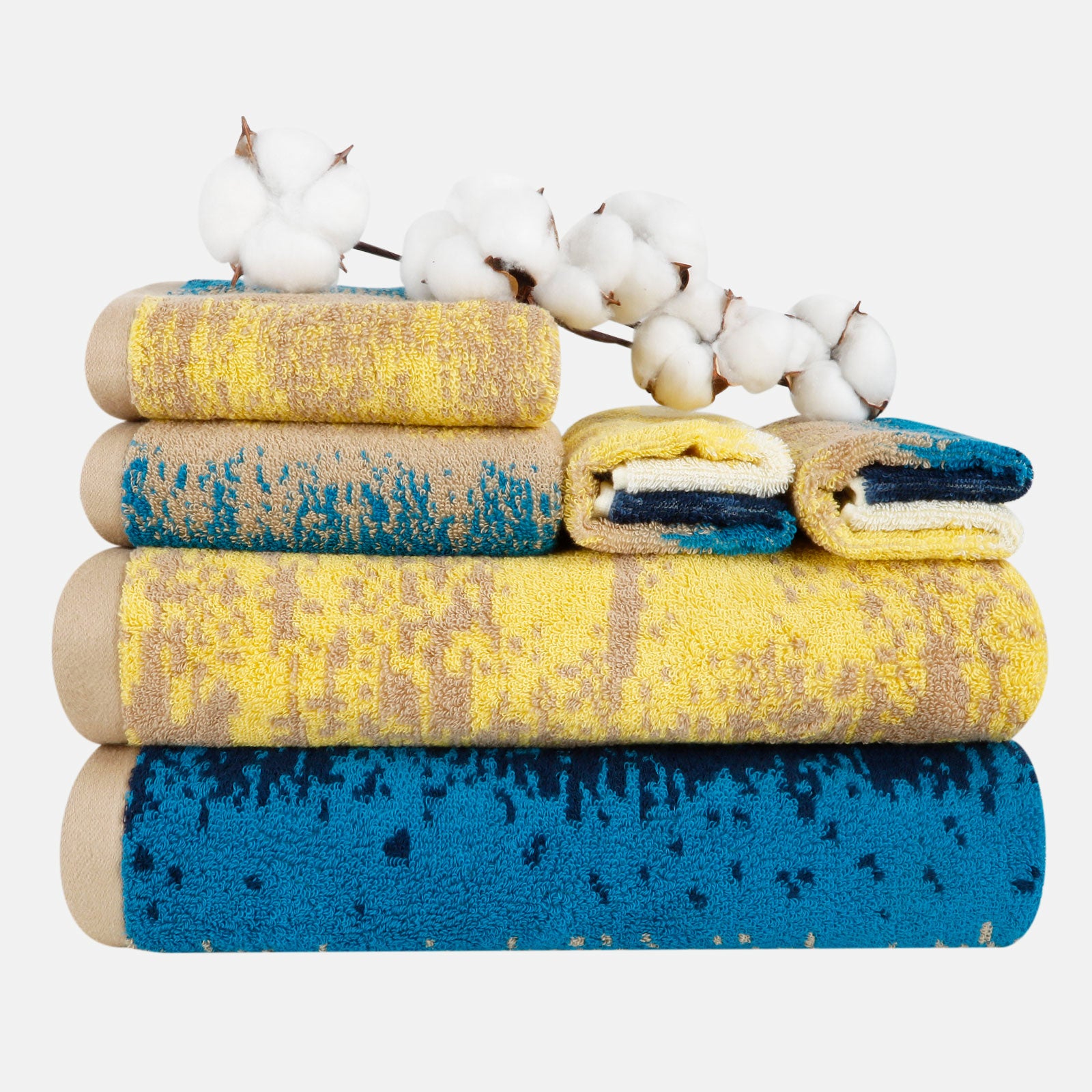
SEMAXE towels are crafted from 100% natural cotton, carefully selected for its purity, breathability, and exceptional water-absorbing capacity. We believe that the simple, honest qualities of natural cotton — its softness, its durability, its ability to wick moisture — create the best possible bathing experience. No synthetic shortcuts, no questionable blends: just pure, natural comfort.
Key Takeaways:
-
Cotton has been trusted for 8,000 years for its softness, absorbency, and durability
-
Premium cotton quality comes from longer staple fibers — look for extra-long staple varieties
-
Bamboo is soft and eco-friendly but may be less durable over many wash cycles
-
Microfiber is best for travel and sports, not everyday bath use
-
Linen is strong and quick-drying but has a different texture from plush cotton terry
-
For daily bath towels, 100% natural long-staple cotton remains the gold standard