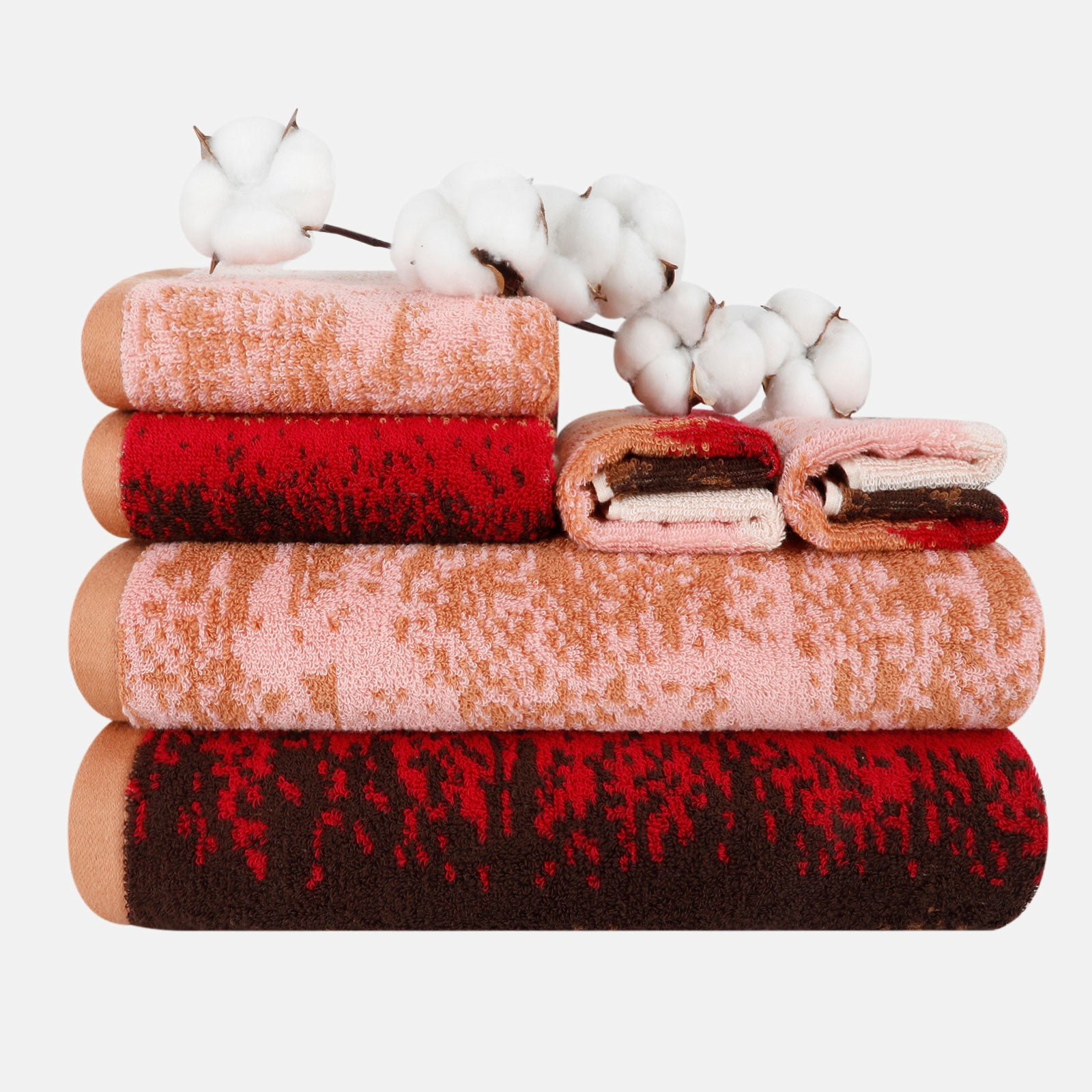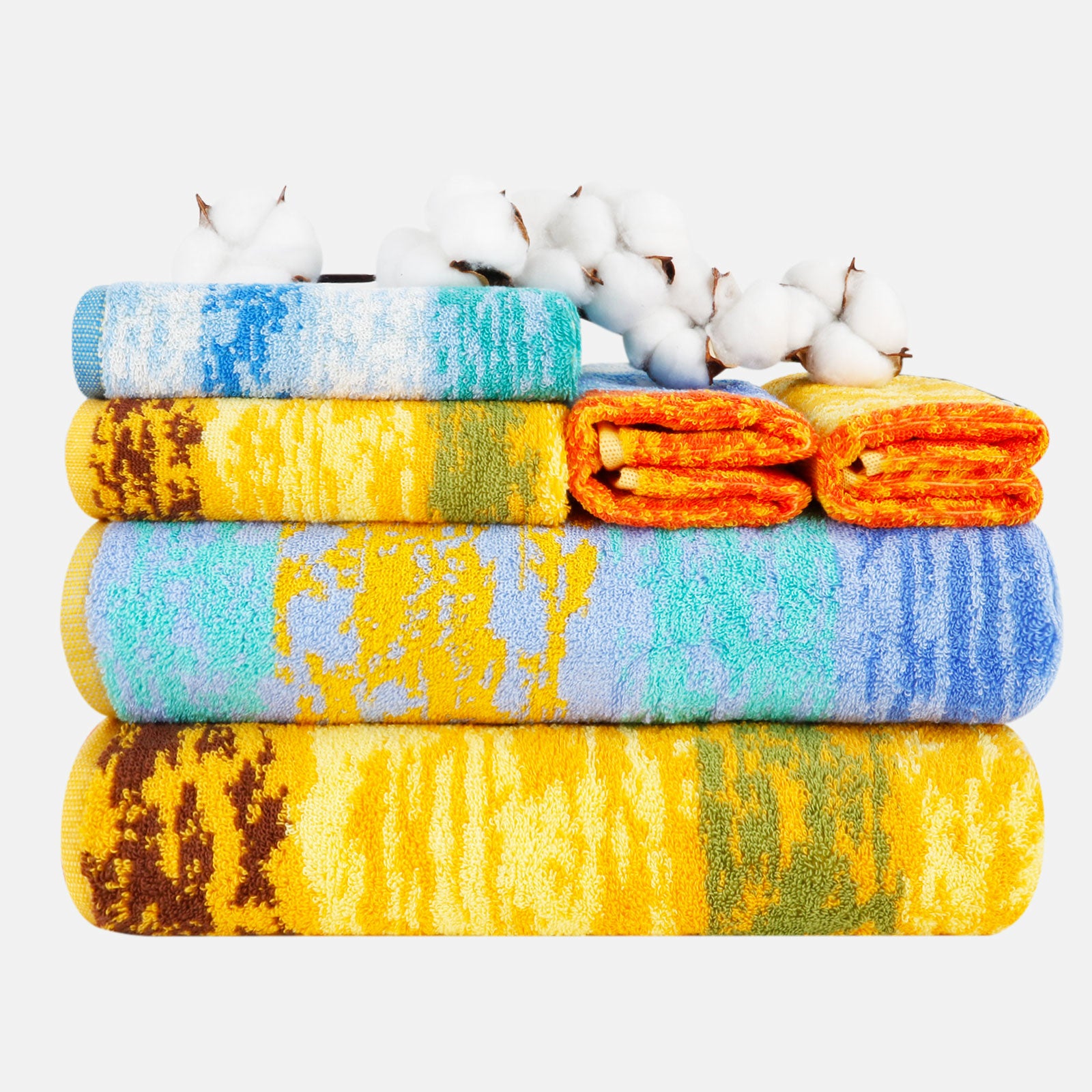


Meta Description: Proper towel storage prevents odors, maintains absorbency, and extends the life of your towels. Learn the dos and don'ts of folding, hanging, and storing.
Content:
You've washed your towels perfectly and dried them to ideal fluffiness. But what happens next — how you store your towels between uses — matters just as much as how you launder them. Improper storage is one of the most overlooked causes of musty odors, reduced absorbency, and premature wear. This guide covers everything you need to know about storing towels correctly.
The Golden Rule: Never Store a Damp Towel
This is the single most important rule of towel storage, yet it's the one most frequently broken. Placing a damp towel into a closet, drawer, or any enclosed space creates the perfect environment for bacterial growth. Bacteria and mold thrive in dark, moist, low-airflow conditions — exactly what you create when you fold a damp towel and put it away. The result is musty odors that are difficult to remove and, in severe cases, visible mildew spots.
Always allow your towel to dry completely before folding or storing it. After use, hang it fully spread out on a towel bar or drying rack in a well-ventilated area. This simple habit prevents 90% of odor-related towel problems.
Choosing the Right Storage Location
The ideal storage spot for clean, dry towels is:
-
Dry: No moisture in the air or on the surfaces
-
Well-ventilated: Air circulates freely
-
Cool to moderate temperature: Avoid excessive heat
-
Clean: Free from dust, dirt, and debris
Where should you avoid storing towels?
-
Damp or humid spaces such as bathrooms without exhaust fans and basements
-
Enclosed cabinets without any airflow
-
Plastic bins or bags that trap moisture
-
Near sources of moisture like sinks or showers
-
Under sinks where pipes can leak or drip
If you must store towels in a bathroom cabinet — and most of us do — take precautions: ensure the cabinet has some ventilation (even small gaps help), keep the bathroom well-ventilated after showers, and consider using a dehumidifier if your bathroom is consistently humid.
How to Fold Towels for Storage
Folding is about more than just neatness. The way you fold affects how your towels behave in storage:
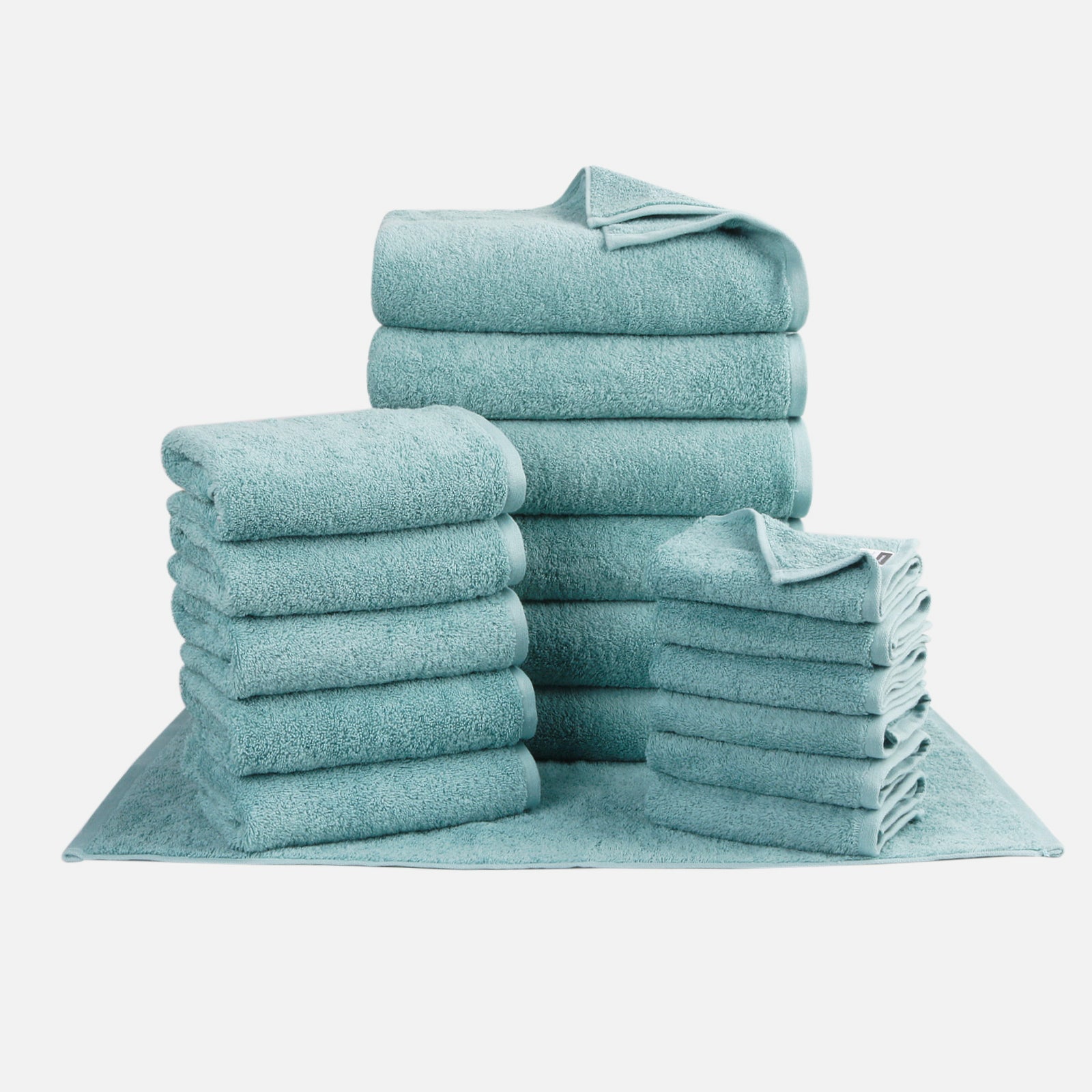
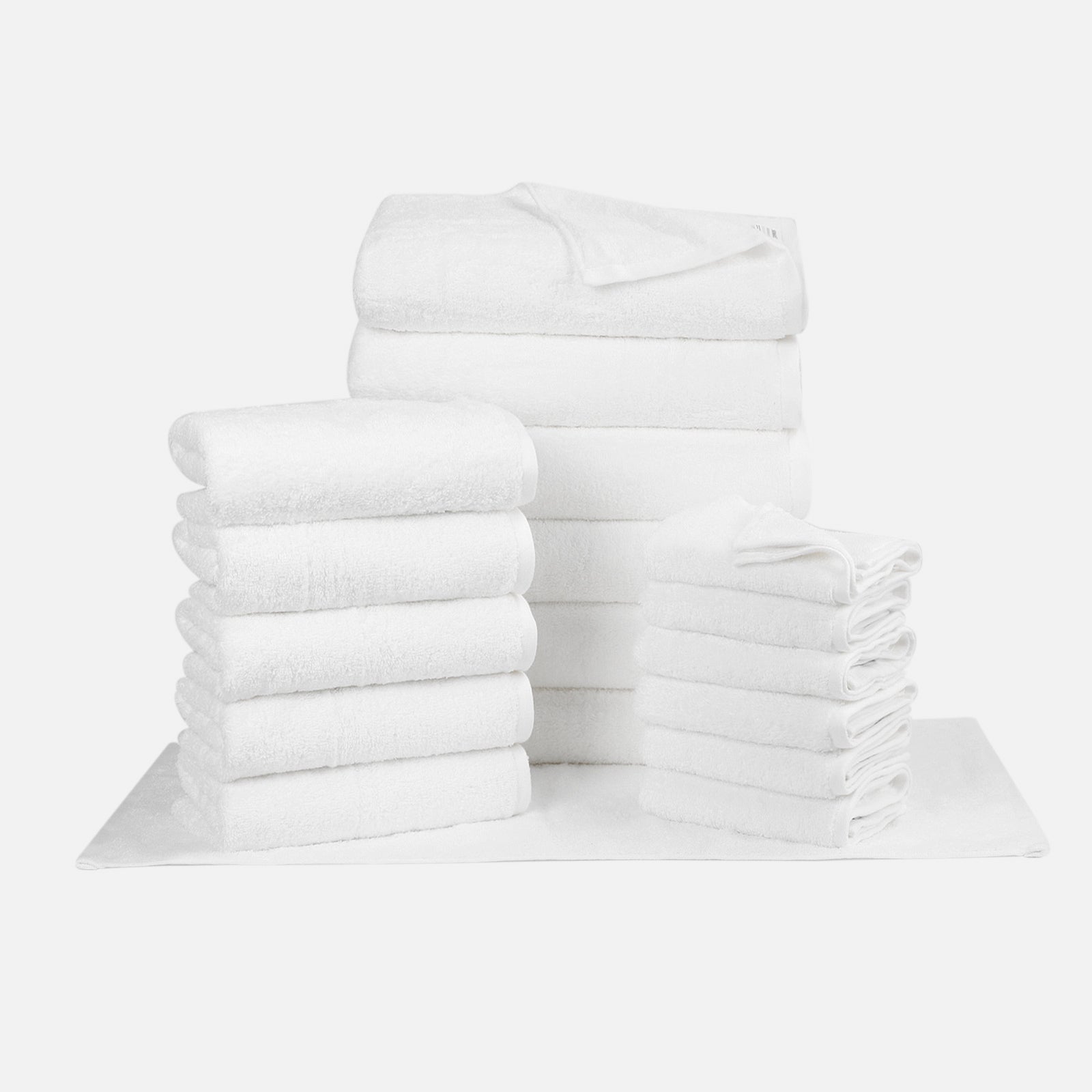
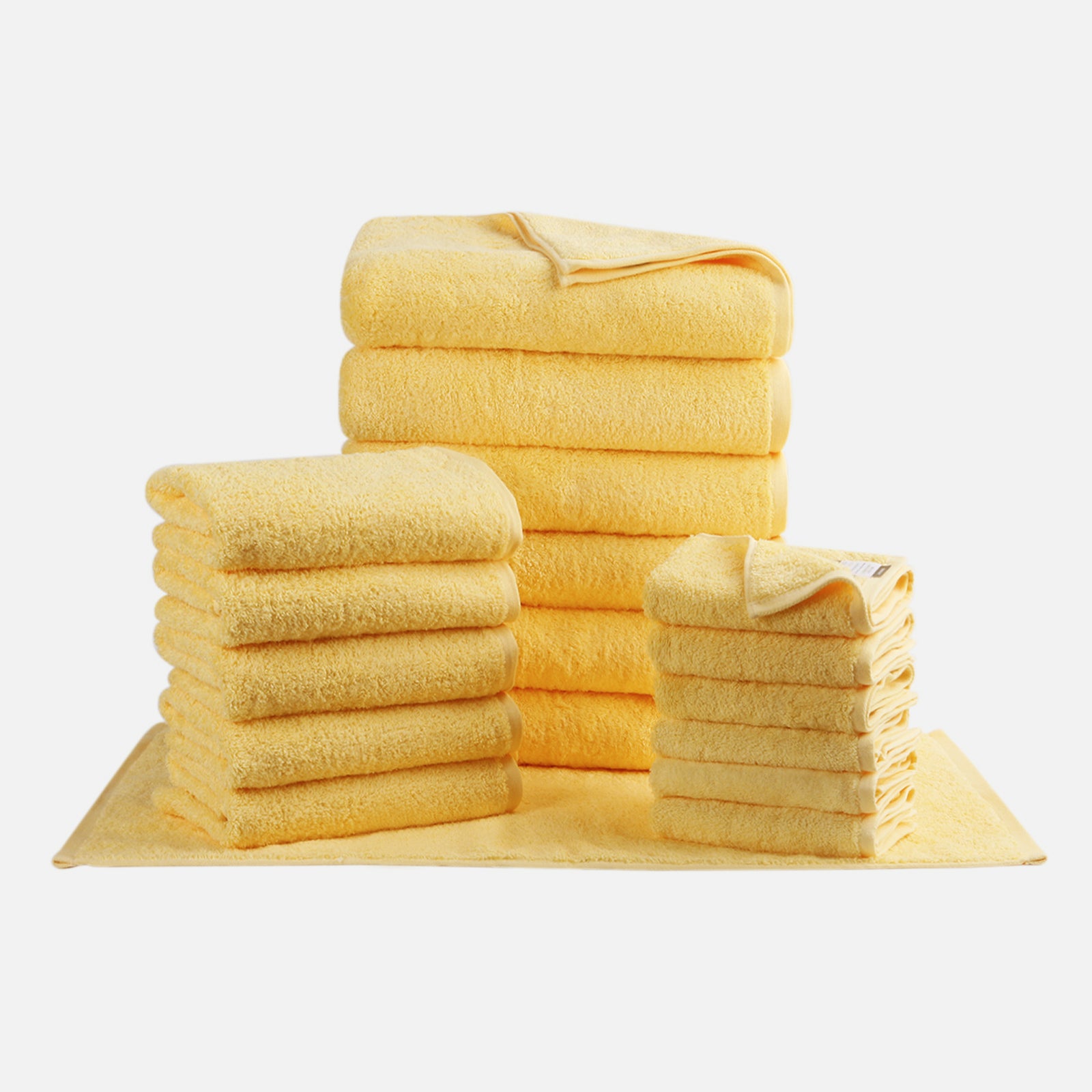
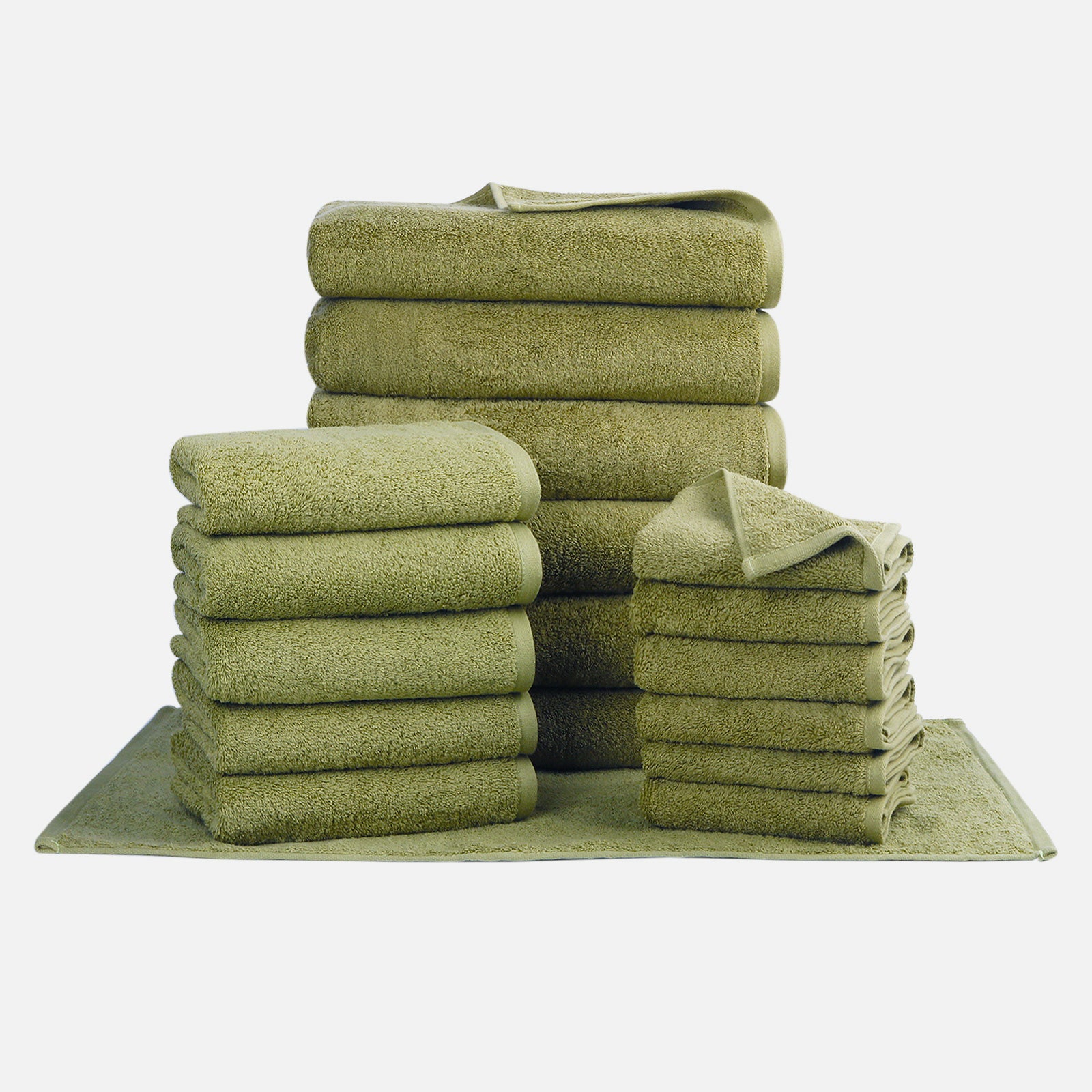
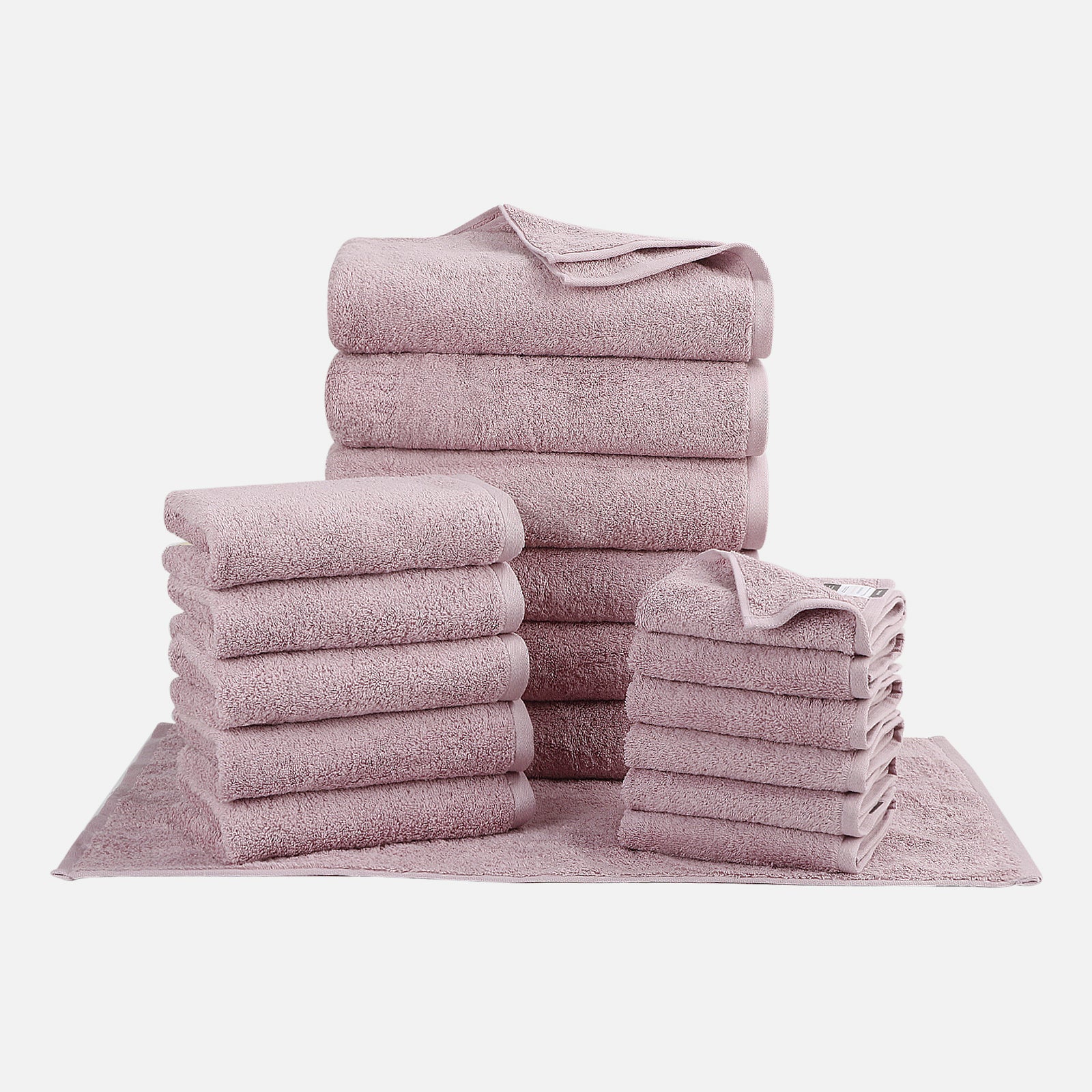
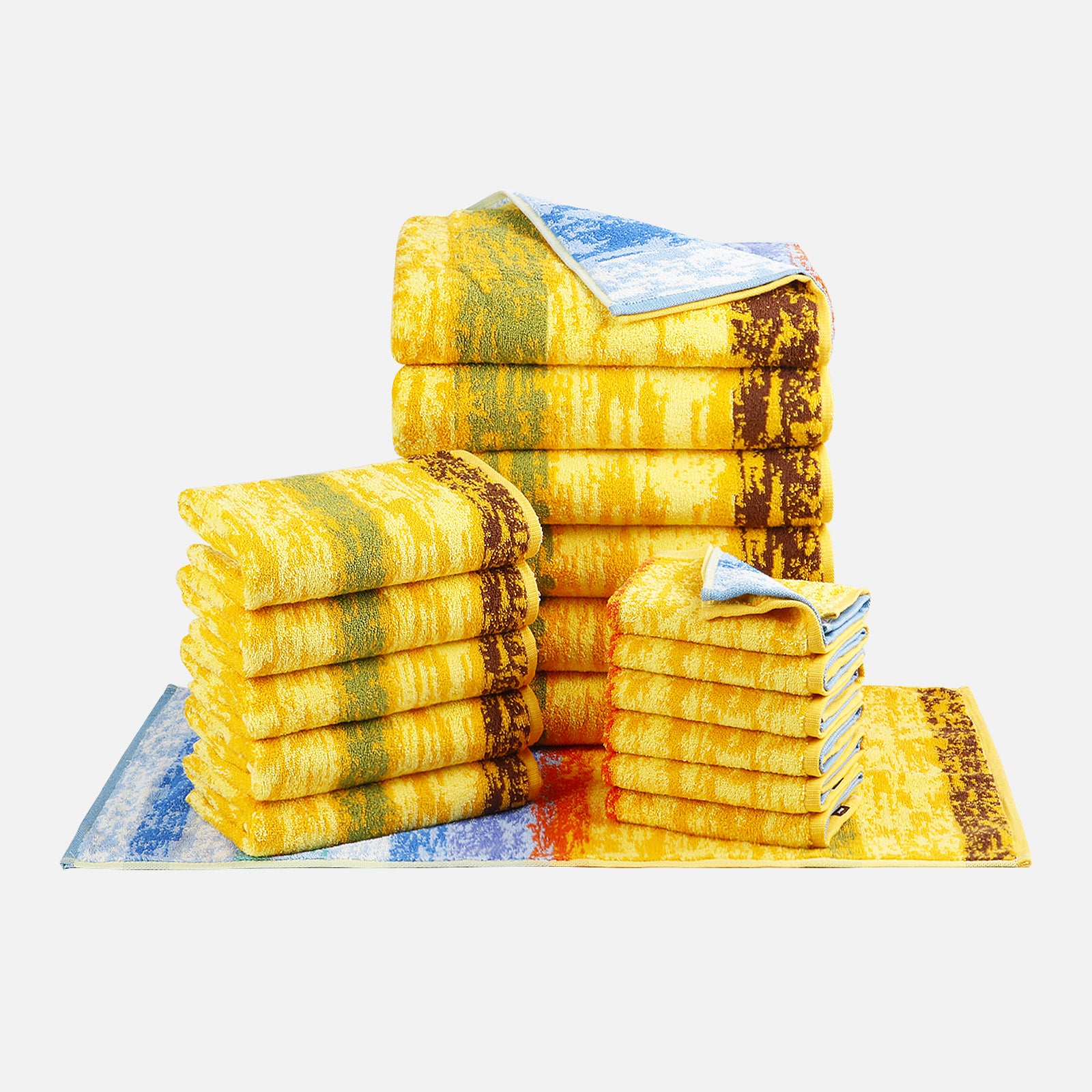
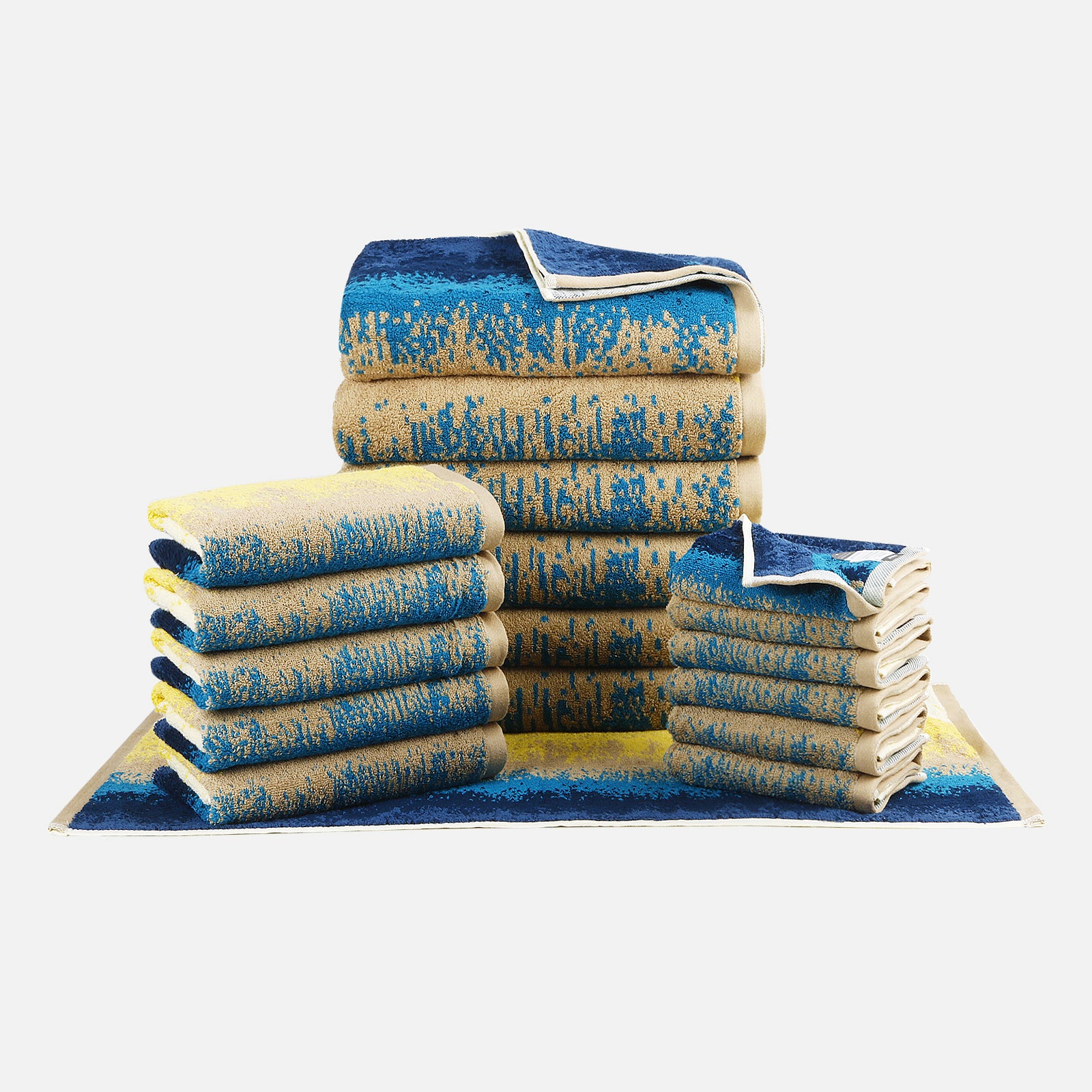
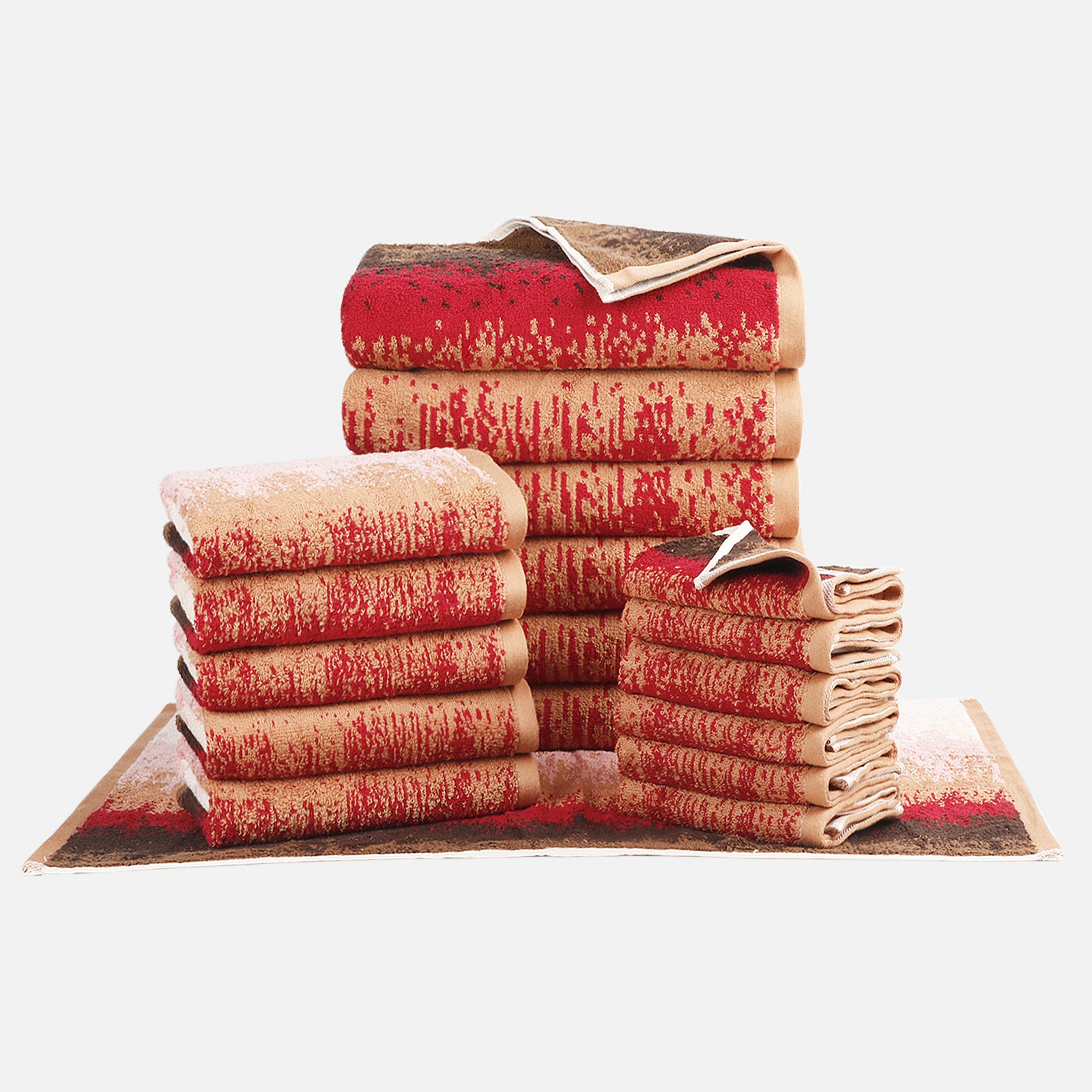
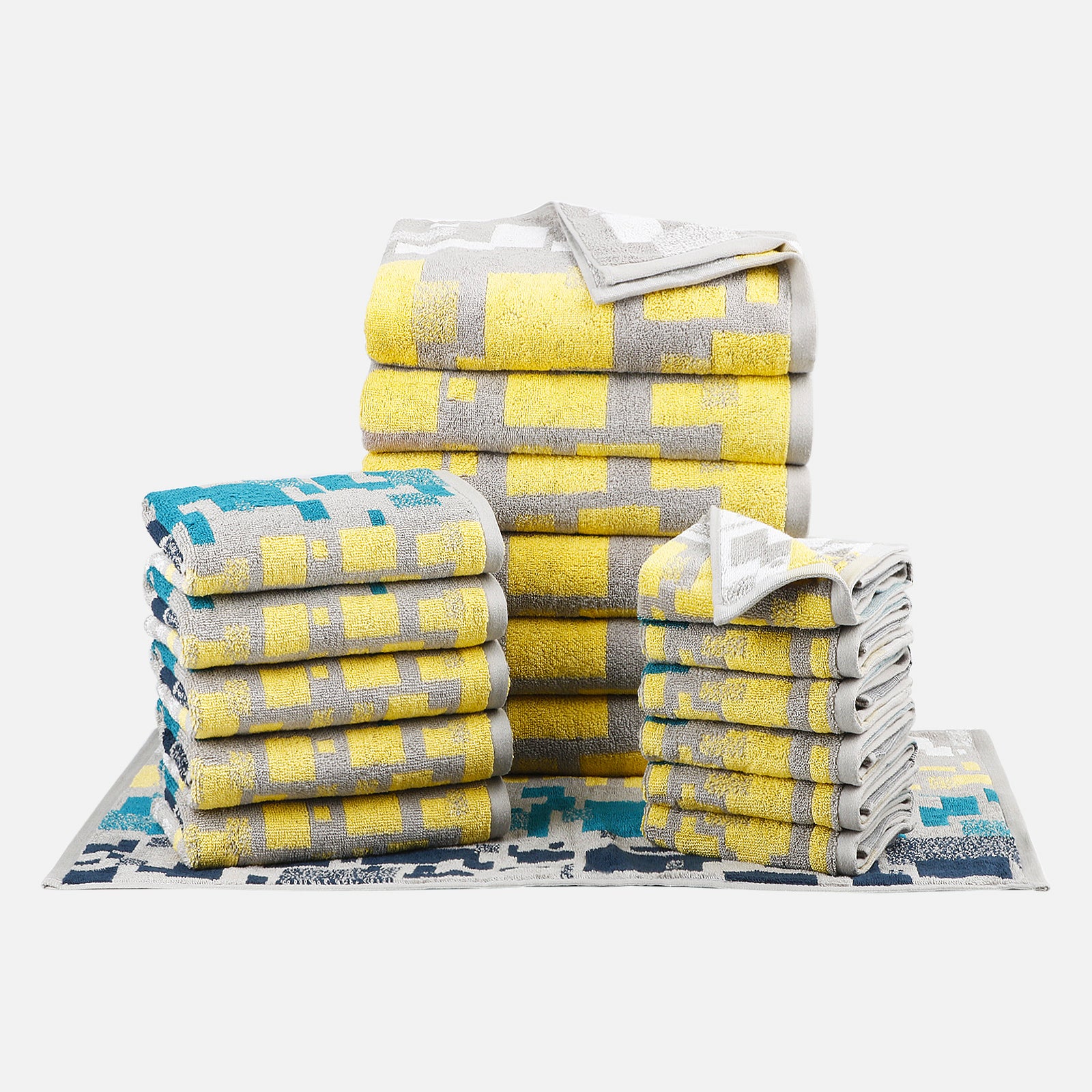
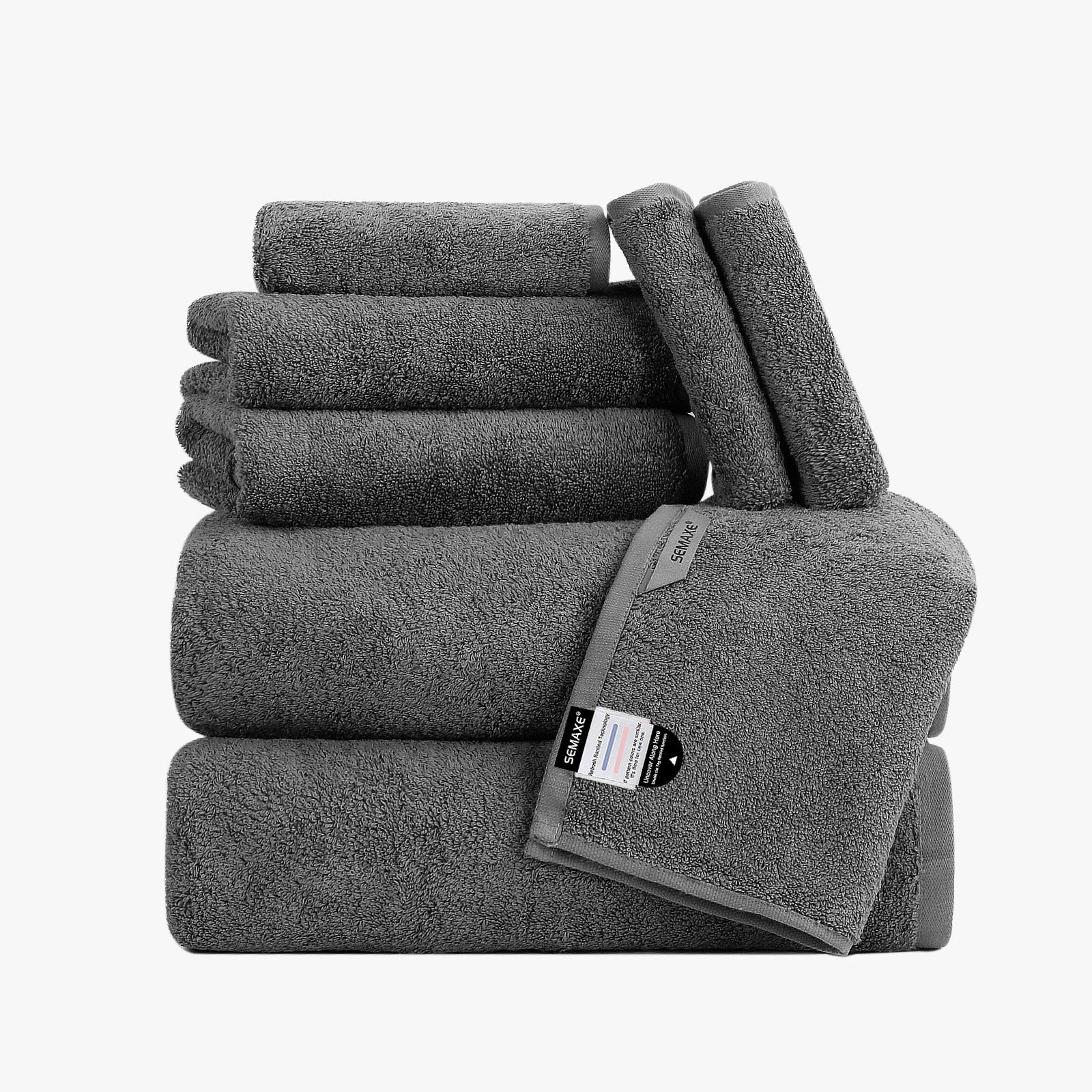
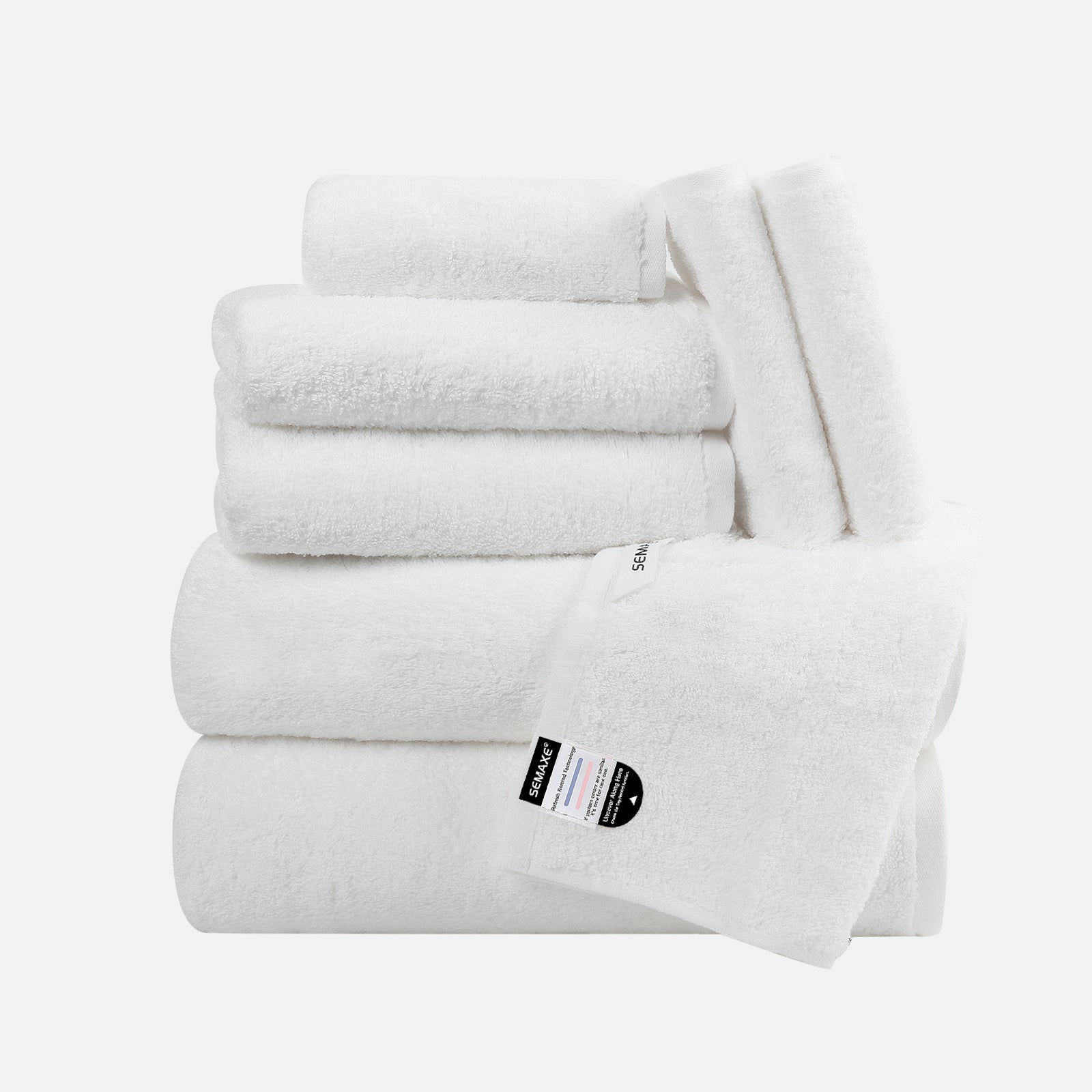
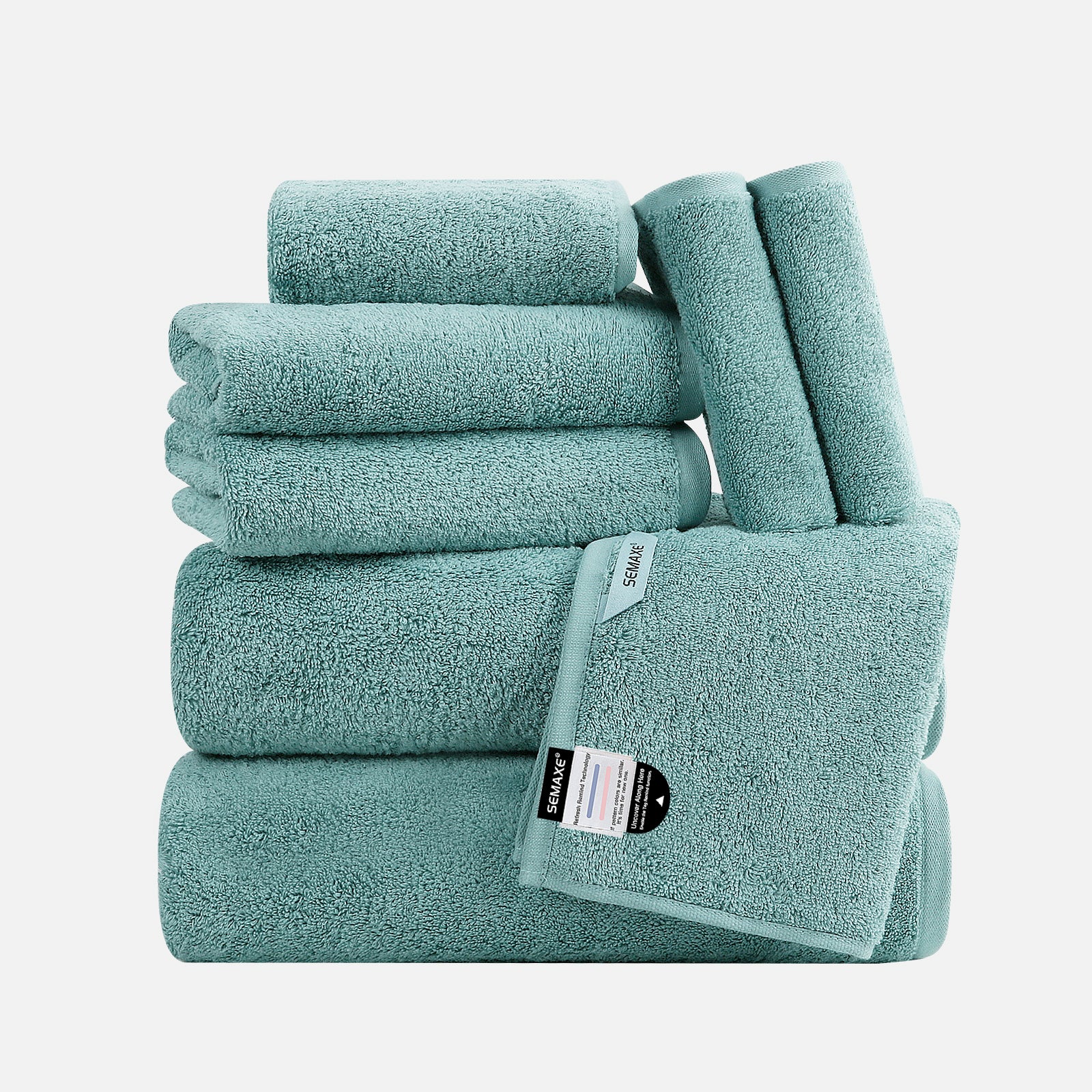
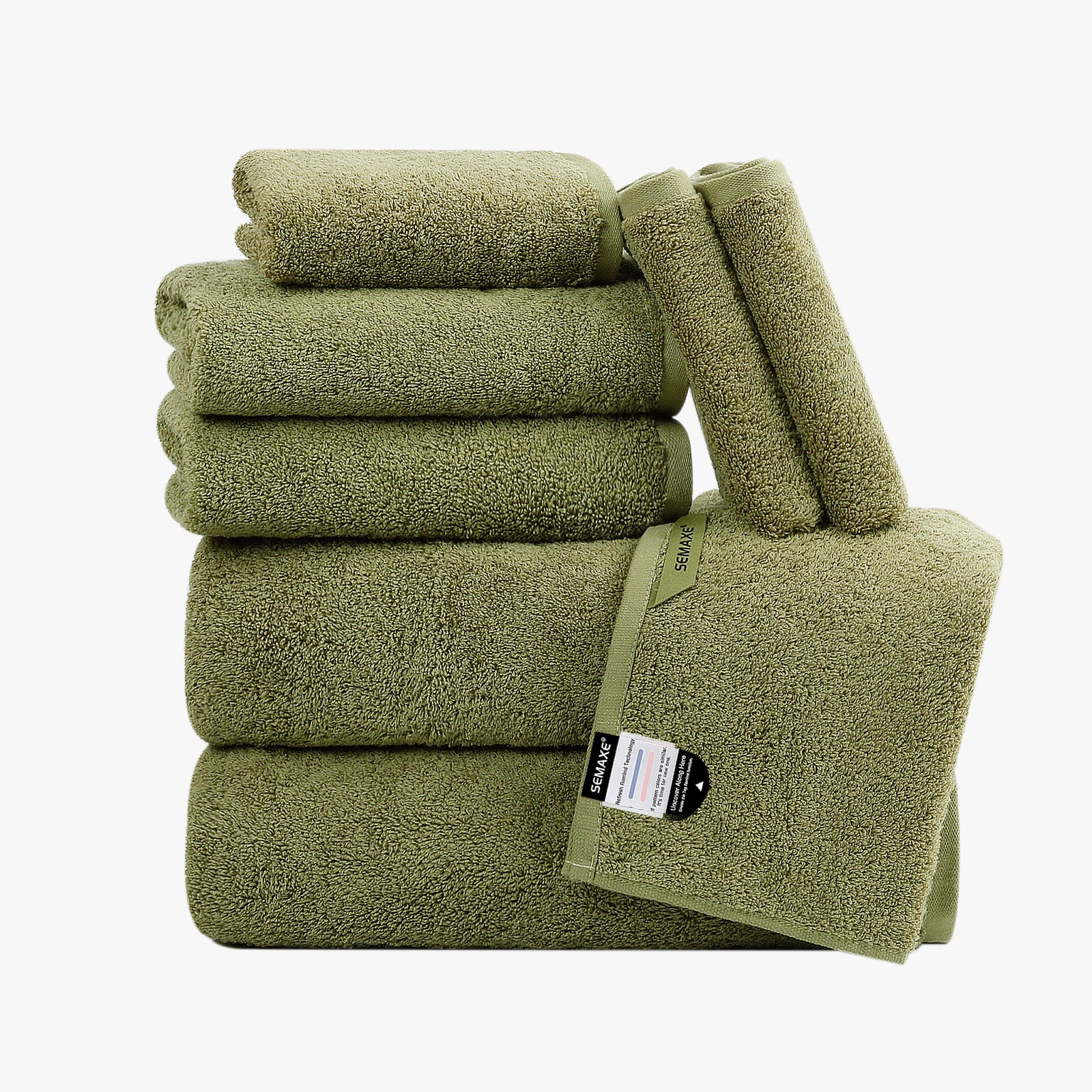
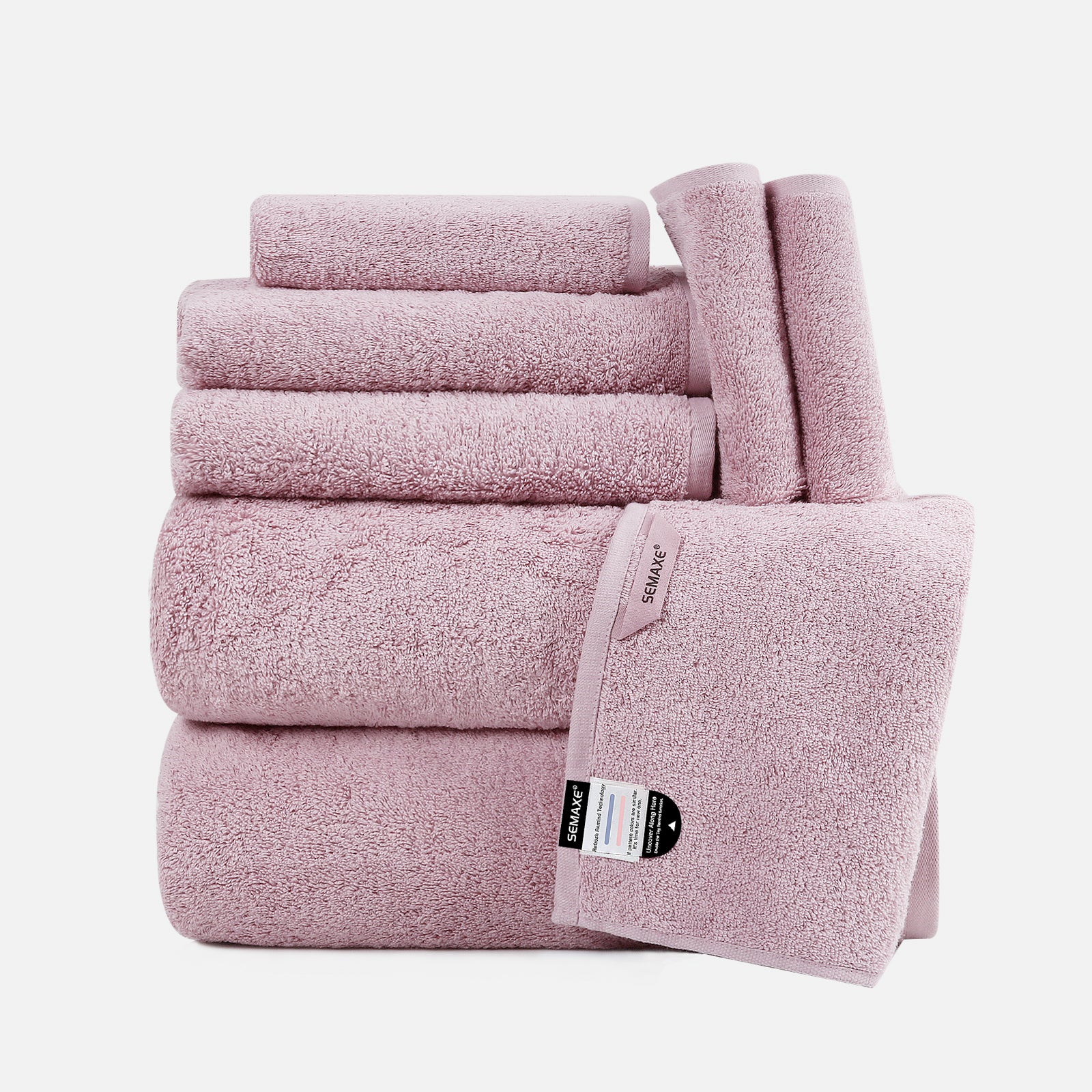
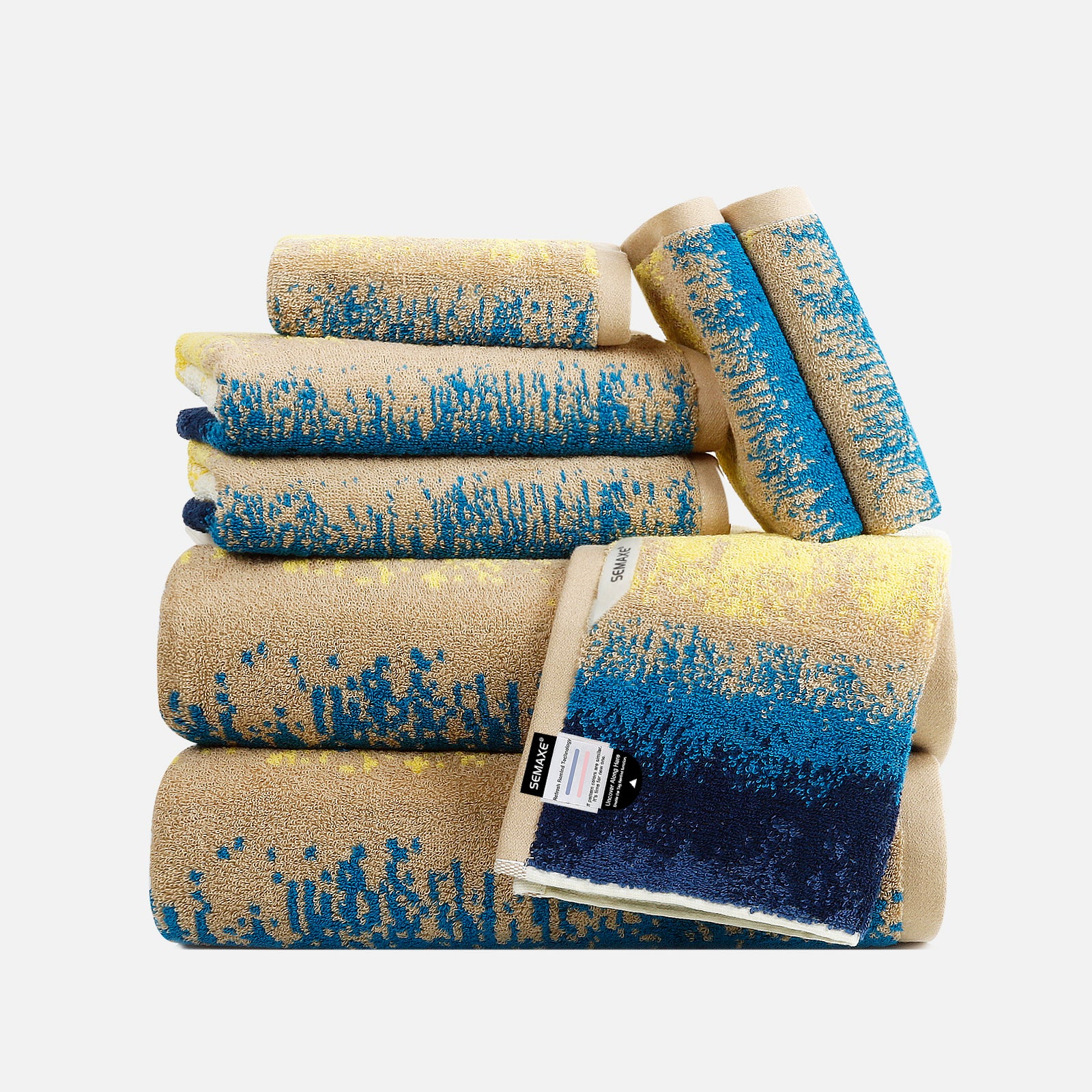
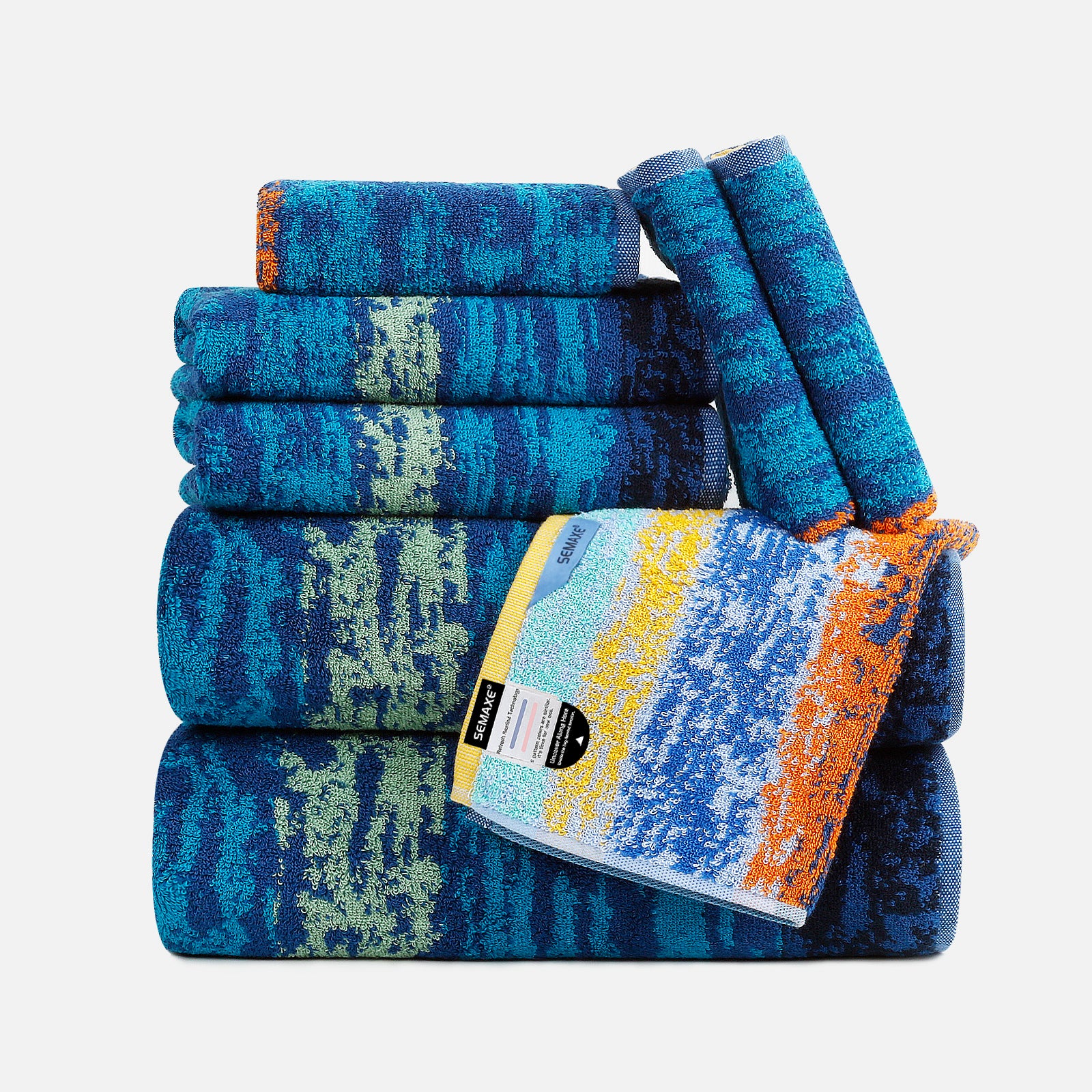
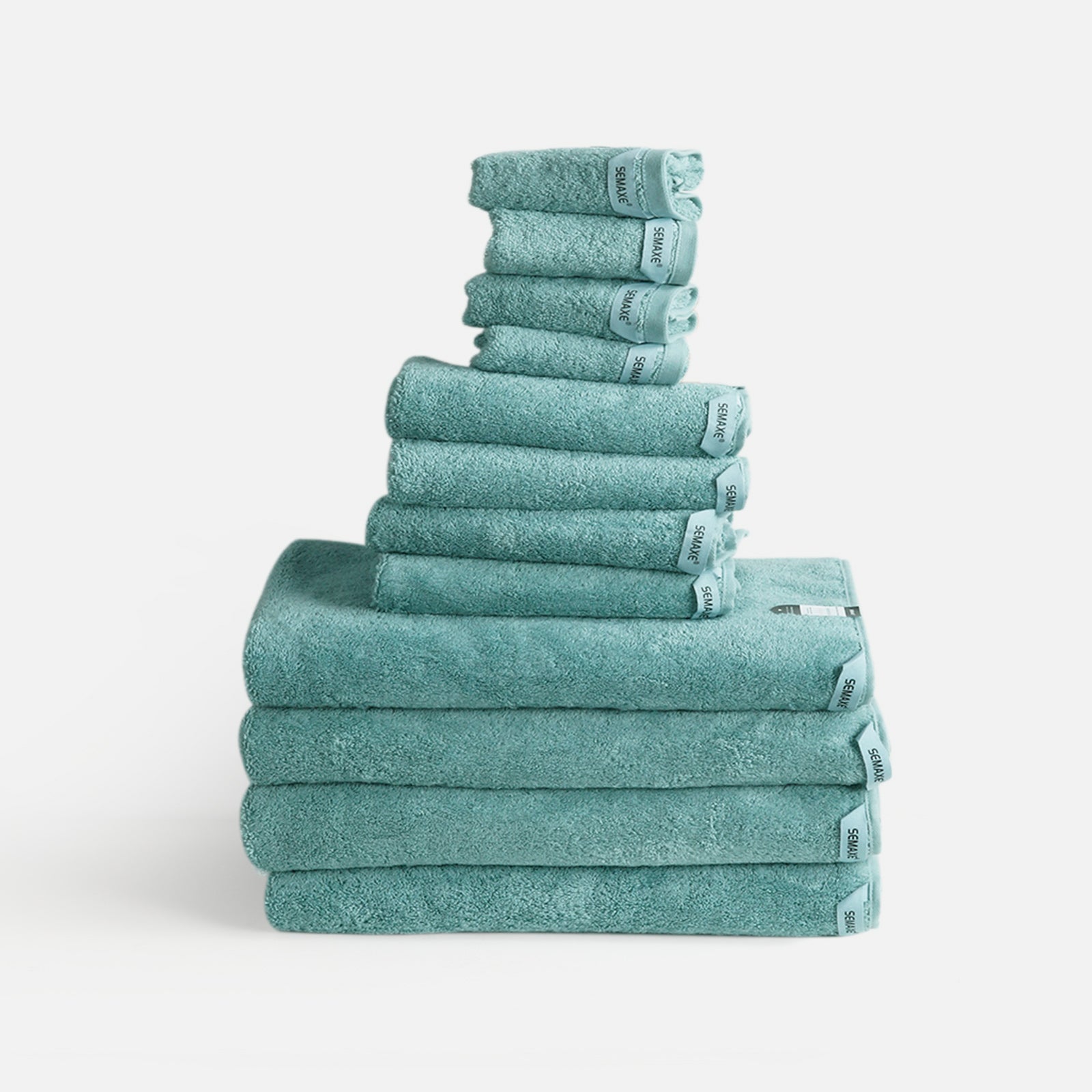
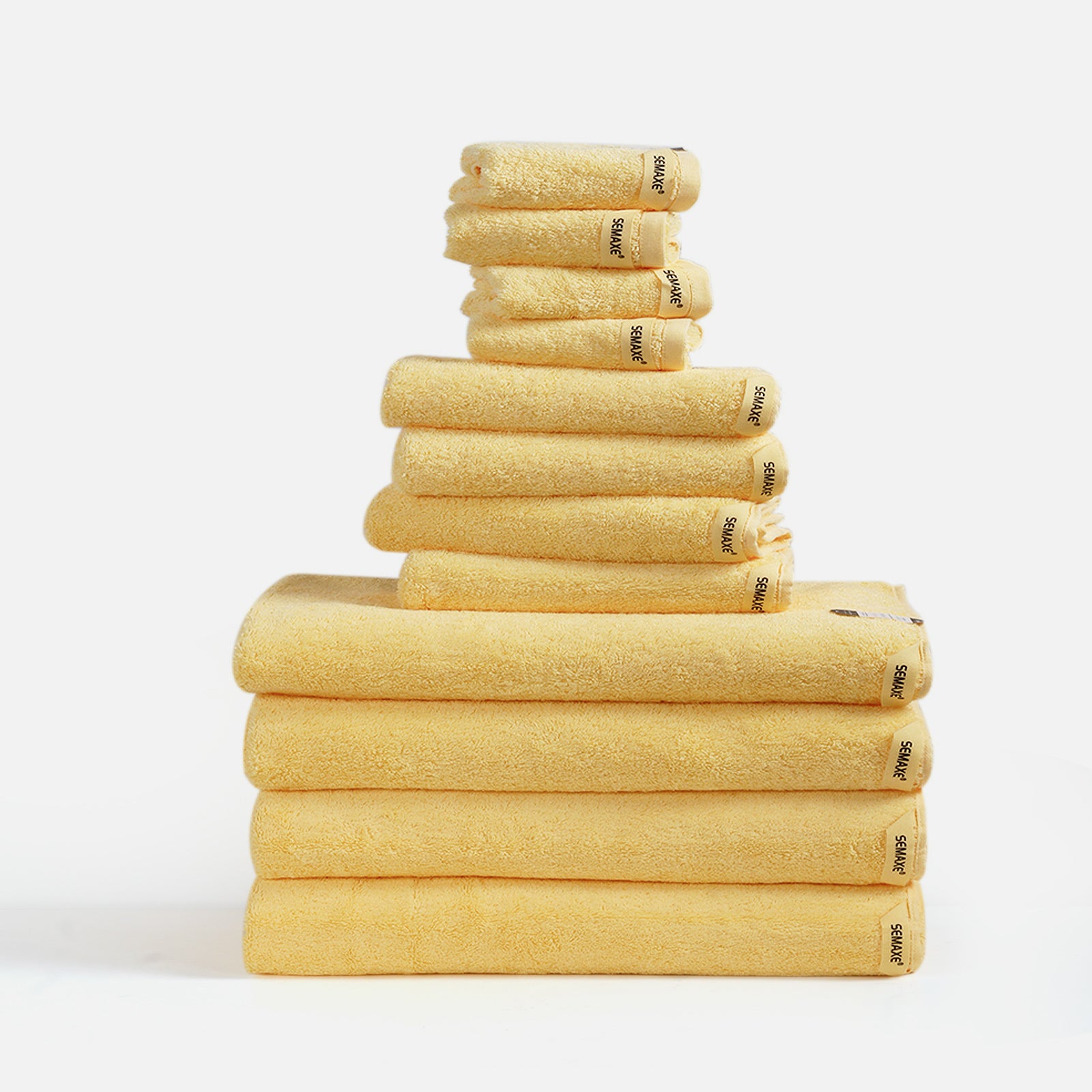
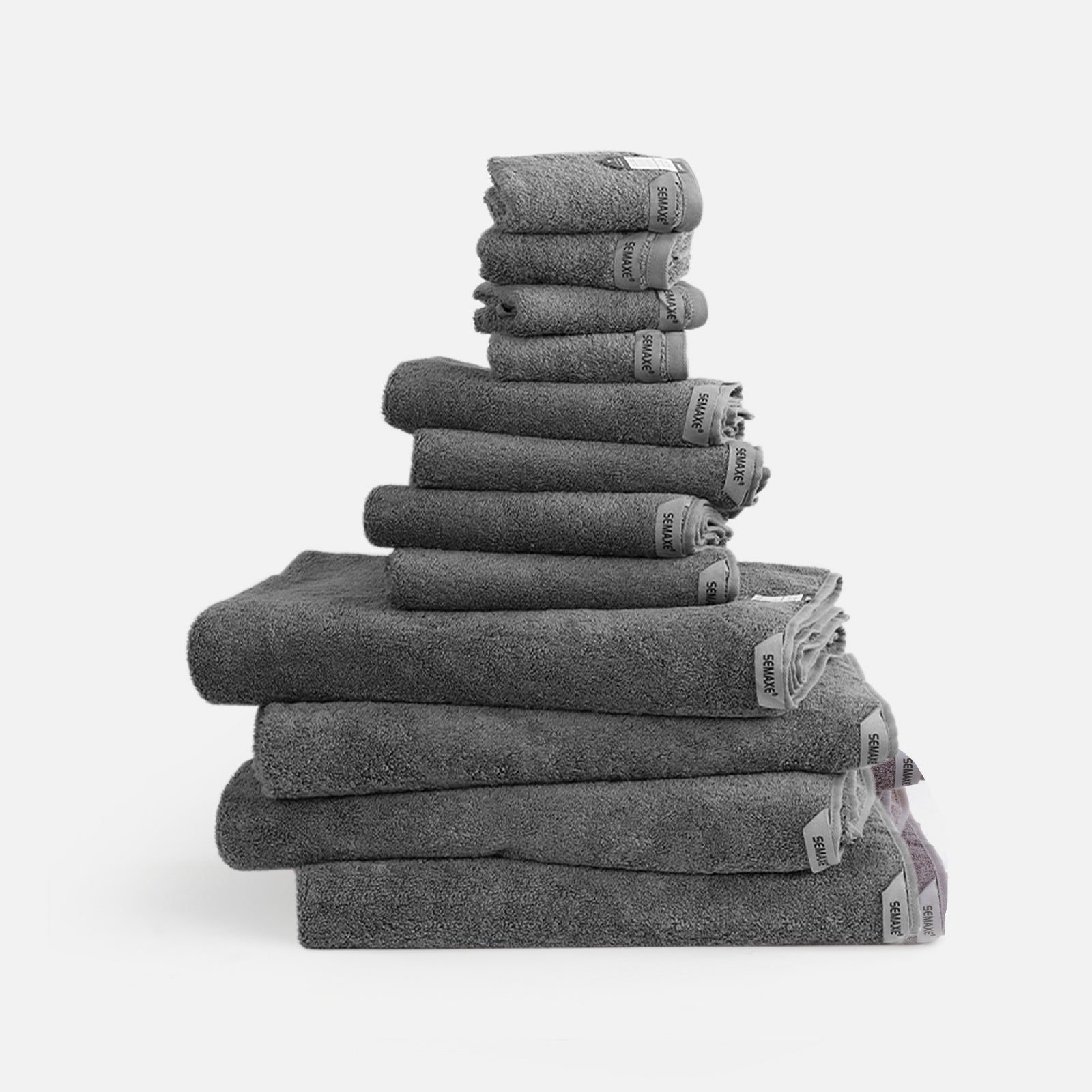
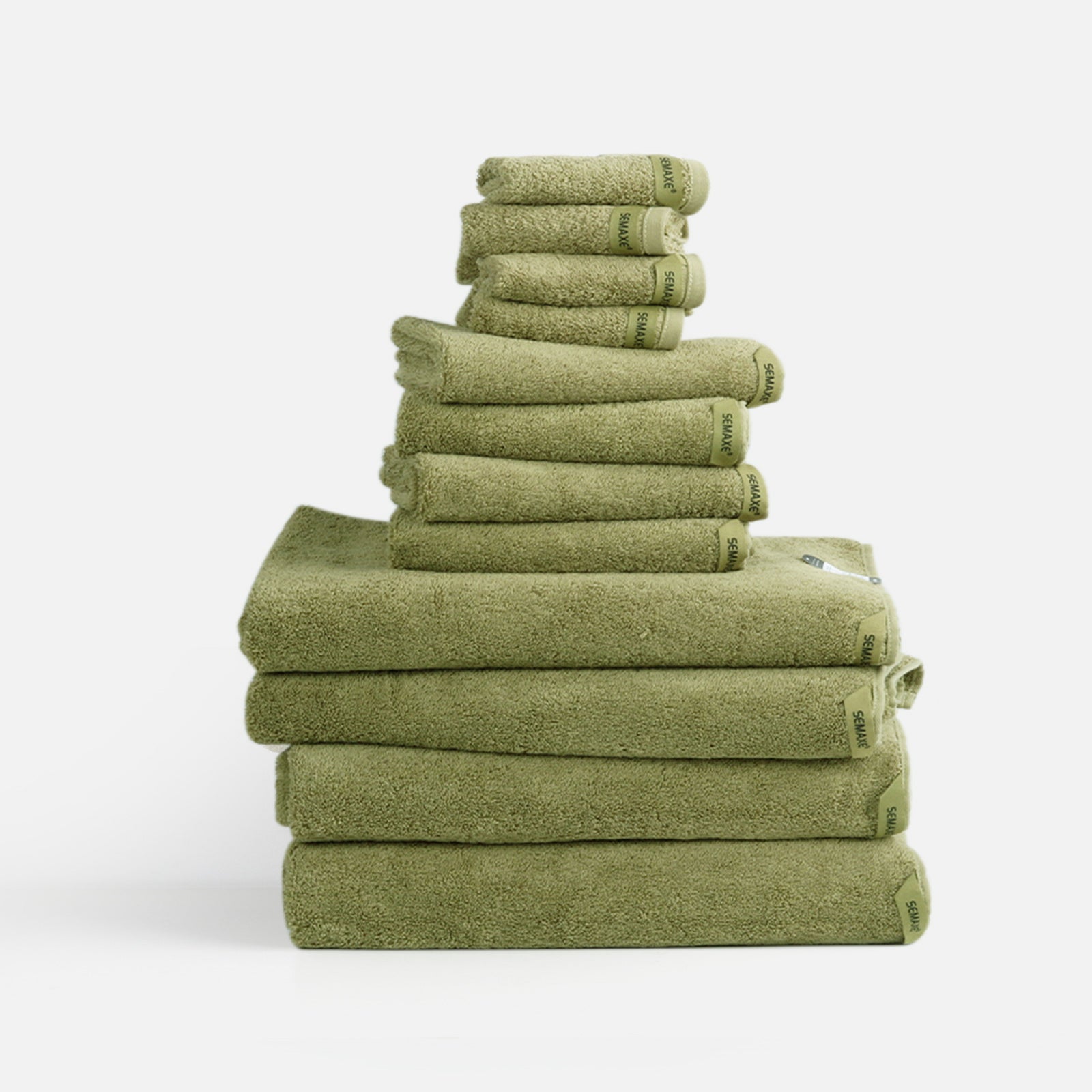
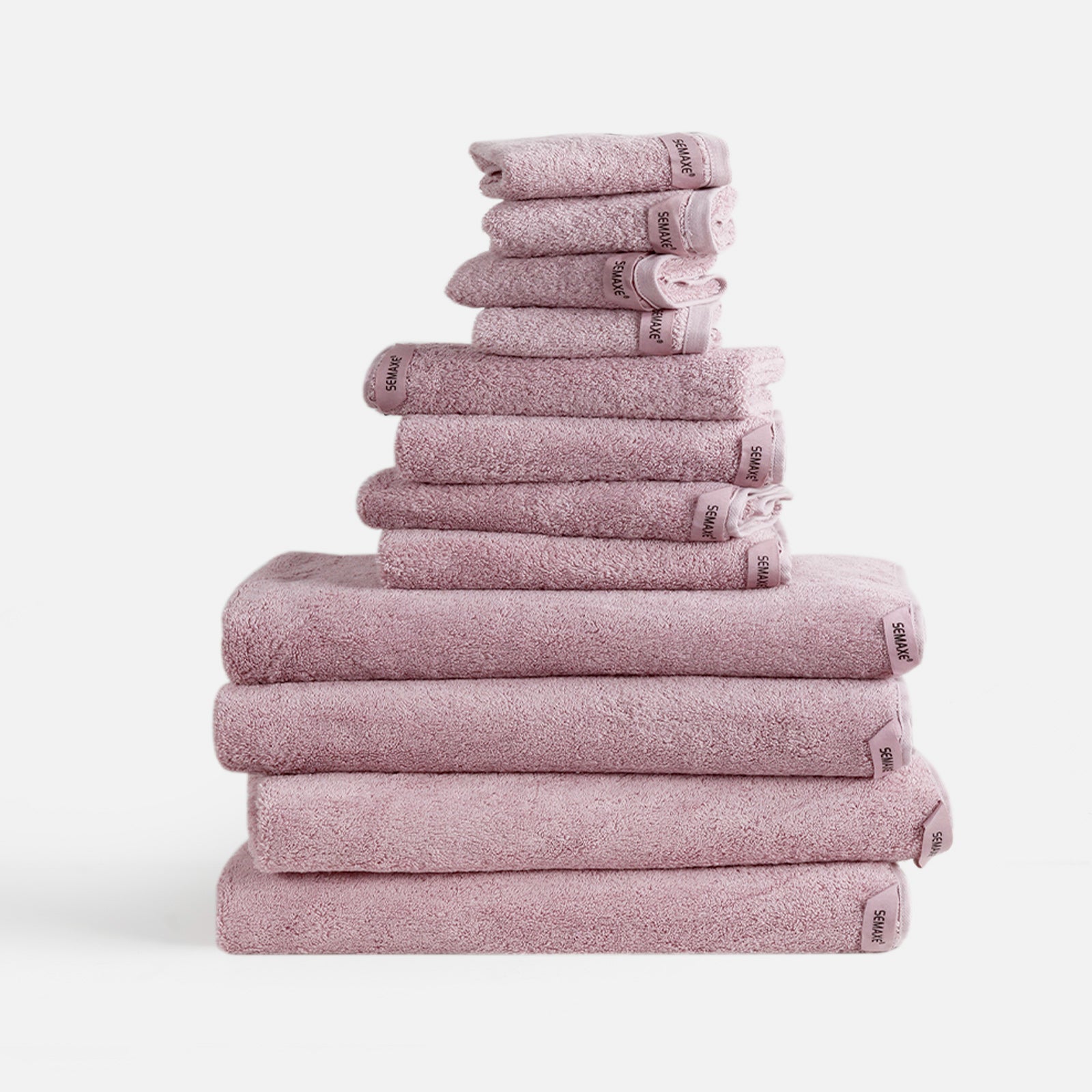
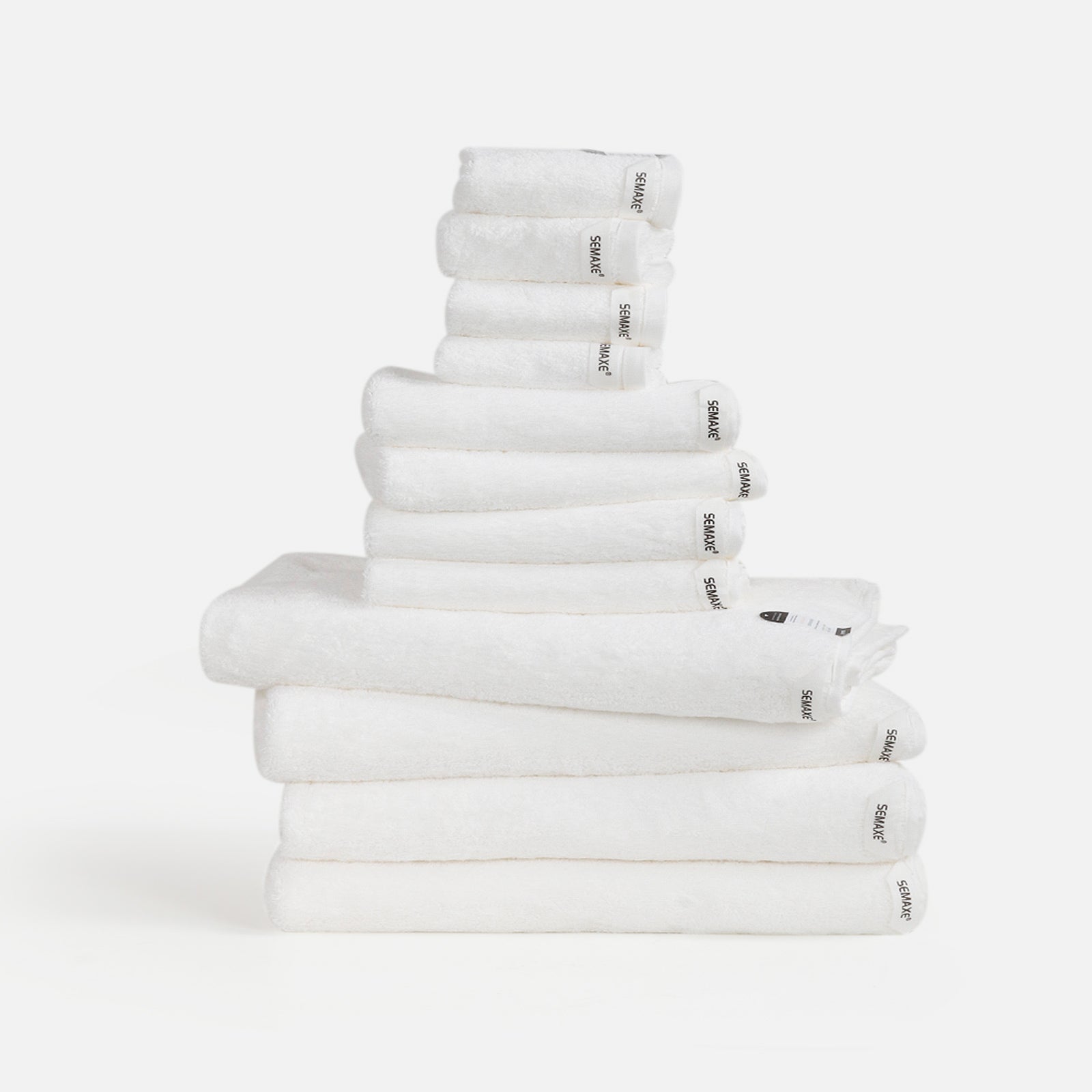
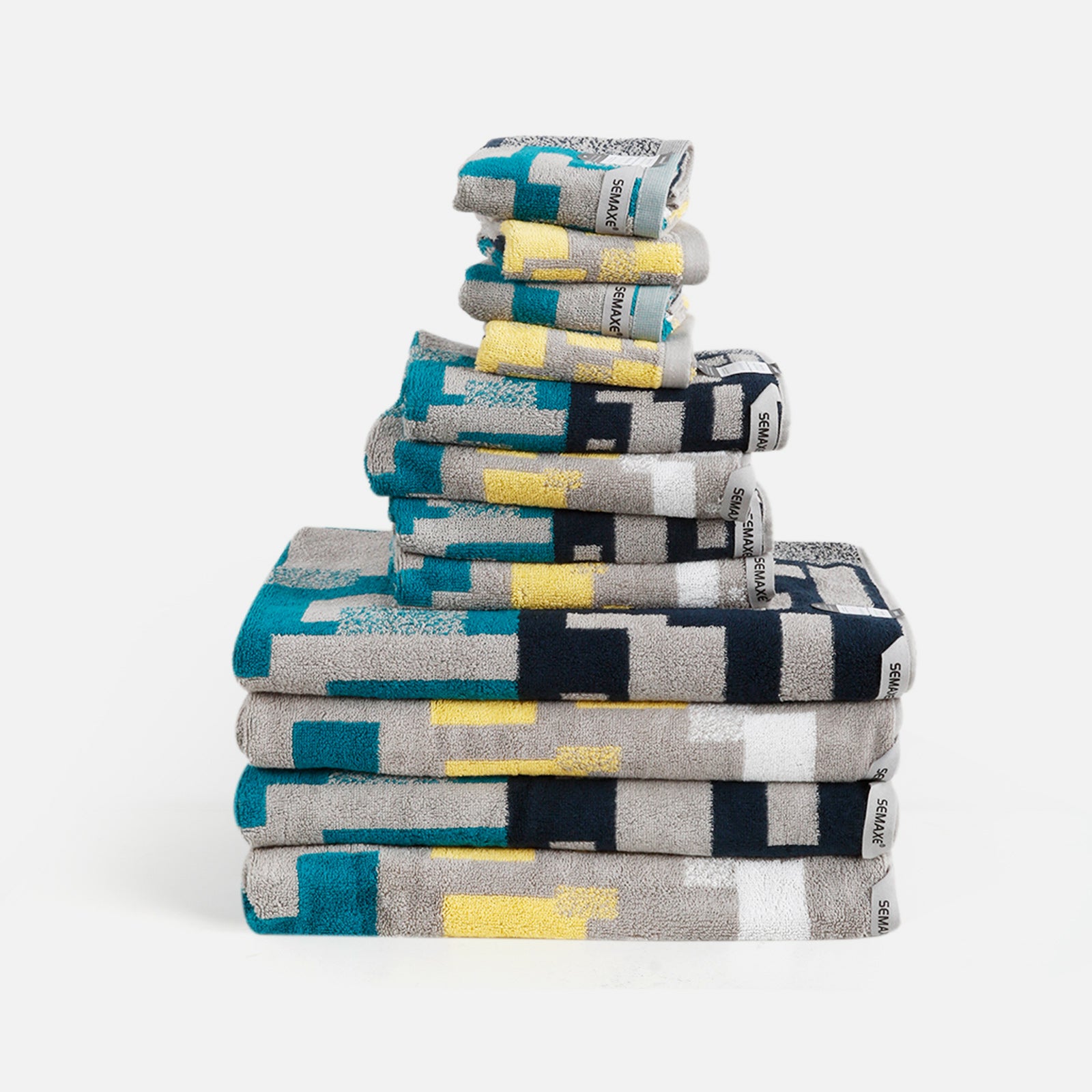
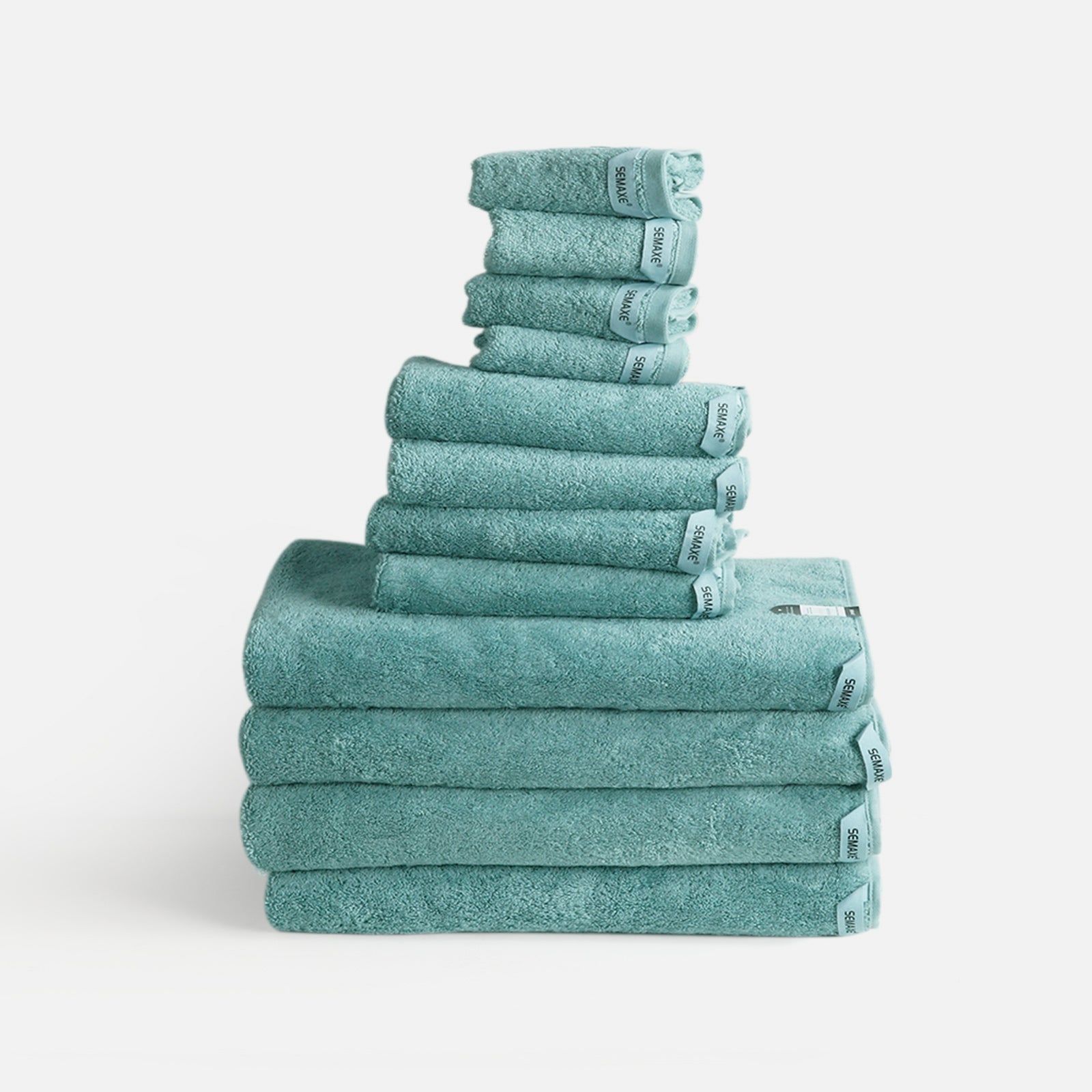
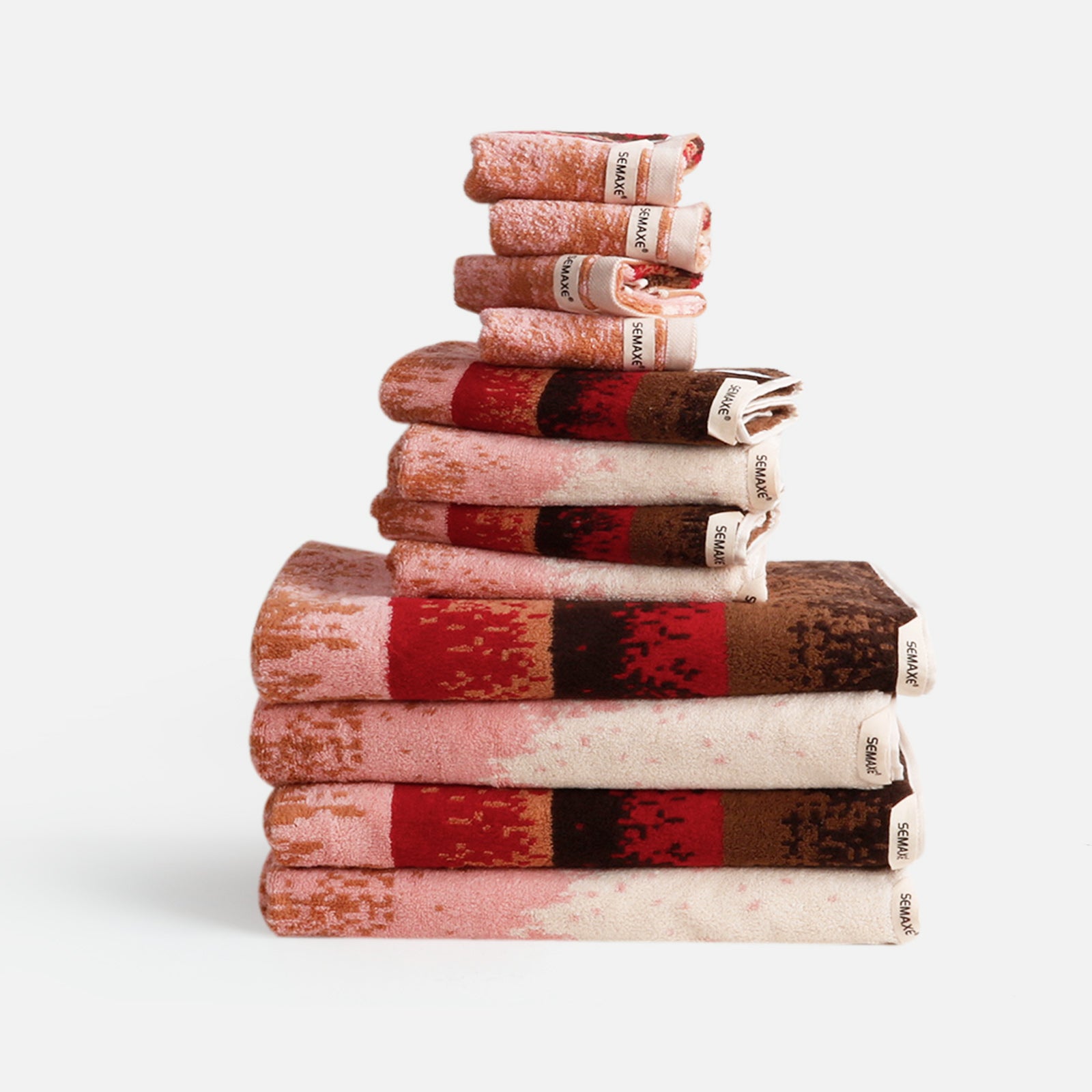
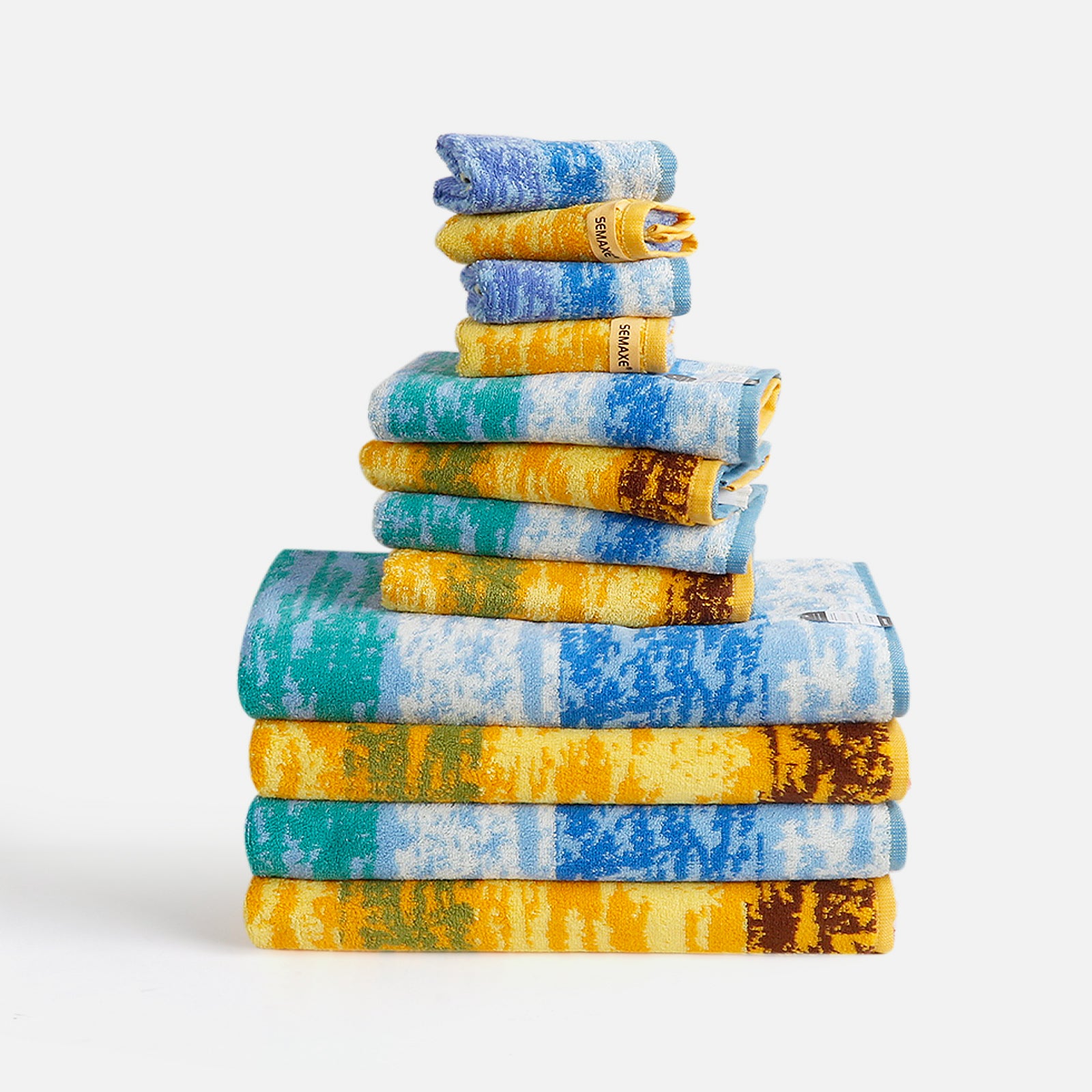
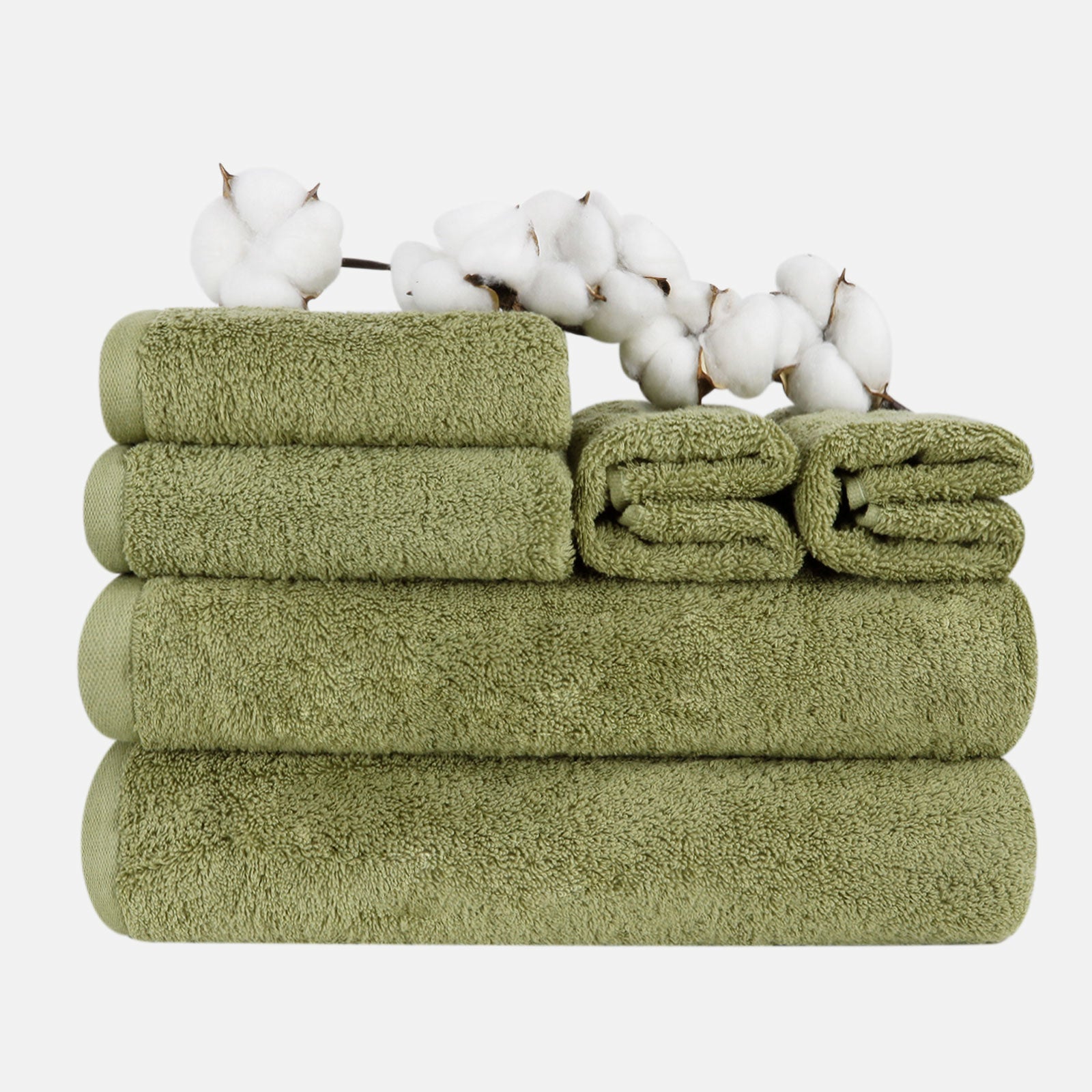
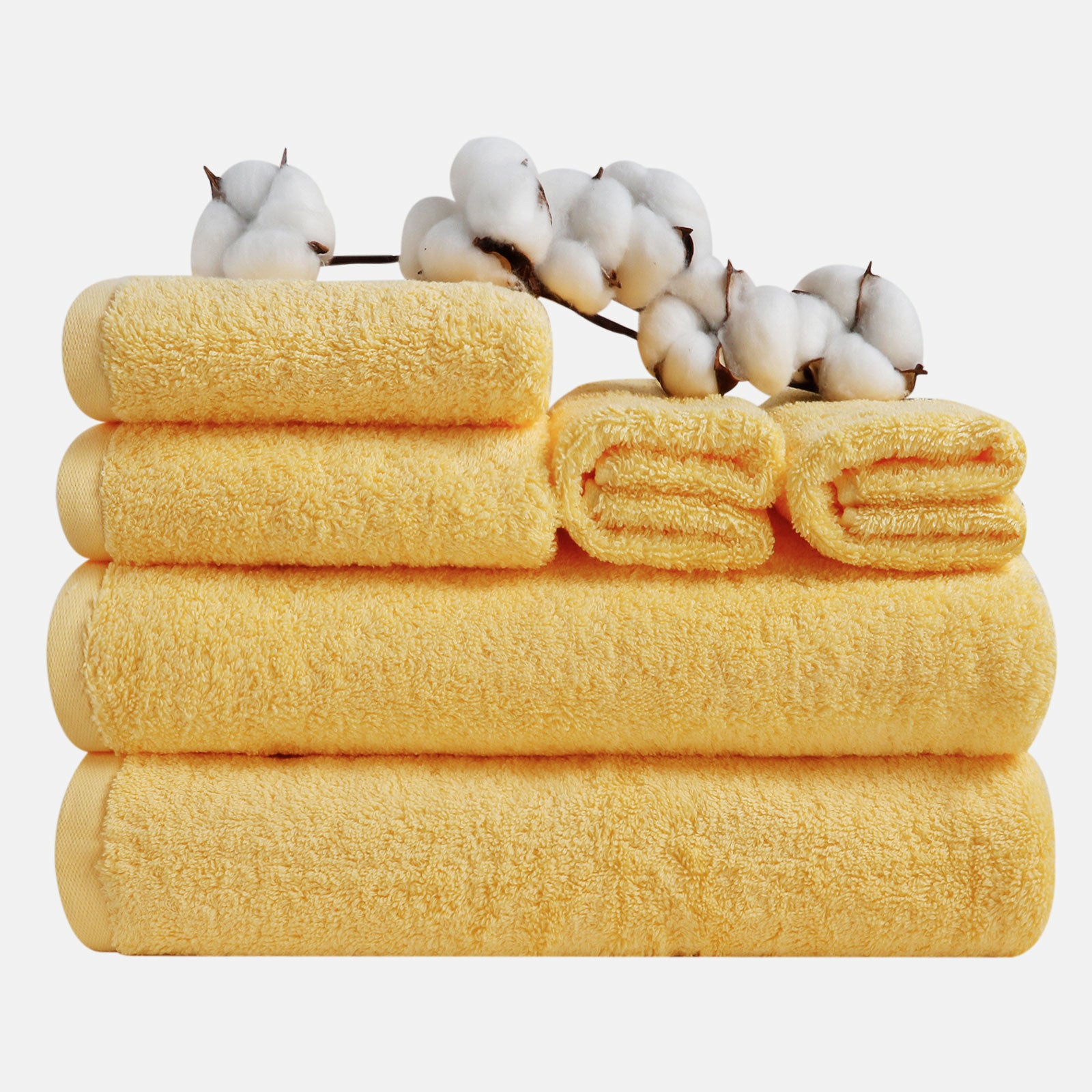
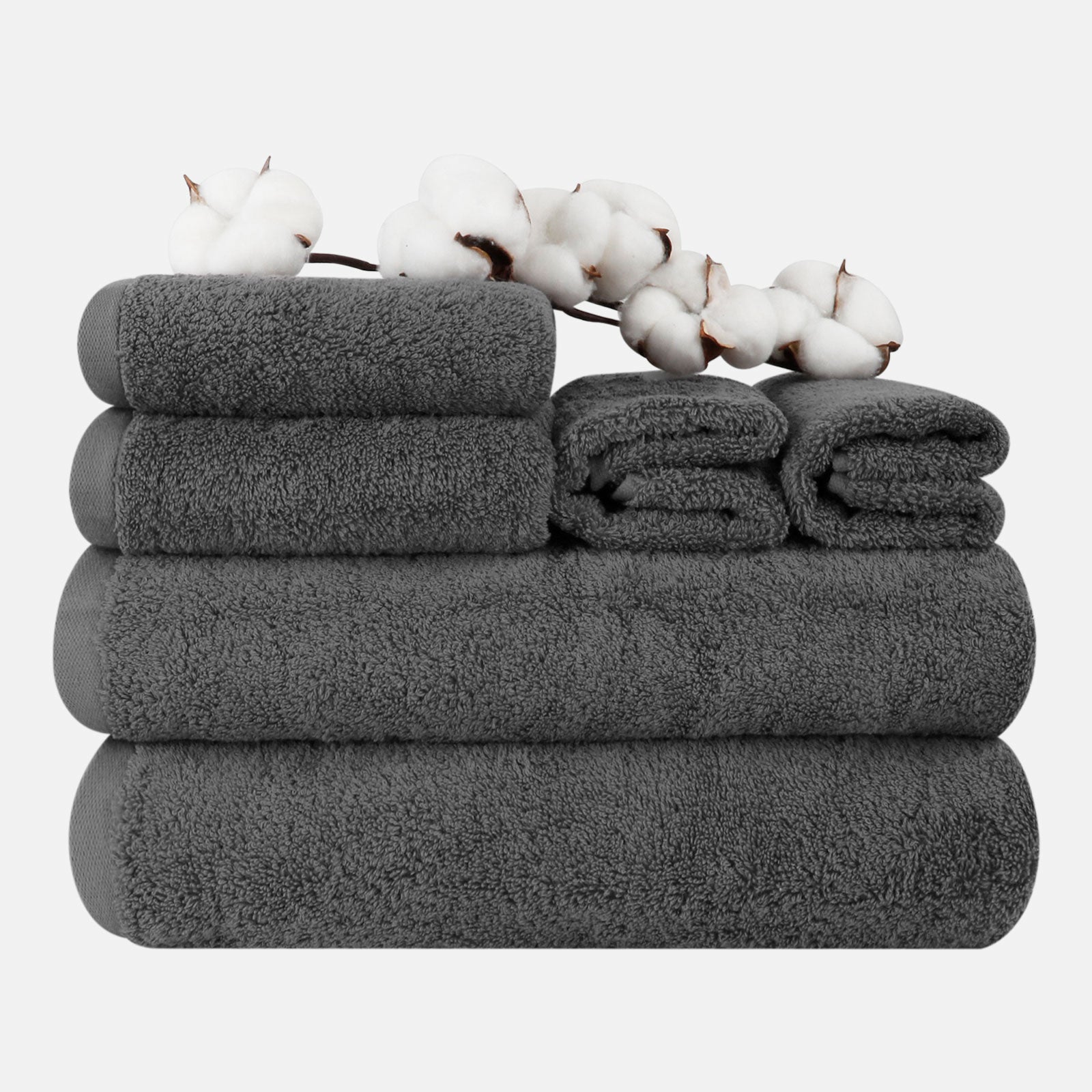
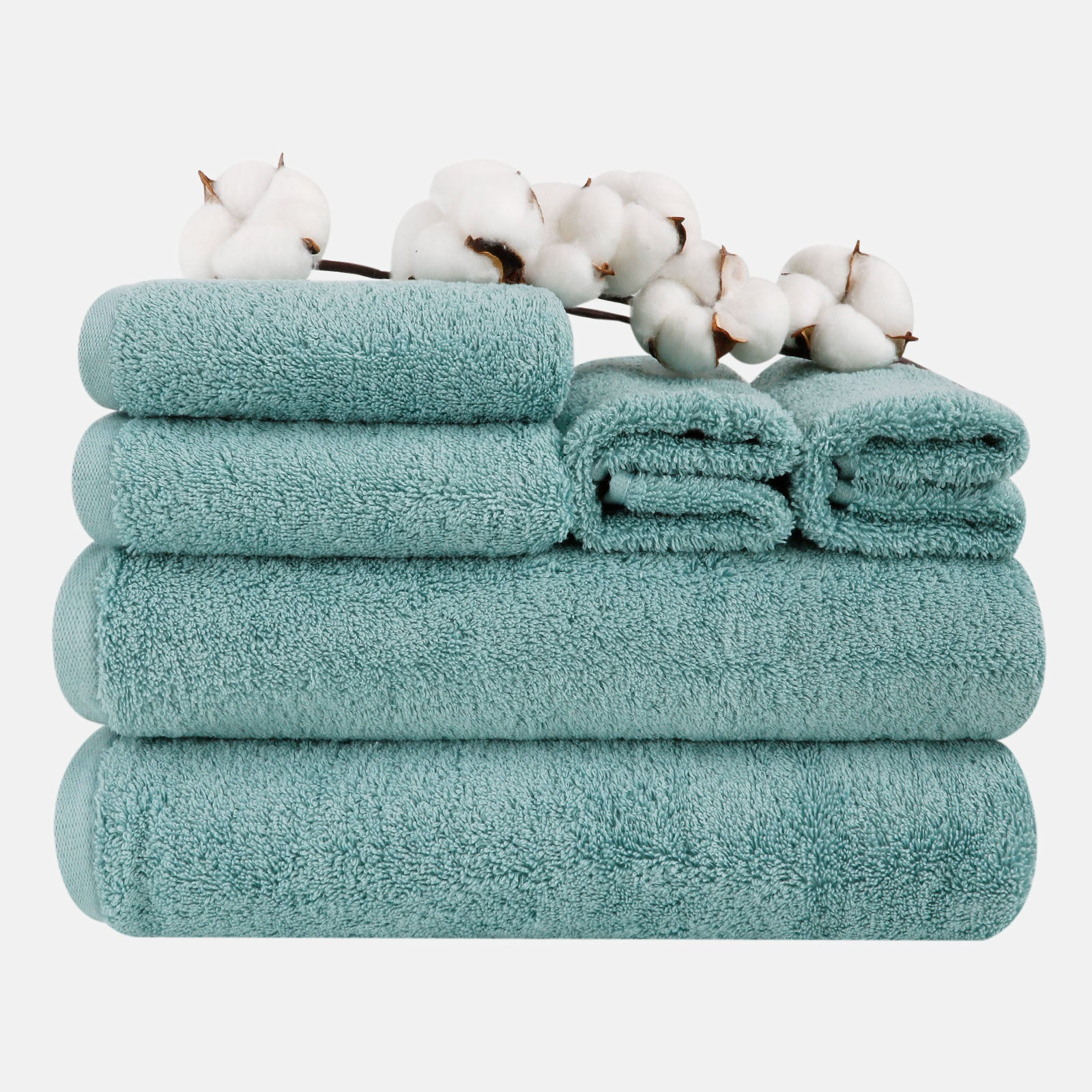
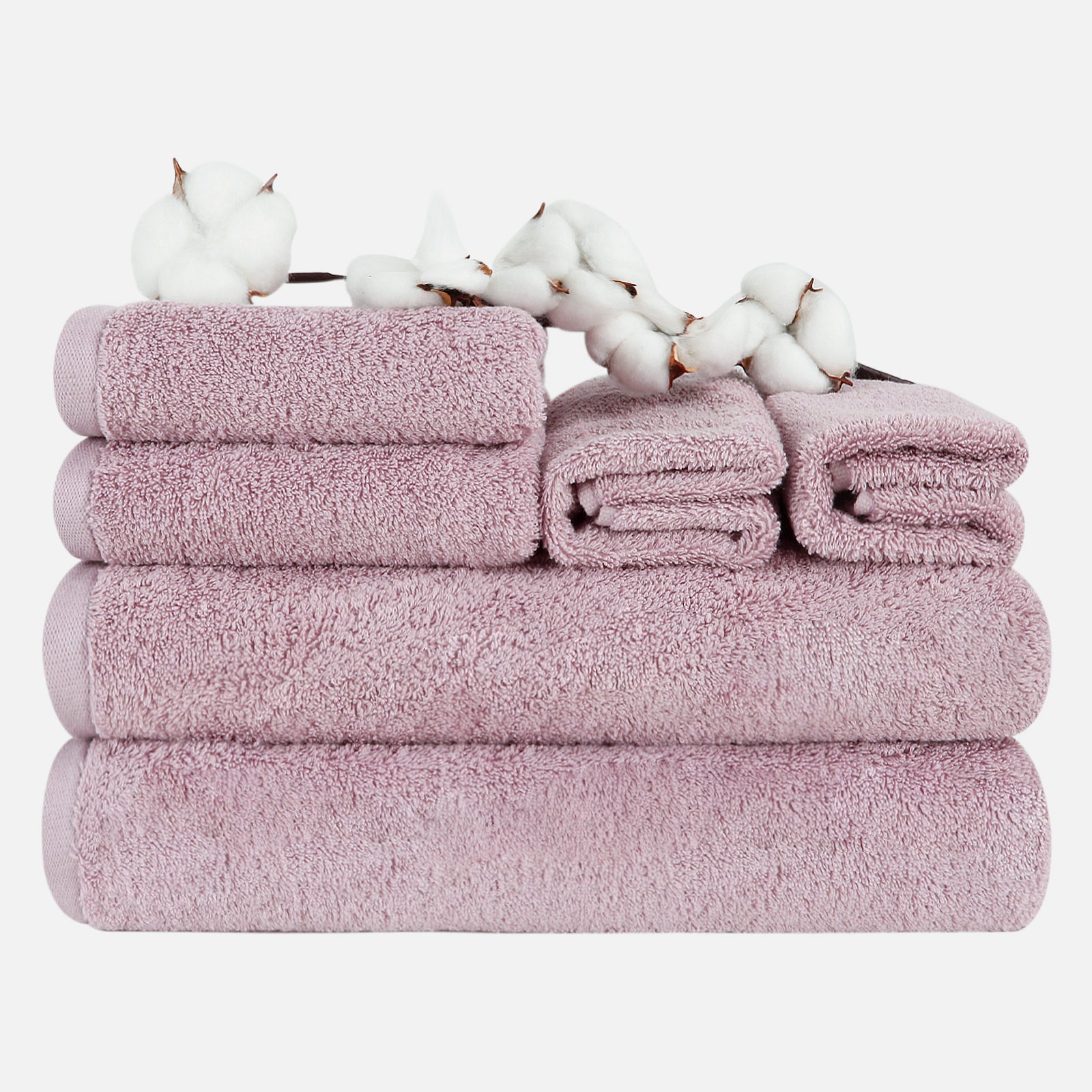
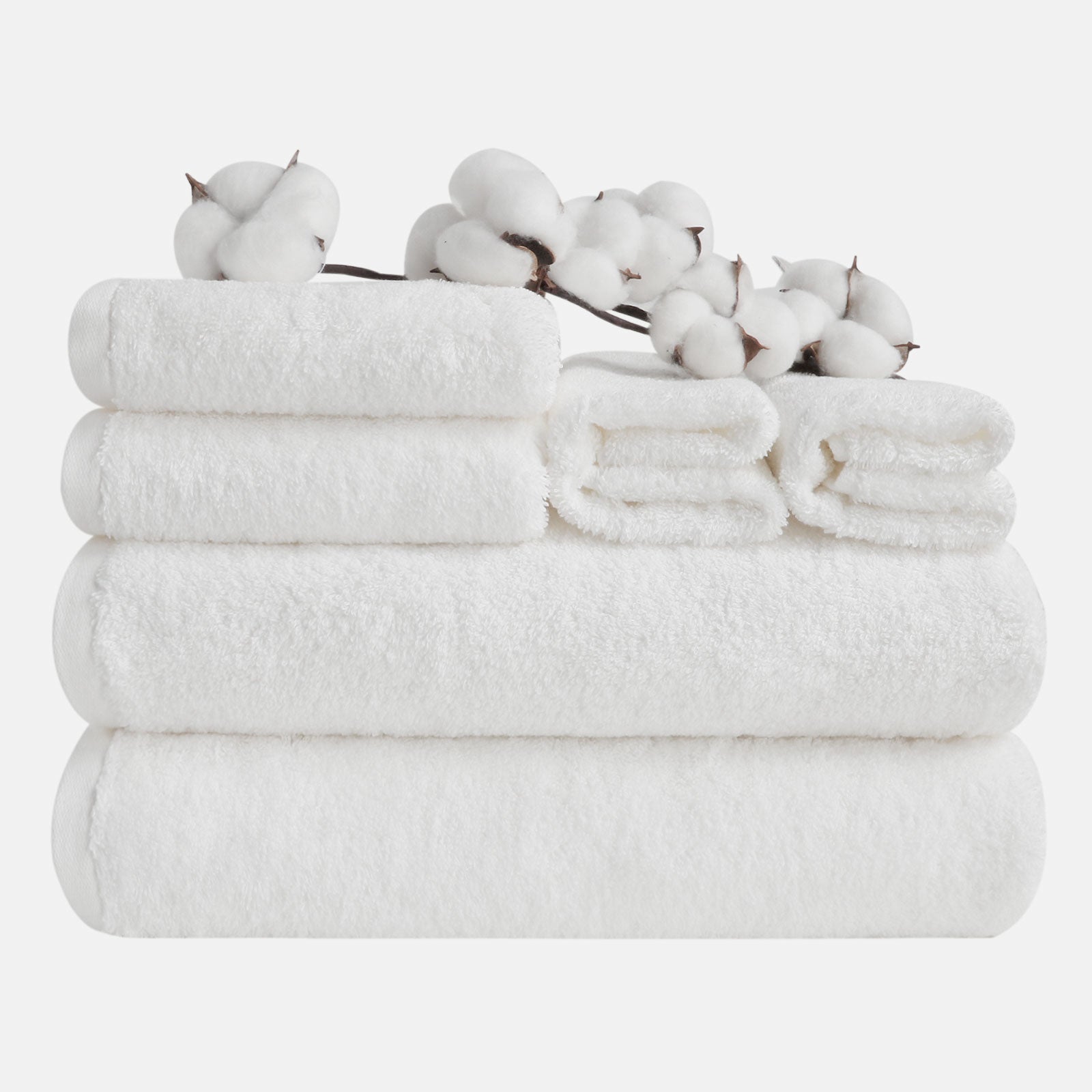
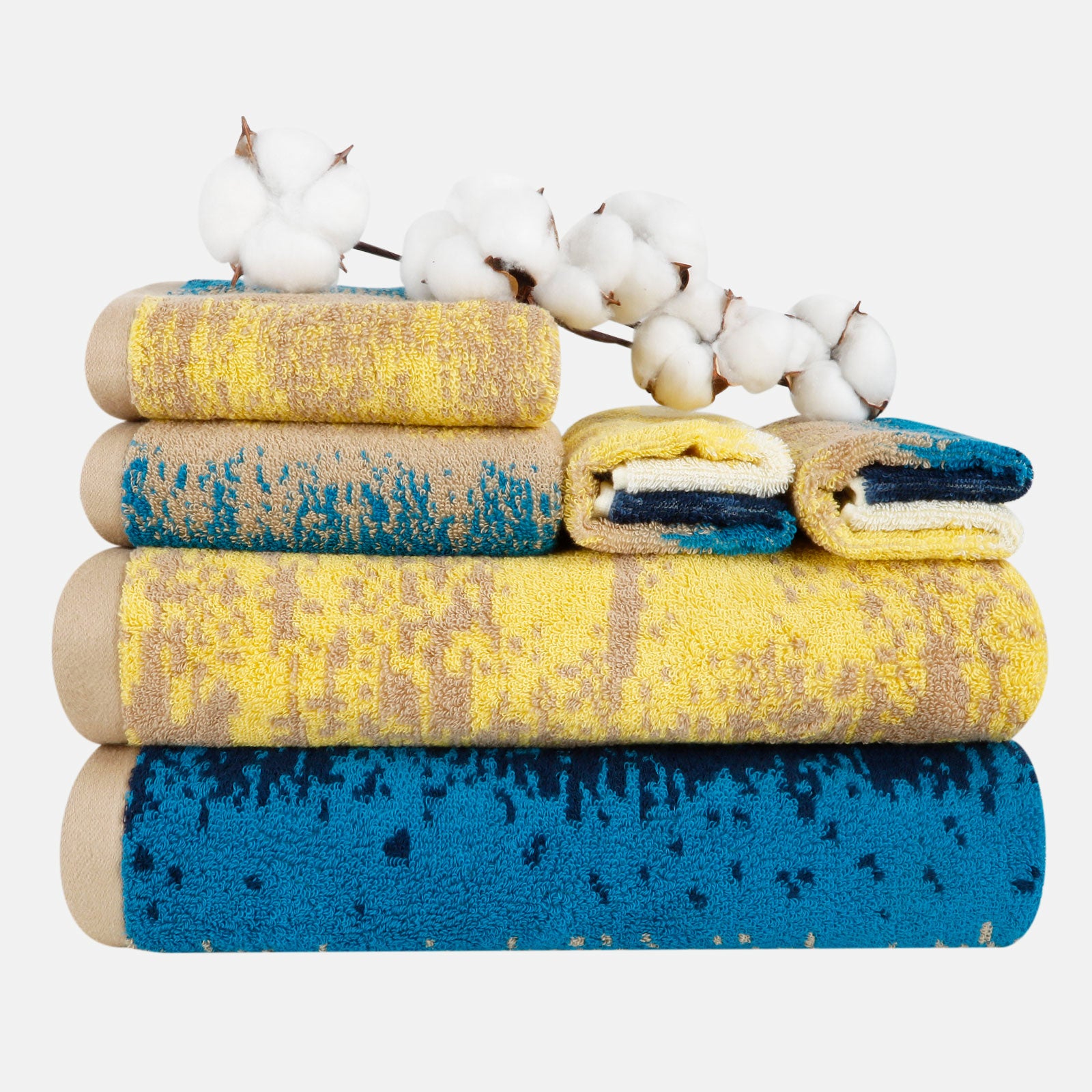
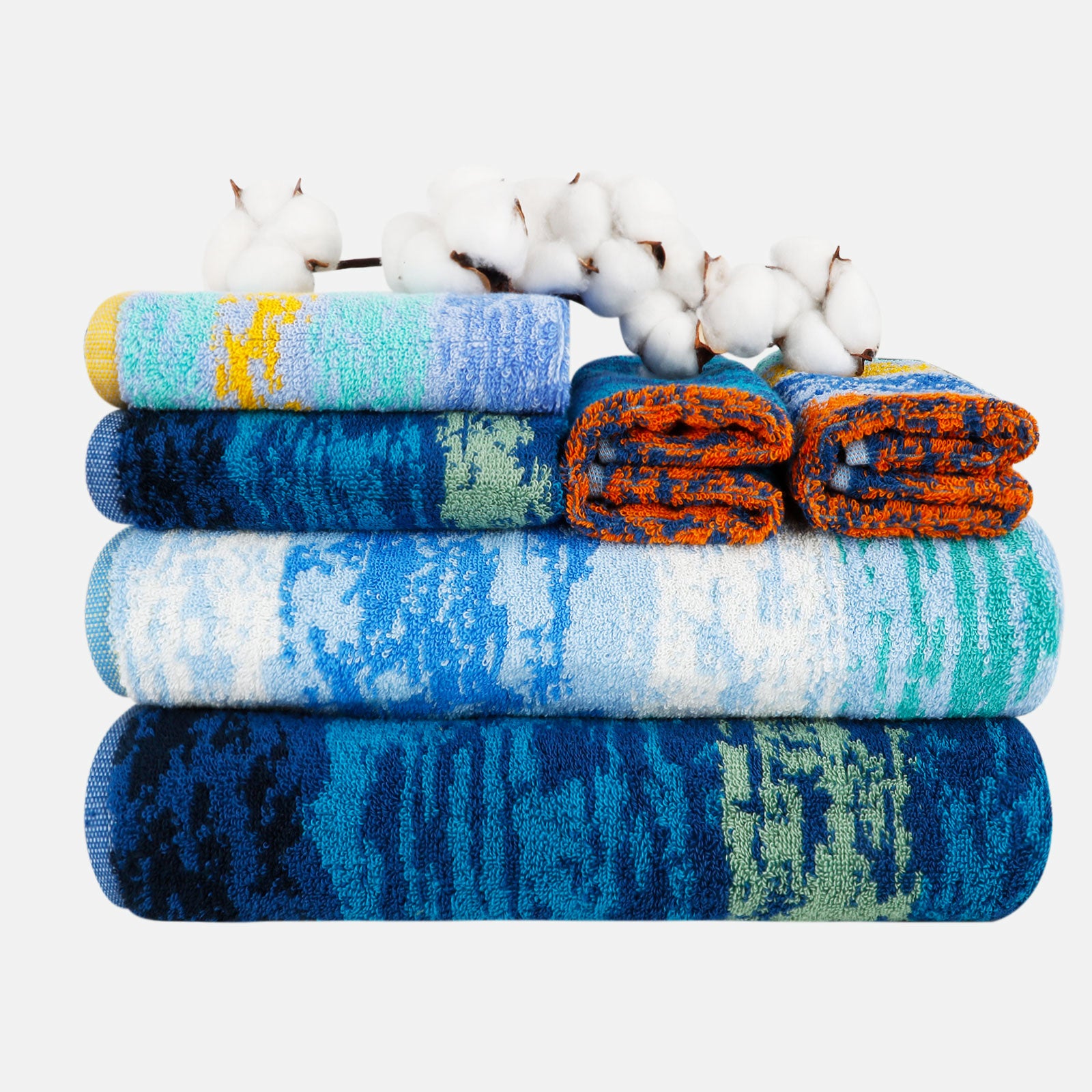
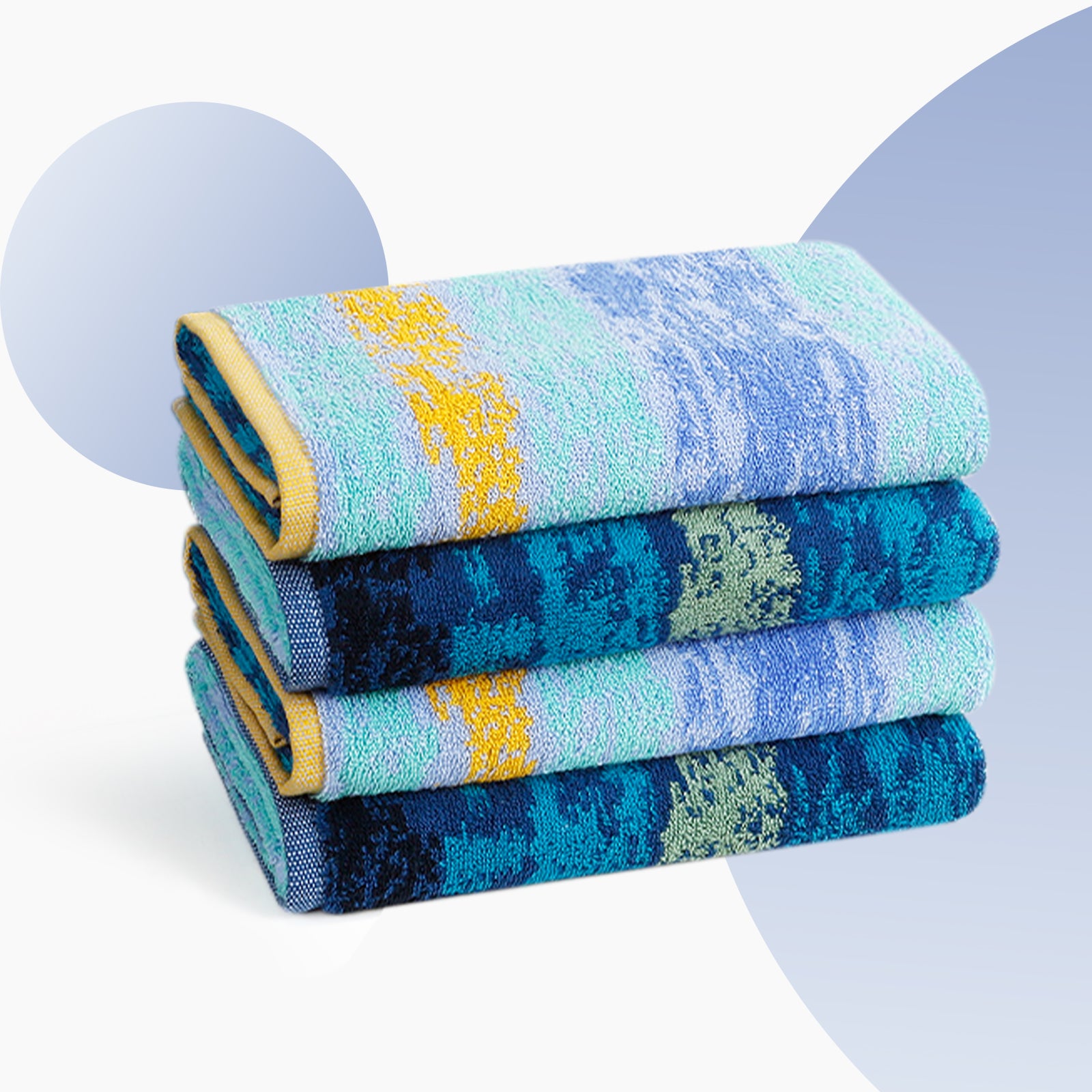
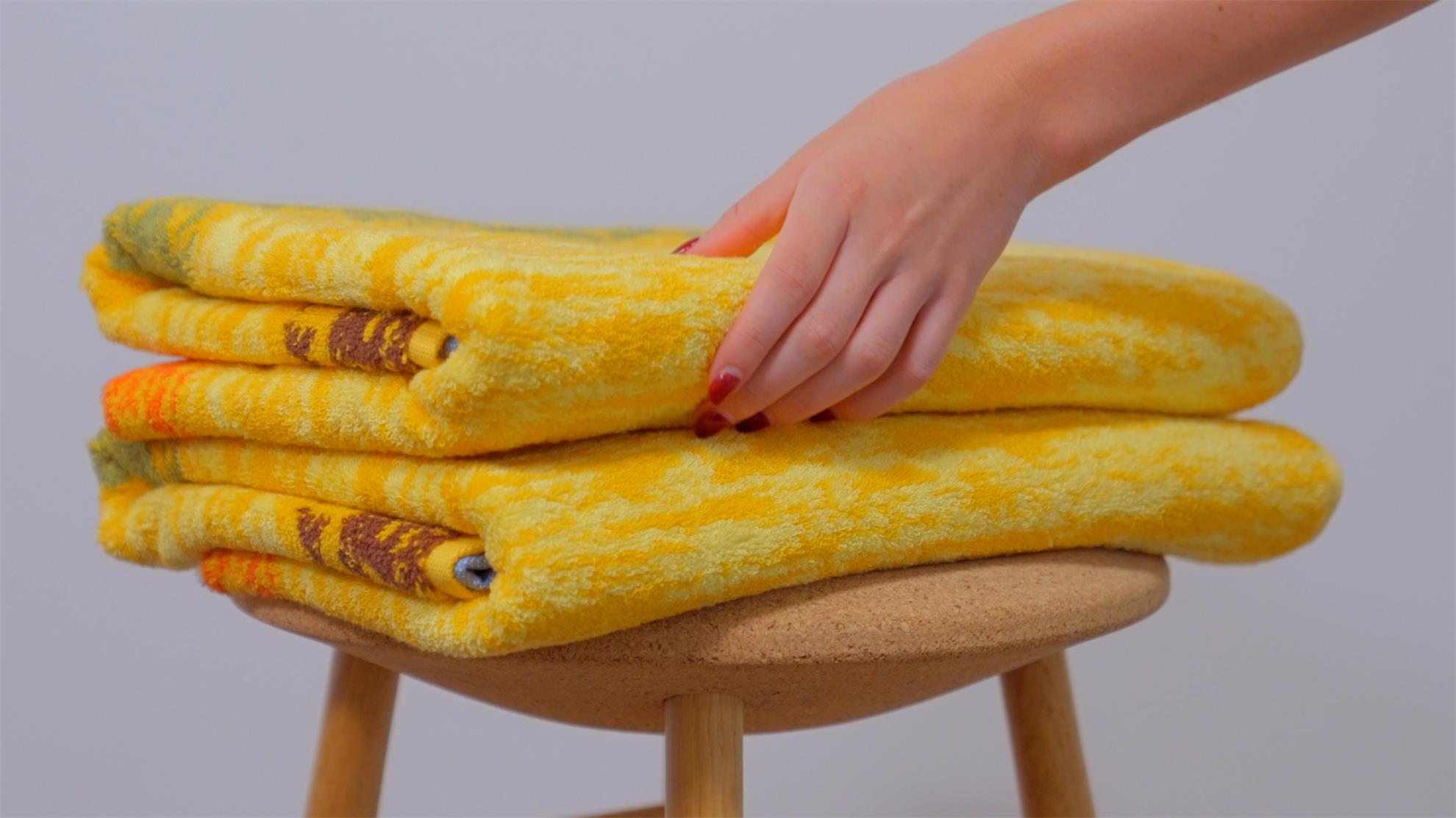
Standard fold: Fold the towel in half lengthwise, then in half again, then in thirds. This creates a neat rectangle that stacks easily. For most homes, this classic fold is perfectly adequate.
The shake trick: Before folding a dry towel, give it a gentle but thorough shake. This lifts the terry loops and helps them stand up, which maintains the towel's loft and absorbency. It takes two seconds but makes a noticeable difference in how fluffy your towel feels when you next use it.
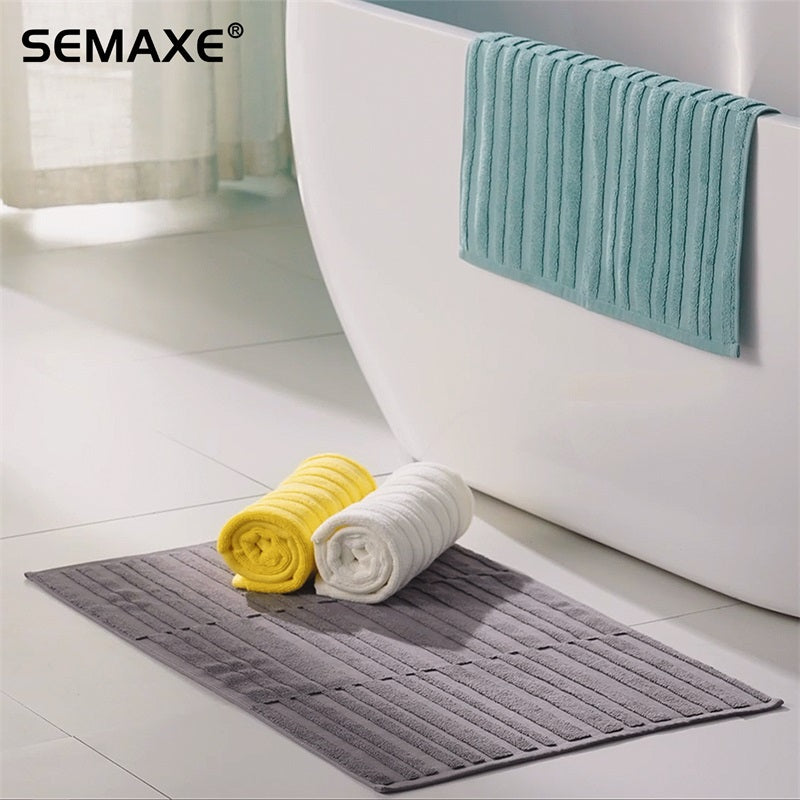
Rolling (space-saving alternative): For smaller spaces, rolling towels instead of folding them can save drawer space while reducing creasing. Roll tightly from one short end to the other, and store upright like a row of books.
The Rotation Principle
Having multiple sets of towels in rotation extends the life of each individual towel. Instead of using the same bath towel until it's threadbare, rotate through 3-4 sets. This gives each towel time to fully rest between uses, and it ensures you always have a freshly laundered towel available.
A practical system: keep two sets in active rotation (one in use, one in the laundry) and one or two additional sets stored as backups. When the active towels reach the end of their lifespan — typically around 3-4 months for daily-use bath towels — rotate in the stored sets.
How Long Should You Keep Towels?
Even with perfect care, bath towels don't last forever. For hygiene and optimal performance, we recommend replacing daily-use bath towels every 3-4 months. This isn't a sales pitch — it's genuine advice based on how many wash cycles a towel can withstand before its fibers begin to degrade. Guest towels and less-frequently-used towels can last longer, but if your daily bath towels start to feel rough, lose their plushness, or retain odors even after washing, it's time to replace them.
Seasonal Storage Tips
When storing towels for longer periods — for example, switching between heavy winter towels and lighter summer towels — take extra precautions:
-
Ensure towels are completely, thoroughly dry before long-term storage
-
Store in a breathable container (cotton bags or open baskets) rather than plastic
-
Add a natural sachet of lavender or cedar to deter insects (avoid direct contact with the towel)
-
Avoid storing in attics or basements where temperature and humidity fluctuate dramatically
SEMAXE's Storage Recommendations
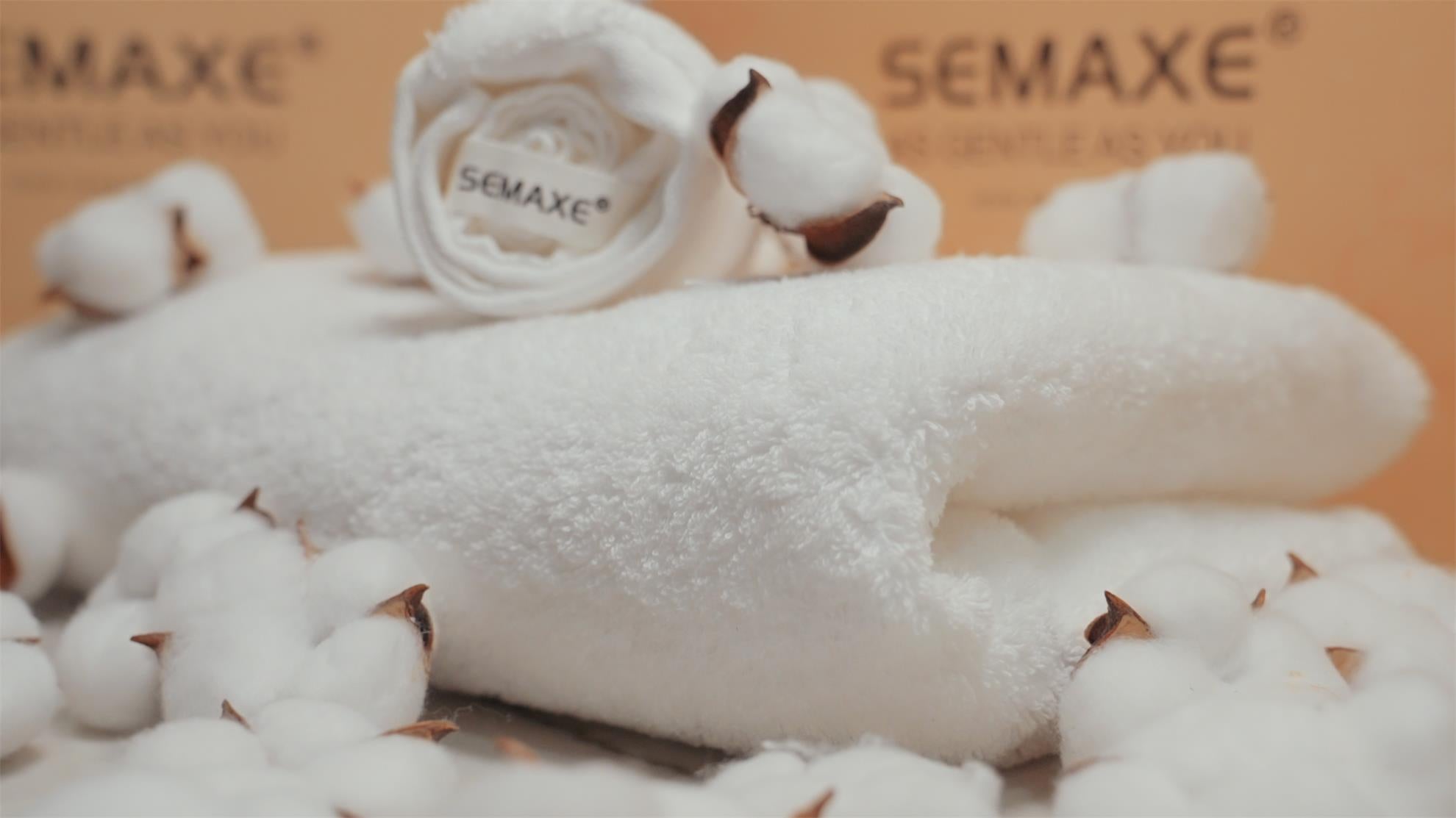
Store your SEMAXE towels in a cool, dry, well-ventilated place away from direct moisture. Never fold or store them while damp. A quick shake before folding helps maintain their signature plushness. And remember: proper storage isn't just about keeping your linen closet tidy — it's about preserving the quality and hygiene of your towels.
Key Takeaways:
-
Never store towels while damp — always dry completely first
-
Choose a dry, ventilated location away from moisture sources
-
Shake towels gently before folding to maintain loft
-
Rotate multiple towel sets to extend each towel's lifespan
-
Replace daily-use towels every 3-4 months for optimal hygiene
-
For long-term storage, ensure thorough dryness and use breathable containers