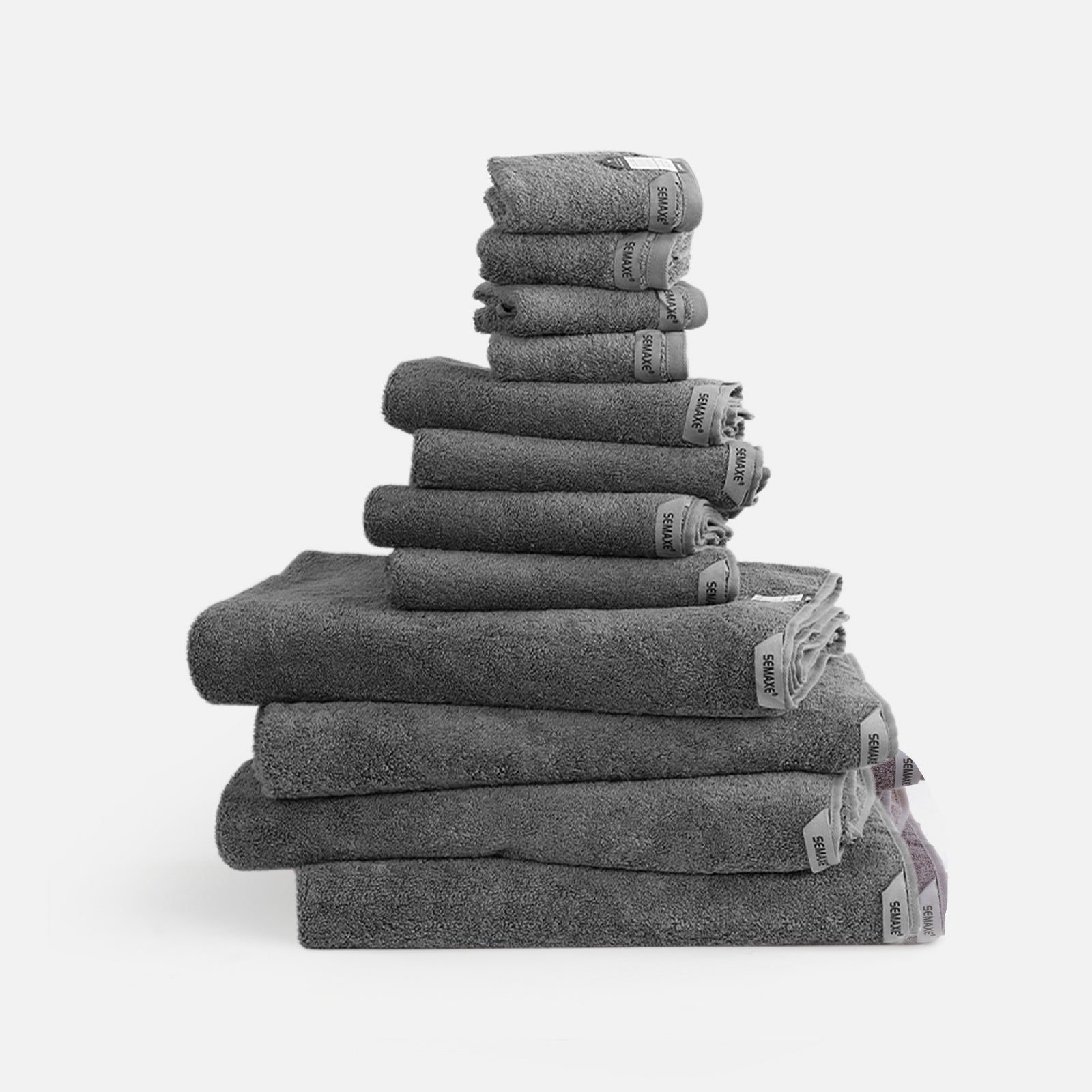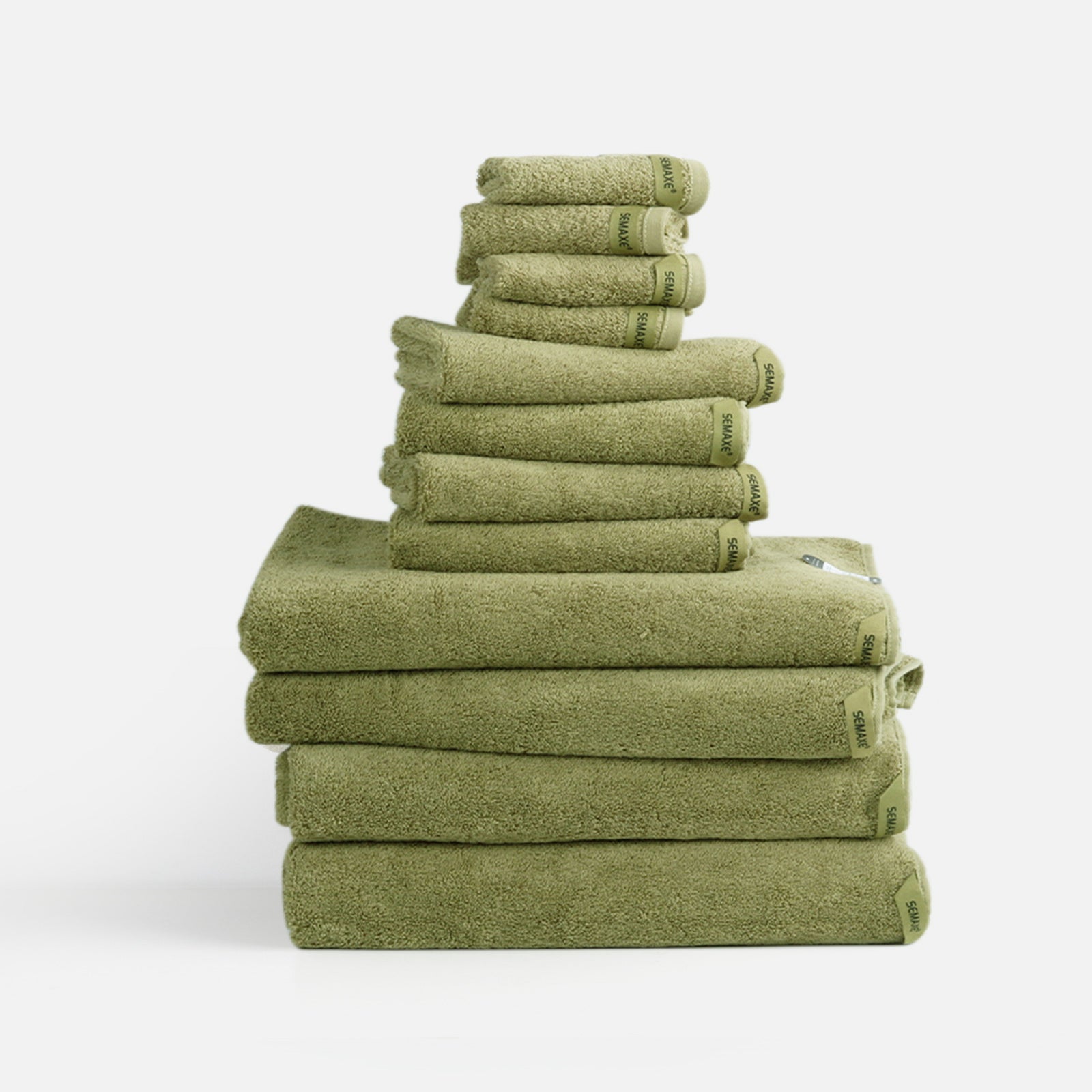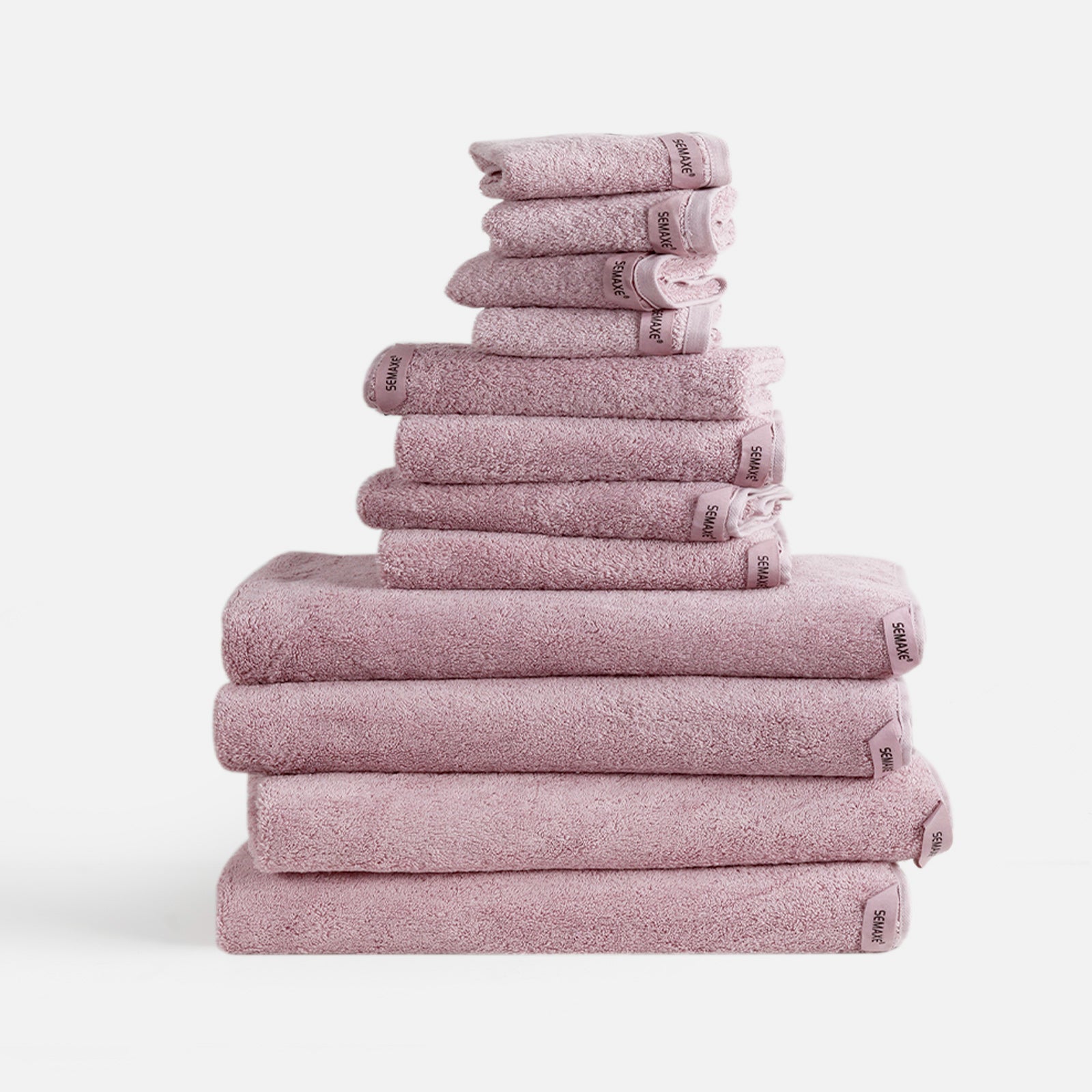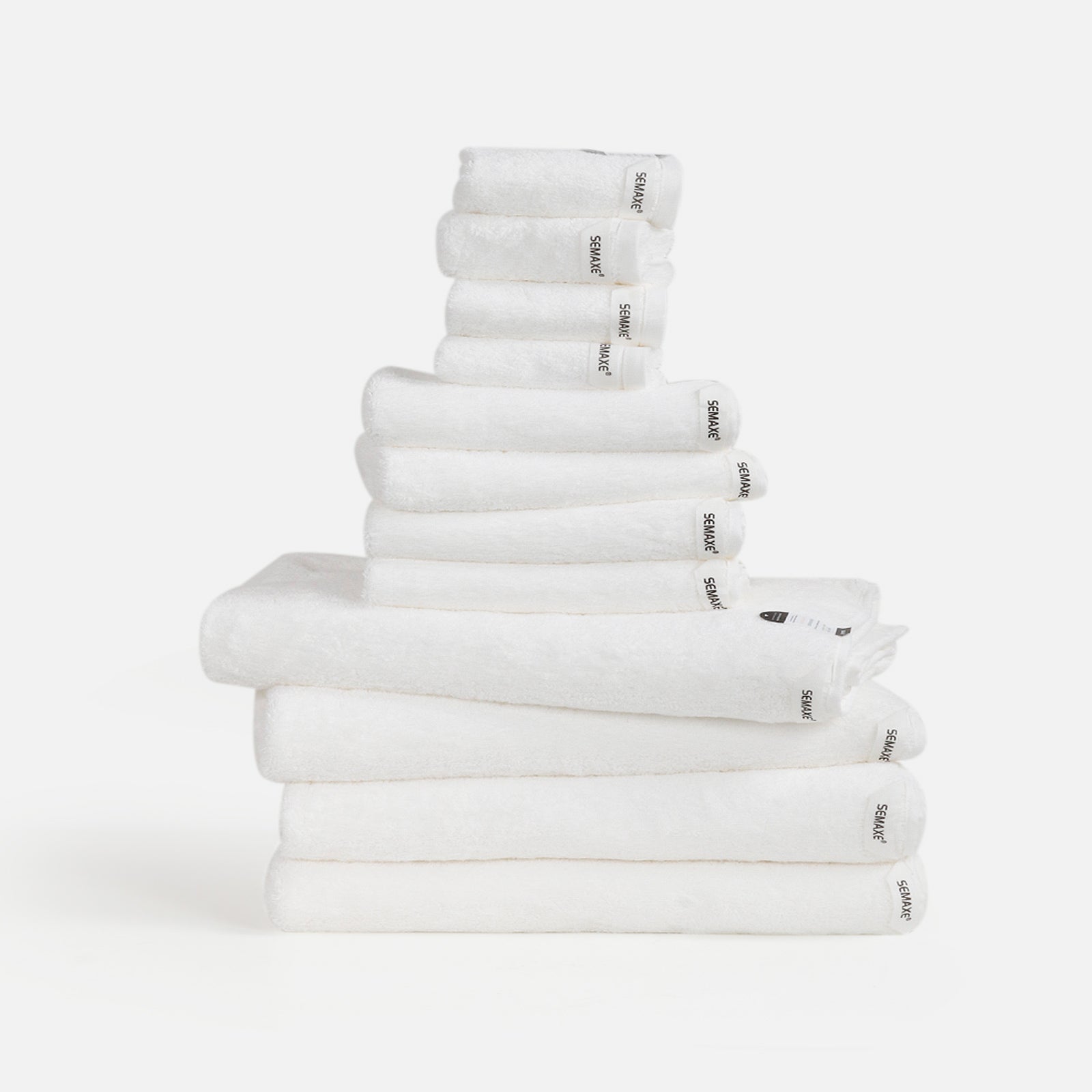

Meta Description: Is lint shedding normal for new cotton towels? Learn why it happens, how to minimize it, and why it's actually a sign of quality.
Content:
You've just unboxed your beautiful new SEMAXE towels, and after the first wash, you notice fuzzy lint in the dryer filter — or perhaps a few loose fibers floating around. Is something wrong? Are your towels defective? The short answer is: absolutely not. In fact, some initial lint shedding is a normal characteristic of high-quality, 100% natural cotton towels.
Why Natural Cotton Sheds Lint
Here's what's happening at the fiber level. Cotton fibers are not all the same length. In any batch of natural cotton, you'll have longer fibers that form the structural backbone of the yarn and shorter fibers that become trapped within the yarn during spinning. During the first few washes, these shorter fibers work their way loose from the yarn and shed away. This process is sometimes called "breaking in" a new towel.
Think of it like a new pair of jeans. The first few times you wear them, you might notice some loose indigo dye transferring onto your hands or furniture. That doesn't mean the jeans are poor quality — it means they're made with real indigo rather than synthetic dyes that lock in color unnaturally. Similarly, lint shedding from new cotton towels isn't a defect; it's simply the fabric releasing the loose, unattached fibers that inevitably exist in any spun natural material.
Important distinction: Shedding is different from tearing. Lint — also called "fluff" or "fuzz" — consists of loose surface fibers that haven't been fully integrated into the yarn. These wash away harmlessly. If your towel develops actual holes, thinning patches, or large missing sections of loops, that's a different issue potentially related to damage or very poor quality. Normal shedding involves only surface fuzz, not structural damage.
How Long Does Shedding Last?
For most quality cotton towels, noticeable shedding occurs during the first two to three washes. After that, the shedding typically diminishes significantly. By the fourth or fifth wash, you'll likely see just the occasional wisp of lint — nothing more. Rest assured, this is temporary and will not continue indefinitely.
How to Minimize Lint Shedding
While some shedding is unavoidable, you can take steps to reduce it:
Pre-wash new towels separately: Washing new towels alone — or at least not with dark clothing — ensures that any loose fibers wash away without transferring onto your other laundry.
Use a gentle cycle: Harsh washing cycles with aggressive agitation can loosen more fibers than necessary. Use a normal or gentle cycle, not heavy-duty.
Don't overload the dryer: Towels need space to tumble freely. Overcrowding increases friction, which can loosen more surface fibers than normal.
Clean your lint filter: This is more about maintenance than prevention, but it's worth mentioning: a clean lint filter helps your dryer work efficiently. Check it before every load.
Does Lint Shedding Indicate Quality?
Counterintuitively, some initial lint shedding can actually be a sign that you're using a genuine, untreated natural cotton product. Towels that don't shed at all — or that feel slick and unusually smooth from the first wash — may have been treated with chemical coatings or bonding agents designed to suppress shedding artificially. These treatments often have downsides, including reduced absorbency and a less natural feel.
Premium, long-staple cotton towels tend to shed less than standard cotton because the fibers are longer and more uniformly spun into the yarn. Shorter fibers — the ones that shed — are simply more present in lower-quality cotton. So while some shedding is normal, less shedding is one indicator of better quality cotton.
SEMAXE's Promise
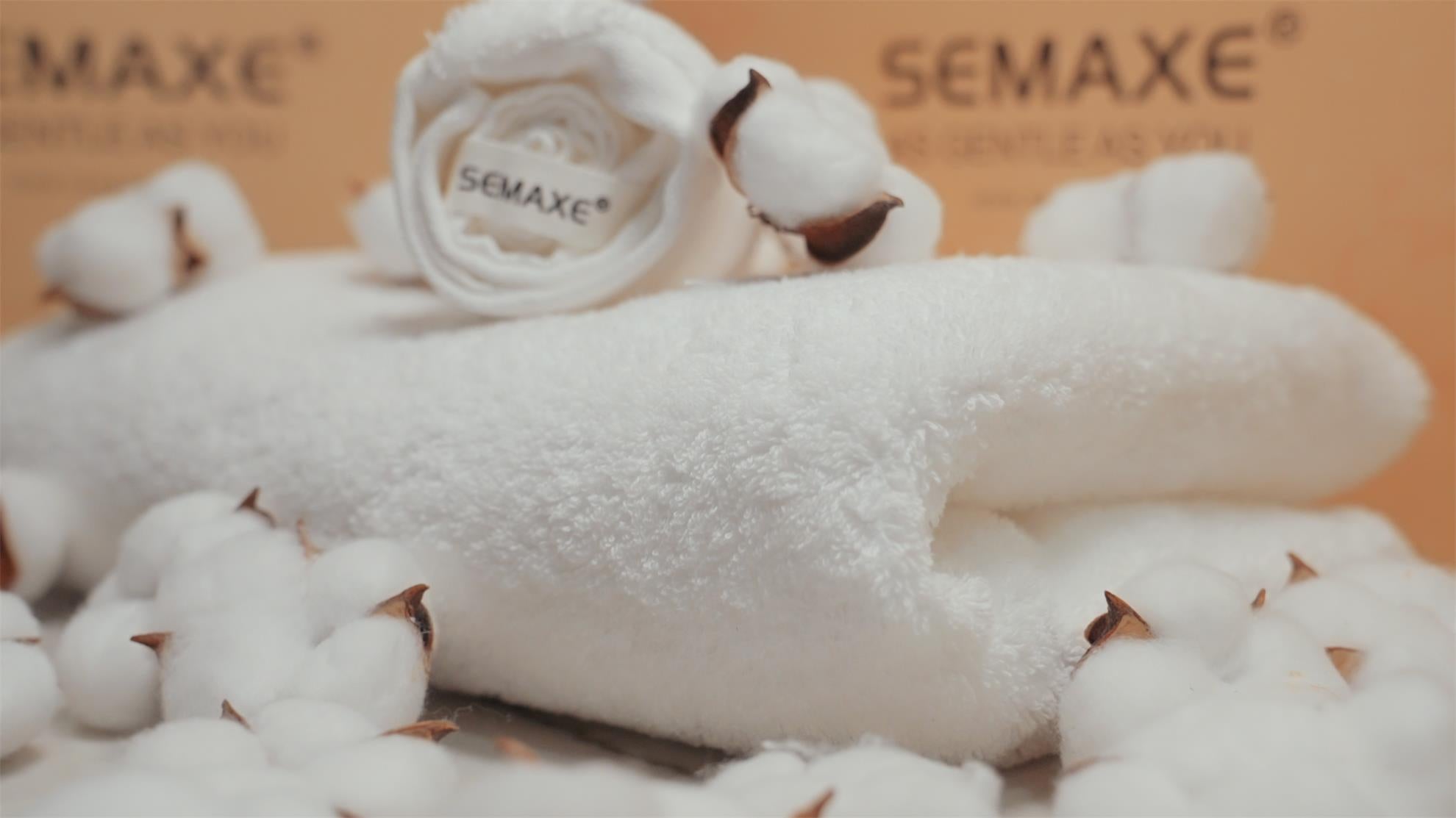
Our SEMAXE towels are crafted from 100% natural cotton. You may notice minimal lint during the first 2-3 washes — this is normal and temporary. With each subsequent wash, the shedding will decrease, revealing the enduring softness underneath. This breaking-in period is actually a good sign: it means your towel is genuine, untreated natural cotton, not synthetic or chemically coated.
Key Takeaways:
-
Lint shedding during the first 2-3 washes is normal for natural cotton
-
Shorter fibers work loose during "breaking in" — this is temporary
-
Shedding should diminish significantly by the 4th or 5th wash
-
Wash new towels separately during initial uses to contain lint transfer
-
Very low shedding often indicates premium long-staple cotton
-
Some shedding is actually a sign of authentic, untreated natural cotton